Grocery bills keep rising while our paychecks lag behind, and most Americans have no idea how much they’re losing in every shopping trip. Even routine errands can quietly siphon hundreds from your monthly budget through hidden markups, bulk traps, and brand loyalty.
Understanding how grocery stores subtly drain money is the first step toward reclaiming control over your spending so you’re not left wondering why the cart always feels heavier than the bank account.
Some grocery habits are deceptively expensive. Shopping at the “wrong” store, ignoring private labels, or buying oversized packages can make everyday staples cost double what they should.
The stores designed to feel convenient often trick us into spending more, turning what should be a simple chore into a financial trap. Below, we reveal the ways grocery shopping silently empties Americans’ wallets and how to avoid each pitfall.
Falling for Bulk Pack Illusions

Warehouse clubs promise savings, but the reality is sneaky. A jumbo pack of frozen chicken or snack bags may look cheap per unit, yet if you can’t consume or properly store it, the extra quantity just turns into waste.
Many Americans buy more than they need, thinking they’re saving, only to toss spoiled food and wonder why their bill seems inflated. The lesson is clear: bulk only saves money when storage and consumption align with quantity.
Ignoring Private Labels
Name brand loyalty is silently inflating grocery budgets. Store brands in Aldi, Lidl, or Costco’s Kirkland line offer comparable quality at a fraction of the price, but many shoppers skip them due to habit or perceived inferiority.
Americans continue paying more for national brands when private label options could slash weekly costs. Testing private labels one category at a time ensures you save without sacrificing quality.
Overpaying for Convenience
Big stores like Walmart and Trader Joe’s market ease, but convenience comes at a hidden cost. Pre-cut vegetables, ready to eat meals, and grab and go snacks can double the price of making the same items at home. Shoppers often underestimate how much these conveniences add up over a month, quietly draining their wallet while making life “easier.”
Falling into Seasonal Hype

Stores rotate seasonal displays that look exciting but often push expensive, non-essential products. Pumpkin spice items in fall, holiday candies, or summer treats can tempt shoppers into unplanned purchases. Even small indulgences repeatedly can total a surprising amount, turning seasonal excitement into financial regret. Americans need to shop with a strict list to avoid these high-cost temptations.
Failing to Compare Unit Prices
A small package might feel cheaper than a larger one, but per-ounce or perserving cost tells the real story. Shoppers who ignore unit pricing often overpay for basics like cereal, pasta, rice, or milk. Checking labels or using store apps can reveal hidden savings and prevent silently bleeding money each week.
Paying for Unnecessary Memberships
Warehouse clubs like Costco or Sam’s Club can save money, but membership fees are an upfront trap for casual shoppers. Those who rarely buy in bulk or cannot finish large quantities end up paying for access to savings they never fully use.
Many Americans overspend on memberships, thinking the potential discount justifies the fee, when a targeted shopping plan could be cheaper.
Impulse Buying From “Deals.”

Weekly deals and promotional aisles can be deceptively expensive. Limited time offers or “buy one get one free” deals push shoppers to pick up items they don’t need, converting supposed bargains into actual overspending. Americans often leave the store with more products than intended, quietly inflating their grocery totals.
Ignoring Store Specific Strengths
Different grocery chains have hidden strengths and weaknesses. Aldi and Lidl excel at low cost staples, Trader Joe’s at specialty items, WinCo at bulk bins, and Walmart at convenience. Shoppers who go to the same store for everything often miss savings opportunities elsewhere. Not adapting shopping habits to each store’s strengths leads to unnecessarily high costs.
Skipping Digital Coupons and Apps
Many Americans still overlook digital coupons, store apps, or loyalty programs. These tools can reduce weekly bills significantly when used correctly. Ignoring them silently increases the amount spent on groceries, even when the base prices are reasonable.
Overbuying Perishable Items
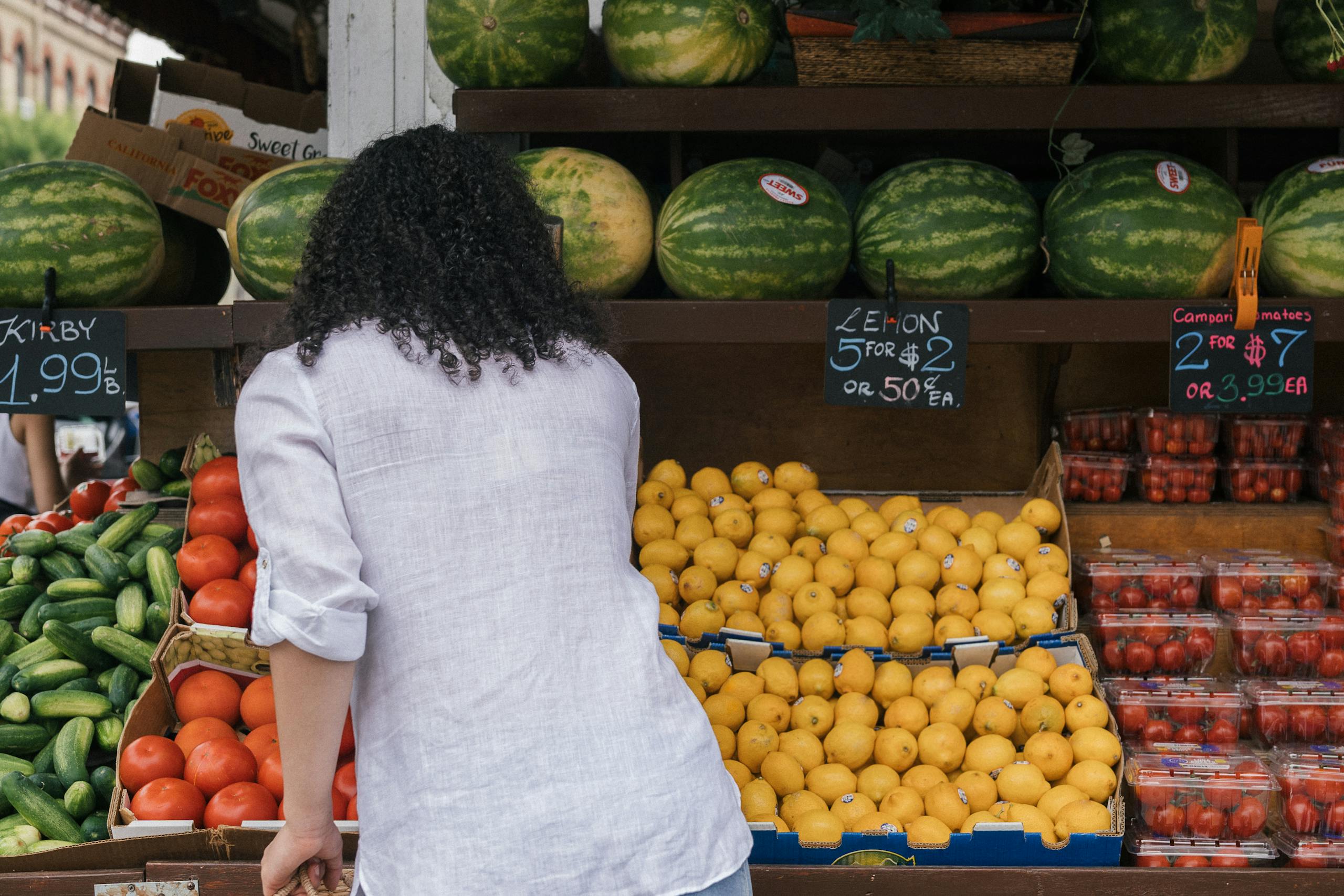
Buying too much fresh produce or meat without proper storage or meal planning is a major drain. Spoiled fruits, vegetables, and meat represent money literally thrown away. Careful planning and proper storage can prevent waste and help maintain a lean grocery budget.
Conclusion.
The cheapest grocery stores in America are not always the same for every shopper. Even the lowest sticker price cannot protect against bulk waste, brand loyalty, impulse purchases, or convenience premiums. Americans are losing hundreds of dollars each year silently because of habits that make sense superficially but cost deeply.
The solution is strategic: match your shopping list to the store’s strengths, use private labels, plan your trips, check unit prices, and avoid unnecessary memberships or bulk overbuying. Understanding how grocery stores quietly drain your wallet is the first step to saving more without sacrificing food quality or household convenience.