Living alone has plenty of perks. You get the entire couch, nobody touches your leftovers, and the thermostat stays exactly where you want it. Best of all, you can enjoy your space without negotiating over whose turn it is to wash the dishes.
But having a place entirely to yourself also means handling responsibilities that might otherwise be shared. From unexpected visitors to household emergencies, a few overlooked habits can turn an ordinary day into an expensive or stressful experience.
According to the U.S. Census Bureau, approximately 39.7 million American households had just one occupant in 2025, accounting for 29% of all households. Whether you’re enjoying your first apartment or have lived independently for decades, here are 12 mistakes worth avoiding.
Leaving Food Cooking While You Do Something Else

We’ve all been tempted to leave a pot simmering while answering a phone call or folding laundry. Unfortunately, an unattended stove can become a serious problem faster than expected.
The National Fire Protection Association estimates that cooking caused an average of 159,400 home fires each year between 2019 and 2023. The U.S. Fire Administration recommends turning off the burner whenever you leave the kitchen.
Keep an eye on anything cooking on the stovetop, and use timers as reminders, not substitutes for attention.
Related: 7 Dangerous Myths About Cooking and Food Safety You Should Never Believe
Forgetting to Test Smoke and Carbon Monoxide Alarms
When did you last press the test button on your smoke alarm? If you can’t remember, you’re probably overdue for a quick inspection.
The Consumer Product Safety Commission recommends testing smoke and carbon monoxide alarms monthly. Install smoke alarms on every level and inside bedrooms, and place carbon monoxide alarms on every level and outside separate sleeping areas.
Check battery and replacement instructions, too. An alarm hanging from the ceiling won’t help if it doesn’t work when you need it.
Assuming Someone Will Automatically Know When You Need Help

Living independently doesn’t mean you have to handle every unexpected situation without support. However, simply having friends and relatives in your contacts doesn’t guarantee anyone will know when something goes wrong.
The Federal Emergency Management Agency recommends establishing a communication plan that includes trusted people outside your household. This might involve setting up occasional check-ins, identifying an emergency contact, and deciding what to do if someone cannot reach you.
Choose arrangements that fit your routine and comfort level. The goal isn’t to surrender your independence but to ensure someone knows how to respond when necessary.
Opening the Door Without Checking Who Is Outside
Someone knocks and announces they’re from maintenance, a utility company, or a delivery service. Before opening the door, remember that a convincing introduction isn’t the same as verified identification.
Home-security guidance from the City of Moses Lake, Washington, recommends identifying visitors before opening the door. For unexpected maintenance appointments, contact your landlord or service provider using an independently verified phone number.
You can also communicate through a closed door or intercom. A legitimate visitor should understand why you want to confirm an unexpected appointment.
Leaving Space Heaters Running While You Sleep
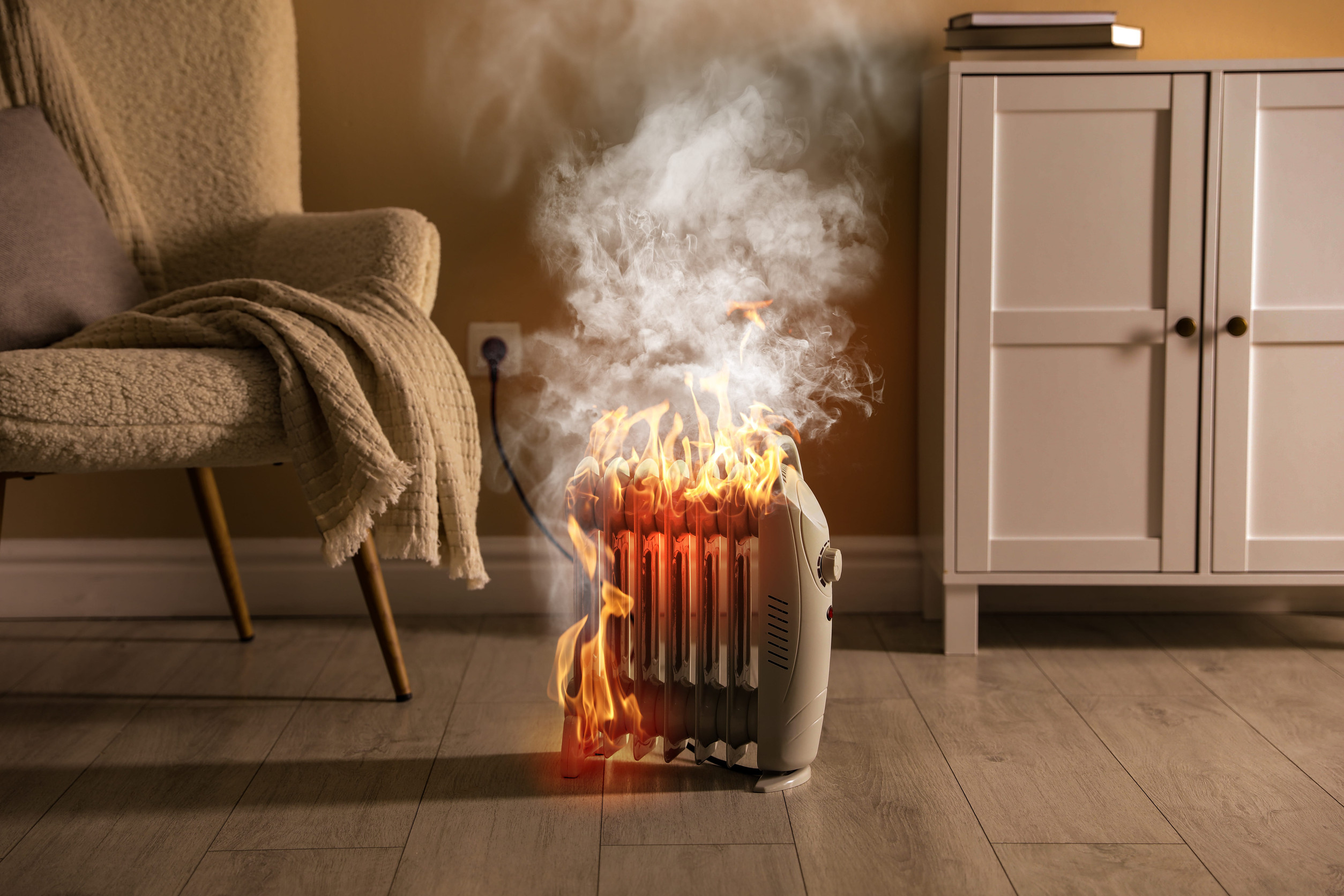
A portable heater can make a chilly room more comfortable, especially when you want to warm one particular space. However, leaving it operating while you’re asleep or away from home creates an avoidable hazard.
The Consumer Product Safety Commission advises keeping portable heaters at least three feet away from combustible materials. Plug electric space heaters directly into wall outlets rather than extension cords or power strips.
Turn portable heaters off before you sleep or leave. Keep curtains, blankets, and furniture away from the equipment while it’s operating.
Forgetting to Lock Doors Because You’re Already Home
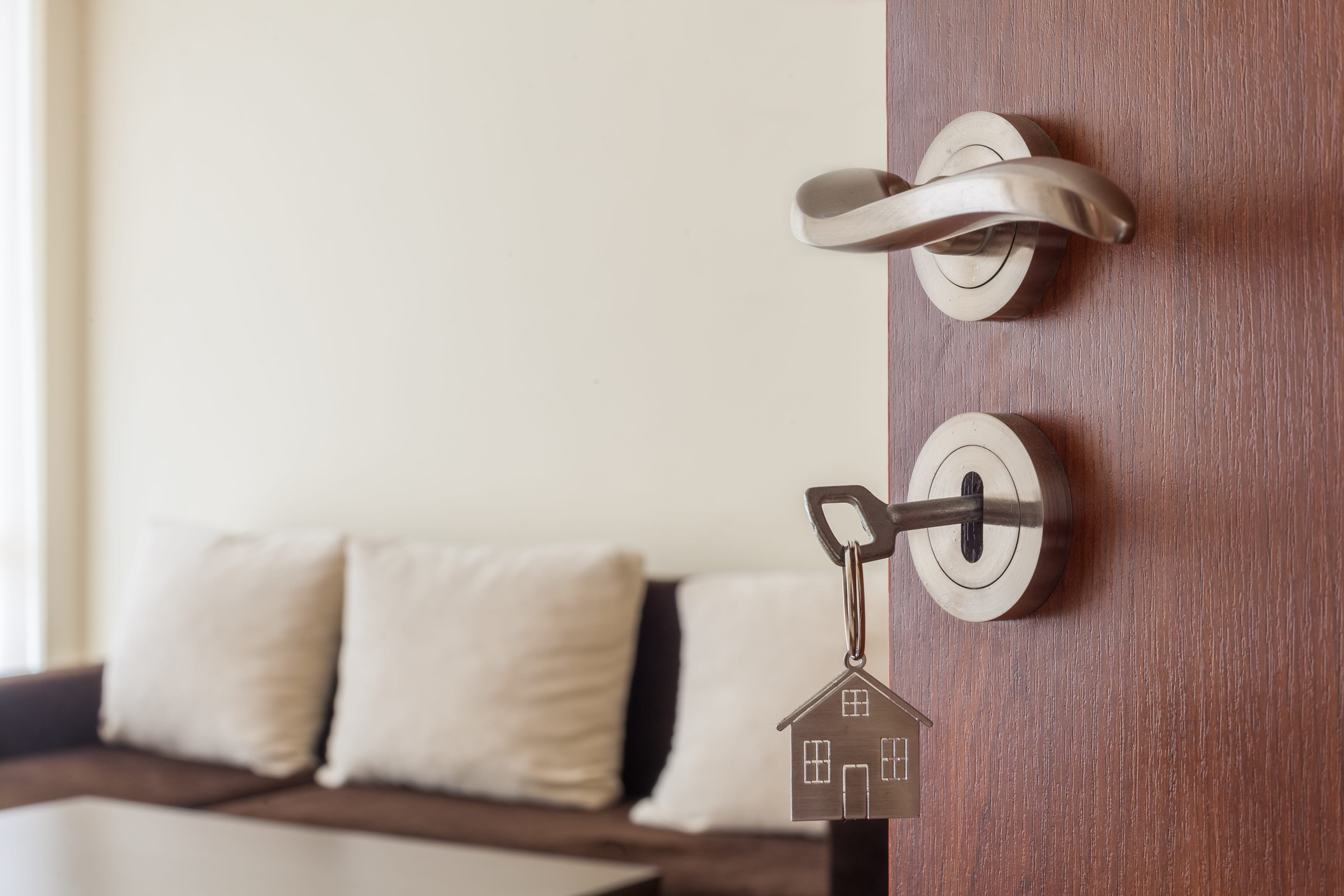
It’s easy to assume that locking the door only matters when you’re leaving. But keeping entry points secured is a sensible routine whether you’re relaxing on the couch or heading out for groceries.
Check exterior doors, accessible windows, and any connecting garage doors before bedtime or departure. Don’t hide spare keys under doormats, in mailboxes, or along door frames.
If you’re worried about getting locked out, consider arranging backup access with someone you genuinely trust. Any security measures should still let you exit quickly in an emergency.
Having No Supplies Ready for a Power Outage
Imagine the electricity suddenly goes out, your phone battery is nearly empty, and you have no idea where your flashlight is. That’s not exactly the relaxing evening you had planned.
FEMA recommends keeping emergency supplies, including water, food, flashlights, batteries, and backup charging options. Its general water recommendation is one gallon per person per day for several days, covering drinking and sanitation.
Start with a working flashlight and charged power bank, then gradually build your supplies. Store everything somewhere you can reach without relying on electric lighting.
Ignoring Damaged Cords and Overloaded Outlets
That extension cord tucked beneath the rug might seem harmless, especially if it’s been there for years. Unfortunately, damaged wiring and overloaded electrical equipment deserve more attention than they usually receive.
The U.S. Fire Administration advises against running cords beneath rugs, overloading outlets, and using extension cords for major appliances. Repeated breaker trips, unusual odors, or discolored outlets also deserve professional attention.
Replace damaged cords and contact a qualified electrician about concerning electrical problems. Don’t repeatedly reset a breaker while ignoring whatever caused it to trip.
Waiting Until an Emergency to Find Your Water Shutoff
A leaking pipe is stressful enough without having to search every cupboard for the main water valve. Learning where important utility controls are located before something goes wrong can make household emergencies easier to manage.
Identify the accessible water shutoff and ask your landlord or utility provider which controls you’re permitted to operate. Keep emergency maintenance contact information somewhere easy to find.
Gas and electrical emergencies require additional caution. Never attempt hazardous repairs or restore gas service yourself after an emergency shutoff.
Spending Everything Without Keeping an Emergency Buffer
Rent, groceries, and utilities can take more of your income than you expect. Add an unexpected repair, transportation expense, or temporary income interruption, and your carefully balanced budget may suddenly fall apart.
The Federal Reserve’s 2025 household survey found that 63% of U.S. adults said they could cover a hypothetical $400 emergency using cash or its equivalent. Another 12% said they couldn’t cover the expense by any means.
These figures cover adults generally, not just people living alone. Still, setting aside even modest amounts for unexpected expenses can help you prepare without placing unrealistic pressure on your budget.
Assuming Your Insurance Covers Everything
Insurance paperwork isn’t the most exciting reading material, but discovering a coverage gap after something happens is even less enjoyable. Renters sometimes assume their landlord’s insurance automatically protects their belongings, but they shouldn’t count on it.
The Consumer Financial Protection Bureau advises reviewing insurance arrangements and understanding coverage after disasters. Depending on the policy, renters insurance may cover personal possessions and certain temporary living expenses.
Check deductibles, exclusions, and coverage limits before an emergency occurs. Keeping a basic inventory of belongings and copies of important documents can also make future claims easier to organize.
Related: 10 Things You Should Think Twice About Carrying in Your Wallet After 50
Announcing Every Vacation and Absence on Social Media
Posting a vacation photo while enjoying a beautiful destination is tempting. However, publicly announcing that you’re away can reveal information about when your home may be empty.
The City of Moses Lake advises residents not to publicize their absence on social media. A practical alternative is to share travel plans privately with trusted contacts and save public vacation updates for when you’re back.
You don’t have to stop sharing your adventures. Being a little more selective about when and how you post is a simple privacy habit worth considering.
Related:10 Most Unique and Remote Vacation Retreats
A Little Preparation Goes a Long Way
Living alone should feel like freedom, not a never-ending list of things to worry about. Most of these precautions involve small changes, such as testing an alarm, checking a lock, creating a household budget, or keeping emergency supplies within reach.
You don’t need to tackle everything in one afternoon. Start with a few essentials, build sensible habits, and enjoy the comfort of knowing your home is better prepared for the unexpected.
Other Posts You May Like
- 7 Essential Purchases for Retirees Living Alone
- 6 safety essentials every boomer living alone must own