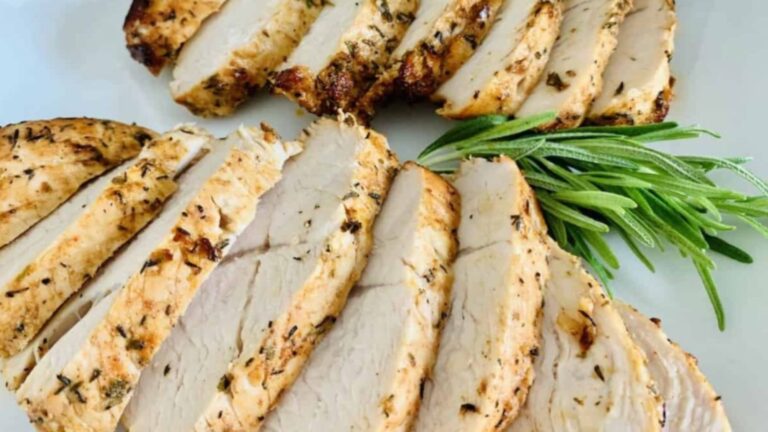
An 8-second TikTok video about a 6-ounce steak has turned into one of those restaurant debates that feels bigger than the plate. The clip, posted by TikTok user @dccustomjewelry, reportedly showed a LongHorn Steakhouse customer pressing down on a small steak he believed looked closer to 2 or 3 ounces than the menu size he expected.
According to a report from Varney & Co., diners are engaging with food topics in new ways, reflecting broader shifts in the restaurant industry as people respond to changes that extend beyond the size of a single steak on a plate. They are reacting to the feeling that restaurant bills keep climbing while the meal in front of them sometimes looks less generous than it used to.
Why This 6 Ounce Steak Hit Such A Nerve
A 6-ounce steak became the focus of nationwide debate as diners questioned whether they were getting their money’s worth, especially after the U.S. Bureau of Labor Statistics reported that consumer prices rose 2.4 percent over the year ending in February 2026.
The customer’s post leaned into the inflation mood, and that made the reaction sharper. In May 2026, food away from home prices were up 3.5% over the previous year, while full-service meals were up 3.8%, so many Americans already had restaurant prices on their mind.
That is why the clip spread beyond steak lovers and LongHorn regulars. In a country where 1 casual dinner can easily feel like a planned expense, a small-looking entree can become a symbol of a much larger value problem.
The Raw Weight Problem Most Diners Forget
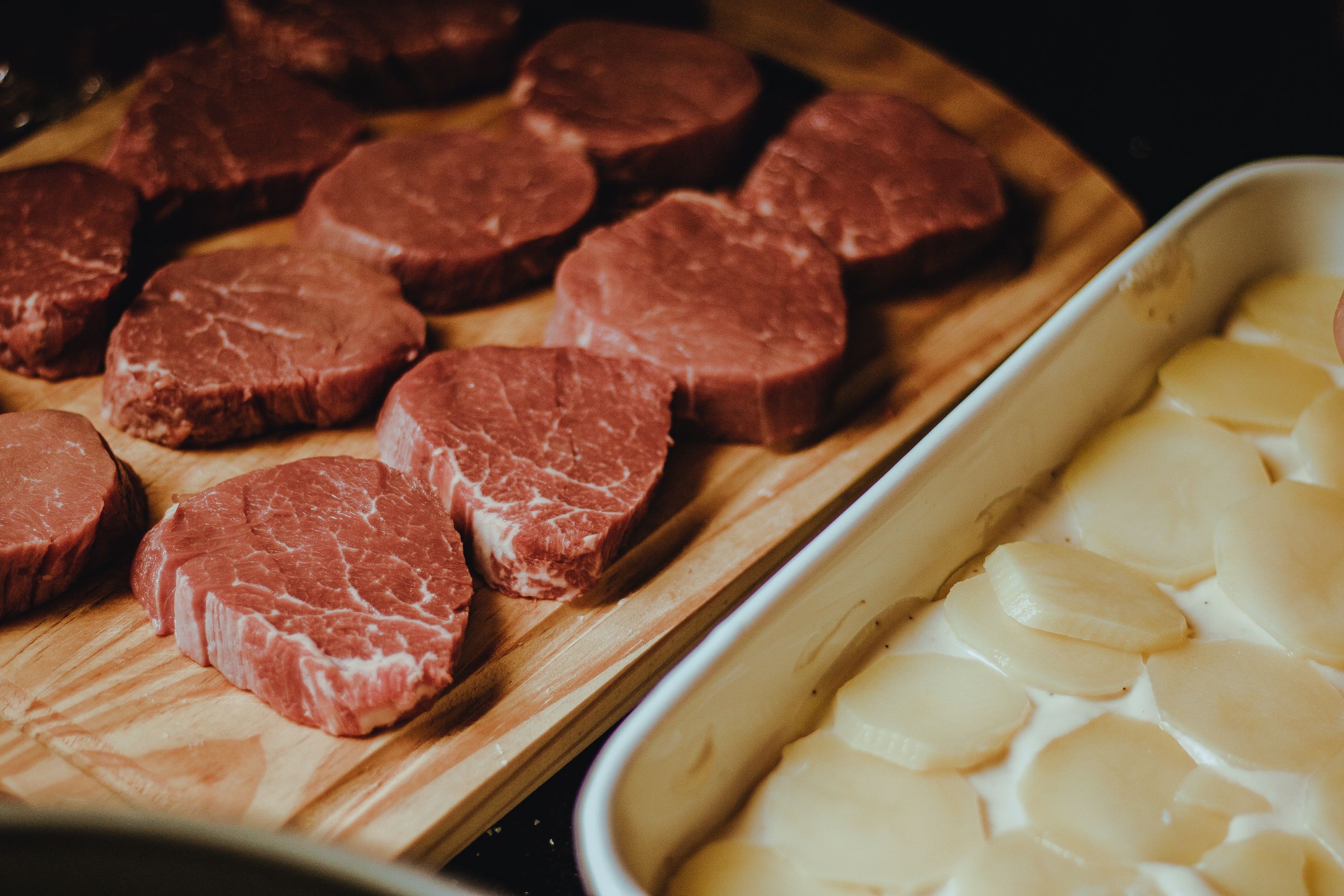
There is 1 important detail in almost every steak portion debate: menu weights are commonly based on raw weight before cooking. A steak can shrink as it loses moisture and fat on the grill, especially if it is cooked longer or charred harder than expected.
USDA food buying guidance indicates that some beef steak cuts can yield about 0.63 to 0.70 pounds of cooked lean meat per 1 pound as purchased. That means a 6-ounce raw steak may reasonably look smaller after cooking, even when the starting weight was correct.
Still, that technical explanation does not erase the customer experience. If a 6-ounce menu item lands on the table looking like 3 bites and the diner feels dismissed, the math may be less damaging than the feeling of being shortchanged.
Why The Video Became A Shrinkflation Story
Shrinkflation usually refers to products getting smaller while their prices stay the same or even go up. While it often refers to 10-ounce bags becoming 9-ounce bags, restaurant customers are now using the term for meals that seem less generous or satisfying, especially as prices for food away from home have risen by 3.9 percent over the past year, according to the U.S. Bureau of Labor Statistics.
The LongHorn video does not prove that portion sizes have changed across the whole chain, nor can a short clip confirm the exact weight of a steak. However, it highlights how quickly customers link a disappointing meal to broader economic pressures that have led restaurants to raise prices due to rising labor, food, and other costs, according to an S&P Global report.
That connection matters because the restaurant industry is still growing even as customers feel stretched. The National Restaurant Association projected $1.55 trillion in U.S. restaurant and foodservice sales for 2026, yet more than 7 in 10 consumers said they would use restaurants more often if they had more disposable income.
LongHorn Is Not A Small Brand In This Debate
This is not a tiny local diner dealing with 1 unhappy table. LongHorn Steakhouse is part of Darden Restaurants, a company that operates more than 2,100 locations and employs about 200,000 team members across its brands.
That scale makes viral complaints more powerful. When a customer shares a bad plate from a major chain, viewers do not always see 1 kitchen mistake. They often see a brand promise put to the test in public.
Darden’s own fiscal third quarter 2026 results showed LongHorn Steakhouse’s same restaurant sales up 7.2%, with LongHorn’s quarterly sales reaching $854.2 million. In plain English, the brand is still performing strongly, which makes the value conversation even more interesting.
The Online Comments Show A Larger Customer Mood

The funniest comments reportedly treated the steak like a punchline, with some viewers joking that it looked like the “thought” of a steak. But under the jokes was a serious frustration: people are tired of feeling like they need a calculator, a scale, and a receipt just to judge dinner.
According to the U.S. Bureau of Labor Statistics, consumer prices rose 2.4 percent over the year ended February 2026, and some commenters have reportedly urged people to stop eating out if they notice shrinking portions or quickly rising prices. This kind of reaction highlights how even a single small stake can spark debate about the entire casual dining experience.
The restaurant industry also knows customers are cautious. In 2026, operators are facing pressure from food, labor, energy, insurance, and card fees, while diners are watching every dollar and expecting the plate to justify the bill.
A Small Steak Can Create A Big Trust Problem
The hardest part for restaurants is not always the weight of the meat. It is the trust gap that opens when the diner believes the menu promised 6 ounces, but the plate looks much smaller.
A customer may not know the raw weight rule, the exact cut, or how much moisture was lost during cooking. But every diner knows the feeling of looking down at a plate and thinking, “This cannot be right.”
That is why restaurant service matters as much as the size of the food. If a manager checks the order, explains the raw-weight standard, or offers to make it right, a 1-minute conversation can prevent a 16.7-million-view headache.
What Diners Should Know Before Calling Out A Portion
Before assuming a steak is underweight, diners should remember that cooked beef can lose a significant portion of its original size. A 6-ounce steak does not always look like a thick steakhouse centerpiece after heat, trimming, resting, and charring.
But customers are also allowed to ask questions. If a steak looks far smaller than expected, the smartest move is to politely ask the server or manager to confirm the cut before eating most of the meal.
That approach keeps the issue fair on both sides. The restaurant gets a chance to fix a possible mistake, and the customer avoids turning a 1-plate disappointment into a public fight before anyone at the location can respond.
Why This Story Is Bigger Than LongHorn
This story is catching attention because Americans are carrying restaurant fatigue into every booth, table, and drive-up lane. Prices are higher, expectations are sharper, and diners are less willing to shrug off a meal that does not look worth the money.
Full-service meals rose 3.8% over the year in the latest federal inflation data, which means casual dining customers are already paying attention before the food arrives. Once the plate hits the table, the value judgment happens in seconds.
That makes portion size one of the most emotional issues in restaurants right now. A diner can forgive a 10-minute wait or a slightly noisy room, but a small-looking steak on a pricey bill feels like a direct hit to the wallet.
The Real Lesson For Chain Restaurants
The LongHorn video does not prove that every 6-ounce steak is shrinking. It does not prove a corporate policy, and it does not confirm the exact cooked weight of the steak shown in the clip.
What it does prove is that diners are watching closer than ever. In a 2026 restaurant market projected to support 15.8 million jobs, trust is not a soft issue. It is part of the product.
For chains, the winning move is simple: make portions look fair, train staff to handle complaints without defensiveness, and make value visible to customers within the first 5 seconds after the plate arrives.
THE MASSIVE ONLINE DEBATE
A tiny-looking steak became a massive online debate because it touched 3 nerves at once: inflation, trust, and the fear that paying more now buys less. Whether this was a one-off plate, a cooking error, or a service miss, the reaction shows how closely Americans judge a restaurant’s value.
LongHorn may continue selling plenty of steaks, and Darden’s numbers show the brand is not struggling for attention. But in the social media era, 1 underwhelming plate can do what 100 polished ads cannot: make millions of diners ask whether their next meal out will feel worth it.
The main factual support used for the added stats comes from BLS food-away-from-home inflation data, USDA meat yield guidance, Darden’s fiscal 2026 third-quarter results, and the National Restaurant Association’s 2026 industry outlook.