Alexandria Ocasio-Cortez shared one of the most personal decisions of her public life over the weekend. Almost immediately, the conversation became bigger than fertility.
The 36-year-old New York congresswoman revealed that she has begun the process of freezing her eggs, documenting parts of the experience on Instagram and explaining that she had considered the decision for a long time. She described it as a way to feel more in control of her life and said she wants to make conversations about women’s reproductive health less intimidating.
Then came the unavoidable political question.
Ocasio-Cortez is also facing growing speculation about what she might do in 2028. During the same weekend, she declined to rule out either a presidential run or a potential Senate challenge against Democratic leader Chuck Schumer.
Suddenly, one woman’s fertility choice was sitting beside questions about the presidency.
That collision may say as much about American politics as it does about AOC.
AOC Shared Something Politicians Usually Keep Far Away From Cameras
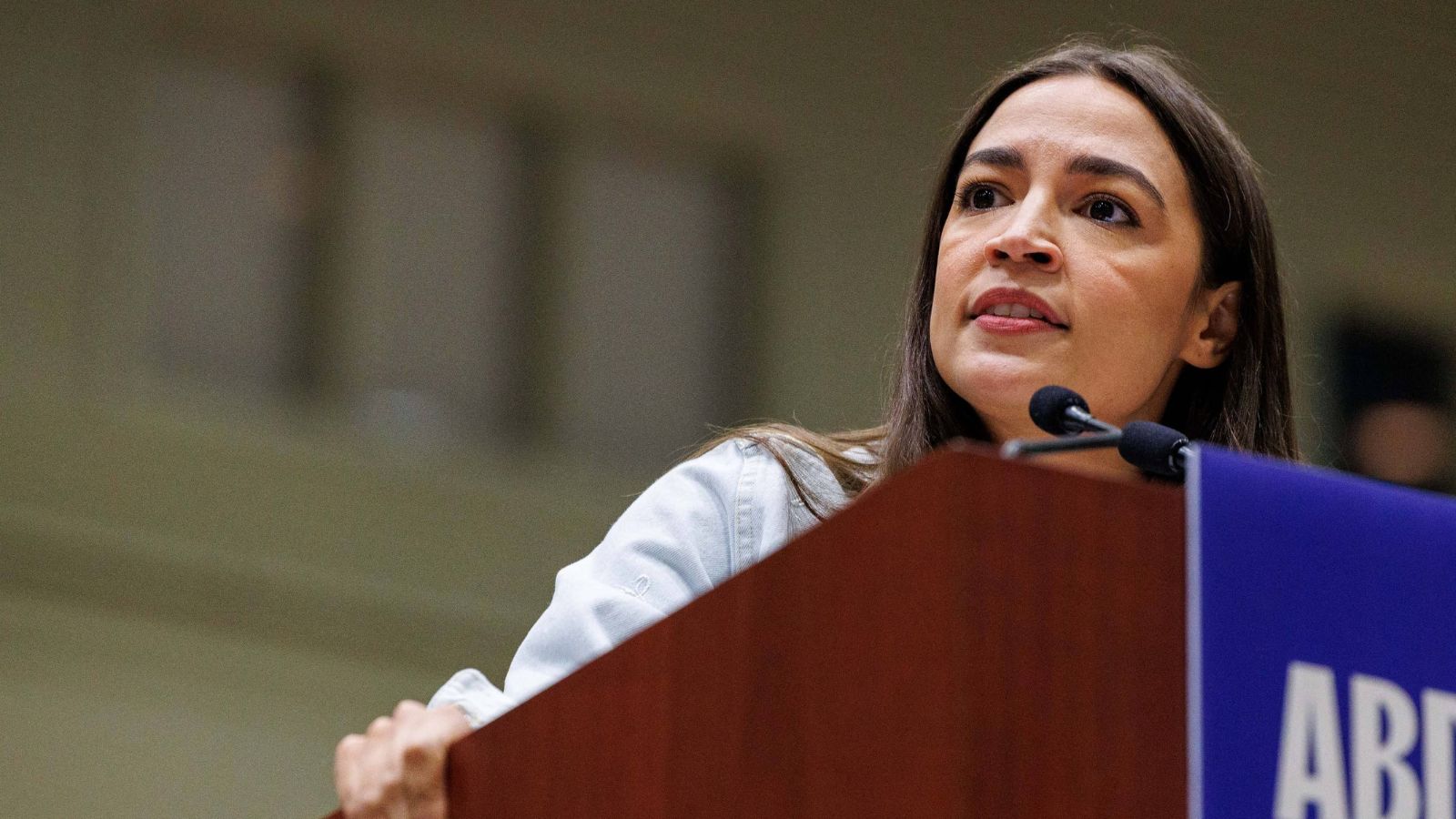
Ocasio-Cortez normally keeps much of her private life out of public view. This time, she deliberately pulled back the curtain.
She announced the decision through Instagram stories and showed followers some of the medications, syringes, and supplies involved. She even documented administering her first hormone injection.
“This is a choice that I am making to feel more in control of my life,” she explained.
That framing matters.
She wasn’t announcing a pregnancy. She wasn’t announcing plans to have a child immediately. She was preserving an option.
And by sharing that process publicly, Ocasio-Cortez turned something that often happens privately inside fertility clinics into a conversation playing out before millions of people.
Some supporters may see that openness as refreshing. Critics may wonder whether such intimate decisions belong in political discourse at all.
But that disagreement is exactly what makes the story difficult to ignore.
The Timing Immediately Collided With 2028 Speculation
Here is where the story gets uncomfortable.
During an appearance on ABC’s “This Week,” Ocasio-Cortez was questioned about her political future after a New Hampshire poll placed her prominently among possible Democratic presidential contenders. She said she remains focused on the midterm elections but acknowledged that she has not ruled out a presidential campaign.
Asked about potentially challenging Schumer for Senate, she went even further, saying “anything is possible at this juncture.”
That was enough to keep 2028 speculation alive.
But it would be careless to claim that Ocasio-Cortez is freezing her eggs because she wants to run for president. She has not said that. Her own explanation emphasized personal control, reproductive health education, and her desire to show women living complicated, full lives.
Still, the two stories arrived almost simultaneously.
And that guaranteed people would connect them.
The Medical Reality Makes the Decision Less Shocking Than the Politics Suggest
Egg freezing can sound futuristic or dramatic when attached to a famous politician. In fertility medicine, however, it is an established method of preserving reproductive options.
Johns Hopkins Medicine explains that patients generally take hormone medications to stimulate egg development before undergoing an outpatient egg retrieval procedure. Mature eggs can then be frozen through vitrification for possible future use.
Age matters significantly.
Johns Hopkins says egg quantity and quality decline over time and that freezing eggs before age 37 generally offers a better chance of future pregnancy success. Ocasio-Cortez is 36.
But egg freezing is not a promise of a future baby.
The American Society for Reproductive Medicine notes that outcomes vary according to factors including age and ovarian reserve, and available research does not justify treating planned egg freezing as guaranteed fertility insurance.
That nuance can easily disappear once politics takes over the conversation.
AOC Says There Is a “Political Tax” for Talking About It

Ocasio-Cortez appeared to know exactly what would happen once she went public.
She acknowledged that sharing the process could carry what she called a “political tax,” while arguing that reproductive choices made by men generally do not attract the same fixation.
That raises the most provocative question surrounding the entire episode.
Would voters treat a 36-year-old male presidential contender differently if he said he hoped to become a father someday?
Men running for high office routinely have young children, newborns or plans for larger families without every reproductive decision becoming a referendum on their ambition.
For women, the calculation can look very different.
Questions about pregnancy, motherhood, age, childcare and whether someone can balance family with a demanding career have followed successful women across industries for decades.
Supporters of Ocasio-Cortez may argue that showing the fertility process openly challenges that double standard.
Skeptics may argue that once a politician deliberately shares something personal with millions of followers, public discussion is inevitable.
Both reactions reveal the strange line modern politicians walk between authenticity and privacy.
She Is Turning a Personal Decision Into a Political Message
Ocasio-Cortez didn’t leave the discussion solely in the realm of her own future.
During her ABC appearance, she connected the decision to broader reproductive-care debates and argued that public leaders should be willing to discuss experiences affecting working women.
She has also said women often receive inadequate education about their bodies across major stages of life, including pregnancy, perimenopause and menopause.
That transforms the announcement.
What began as “AOC is freezing her eggs” becomes a debate about who has access to fertility preservation, who can afford it, and how openly women are expected to discuss reproductive decisions.
ASRM has warned that planned egg freezing can be expensive, is frequently self-funded and may create disparities in who can realistically access the technology.
Ocasio-Cortez herself said she had been saving for the procedure for a long time.
That detail may resonate more strongly with ordinary Americans than any speculation about 2028.
The Biggest Question Isn’t Really About Her Eggs
There is an obvious temptation to turn Ocasio-Cortez’s announcement into another clue in the 2028 presidential guessing game.
She freezes her eggs. She leaves the door open to higher office. People connect the dots.
But doing that too quickly risks proving the point she is making.
A 36-year-old woman can think about fertility and political ambition at the same time without one necessarily explaining the other.
Ocasio-Cortez has not announced a presidential campaign. She has not announced a Senate campaign. And freezing eggs does not tell voters which office, if any, she intends to pursue.
What the announcement does reveal is something messier.
Power does not erase biology. A demanding career does not eliminate questions about family. And becoming one of America’s most recognizable political figures apparently does not make intensely personal choices any easier to separate from public debate.
Maybe that is why this story is provoking such strong reactions.
The real argument isn’t simply about whether AOC should have shared her egg-freezing journey.
It is about whether Americans are comfortable seeing an ambitious woman openly acknowledge that career, fertility, age and uncertainty can all exist in the same life at the same time.