Some foods have been judged too harshly for years. We hear “chocolate,” “potatoes,” or “popcorn” and immediately think of guilt, weight gain, or bad eating habits.
But the truth is more interesting. Many foods with a poor reputation can actually offer real nutritional value when we choose the right version and eat them in sensible amounts.
The problem is usually not the food itself. It is the added sugar, excess salt, heavy oils, oversized portions, and processing that turn a decent food into a diet disaster.
Popcorn Can Be a Surprisingly Smart Snack

Popcorn may feel like a junk food, but plain popcorn is actually a whole grain. That means it contains fiber, which helps make snacks more filling.
The trouble begins when popcorn is drowned in butter, salt, caramel, or artificial flavoring. Air-popped popcorn with herbs, paprika is a much smarter choice.
It gives the same crunchy satisfaction without turning into a heavy snack. That makes it one of the easiest “fun foods” to upgrade.
Dark Chocolate Has Real Heart-Friendly Potential
Dark chocolate is not just a guilty pleasure. Cocoa contains plant compounds called flavanols, which may support healthy blood flow and heart function.
The darker the chocolate, the more cocoa it usually contains. That gives it a stronger nutritional edge than milk chocolate or candy-coated chocolate.
Portion size still matters. A square or two after a meal can satisfy a craving without turning dessert into a sugar overload.
Eggs Are No Longer the Breakfast Villain
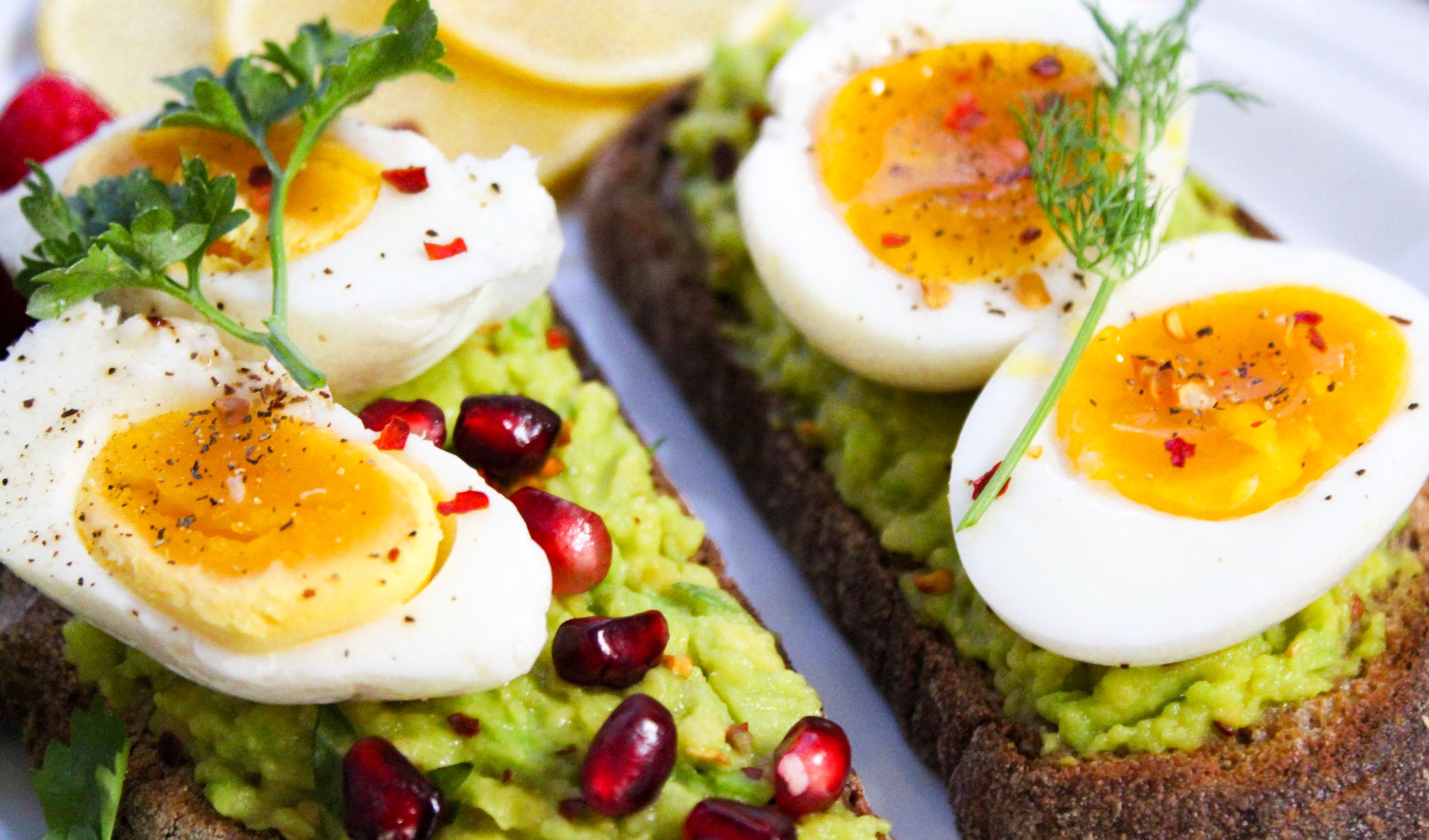
Eggs used to be blamed for cholesterol concerns, but their reputation has become more balanced. They provide protein, vitamin B12, selenium, choline, and nutrients that support eye health.
The bigger issue is often what comes with the eggs. Eggs with spinach, tomatoes, avocado, or whole-grain toast are very different from eggs served beside greasy sausage and fried potatoes.
Eggs can help make breakfast more filling. They are simple, affordable, and easy to build into a balanced meal.
Potatoes Are Better Than Their Carb Reputation
Potatoes are often treated like the enemy because they are starchy. But a plain potato can provide potassium, vitamin C, fiber when eaten with the skin, and steady energy.
The cooking method changes everything. A baked potato is not the same as fries covered in salt and dipped in heavy sauce.
Top a baked potato with beans, salsa, Greek yogurt, herbs, or vegetables. Suddenly, it becomes a filling meal instead of a guilty side dish.
Coffee Is More Than a Morning Crutch

Coffee is often called a bad habit because many people rely on it to get through busy mornings. But plain coffee contains natural plant compounds and can fit into a healthy routine.
The problem usually comes from what gets added. A simple cup of coffee is not the same as a giant flavored drink packed with syrup, whipped cream, and sugar.
Coffee works best when kept simple. It should support the morning, not replace sleep or become a liquid dessert.
Peanut Butter Can Be a Filling Nutrient Boost
Peanut butter feels rich and indulgent, but it can be useful in the right amount. It contains plant protein, healthy fats, fiber, and important nutrients.
A spoonful can make apples, toast, smoothies, or bananas more satisfying. That helps reduce the urge to keep snacking.
The best peanut butter is simple. Look for peanuts and maybe salt, not a long list of added sugars and processed oils.
Greek Yogurt Feels Creamy but Works Hard
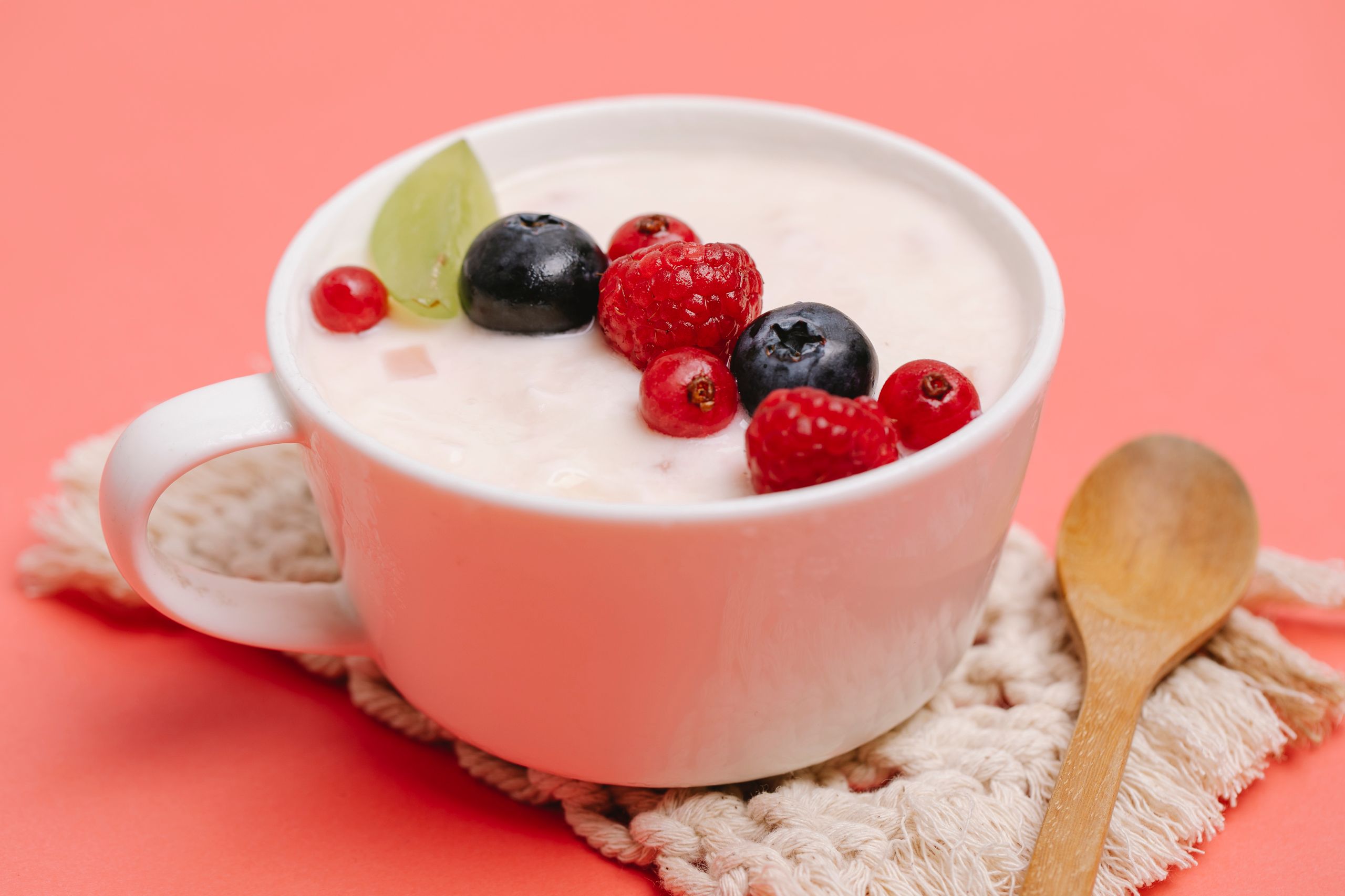
Greek yogurt tastes creamy enough to feel like a treat. But plain Greek yogurt can provide protein, calcium, and live cultures, depending on the brand.
It works for breakfast, snacks, smoothies, dips, sauces, and even as a sour cream substitute. That makes it one of the most flexible foods in the fridge.
The key is choosing plain versions. Many flavored yogurts contain so much added sugar that they act more like dessert.
Cheese Can Belong on a Healthy Plate
Cheese is criticized for being rich, salty, and easy to overeat. Still, it can provide protein, calcium, phosphorus, and plenty of flavor.
A small amount of feta, Parmesan, mozzarella, cottage cheese, or sharp cheddar can make vegetables, salads, soups, and grain bowls more satisfying.
The secret is using cheese as a flavor booster. A sprinkle is very different from a meal buried under melted cheese.
Chili Peppers Bring Heat and Useful Plant Compounds

Chili peppers do more than make food spicy. They contain capsaicin, the compound that gives peppers their heat.
Capsaicin is also used in some topical pain relief products, which shows how powerful this plant compound can be.
In meals, chili peppers can add bold flavor without needing heavy sauces or too much salt. They work well in eggs, beans, soups, stews, marinades, and roasted vegetables.
Sardines Are Tiny Fish With Big Nutrition
Sardines may not look glamorous, but they are packed with nutrition. They provide protein, omega-3 fatty acids, vitamin D, calcium, and other minerals when eaten with the soft bones.
They are also affordable and shelf-stable. That makes them easier to use than many types of fresh fish.
Try them on whole-grain toast, in pasta, in salads, or with lemon and herbs. Their strong flavor improves greatly when balanced with bright, fresh ingredients.
Conclusion
Healthy eating does not mean removing every food that brings comfort, flavor, or nostalgia. It means choosing smarter versions more often.
Popcorn, dark chocolate, eggs, potatoes, coffee, peanut butter, Greek yogurt, cheese, chili peppers, sardines all prove that food reputations can be misleading.
The best diet is not built on fear. It is built on balance, better portions, and easy-to-repeat choices.