Grocery stores are more than just aisles filled with produce and snacks; they are microcosms of human behavior. Every visit offers an opportunity to observe diverse shopping styles, habits, and quirks that can shape your experience. From efficiency masters to impulsive spenders, understanding the variety of shoppers around you can make navigating a busy store less stressful and even oddly entertaining.
Each type of shopper brings a unique rhythm to the aisles. Some are meticulous planners with precise lists, while others wander aimlessly, drawn by displays and promotions. Recognizing these patterns not only helps in avoiding long waits but also offers insight into how people prioritize needs, desires, and efficiency during their grocery trips.
The Bulk Hoarder
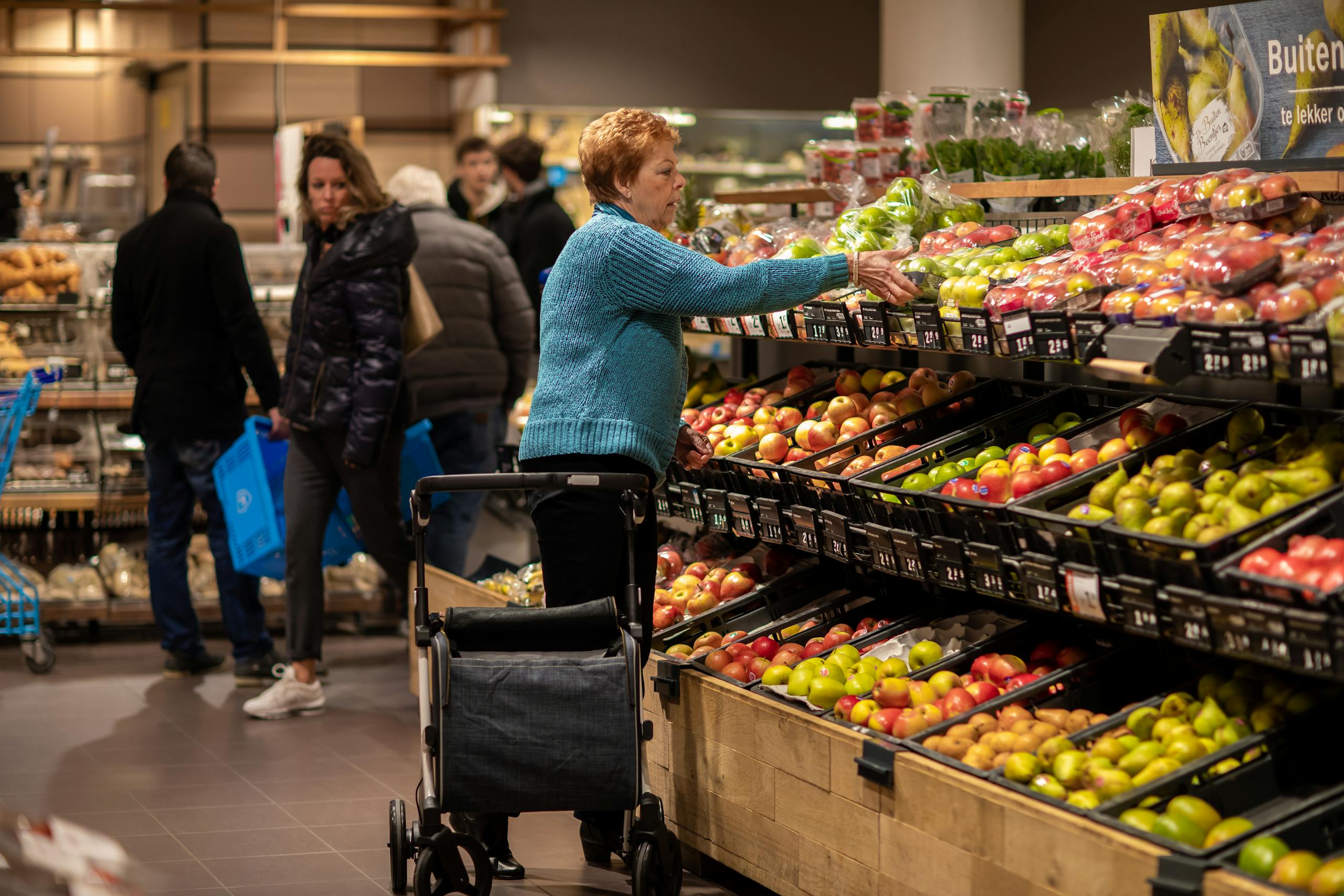
The bulk hoarder treats the store like a stockroom, filling carts with multiples of every item imaginable. They often buy in quantities that suggest preparation for extended isolation, stocking up on snacks, canned goods, and toiletries as if anticipating a sudden scarcity. This type of shopper is typically organized yet relentless, checking expiry dates and comparing prices meticulously to maximize long-term value.
Observing a bulk hoarder can provide lessons in inventory management and strategic purchasing. Their decisions are rarely impulsive; they plan weeks ahead, often calculating storage space and meal-planning efficiency. While they may slow down the aisles, their dedication to securing essentials exemplifies a disciplined approach to consumption and preparation.
The One-Stop-Shopper
These shoppers are efficient navigators who aim to cover all daily or weekly needs in a single visit. They glide through aisles with a clear agenda, selecting items for breakfast, lunch, dinner, and household necessities with minimal hesitation. Speed and purpose define their behavior, and they often prioritize convenience and time over hunting for bargains or sampling products.
Their methodical approach demonstrates how planning and list-making can optimize grocery trips. They frequently use express lanes, scan digital store apps for product locations, and leverage loyalty programs to be more efficient. By streamlining purchases, they minimize decision fatigue while ensuring all essential needs are met in a single outing.
The Card-First Shopper
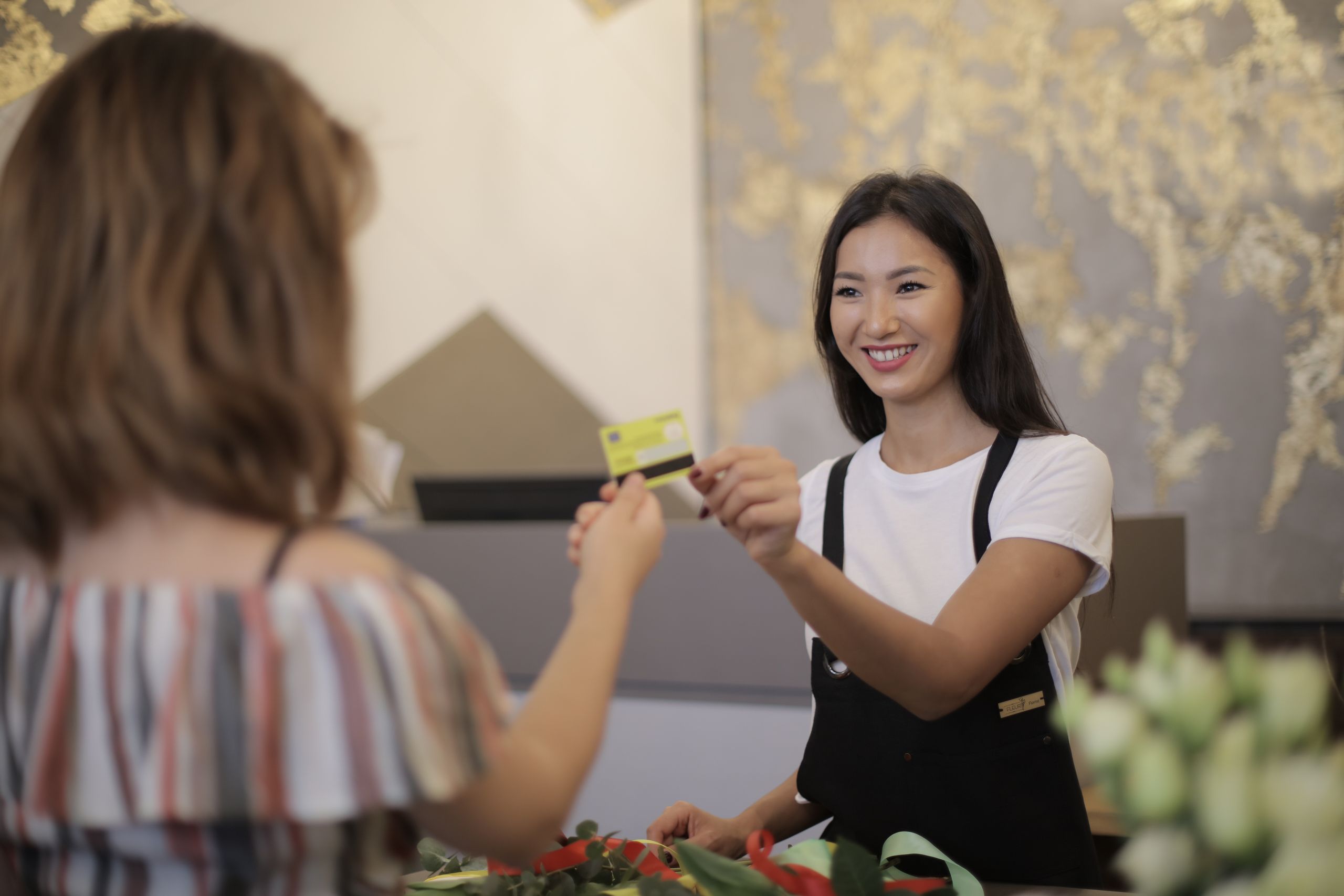
For the card-first shopper, loyalty and discount cards dictate the pace of the trip. These individuals meticulously scan for applicable deals, often flipping through digital coupons or store apps before selecting items. Every purchase is evaluated not only for necessity but also for potential savings, combining frugality with strategic spending.
This shopper’s behavior highlights the psychological impact of incentives on buying decisions. Their focus on points, discounts, and cashback can drive careful calculation, making them slower at checkout yet more deliberate in purchases. Observing their methods can teach the importance of leveraging rewards programs to maximize value without overbuying.
The Coupon Strategist
Coupon strategists thrive on the thrill of maximizing perceived savings. They arrive prepared with stacks of paper or digital vouchers, meticulously matching discounts to eligible products. Each transaction becomes a puzzle, balancing the desire to economize with the temptation to overspend.
The coupon strategist’s approach showcases savvy financial planning and tactical decision-making. They often track store promotions and create mini shopping strategies, proving that strategic preparation can transform mundane errands into structured, goal-oriented activities.
The Free Sample Enthusiast

Free sample enthusiasts gravitate toward kiosks and tasting stations, sampling everything from artisan cheeses to new beverage launches. Their shopping style is exploratory, guided by curiosity and the opportunity to discover new products without financial commitment. They often use sampling to decide which products to introduce into their regular shopping rotation.
This behavior emphasizes experiential shopping and informed decision-making. Engaging with products firsthand reduces post-purchase regret and can increase long-term satisfaction. Observing this type can also highlight how stores use sensory marketing to subtly influence consumer behavior.
The Indecisive Planner
Shoppers in this category spend considerable time contemplating each aisle, evaluating options, and adjusting their shopping list in real time. While this behavior may frustrate those around them, it often leads to more thoughtful, intentional purchases. They balance budget considerations, nutritional needs, and preferences, aiming to optimize value with minimal waste.
The indecisive planner’s meticulous approach teaches the importance of foresight and strategic evaluation. Their method ensures no impulse decision goes unchecked, and their shopping reflects an intentional alignment with broader lifestyle choices or household needs.
The List-Focused Shopper
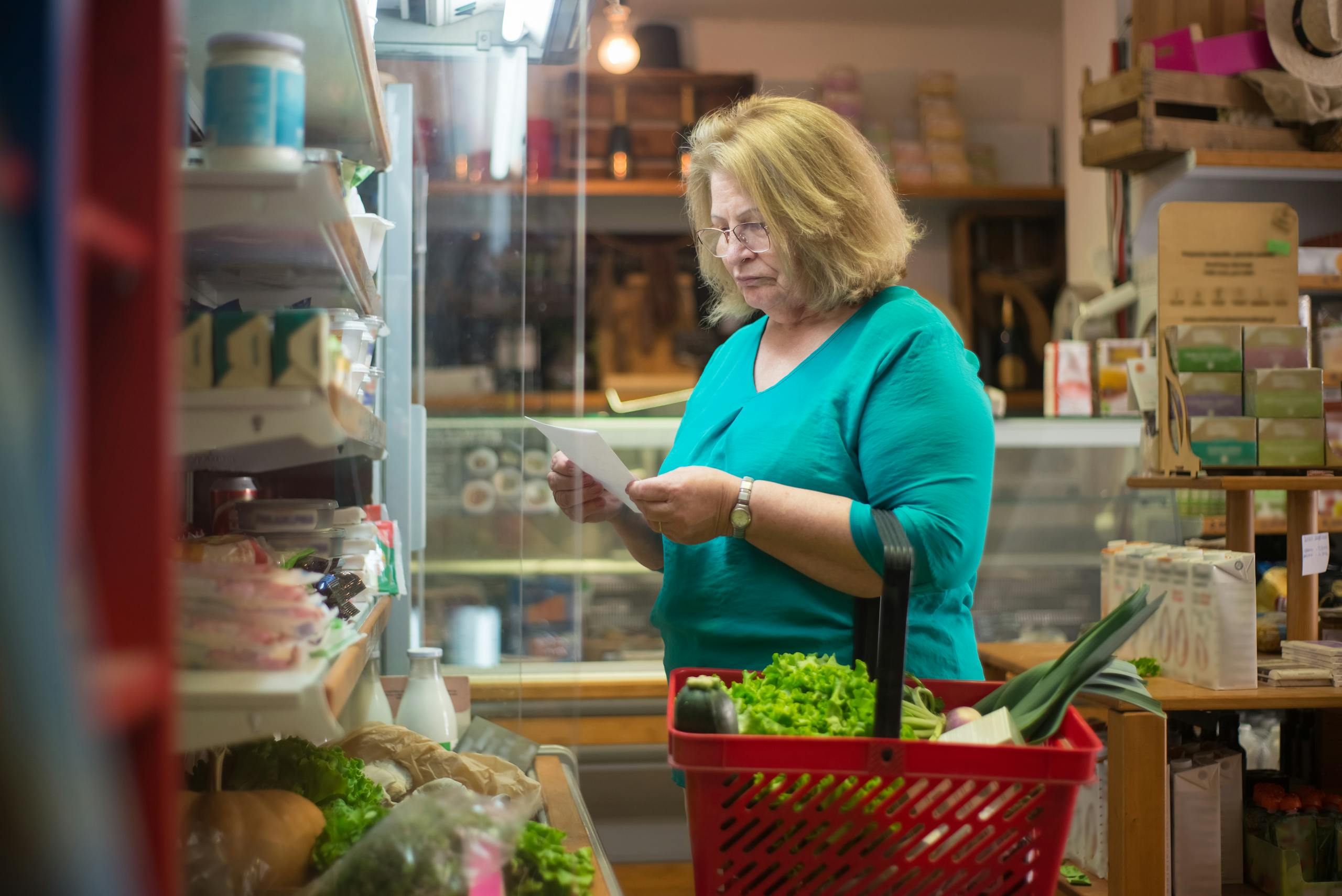
These individuals wield their shopping lists like a map, navigating aisles with a singular purpose. Their focus minimizes distractions and maximizes efficiency, often completing a full shopping trip in less time than their peers. The list-focused shopper prioritizes necessities, avoids unnecessary temptations, and ensures a systematic approach to acquiring essentials.
Their efficiency illustrates the power of structured planning. By adhering strictly to a predefined list, they reduce cognitive load, avoid impulse purchases, and often experience lower stress while shopping. This approach embodies practical organization and time management in a high-stimulus environment.
The Impulsive Buyer
Impulsive buyers are guided by immediate desires rather than premeditated needs. Their carts often contain a mix of planned items and spontaneous indulgences, from snacks to novelty products. Promotions, colorful packaging, and perceived scarcity can trigger unplanned purchases that sometimes lead to buyer’s remorse later.
The impulsive buyer’s behavior demonstrates the psychological triggers embedded in store layouts and marketing strategies. Recognizing these impulses can help others identify their own susceptibility to marketing cues, fostering a more mindful approach to shopping.
The Queue Strategist
Queue strategists treat checkout lines like tactical challenges, constantly scanning for the shortest line or fastest cashier. Their goal is to minimize wait time, often moving between registers or switching lines as needed. Patience is secondary to efficiency, and they excel at real-time assessment of dynamic environments.
Their methods reveal how situational awareness and adaptive thinking improve transactional efficiency. By observing their approach, other shoppers can better navigate peak-hour crowds and reduce unnecessary delays, applying situational assessment to everyday errands.
The Multi-Purpose Shopper
These shoppers combine grocery trips with other objectives, such as running errands, picking up office supplies, or preparing for social events. Their trips are multifunctional, balancing multiple priorities and often requiring flexible adjustments. They integrate convenience with necessity, optimizing time and resource allocation in a single outing.
Their strategy illustrates adaptability and holistic planning. By combining shopping with other daily tasks, they achieve more in fewer trips, reducing transportation costs, time spent, and the cognitive load associated with repeated store visits.
Conclusion
Grocery stores are dynamic social arenas reflecting diverse human behaviors. Recognizing the different types of shoppers can enhance your efficiency, patience, and strategic approach. Whether you emulate the list-focused shopper or learn from the bulk hoarder, understanding these patterns offers practical lessons for navigating not just the aisles, but daily life.