Stellantis Is No Longer Selling a Normal Comeback Story
The Stellantis turnaround plan does not read like a routine corporate refresh. It reads like a company trying to repair the damage left by weak cash flow, product confusion, dealership frustration, pricing pressure, and a North American business that could no longer rely on old loyalty alone. For years, Stellantis had some of the most recognizable badges in the auto world, but recognition does not guarantee momentum when customers feel squeezed, and competitors move faster.
The company’s nearly $70 billion push, officially built around its FaSTLAne 2030 strategy, puts Ram and Jeep back in the spotlight. That choice makes sense because those brands still carry emotional weight in the United States. Jeep sells adventure, identity, and rugged trust. Ram sells work, strength, and truck culture. Yet that same choice exposes the risk. If Ram and Jeep cannot deliver volume, quality, affordability, and confidence, the entire Stellantis turnaround plan becomes harder to believe.

The $70 Billion Push Is Really a Repair Bill.
Stellantis is investing from a place of pressure, not comfort. Its 2025 results showed how deep the reset had become, with falling revenue, a massive net loss, negative industrial free cash flow, and unusual charges tied to a strategic shift. That makes the new plan feel less like a victory lap and more like a repair bill for years of overreach.
The company is trying to fix several problems at once. It needs stronger products, cleaner platforms, healthier factories, better margins, and more affordable vehicles. It also needs to prove that its enormous brand portfolio can be managed with discipline instead of becoming a drain on capital. A turnaround this large does not succeed because an automaker spends heavily. It succeeds only if the spending lands in the right showrooms, at the right price, with the right quality, at the right time.
Ram and Jeep Now Carry the American Comeback
Ram and Jeep are not just product lines inside Stellantis. They are the American anchors of the company’s recovery story. That is why the Stellantis turnaround plan leans so heavily on them. If Ram regains traction with truck buyers and Jeep rebuilds its SUV momentum, Stellantis has a credible path back to stronger margins and dealer confidence.
But both brands face brutal competition. Ram has to fight Ford, Chevrolet, GMC, Toyota, and a truck market where buyers pay close attention to monthly payments, fuel costs, resale value, and reliability. Jeep has to defend its identity while competing against practical, polished SUVs from Toyota, Honda, Hyundai, Kia, Subaru, Ford, and General Motors. Nostalgia can bring people into the conversation, but it cannot close the sale by itself.
Jeep Has to Lead While Fighting a Trust Problem
The Jeep angle is the most dramatic part of the story because Jeep is being asked to help carry the comeback while also dealing with fresh quality pressure. A major recall involving more than 1.3 million Wrangler and Gladiator vehicles globally over fire concerns creates an uncomfortable contradiction. Stellantis needs Jeep to symbolize strength, but some Jeep owners are being told to park outside, away from buildings, until repairs are made.
That kind of warning cuts through marketing fast. Buyers may forget a trim package, but they remember a safety concern tied to fire risk. This is why the Stellantis turnaround plan cannot depend only on new launches and bold investment numbers. It must prove that Jeep can still be trusted in real driveways, not just celebrated in brand videos. The company’s recovery will be judged by how quickly it fixes quality concerns and how confidently buyers return afterward.

Ram Can Protect Margins, but Buyers Need a Reason to Return
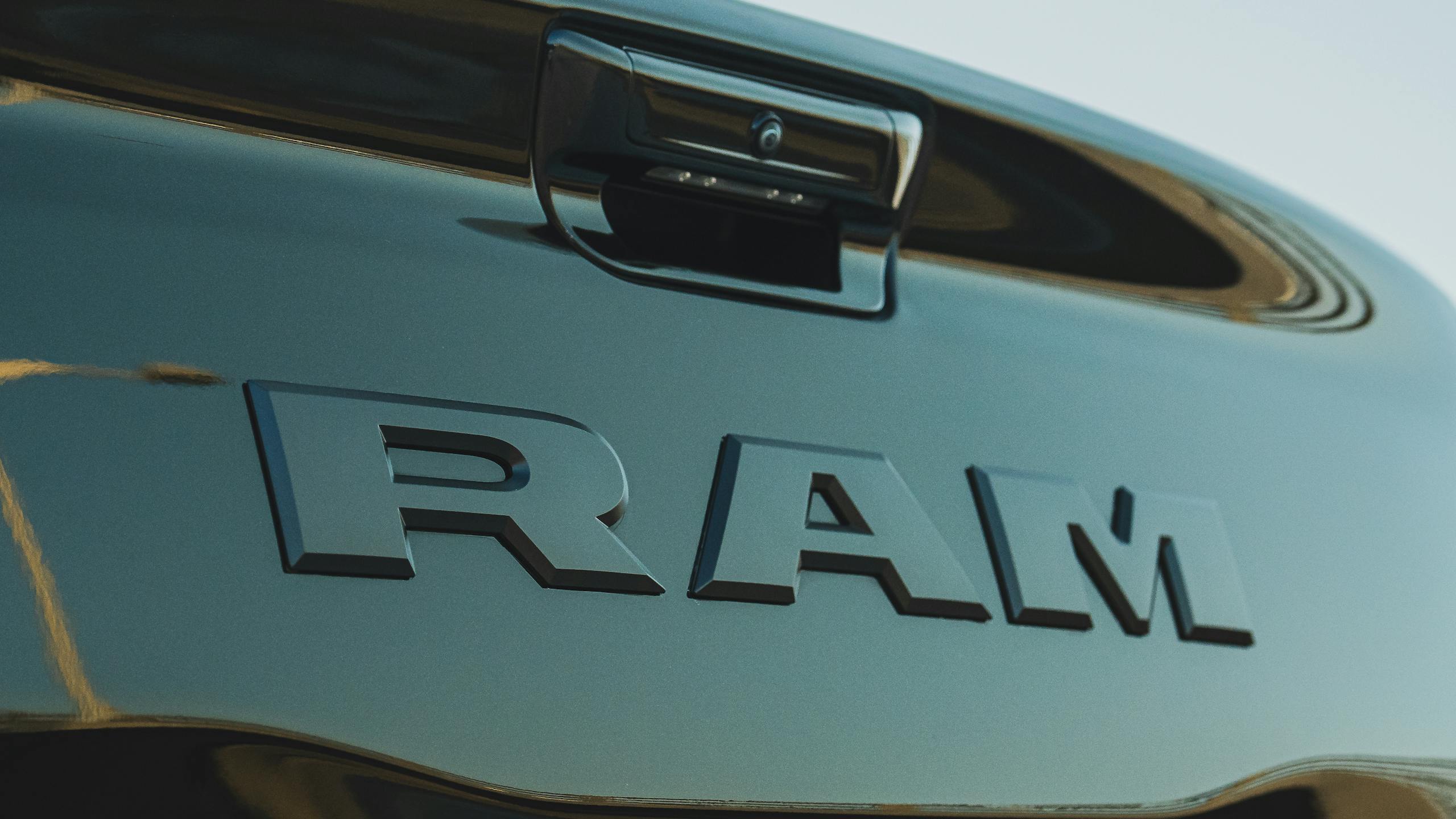
Ram may be the clearest profit lever in the plan. Full-size trucks remain one of the most valuable segments in the North American auto market, and a stronger Ram lineup can give Stellantis the cash engine it needs. The return of HEMI-powered Ram 1500 options also signals that the company is listening to buyers who felt pushed too quickly away from engines they trusted.
Still, Ram cannot simply return to old formulas and expect old results. Truck buyers are more financially cautious now. Higher interest rates, expensive insurance, and inflated transaction prices have changed the mood in showrooms. A powerful truck still matters, but value matters more than it did a few years ago. Ram has to feel capable, modern, durable, and financially sensible, or shoppers will keep comparing it against rivals with stronger perceived reliability and resale strength.

Affordability Is the Hardest Promise in the Plan
One of the smartest parts of the Stellantis turnaround plan is the renewed focus on more affordable vehicles. That matters because buyers have been pushed to the edge by high vehicle prices, large monthly payments, and rising ownership costs. A company that ignores affordability in this market risks losing customers before they ever reach a test drive.
The challenge is that affordability can hurt margins if it is not managed carefully. Stellantis has to build cheaper vehicles without making them weaker. It has to offer lower-priced models without training buyers to wait for discounts. It has to win back volume without flooding dealers with slow-moving inventory. That is a narrow road, and it may decide whether the comeback becomes profitable or simply busier.
STLA One Is the Hidden Bet Under the Whole Strategy
The public story may be Ram and Jeep, but the deeper industrial story is platform discipline. Stellantis wants STLA One and other global architectures to simplify production, reduce duplication, and help more vehicles share expensive engineering beneath the surface. That sounds technical, but it is one of the most important pieces of the plan.
A cleaner platform strategy can help Stellantis build faster, spend smarter, and avoid wasting capital across too many brands. The danger is that shared platforms can make products feel too similar if the company cuts too deeply. Jeep still has to feel like Jeep. Ram still has to feel like Ram. Chrysler, Dodge, Fiat, Peugeot, and Opel still need clear personalities. Efficiency only works if customers do not feel the cost-cutting from behind the wheel.

Not All Stellantis Brands Are Equal Anymore
The Stellantis turnaround plan quietly admits something important. Every brand may still have a role, but not every brand is receiving the same level of attention. Jeep, Ram, Peugeot, and Fiat now sit at the center of global investment. Pro One, the commercial vehicle business, also gets major strategic weight. Other brands are being pushed into more regional or specialized positions.
That does not automatically mean Chrysler, Dodge, Opel, Citroën, Alfa Romeo, DS, Lancia, and Maserati are finished. It means they have to justify their place with clearer identities. Chrysler cannot survive on memory alone. Dodge cannot depend only on muscle-car nostalgia. Alfa Romeo cannot remain a passionate brand that struggles for scale. Maserati cannot live on a luxury image without consistent product execution. Stellantis is not just rebuilding its business. It is deciding which brands deserve oxygen first.
Dealers May Decide Whether Customers Believe the Comeback
The turnaround will not be judged only at investor presentations. It will be judged at dealership desks, where customers ask why prices are high, why a recall notice arrived, why a model is delayed, or why a brand they once trusted feels harder to defend. Dealers are the front line of the Stellantis turnaround plan, and their confidence matters.
If Stellantis gives dealers stronger products, better pricing, cleaner inventory, and fewer quality headaches, the recovery can gain energy quickly. If the company delivers another wave of expensive trims, confusing launches, and service frustrations, dealers will carry the burden. A great strategy can die quietly on the showroom floor if the people selling the vehicles do not believe the story.
Early 2026 Signs Look Better, but the Cash Test Remains
Stellantis has shown early signs of improvement in 2026. Revenue rose in the first quarter, net profit returned, shipments improved, and North America became a stronger contributor. Ram also helped drive regional momentum. Those numbers matter because they show the company is not standing still.
Still, the cash picture keeps the story grounded. Industrial free cash flow remained negative in the first quarter, even though it improved from the prior year. That means the company still has to prove that stronger shipments can turn into a durable financial recovery. Investors will not judge the Stellantis turnaround plan by press releases alone. They will look for margin improvement, better cash generation, healthier inventory, fewer quality costs, and stronger market share where it matters most.

The Powertrain Strategy Is More Realistic Than Flashy
Stellantis is no longer acting as if a single powertrain will fit every market. The company is keeping battery-electric vehicles, hybrids, plug-in hybrids, range-extended options, and internal combustion models in play. That may sound less glamorous than a pure EV future, but it is more practical for the market Stellantis actually faces.
American truck buyers, European compact car buyers, South American pickup buyers, and Middle Eastern SUV buyers do not all want the same thing. Some want lower emissions. Some want familiar engines. Some want fuel savings without charging anxiety. Some want electric driving for short trips and gasoline backup for longer journeys. The best version of the Stellantis turnaround plan gives customers a choice without turning the product lineup into another confusing maze.
The Comeback Depends on Trust, Not Just Trucks
The strongest part of the Stellantis comeback story is also the most fragile. Ram and Jeep still matter. Dealers still have deep local reach. The company still has scale, factories, engineers, global brands, and enough investment power to change direction. Those strengths give Stellantis a real chance.
But the company’s problem is no longer awareness. People know Jeep. People know Ram. People know Dodge and Chrysler. The harder question is whether enough buyers still trust the ownership experience, pricing, quality, service network, and product decisions.
That is why this is bigger than a $70 billion investment plan. The Stellantis turnaround plan is a test of whether a giant automaker can become simpler, sharper, and more customer-focused before its strongest brands lose more ground. Ram can bring back truck buyers. Jeep can bring back SUV loyalty. STLA One can lower complexity. Affordable models can reopen the door for price-sensitive shoppers.
But none of it works without execution. Stellantis does not need another grand promise. It needs vehicles people want to buy, can afford to own, and feel proud to recommend after the first year. That is where the comeback will either become real or become another expensive corporate reset.