The McDonald’s Quarter Pounder looks like one of the simplest burgers on the menu. A sesame seed bun, a beef patty, cheese, onions, pickles, ketchup, and mustard do not sound like the beginning of a fast-food legend. Yet this burger has one of the strangest, smartest, and most revealing backstories in McDonald’s history.
We often treat the Big Mac as the celebrity burger and the Quarter Pounder as the serious one sitting quietly beside it. That is a mistake. The Quarter Pounder changed how McDonald’s sold beef, challenged how Americans understand value, exposed a hilarious math problem in fast food, and later became the chain’s biggest fresh-beef experiment.
It Was Created Because Adults Wanted A Real Burger

The Quarter Pounder did not begin as a corporate brainstorming exercise in a glass office. It started with Al Bernardin, a McDonald’s franchise owner in Fremont, California, who noticed a simple problem in the early 1970s. Adults liked McDonald’s speed and price, but many wanted a burger with more beef and less bun.
That insight mattered because McDonald’s had built much of its early empire on consistency, not size. The classic hamburger worked beautifully for kids, families, and quick lunches, but it did not always satisfy adults who wanted a heavier bite. Bernardin saw the gap and created a burger that felt less like a snack and more like a meal.
The First Quarter Pounder Was A Franchisee’s Bet
The Quarter Pounder arrived in 1971 at Bernardin’s McDonald’s locations in Fremont. That matters because it shows how many famous fast-food ideas did not begin as polished national launches. They began as local experiments by operators close enough to customers to notice what corporate menus sometimes missed.
Bernardin’s idea was bold because it asked McDonald’s customers to think differently about the brand. This was not a tiny burger built only for speed. It was a meatier sandwich with a name that turned weight into the selling point, and that single decision made it easier for people to understand the burger before they even tasted it.
It Became A National Menu Item In Just Two Years

The Quarter Pounder moved from a local California idea to the national McDonald’s menu in 1973. That two-year rise says a lot about how clearly the product connected with customers. It was easy to explain, easy to order, and easy to compare against the smaller burgers people already knew.
Fast-food chains love menu items that do not require a lecture. The Quarter Pounder had that advantage from day one. The name did half the marketing work because it told customers the patty size, the appetite level, and the reason to pay attention.
The Name Is Really A Built-In Advertisement
Most burger names try to sound fun, huge, spicy, premium, or nostalgic. The Quarter Pounder did something sharper. It used a measurement as a promise, turning the patty’s pre-cooked weight into the heart of the brand.
That is why the name has lasted for decades. Customers do not need to memorize a flavor profile or decode a slogan. They hear “Quarter Pounder” and immediately understand that this burger is supposed to be about beef first.
It Outsmarts The Big Mac On Beef

The Big Mac may be the more famous burger, but the Quarter Pounder is the more direct beef statement. The Big Mac wins in terms of architecture, with its three-part bun, special sauce, lettuce, cheese, pickles, and onions. The Quarter Pounder wins by making the patty the main event.
That difference changes the eating experience. A Big Mac is about layers and sauce. A Quarter Pounder is about the first bite of beef, cheese, onion, pickle, ketchup, and mustard hitting together, with no bun in between to interrupt the texture.
The Official Weight Is Before Cooking
One detail many customers miss is that the Quarter Pounder’s name refers to the patty weight before cooking. McDonald’s current U.S. menu language describes the burger as a quarter pound of beef before cooking, which equals 4 ounces. That matters because beef loses moisture and fat as it cooks.
This does not make the name misleading. It makes the name part of a standard food-service practice. Burger weights are commonly listed before cooking because raw weight is the consistent measurement restaurants can control before the patty hits the grill.
The A&W Third-Pound Burger Lost To Bad Fraction Logic
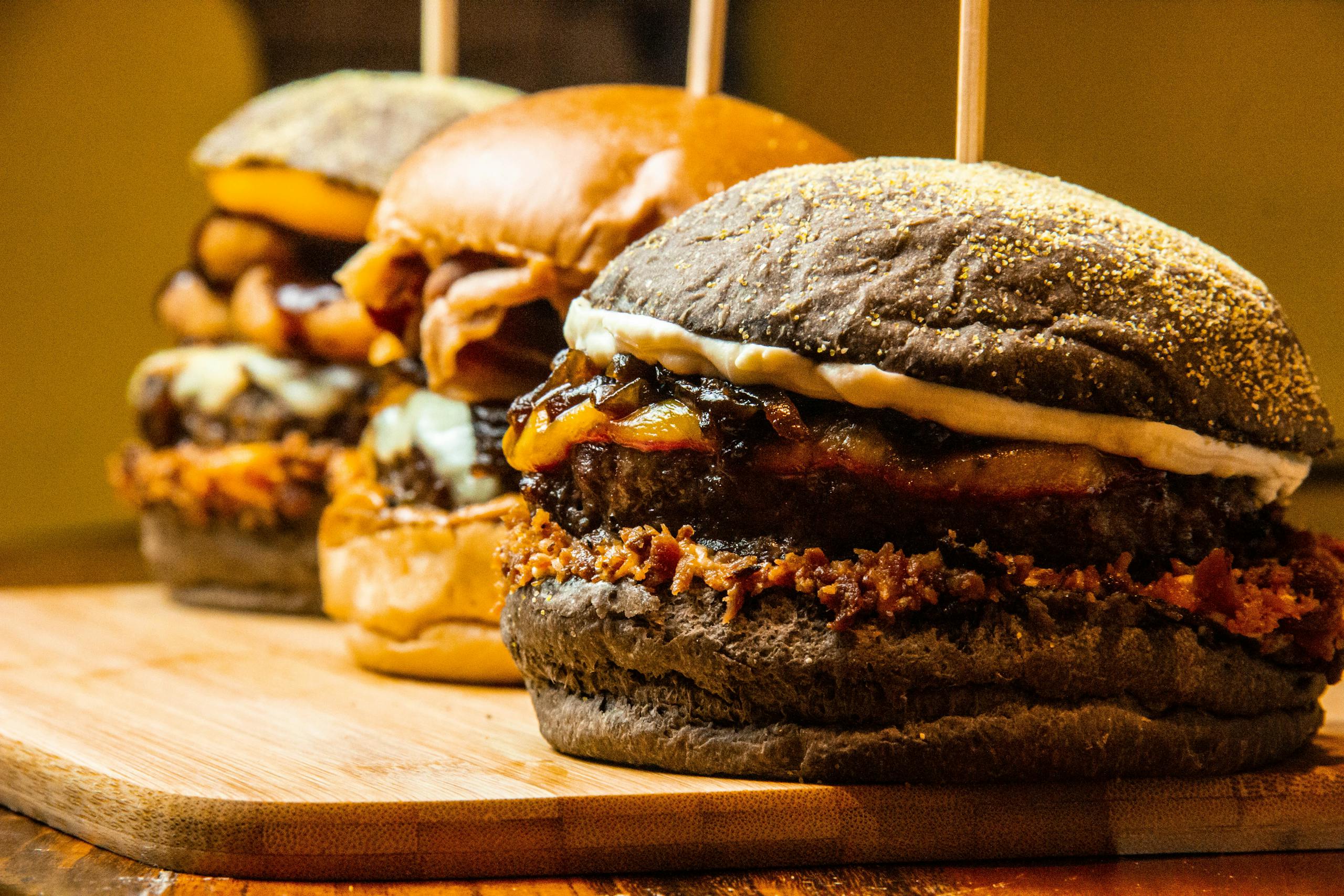
One of the funniest chapters in Quarter Pounder history involves a rival burger that should have been a serious threat. A&W once pushed a one-third-pound burger at a comparable price, giving customers more beef than a quarter-pound patty. On paper, that looked like a value win.
The problem was customer perception. Many people reportedly thought one-third of a pound was smaller than one-fourth of a pound because 3 is smaller than 4. That misunderstanding turned the Quarter Pounder into a strange winner in the burger wars, proving that marketing does not always lose to math. Sometimes it wins because people misunderstand math.
The Fresh Beef Upgrade Changed The Burger’s Reputation
For years, McDonald’s fought the perception that its burgers were convenient but not especially fresh. The Quarter Pounder became the chain’s most visible answer to that criticism when McDonald’s moved its U.S. Quarter Pounder lineup to fresh beef at most restaurants in the contiguous United States. That shift gave the burger a new role inside the company.
The change was bigger than swapping one ingredient. Fresh beef required different handling, different kitchen timing, and a clearer promise to customers. The Quarter Pounder became the burger McDonald’s used to say it could still modernize its classics without abandoning the speed that made the brand famous.
It Is Cooked When Ordered In Most U.S. Locations
The fresh-beef version of the Quarter Pounder also changed how customers experience the wait. At many U.S. restaurants, the patty is cooked when ordered rather than simply pulled from a warmer, as customers might imagine older fast-food burgers being handled. That small delay can actually be part of the product’s appeal.
A hotter, juicier burger creates a different expectation. The Quarter Pounder no longer has to compete only on nostalgia or price. It can compete on the premise that a McDonald’s burger can feel freshly prepared without turning into a slow, premium-restaurant item.
The Fresh Beef Move Gave Sales A Major Lift
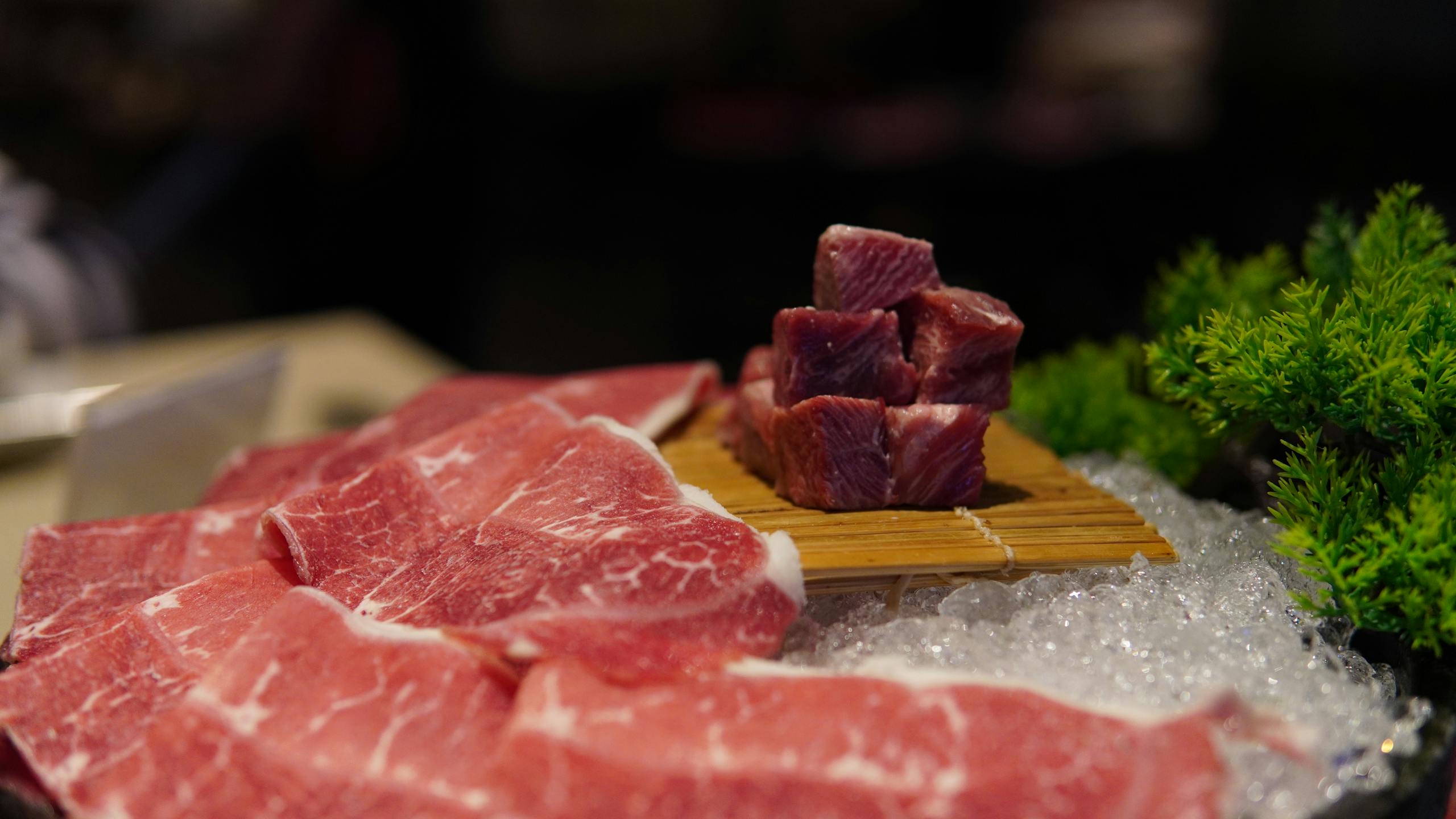
The fresh-beef upgrade was not just a public relations play. McDonald’s later reported a strong sales lift tied to the change, including a major increase in Quarter Pounder sales after the rollout. That gave the burger a second life in a market crowded with newer burger chains, gourmet fast-casual brands, and rivals that had long promoted fresh beef as a core advantage.
This is the part of the Quarter Pounder story that deserves more attention. McDonald’s did not need to invent a strange new burger to create momentum. It improved a familiar one, then used that improvement to remind customers that even an old menu item can feel new again.
Its Global Names Prove How Strange The “Quarter Pound” Idea Really Is
The Quarter Pounder name works beautifully in countries where pounds are familiar. In other places, it becomes a branding puzzle. Different markets have used names built around local language, local measurement habits, or a more general royal-style identity.
That is why the burger’s international names are so fascinating. A name that sounds obvious in the United States can sound confusing in a metric country. The product is the same basic idea, but the name has to convey size in a way that local customers instantly understand.
The 2024 Onion Outbreak Made It Part Of A Bigger Food Safety Story
The Quarter Pounder also became part of a major food-safety story in 2024 when U.S. health officials linked an E. coli outbreak to slivered onions served on McDonald’s Quarter Pounder burgers. Federal investigators later identified those onions as the likely source, not the beef patties themselves. The outbreak ended after recalls and supply changes, but it showed how one ingredient can pull a famous menu item into a national investigation.
That chapter is uncomfortable, but it is part of the burger’s modern history. A sandwich this popular depends on a huge supply chain, and every slice of onion, pickle, bun, cheese portion, and beef patty has to move through that system safely. The Quarter Pounder is simple on the tray, but behind the counter, it represents one of the most demanding food-service operations in America.
The Quarter Pounder Still Matters Because It Explains McDonald’s Strategy
The Quarter Pounder survives because it solves a problem McDonald’s still cares about. It gives customers a burger that feels bigger, beefier, and more adult without drifting too far from the brand’s basic identity. It is familiar enough for loyal customers and sturdy enough to carry upgrades like fresh beef, deluxe toppings, bacon, and double-patty versions.
That is why the Quarter Pounder deserves more respect than it gets. The Big Mac may have the pop-culture crown, but the Quarter Pounder is the clearer business lesson. It proves that sometimes the strongest fast-food idea is not louder sauce, taller stacking, or a wild limited-time topping. Sometimes it is simply giving people more of the thing they came for in the first place.