The conversation often starts quietly at a kitchen table, long after the dishes have been cleared. An older woman looks through old photos, medical bills, birthday cards, and bank statements, then says something small that carries years inside it. She does not always sound bitter. Sometimes she sounds tired, honest, and surprised by how many choices looked harmless when she was younger.
That is the emotional weight behind the choices women regret by their 70s. These regrets rarely stem from a single dramatic mistake. They usually grow from years of saying yes too quickly, waiting too long, keeping the peace, ignoring discomfort, or believing there would be more time later. A woman can build a family, hold a job, care for others, and still reach her 70s, wondering where parts of herself disappeared.
This is not about blaming women for surviving the rules they were handed. Many older women carried families through recessions, caregiving years, job changes, divorce, widowhood, rising prices, and health scares.
Their choices were often shaped by pressure, limited options, and the expectation that women should bend first. Still, those quiet decisions can create real costs by the time retirement, aging, and dependence enter the room.
Women have shaped the American workforce for generations, and women’s labor participation remains one of the biggest economic shifts in modern family life. Yet many still reach later life with less savings, more caregiving history, and fewer second chances. These are the life choices many women look back on with a sharper kind of honesty.
Making Money Choices Women Regret Later
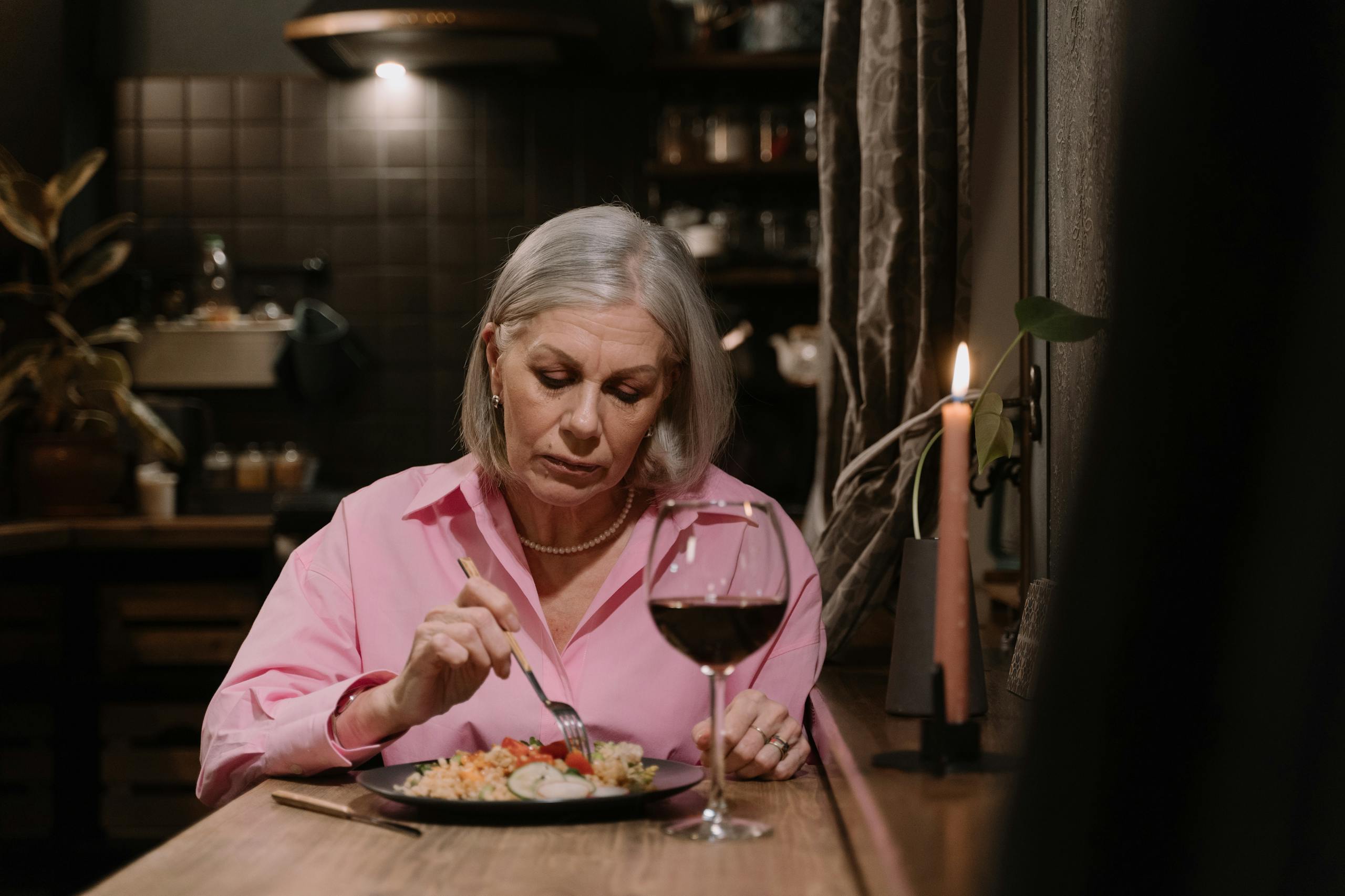
Many women reach their 70s wishing they had paid closer attention to money much earlier. They may have let a spouse handle all accounts, avoided investing because it felt intimidating, or believed that family stability mattered more than their own financial independence.
Those choices can feel loving in the moment. Later, they can leave a woman vulnerable after divorce, widowhood, illness, or a spouse’s poor planning.
The regret grows when retirement income feels smaller than the life she worked so hard to build. A woman may have raised children, helped adult kids, supported relatives, or stepped away from work during her caregiving years, only to discover how much those pauses affected her savings.
Research on retirement security gaps shows women often hold fewer retirement assets and face greater financial risk late in life. That can turn money into one of the most painful choices women regret.
Staying Too Long in Relationships That Drained Them
Some women look back and wish they had left a draining relationship years earlier. It may not have been loud or obviously abusive to outsiders. Sometimes it was a marriage filled with disrespect, loneliness, criticism, emotional distance, or endless sacrifice. From the outside, the home looked stable. Inside, one woman kept shrinking to keep the peace.
By the 70s, that regret can feel heavier because time becomes more visible. A woman may wonder how many holidays, friendships, career moves, vacations, or peaceful mornings she gave up to protect a relationship that never protected her. In older neighborhoods, rural towns, church communities, and tight family circles, leaving can carry social judgment. Staying can carry a quieter cost that lasts for decades.
Letting Friendships Fade While Caring for Everyone Else
Many women spend their busiest years keeping families alive and functioning. They drive children to school, check on aging parents, manage appointments, plan holidays, support spouses, remember birthdays, and handle the invisible work nobody claps for. Friendships get pushed to “later” because there is always another need in the way. Then, later, the phone arrives, and it’s quieter than expected.
That loneliness can hurt more in the 70s because social circles often shrink through retirement, relocation, illness, caregiving, and death. Health experts warn that older adults and adults living alone face greater risks of social isolation, which can affect both emotional and physical well-being. Many women regret treating friendship as a luxury rather than a means of survival.
Ignoring Health Problems Because Everyone Else Came First

A woman may spend years telling herself she is fine because someone else needs her more. She delays a checkup because a child has school fees. She ignores pain because her spouse is having surgery. She skips rest because the house, job, parents, and grandchildren all need attention. The body keeps score even when the family calendar looks impressive.
By the 70s, ignored health habits can become harder to reverse. Low energy, mobility problems, untreated pain, poor sleep, and preventable complications can steal freedom slowly.
Older women may regret not protecting their strength earlier, especially since exercise offers health benefits, including support for bone health, balance, muscle strength, and daily functioning. Taking care of everyone else should never require you to disappear from your own care list.
Giving Adult Children Money They Could Not Afford
Many mothers and grandmothers give because love tells them to. They help with rent, car repairs, groceries, school bills, weddings, divorces, grandchildren, and emergencies. Sometimes help is necessary. Other times, it becomes a pattern that drains retirement funds while adult children avoid hard decisions. Regret often sets in when the giver needs help and realizes her cushion is gone.
This choice can create quite a family tension. A woman may feel guilty saying no, especially if her children are struggling in expensive cities or paycheck-to-paycheck households. Yet every withdrawal from savings can reduce her future options for housing, medical care, transportation, or in-home support. Love without limits can become a bill that follows a woman into old age.
Apologizing for Aging Instead of Preparing for It
Many women spend decades being told to look younger, act younger, dress younger, and hide the evidence of time. That pressure can make aging feel like a personal failure instead of a normal stage of life. By the 70s, some women regret the years spent apologizing for gray hair, changing bodies, softer skin, slower mornings, or different needs. They realize shame stole energy that could have gone into preparation.
Preparing for aging is not the same as giving up. It means thinking honestly about housing, mobility, health care, documents, transportation, friendships, strength, and daily support. Women who spend years denying age may delay practical choices until a crisis forces them. That can leave adult children scrambling and the woman herself with fewer choices than she deserves.
Waiting Too Long to Build a Home That Supports Them

A house can hold memories and still become hard to live in. Stairs, narrow bathrooms, poor lighting, distant stores, unsafe sidewalks, and expensive repairs can turn a beloved home into a daily challenge. Some women stay because the house represents family history. Others stay because moving feels emotional, costly, or embarrassing.
By the 70s, the regret may come from waiting until a fall, illness, or financial shock makes the decision urgent. A woman may wish she had downsized earlier, moved closer to family, found a safer neighborhood, or made her home easier to navigate. For retirees on fixed incomes, the cost of waiting can be brutal. A home should hold memories, but it should not trap the person living inside it.
Letting Fear Keep Them in Bad Jobs
Many women look back and wish they had left a bad job sooner. They stayed for health insurance, children’s needs, mortgage payments, loyalty, fear of starting over, or the belief that being grateful mattered more than being respected. Some worked for managers who dismissed them, underpaid them, or treated their caregiving needs like a weakness. The paycheck arrived, but so did the stress.
Regret often surfaces later, once retirement reveals what years of strain have actually cost. A woman may realize she traded sleep, confidence, creativity, and health for a workplace that quickly replaced her. In families where women carried steady income for decades, leaving was never simple. Still, staying too long in the wrong place can become one of the choices women regret when they count the years they cannot get back.
Avoiding Hard Conversations About End-of-Life Plans
Many women spend their lives organizing everyone else’s needs, yet avoid discussing their own future care. They may not want to upset their children, talk about illness, name decision makers, or admit that independence may change. The silence can feel kind in the moment. Later, it can leave families fighting in hospital hallways, guessing at wishes, or making rushed choices under pressure.
This regret can take on both practical and emotional dimensions. Women may wish they had discussed medical preferences, legal documents, funeral plans, passwords, debts, keepsakes, and care expectations while they still had energy and clarity. Health care costs can consume a large share of older adults’ income, and Medicare health spending can still leave families facing real out-of-pocket pressure. Silence may feel peaceful, but planning is often the kinder gift.
Keeping Peace So Long They Lost Their Own Voice

Some women regret being “easy” for too many years. They avoided arguments, softened opinions, accepted unfair duties, forgave too quickly, and swallowed words that needed air. They told themselves peace mattered. Then they reached older age and realized some of that peace was built on self-abandonment. That realization can ache.
By the 70s, a woman may finally see how often she chose being liked over being honest. She may regret not asking for help, setting limits, changing direction, saying no, or naming what hurt. Financial pressure makes this harder, especially for women with limited savings, since emergency savings data show many adults still lack a strong cushion for a crisis.
The most painful choices women regret are often the ones that taught everyone else to be comfortable while she went unheard. Should people talk about this more honestly?