A home can feel safe until we realize how predictable our hiding spots have become. Many of the places people trust most are the same places burglars search first because they are quick, obvious, and easy to access under pressure.
The problem is not always carelessness. Most people hide valuables in convenient places to have quick access to cash, jewelry, passports, spare keys, medication, or important papers. That convenience is exactly what makes those spots risky.
If we want to protect valuable items at home, we need to stop thinking like the person who lives there and start thinking like someone who has only a few minutes to search. Burglars usually move fast, target bedrooms first, and look for items that are easy to carry, easy to sell, or easy to misuse.
Bedroom Drawers Are Too Predictable

Bedroom drawers are among the worst places to hide valuables because they offer almost no resistance. A thief does not need tools, time, or special knowledge to open a drawer and quickly search through clothing, socks, envelopes, boxes, and small pouches.
Many people hide cash, jewelry, passports, and spare cards in drawers because the space feels private. In reality, the bedroom is usually one of the first areas searched during a break-in. Drawers are especially risky because they are arranged in a way that makes searching simple, fast, and quiet.
If we use drawers for anything sensitive, the item should not be loose, visible, or stored in an obvious container. A lockable, anchored storage option is far safer than relying on a drawer that can be opened in seconds.
The Nightstand Is a First-Stop Target
The nightstand feels personal, which is exactly why it becomes a weak hiding place. People often keep watches, wallets, prescription bottles, rings, cash, phones, and small electronics close to the bed for convenience.
That habit makes the nightstand a high-value search point. A burglar who enters a bedroom does not need to guess much. The drawers beside the bed often hold the items people use at night and grab first in the morning.
A better approach is to keep daily-use items separate from high-value items. We can use the nightstand for low-risk essentials, but anything expensive, confidential, or hard to replace should be secured elsewhere.
Under the Mattress Is No Longer Clever
Hiding money under a mattress is one of the oldest home security mistakes. It may feel traditional, but that long history has made it one of the most obvious places to search.
A mattress can be lifted in seconds. Even if the cash is tucked inside an envelope, book, or fabric pouch, the location itself gives the secret away. Burglars know many people still hide emergency money near the bed because it feels close and accessible.
We should avoid storing cash, documents, jewelry, or spare cards under the mattress. Emergency funds belong in a more secure, fire-resistant, and less predictable location.
Closets Give Thieves Too Many Places to Search
Closets may look messy to us, but they are not confusing enough to stop a determined thief. Clothing pockets, shoeboxes, handbags, luggage, storage bins, and high shelves are all common hiding places.
A closet also gives burglars a chance to find multiple valuable items at once. Designer bags, watches, gift boxes, jewelry cases, spare electronics, and important files often end up in the same space. That turns the closet into a convenient collection point.
If we store valuables in a closet, the biggest mistake is leaving them in portable containers. A locked case that can be carried away is still vulnerable. Security improves when valuables are placed in a properly rated safe that is anchored and difficult to remove.
Purses and Handbags Are Easy Wins
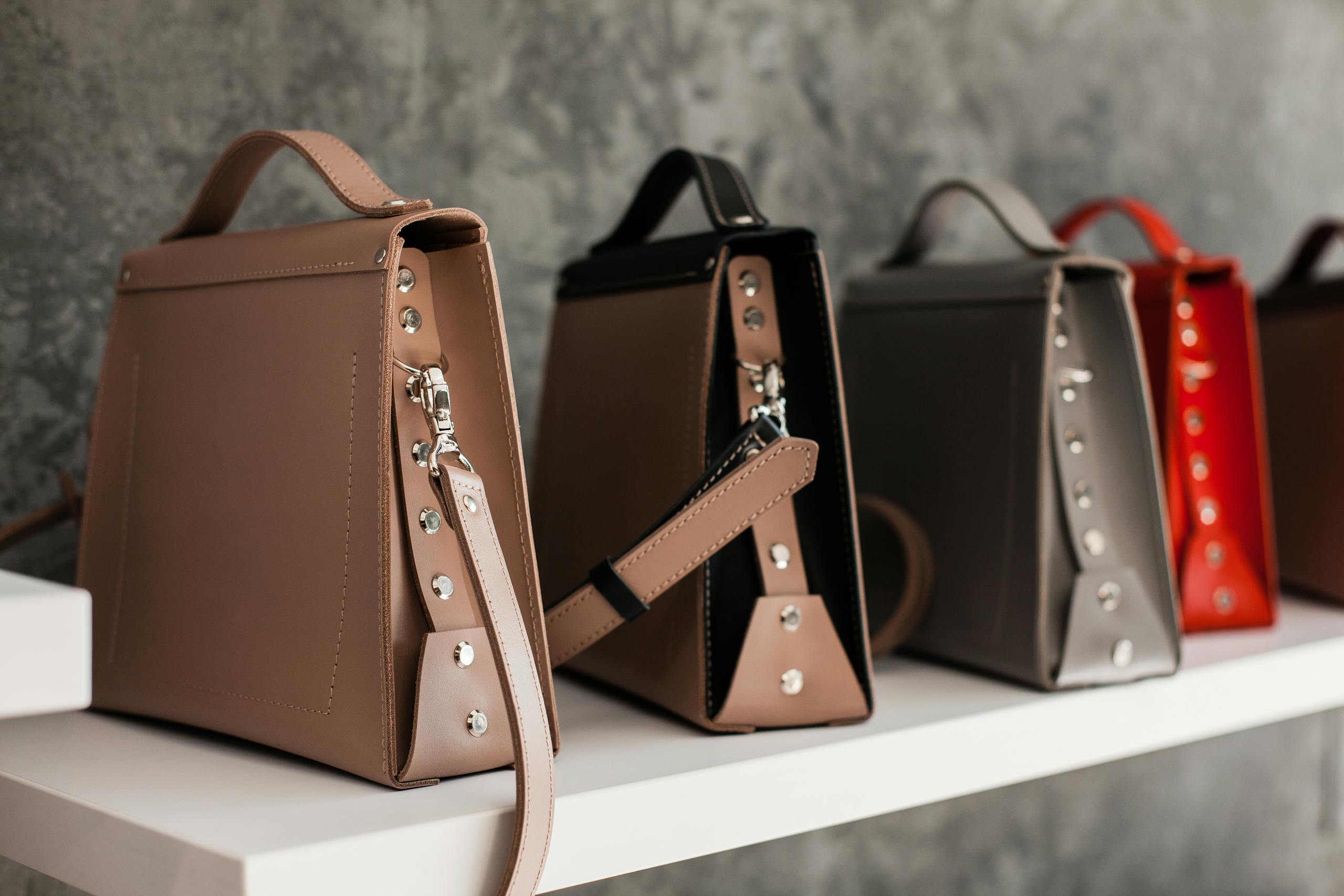
A purse is one of the easiest things to grab during a burglary. It can hold cash, credit cards, IDs, keys, receipts, medication, and sometimes jewelry or gift cards. That makes it useful to a thief even without a long search.
Leaving purses near the door, on a chair, beside the bed, or in an open closet increases the risk. A burglar may not need to search the whole house if a purse is already in sight.
We should avoid treating handbags as storage for valuables after arriving home. Cards, cash, and identification should be removed when possible, and bags should be stored out of sight rather than left near entry points.
Medicine Cabinets Attract the Wrong Attention
Medicine cabinets are risky because burglars may search them for prescription drugs. If valuables are hidden there, they can be discovered by accident during that search.
This space is especially poor for jewelry, cash, spare keys, small documents, or expensive personal items. Bathrooms are small, easy to search, and usually have limited storage, which makes unusual containers stand out.
Medication should be stored responsibly, especially if it has resale value or the potential for misuse. Sensitive prescriptions, personal documents, and valuables should be kept in secure storage rather than mixed into bathroom cabinets.
Low-Quality Safes Can Create False Confidence
A safe can be smart, but a cheap or lightweight safe can become a problem. A low-quality safe may look secure while offering weak locks, thin metal, poor hinges, or no real protection against removal.
The biggest mistake is buying a small safe and leaving it loose in a closet, under a bed, or on a shelf. If it can be carried, it can be stolen. A burglar does not need to open it inside the house when the whole safe can be taken away.
A better safe should be heavy, properly rated, and anchored to a solid surface. We should also consider fire resistance, water resistance, lock quality, and the value of what we plan to store inside.
Suitcases Are Built to Be Carried Away
Suitcases may seem like practical storage, but they are one of the worst places to hide valuables. Their entire purpose is portability, which makes them convenient for thieves, too.
Cash, jewelry, documents, watches, designer items, and electronics should not be stored in luggage unless the suitcase is locked inside a stronger secure area. Even then, suitcase locks are often designed for travel privacy rather than serious theft protection.
A suitcase can disappear in seconds. If we use one for storage, it should hold replaceable items, seasonal clothing, or travel accessories rather than anything of financial or emotional value.
Laundry Baskets Do Not Fool Determined Burglars
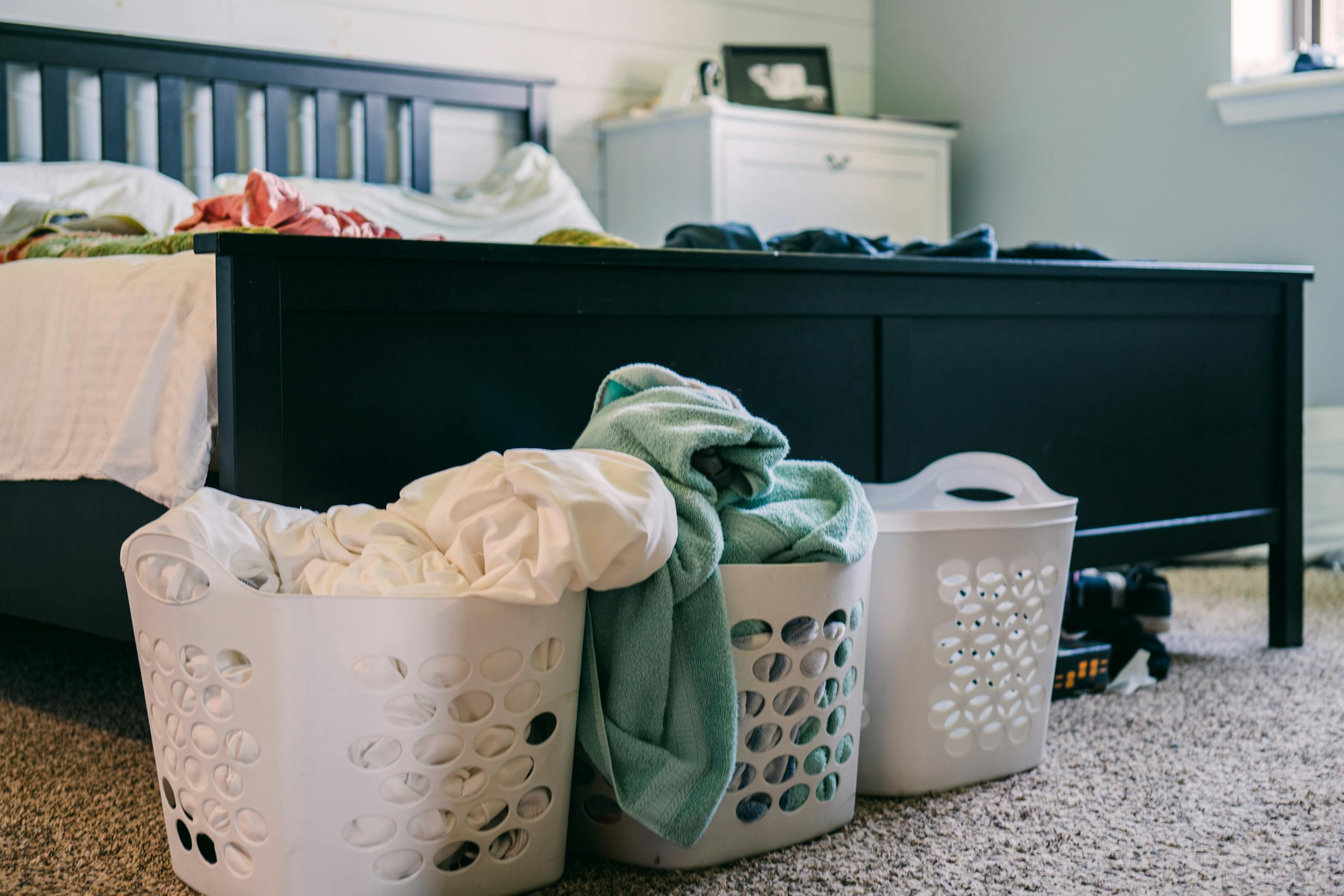
A laundry basket may seem unpleasant enough to discourage searching, but it is still a weak hiding spot. Dirty clothes are easy to move, and a thief looking for jewelry, watches, or designer items may quickly dig through them.
The bottom of a laundry basket is especially risky because people often hide small pouches, envelopes, and boxes there. Once that habit becomes common, the location stops being clever.
Laundry areas should not be used for important valuables. They are better reserved for everyday household items, not cash, documents, medication, or sentimental jewelry.
The Garage Is Usually Too Exposed
Garages often hold expensive items, but many are not as secure as the main living space. Tools, bicycles, power equipment, storage boxes, sports gear, and car accessories can attract thieves even without access to the rest of the home.
The garage is also risky because people use it as overflow storage. Important documents, collectibles, old electronics, and keepsake boxes can end up there without proper protection. Temperature changes, moisture, pests, and dust can damage valuables even without theft.
If we must store items in a garage, they should be low-risk, clearly inventoried, and placed in locked cabinets where appropriate. High-value items belong in more secure indoor storage or in a properly protected external structure.
Refrigerators and Freezers Are Risky Hiding Spots
Some people hide valuables in refrigerators or freezers because the idea feels unexpected. The problem is that this trick has become familiar. A thief may check food containers, freezer bags, tins, and unusual packages if they suspect hidden cash or jewelry.
Cold storage also creates practical problems. Moisture, condensation, spills, and power outages can damage paper money, documents, photographs, and delicate items. Even if no one steals the item, the hiding place can ruin it.
We should avoid putting valuable items in food storage areas. If something needs protection, it should be secured in a proper container designed for that purpose, not hidden behind frozen food.
Backyards Are Too Easy to Forget and Too Hard to Protect
Burying valuables in the backyard sounds dramatic, but it is rarely practical. Weather, soil movement, landscaping work, pets, pests, and memory all create problems. Over time, a “safe spot” can become hard to locate.
Outdoor hiding also creates damage risks. Moisture can destroy documents, corrode metals, stain cash, and weaken containers. A buried item may survive theft but still become unusable.
If we are protecting cash, jewelry, legal documents, or family heirlooms, the backyard is not the answer. Secure indoor storage, bank storage, or insured professional protection is far less risky than giving away personal information.
We should keep only the necessary driving documents in the car and remove valuables at the end of each trip. A vehicle should never become a second storage room for important belongings.