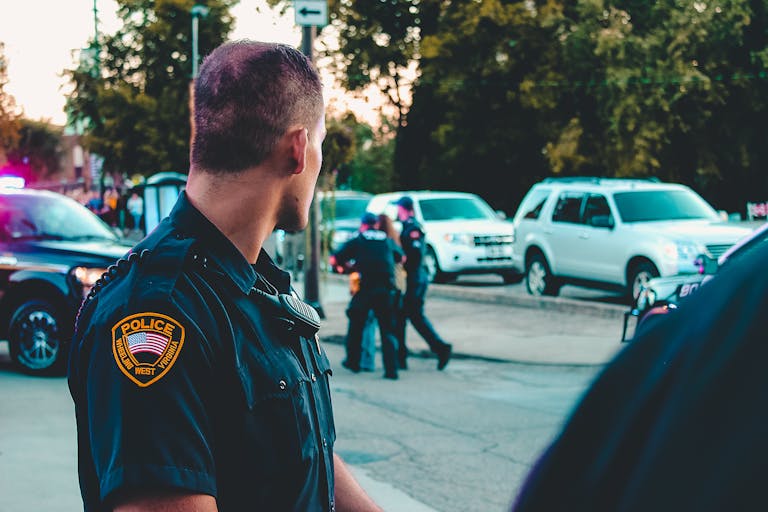
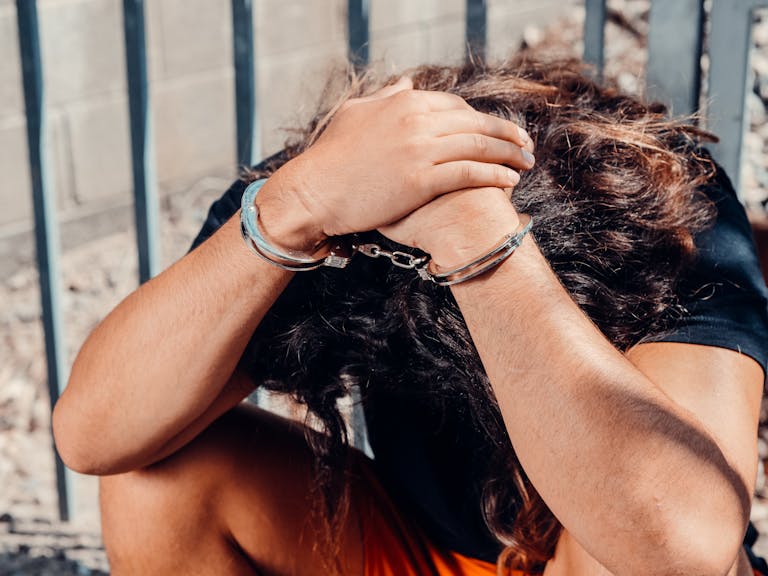
America is facing a complex intersection of social and spiritual challenges that few are openly addressing. Rising inequality, widespread disconnection, and shifting cultural norms are reshaping how communities engage with faith and shared moral frameworks.
These ten social problems are not just societal issues; they are feeding spiritual crises that threaten the cohesion, resilience, and purpose of communities nationwide.
Fractured Family Units

Family structures have long served as a foundation for transmitting values and fostering spiritual growth. Today, increasing divorce rates, economic pressures, and dual-income households create fragmented home environments. Children often experience inconsistent exposure to spiritual practices, leaving moral and ethical lessons unevenly instilled.
The weakening of familial faith traditions has broader societal consequences. Communities lose the intergenerational transmission of beliefs that historically anchored ethical frameworks. Leaders warn that without strong family foundations, the social fabric becomes more vulnerable to alienation and moral drift.
Fragmented households also contribute to diminished support networks. Children growing up without consistent spiritual modeling may struggle to find a sense of communal belonging. This disruption extends beyond personal development, influencing civic engagement and neighborhood cohesion.
Digital Isolation
The omnipresence of social media, streaming platforms, and smartphones has transformed the rhythm of daily life. While digital connectivity can provide information, it often replaces meaningful human interaction and reflection. Spiritual and communal engagement requires presence and attention, qualities increasingly eroded by constant online distraction.
Digital isolation has implications for emotional and spiritual health. Individuals may turn to virtual spaces for validation rather than the real-world community, thereby weakening social bonds. Faith leaders note that spiritual practices such as prayer, reflection, and ritual thrive in shared, attentive spaces that digital environments rarely provide.
This shift affects the continuity of collective moral and ethical values. Communities once bound by shared rituals now risk fragmentation. The challenge becomes whether society can sustain meaningful communal practice amid pervasive virtual engagement.
Widening Economic Inequality
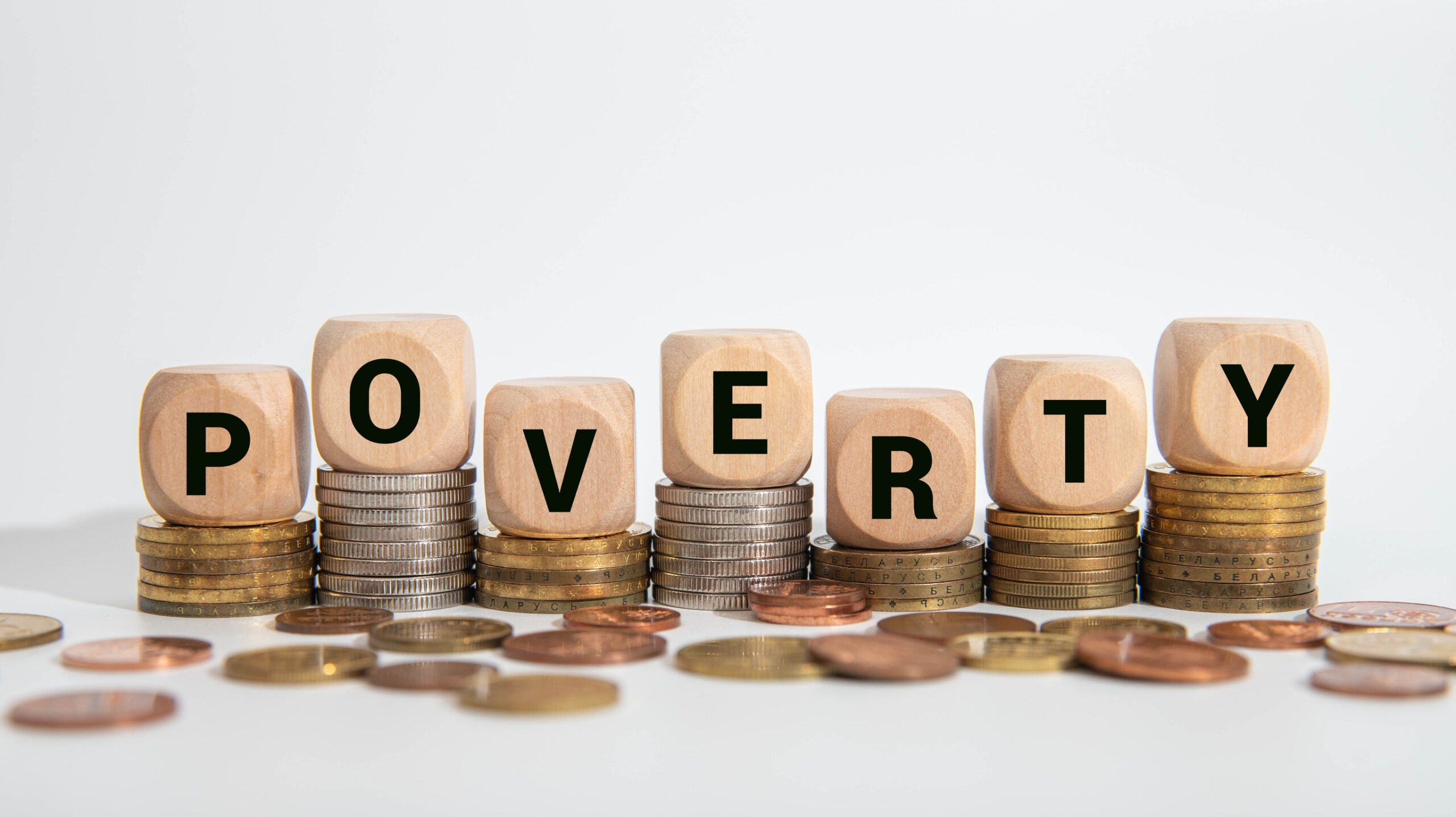
Income disparity and financial instability have profound social and spiritual ramifications. Poverty limits access to education, healthcare, and opportunities for community participation, leaving individuals and families isolated from networks that foster moral and spiritual development.
Economic stress often leads to moral compromise and ethical fatigue. People struggling to meet basic needs may prioritize survival over reflection, service, or spiritual engagement. Leaders caution that these pressures contribute to broader spiritual crises, as communities lose shared commitment to ethical action.
Inequality also amplifies social fragmentation. Segregated neighborhoods, unequal resources, and diminished community programs erode the bonds that sustain collective spiritual life. Addressing economic disparities is therefore critical to maintaining societal and moral cohesion.
Escalating Substance Abuse
Rising substance abuse, including alcohol, opioids, and other drugs, has disrupted families, workplaces, and communities across the country. Addiction undermines personal responsibility, weakens relationships, and diminishes engagement with communal or spiritual practices.
Faith leaders observe that spiritual guidance is often overlooked in prevention and treatment programs. Individuals grappling with addiction may feel alienated from supportive communities. This disconnection exacerbates social and spiritual challenges, creating cycles of despair and isolation.
The broader societal impact is significant. Communities with higher rates of substance abuse experience weakened trust, reduced volunteerism, and diminished civic participation. Addressing addiction is therefore both a social imperative and a spiritual one.
Erosion of Trust in Institutions

Public confidence in government, religious organizations, and civic institutions has declined sharply. Scandals, financial mismanagement, and perceived hypocrisy have contributed to widespread skepticism. Individuals increasingly question the authority and credibility of organizations that historically guided moral and social behavior.
Declining trust diminishes civic engagement and community participation. People disengage from volunteer work, public service, and faith-based initiatives. Leaders warn that a loss of institutional credibility undermines collective ethical guidance and contributes to spiritual uncertainty.
The erosion of trust also amplifies social polarization. Communities fragment as shared values are replaced by self-interest and ideological divides. Restoring confidence in institutions is therefore critical to addressing both social and spiritual crises.
Rising Mental Health Challenges
Mental health struggles, including anxiety, depression, and stress, are becoming increasingly widespread. These conditions impact interpersonal relationships, professional performance, and engagement with spiritual or community life. Individuals experiencing prolonged emotional strain may lose connection to meaning and purpose.
Faith leaders note that mental health crises often coincide with spiritual disengagement. Without structured support or guidance, emotional distress can exacerbate moral confusion and social withdrawal. Communities suffer when collective resilience is weakened by widespread psychological strain.
Mental health challenges intersect with other social problems. Substance abuse, economic stress, and digital isolation intensify emotional strain. Addressing mental health is therefore a crucial component of stabilizing both social and spiritual well-being.
Moral Ambiguity in Popular Culture

Media, entertainment, and online platforms increasingly present ethical questions as negotiable. Moral lines are blurred in television, film, and social media, influencing societal perceptions of right and wrong. Individuals may adopt flexible ethical frameworks that conflict with traditional spiritual teachings.
Leaders warn that this cultural ambiguity weakens communal moral guidance. When norms are inconsistent, personal accountability diminishes. Social cohesion suffers as collective ethical standards lose clarity and influence.
The impact on spiritual life is significant. Individuals navigating fluid moral landscapes may feel disconnected from institutional or communal guidance. This contributes to the broader spiritual crises seen across multiple social domains.
Civic Disengagement
Participation in community and civic initiatives is declining. Lower voter turnout, reduced volunteerism, and disengagement from local programs indicate a broader detachment from shared societal responsibility. Faith and community organizations have historically anchored civic engagement, and their decline affects moral and social cohesion.
Disengagement also undermines the transmission of ethical and spiritual values. Individuals less involved in communal life miss out on opportunities for mentorship, role modeling, and collaborative problem-solving. Leaders caution that civic detachment accelerates both social fragmentation and spiritual erosion.
The consequences extend to governance, public service, and neighborhood resilience. Communities lacking active engagement struggle to sustain programs that reinforce collective well-being. Addressing civic disengagement is therefore a priority for both social and spiritual stability.
Social Isolation and Loneliness
Widespread social isolation, exacerbated by digital dependence and fragmented communities, contributes to emotional and spiritual crises. Loneliness diminishes empathy, reduces participation in community life, and erodes connections that sustain moral engagement.
Faith and community leaders emphasize that human connection is foundational to spiritual practice. Shared rituals, mentorship, and communal activities reinforce ethical frameworks and provide meaning. When isolation increases, these mechanisms weaken, leaving individuals vulnerable to moral and spiritual drift.
The effects are cumulative. Isolated individuals are less likely to volunteer, participate in civic initiatives, or maintain intergenerational connections. Combating social isolation is essential for sustaining cohesive, morally engaged communities.
Declining Intergenerational Spiritual Transmission

Younger generations are increasingly disconnected from traditional religious practices and moral frameworks. Parents may struggle to model consistent spiritual behavior, while digital culture and individualism offer alternative values.
This decline disrupts the transmission of ethical and spiritual teachings. Communities risk losing continuity in belief systems, moral guidance, and collective rituals. Faith leaders highlight that without intergenerational engagement, spiritual crises deepen and social cohesion diminishes.
The long-term impact is profound. Societies that fail to transmit values risk instability in ethical decision-making and community resilience. Addressing this challenge requires intentional efforts to connect generations and maintain shared moral frameworks.
Reflective Close
The ten social problems becoming spiritual crises reveal interconnected challenges that affect families, neighborhoods, and broader societal cohesion. Declining participation, rising isolation, economic stress, and moral ambiguity collectively erode both spiritual engagement and ethical guidance.
Communities, institutions, and families face urgent questions about how to restore trust, intergenerational guidance, and collective purpose. Addressing these issues requires deliberate action to strengthen connections, rebuild civic and communal engagement, and cultivate spaces for reflection and moral guidance.
The trajectory of America’s social and spiritual life depends on whether these challenges are acknowledged and acted upon decisively. Without intervention, the combined social and spiritual crises threaten to leave a generation navigating life without shared ethical frameworks or meaningful communal support.