A simple steak order has turned into a viral conversation about portion sizes, pricing expectations, and how far perception can drift from reality in today’s dining experience.
A LongHorn Steakhouse customer has gone viral after posting a TikTok video claiming that the 6-ounce steak he ordered looked significantly smaller than expected, triggering millions of views and a wave of debate about value, inflation, and shrinking portions in chain restaurants.
A Viral Steak That Didn’t Match Expectations
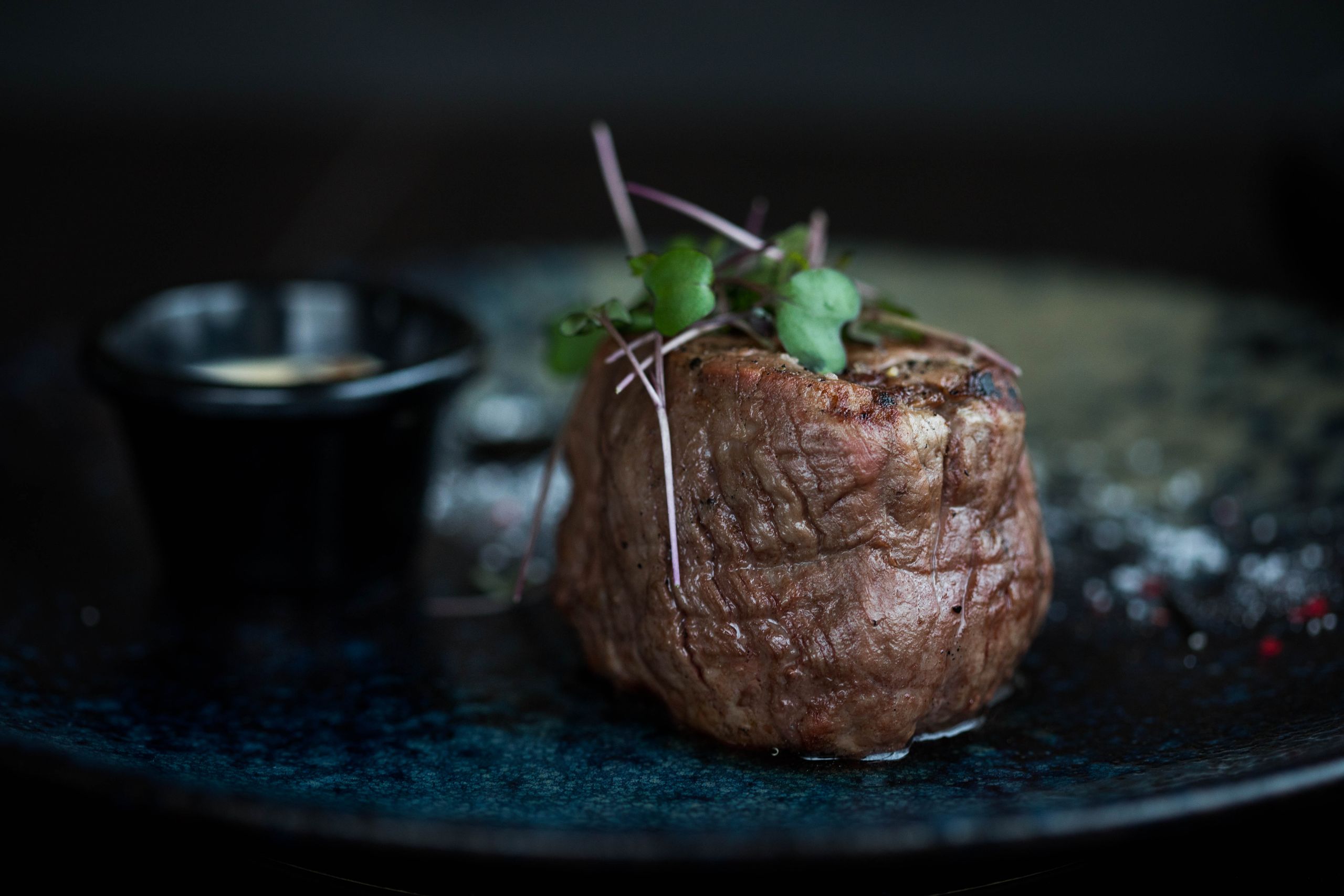
The short clip shows the customer pressing down on a small piece of steak while suggesting it appears closer to two or three ounces rather than the six ounces listed on the menu.
In the video, he adds captions criticizing the experience, claiming the restaurant tried to convince him that the portion was normal. He also connects the moment to rising food costs, suggesting customers are increasingly paying more while receiving less on their plates.
Within hours, the video spread widely across social media, gathering millions of views and turning a routine meal into a heated online debate.
What a 6-Ounce Steak Actually Means
Much of the confusion centers on what “6 ounces” actually represents.
In restaurant terms, steak weight is typically measured raw before cooking, not after it hits the grill. Once cooked, moisture loss naturally reduces the visible size of the cut, which can make the final plate appear smaller than expected.
That gap between raw measurement and cooked presentation often creates a perception problem. What sounds substantial on a menu can look noticeably different once it is served, even when it meets standard preparation guidelines.
Shrinkflation Enters the Dining Room Conversation
The viral reaction also reflects a broader concern that has been building among consumers: shrinkflation.
Once mainly associated with grocery store packaging, the idea that customers are getting less for the same or higher price is increasingly being applied to restaurant dining as well.
Viewers reacting to the clip tied the moment to that growing frustration, suggesting that portion sizes in some chain restaurants may feel smaller compared to past expectations, especially as menu prices continue to rise.
When Social Media Becomes the Court of Public Opinion
As soon as the video gained traction, it stopped being a personal complaint and became a public debate.
Social media users quickly weighed in, with some joking about the size of the steak and others sharing similar experiences at other restaurant chains. The comment section turned into a crowd-sourced comparison of dining value, where perception often mattered more than verification.
In today’s digital environment, a single short clip can quickly evolve into a wider judgment on industry standards, even without official confirmation from the restaurant involved.
The Gap Between Brand Messaging and Customer Experience
The discussion also highlights a familiar challenge for national restaurant chains: aligning corporate messaging with customer perception.
Parent company Darden Restaurants has emphasized value, quality, and generous portions across its brands previously. However, viral moments like this one show how quickly that messaging can be questioned when individual experiences appear to tell a different story.
At the time of the video’s circulation, there had been no public response from LongHorn Steakhouse addressing the specific complaint.
Why Steak Draws Stronger Reactions Than Most Meals
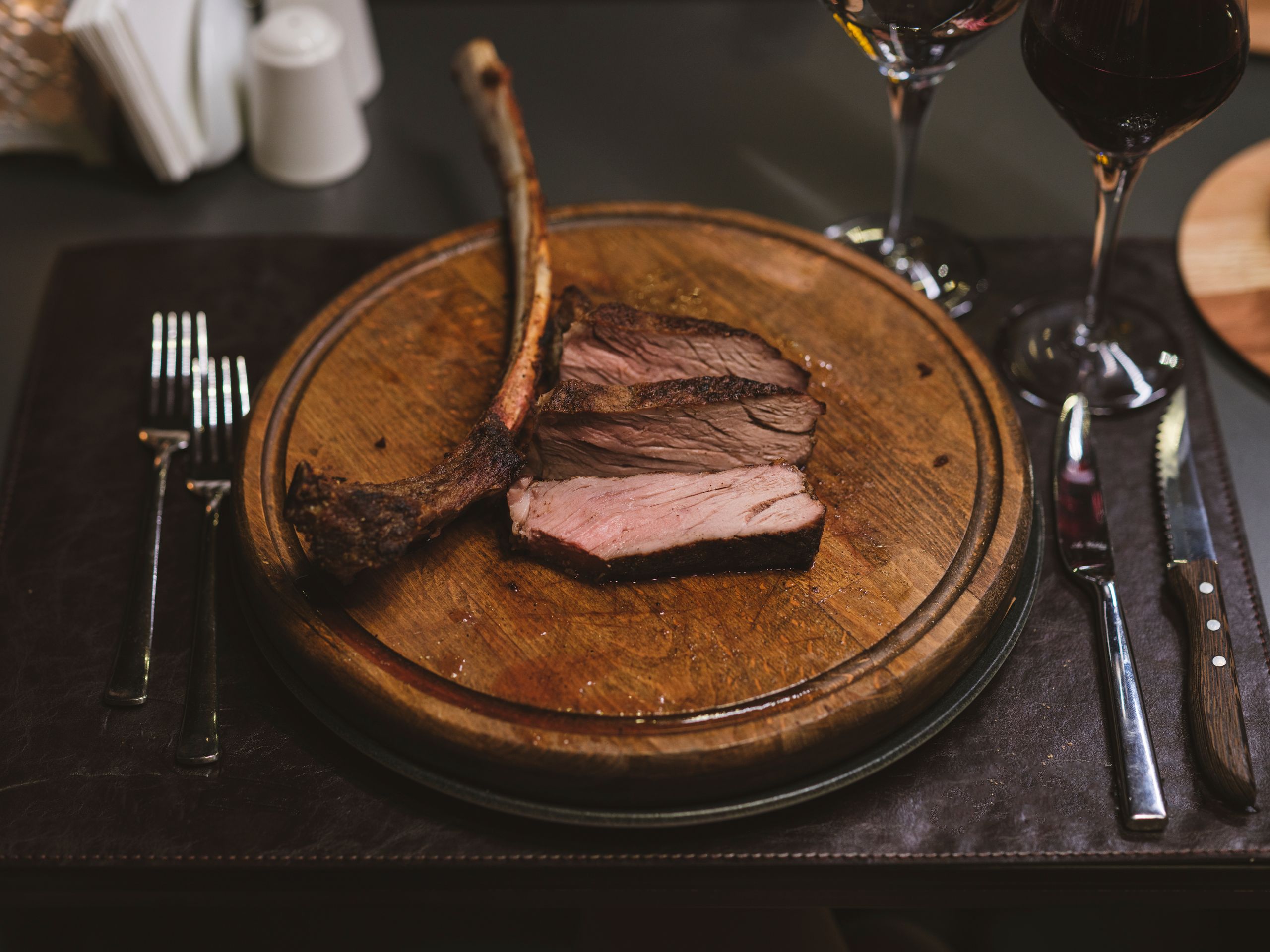
Steak carries a unique emotional weight in dining experiences.
It is often seen as a treat meal, something ordered when expectations are higher, and diners are more attentive to detail. It is also highly visual, making portion size immediately noticeable the moment it arrives at the table.
Because of that, even small perceived differences can trigger strong reactions, turning a simple meal into a broader conversation about fairness, value, and satisfaction.
A Small Order That Became a Bigger Conversation
What started as an eight-second video has grown into a larger discussion about how consumers evaluate value in an era of rising prices and shifting expectations.
Whether the portion was technically correct or not, the reaction shows how strongly perception now shapes dining experiences.
And in that sense, the story is no longer just about a steak. It is about trust, expectation, and what customers believe they are truly paying for when they sit down at the table.