Nearly three decades after six-year-old JonBenét Ramsey was found dead inside her family’s Boulder, Colorado, home, the case has again been pulled into the national spotlight. This time, the spark is not a suspect, confession, or laboratory match. It is a scandal inside the system the public depends on to turn microscopic evidence into courtroom truth.
Former Colorado Bureau of Investigation DNA analyst Yvonne “Missy” Woods pleaded guilty on June 23, 2026, to four felonies connected to manipulated and omitted laboratory data. Authorities say her misconduct did not affect the Ramsey investigation. Yet the scandal has revived a question that has haunted JonBenét’s father for years: Has every surviving piece of evidence been tested using the strongest available technology?
A guilty plea shook Colorado’s forensic system.
Woods admitted guilt to cybercrime, perjury, attempting to influence a public servant, and forgery. Under her agreement, she faces eight to 16 years in prison when sentenced on September 8. Prosecutors originally brought more than 100 counts tied to misconduct between 2008 and 2023. More than 1,000 cases have come under scrutiny, while state officials estimate the broader response could cost over $11 million.
Boulder police say a Colorado Bureau of Investigation review found no reason to believe Woods’ conduct affected the Ramsey homicide. The Boulder County District Attorney’s Office reached the same conclusion. Woods worked for the state laboratory beginning in 1994, but John Ramsey says important early testing in his daughter’s case was performed by an independent laboratory rather than Woods.
Even without a direct connection, the Woods case has intensified suspicion around forensic evidence. DNA science carries enormous authority, but it depends on careful documentation, quality controls, and honest handling. When an analyst admits to manipulating data, families in unresolved cases naturally ask whether every assumption should be checked. For Ramsey, the scandal is less a clue than a warning about institutions that can fail.
John Ramsey believes genealogy could identify the killer.
Ramsey argues that forensic genetic genealogy could transform unidentified DNA into a name. The method compares crime-scene DNA with profiles uploaded to genealogy databases, allowing investigators to build family trees and narrow possible identities. Similar methods have helped investigators solve long-dormant murders. Ramsey says specialized private laboratories should conduct the work because they have experience handling fragile, limited, or mixed samples.
The unknown DNA matters, but its meaning is disputed.
DNA associated with an unidentified male has long driven debate over the case. Ramsey believes it belongs to his daughter’s killer. Earlier laboratory reporting, however, described at least some material as a mixture rather than a clean, single-source profile. That difference is critical. A mixed or tiny sample can be difficult to interpret, vulnerable to contamination, and unable by itself to prove who committed a crime.
Boulder police have said the available DNA is extremely small and complex. Some tests can consume part or all of a sample, meaning a failed attempt could destroy material that might become more useful as science advances. Investigators face a painful choice: test now with the best validated method, or preserve the evidence for a potentially stronger method later. In this case, lost material cannot be replaced.
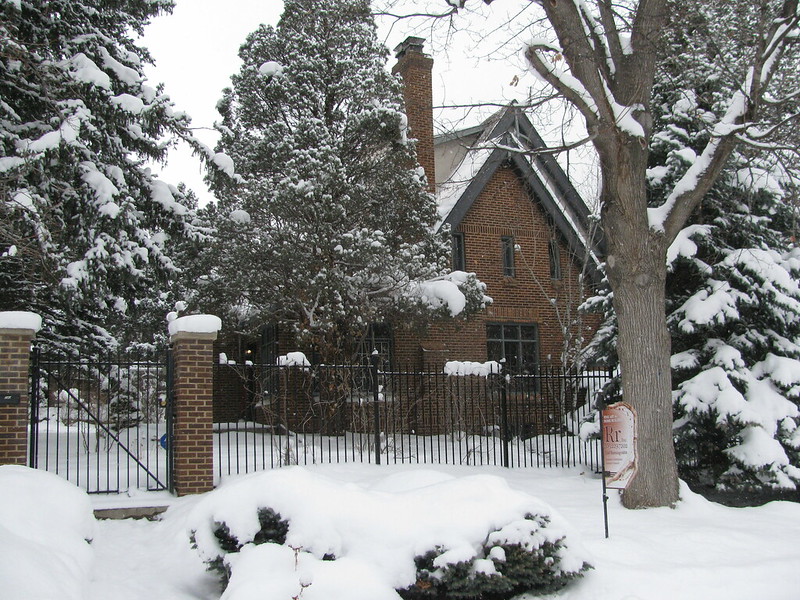
JonBenét was reported missing on December 26, 1996, after her mother said she found a ransom note. Her body was discovered hours later in the basement. The home was not tightly controlled during the early response, and people moved through it before the body was found. Those failures remain central to criticism because contamination, lost context, and disturbed evidence cannot be fully repaired by modern technology.
Police insist the investigation remains active.
Boulder police say detectives have pursued more than 21,000 tips, traveled to 19 states and spoken with over 1,000 people. In their 2025 update, officials said investigators conducted new interviews, repeated earlier interviews, collected new evidence and tested or retested items. The department also says it works with the FBI, prosecutors, DNA specialists and outside laboratories, rejecting claims that usable evidence is being ignored.
The Ramsey family wants clearer answers about what was tested, what remains untested, and which advanced methods investigators are considering. Police say releasing details could damage an active investigation or future prosecution. Both positions carry weight. Secrecy may protect the case, but decades without an arrest have eroded trust. The longer the mystery survives, the harder it becomes for official assurances to quiet public doubt.
DNA receives most attention, but investigators continue urging anyone with knowledge of the killing to speak. Cold cases are often solved through scientific advances, renewed interviews, changed loyalties, and details that once seemed unimportant. A laboratory result might identify a family line, but detectives would still need evidence establishing who entered the home, what happened that night, and how the crime was carried out.