Oil prices just gave the world another reminder that one narrow stretch of water can make everyone’s wallet nervous. Brent crude climbed again after fresh US strikes on Iran weakened hopes that a peace deal could quickly calm the Middle East energy crisis.
The market had briefly relaxed after reports of possible progress in US Iran talks, but that optimism faded fast once military action returned to the headlines. Reuters reported that US Iran tensions lifted oil and renewed inflation fears on May 26, 2026. This matters far beyond Wall Street.
The Strait of Hormuz carried about 20 million barrels per day of oil in 2024, equal to about 20% of global petroleum liquids consumption, based on US Energy Information Administration data. When that route looks unsafe, traders start pricing in danger before the average driver even sees a new gas station sign.
Here are the reasons why crude prices are rising again, why the market looks jumpy, and why Americans may feel the shock if this crisis drags on.
The US strikes shattered the mood of the peace deal.

Oil prices fell when traders believed the US and Iran were moving toward a possible deal. That optimism came from reports that peace talks had made enough progress to raise hopes of reduced fighting and safer shipping. For a moment, the market acted like the worst case scenario might be easing.
Then, fresh US strikes changed the mood almost overnight. Secretary of State Marco Rubio said the Strait of Hormuz “has to be open, one way or the other,” which signaled that Washington still sees the waterway as a major security priority. Traders heard that and did what traders usually do when missiles and oil routes appear in the same sentence. They added a fear of premiums back into crude prices.
Brent crude is reacting to risk, not just supply.
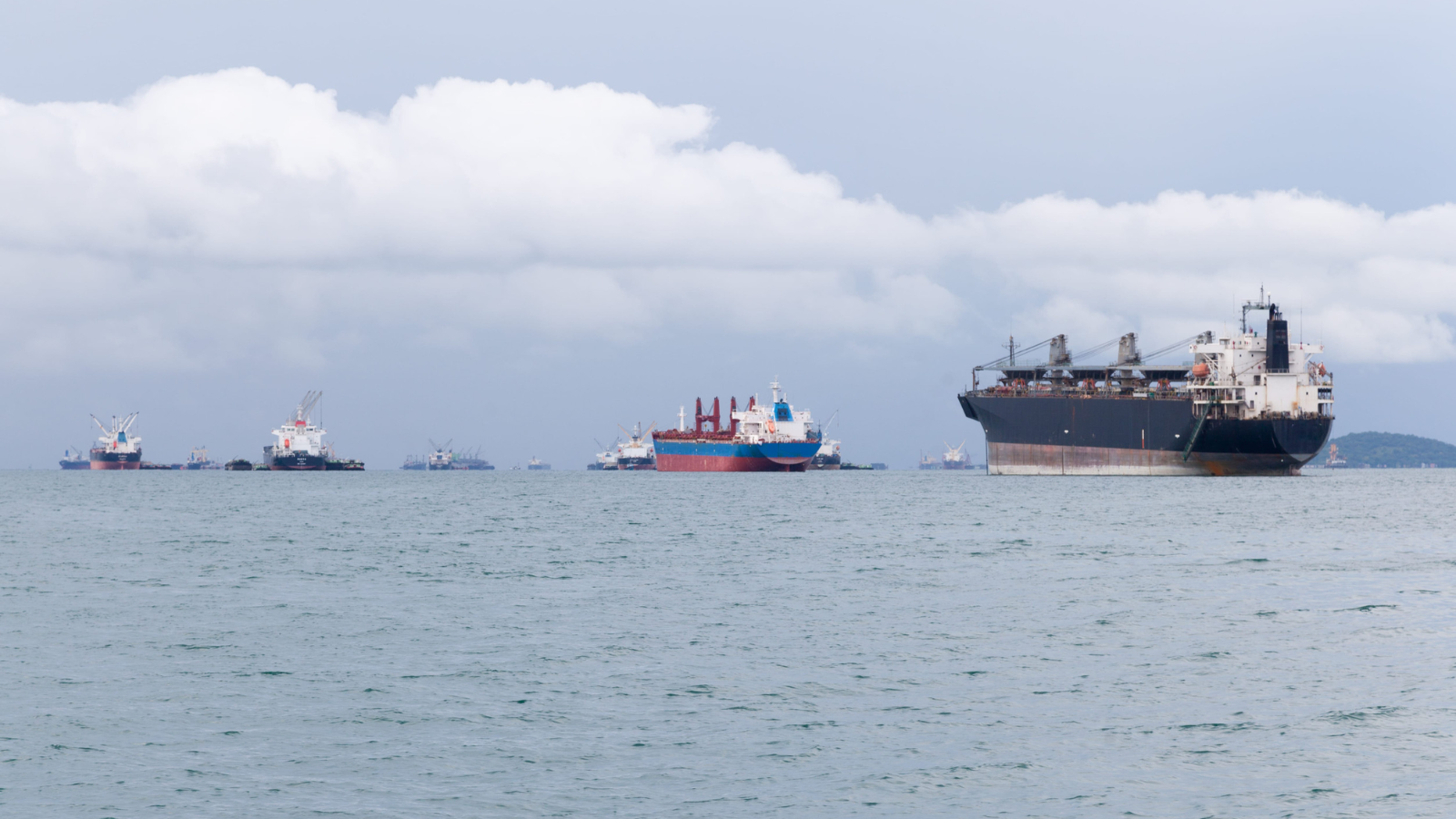
Brent crude often moves before physical supply numbers fully change. That is because Brent prices global anxiety as much as global barrels. If traders believe tankers could be delayed, redirected, attacked, inspected, or insured at higher rates, prices can rise even before a major export loss appears in the data.
That is exactly what makes this moment so tense. The market saw peace talk optimism push prices lower, then saw military action pull them back up. Reuters reported oil had tumbled nearly 7% when the US and Iran appeared closer to a deal, showing how quickly sentiment can swing. The rebound shows traders still do not trust the calm.
The Strait of Hormuz is the world’s oil pressure point.
The Strait of Hormuz is not just another shipping lane. It is one of the most important energy chokepoints on Earth. EIA data show that 84% of crude oil and condensate moving through the strait in 2024 went to Asian markets, with China, India, Japan, and South Korea among the largest destinations.
That makes the crisis global by default. If the Strait stays restricted, Asian buyers feel it first, but Americans can still feel it through global fuel prices, shipping costs, and inflation pressure. Oil is not polite enough to stay in one region. It travels through airline tickets, grocery deliveries, plastic packaging, trucking costs, and heating bills.
Traders are watching tankers more than speeches.
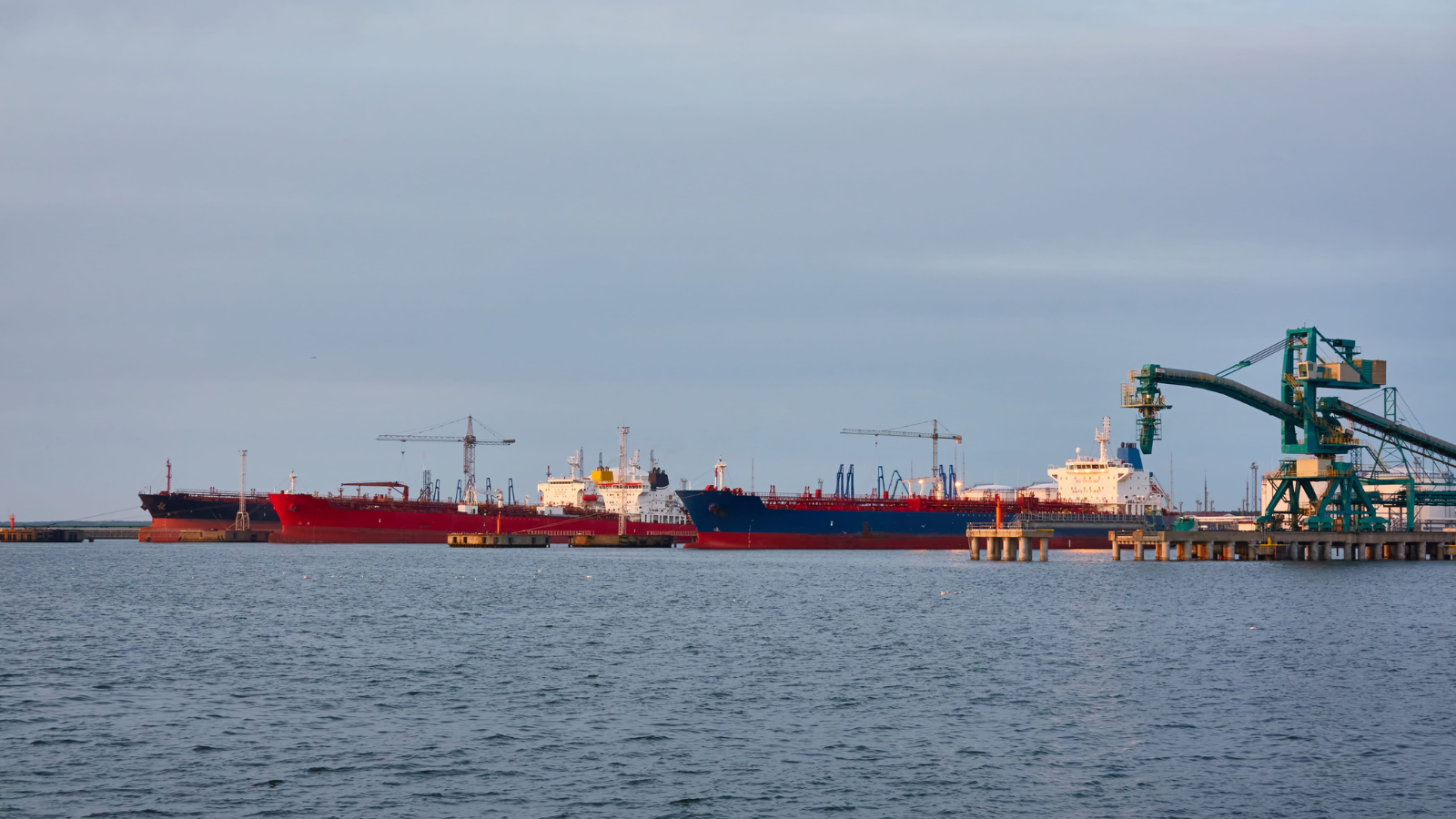
Markets do not reward nice statements for long. They want evidence that ships can move. A peace deal sounds good, but tankers still need clear routes, safe waters, reasonable insurance, and confidence that another strike will not restart the panic.
That is why physical oil flows matter so much now. The Guardian reported that oil prices fell below $100 in hopes of a deal, but also noted that key concerns around the Strait of Hormuz remained unresolved. Traders know the difference between a headline and a working sea lane. Until ships move freely and consistently, the market will continue to treat peace talks as fragile.
Insurance costs can raise prices quietly.
Oil markets do not need a full blockade to become expensive. If insurers assess the Gulf route as carrying higher war risk, shipping firms may face higher costs. Those costs can flow through the supply chain even when tankers are still sailing.
That is the sneaky part of this crisis. A tanker may leave port, but the cost of moving that cargo can still jump. Buyers then pay more; refiners protect margins, and consumers eventually see the effect on the cost of fueling heavy parts of daily life.
It is the kind of slowly burning price pressure that rarely makes a dramatic headline but still reaches ordinary households.
Inflation fears are back on the table.
Higher oil prices can make inflation harder to control. Fuel touches transport, food production, construction, aviation, manufacturing, and retail distribution. When crude stays high, businesses often pay more to move goods, power equipment, and manage logistics.
Reuters reported that fresh US Iran tensions lifted oil and stoked inflation concerns, a sign that investors see this crisis as more than an energy market story. That is why central banks, bond traders, and stock investors care about the Hormuz Strait. A spike in oil prices can make hopes of a rate cut look weaker, and household budgets feel tighter.
Asia’s energy buyers face the biggest immediate risk.

Asian markets have the most direct exposure because much of the oil flowing through the Strait of Hormuz heads east. China, India, Japan, and South Korea rely heavily on Gulf energy routes. If shipping through the strait remains uncertain, those buyers may chase alternative supplies, which can push global prices higher.
That scramble can affect everyone. When large importers compete for replacement barrels, prices rarely stay calm. Even countries with their own oil production still operate inside a global market.
The US may produce plenty of crude, but American consumers can still feel global shocks because refined fuels and crude benchmarks respond to worldwide pressure.
The market is tired of false starts.
This crisis has already trained traders to doubt good news. Every possible breakthrough seems to come with another warning, strike, denial, or unresolved condition. That creates a market where prices drop on hope, then bounce back when reality gets messy.
This is why the latest rebound feels so important. It tells us traders are no longer buying peace headlines at full price. They want durable proof. They want to open routes, lower risk, and fewer military surprises. Until then, oil prices may keep behaving like a nervous passenger on a turbulent flight.
A prolonged crisis could hit American consumers.
Most Americans do not follow Brent crude tick by tick. They notice the crisis when gas prices rise, airfare gets stubborn, delivery costs creep up, or grocery prices stop easing. Oil works its way into the economy through boring but powerful channels.
A prolonged conflict could also hit businesses that rely on fuel intensive operations. Trucking firms, airlines, farms, construction companies, and retailers all respond differently to oil shocks. Some absorb the cost for a while. Others pass it along. Either way, consumers usually end up paying the bill eventually.
Oil prices need real mitigation to calm down.
Oil prices could fall again if negotiations produce a real agreement and shipping flows improve. But the market will need more than diplomatic language. It will require safer tanker movements, reduced military action, progress in mine clearing, and credible guarantees that the strait will remain open.
That is the real test. If the Strait of Hormuz becomes safer, crude could lose part of its fear premium. If the crisis widens, Brent may keep climbing. The market is not guessing randomly. It is pricing the difference between a tense but manageable shipping route and a crisis that threatens one of the world’s most important oil arteries.
Key takeaway
Oil prices are rising again because the market sees a dangerous mix of fragile diplomacy, US military action, and unresolved shipping risk near the Strait of Hormuz. This is not just a Middle East story. It is a global cost story. When a route that handles roughly one fifth of the world’s petroleum liquids looks unstable, traders react fast, businesses prepare for higher costs, and consumers may eventually feel the squeeze.