Money rarely disappears in one dramatic moment. Most of the time, it slips away through quiet habits, repeated choices, ignored fees, emotional purchases, delayed decisions, and financial blind spots we promise to fix later. That is what makes common financial mistakes so dangerous. They often feel normal until the damage becomes expensive.
Building wealth is not only about earning more money. It is also about protecting the money we already have, giving every dollar a clear job, and refusing to let debt, lifestyle pressure, and poor planning steal the future we are trying to build. When we understand the biggest personal finance mistakes, we can stop reacting to money problems and start designing a stronger financial life.
Spending More Than We Earn

The most dangerous money mistake is also the simplest one. When we spend more than we earn, we create a financial gap that must be filled with debt, savings withdrawals, unpaid bills, or delayed goals. The problem is rarely one purchase. It is usually the pattern of small purchases that never get questioned.
A coffee here, a delivery order there, a subscription we forgot about, a weekend splurge, and one impulse purchase can quietly turn into hundreds of dollars every month. The fix is not to remove all joy from life. The fix is to separate spending that truly improves our lives from spending that only gives us a short emotional lift.
We avoid this mistake by tracking income and expenses for at least one full month. That gives us a real picture instead of a guess. Once we know where the money goes, we can create spending limits that protect essentials, savings, debt payoff, and guilt-free enjoyment.
Treating Budgeting Like Punishment
Many people avoid budgeting because they think it means restriction, shame, or complicated spreadsheets. That mindset turns one of the most powerful financial tools into something we resist. A budget is not a punishment. It is a plan that tells our money where to go before life decides for us.
Without a budget, we are forced to make financial decisions in the moment. That is when emotions win. We say yes to things because we feel tired, pressured, bored, stressed, or afraid of missing out. A budget protects us from those moments by creating rules before temptation arrives.
The best budget is the one we will actually use. Some households prefer a zero-based budget, where every dollar has a job. Others prefer a simple percentage plan that covers needs, wants, savings, and debt. The method matters less than consistency. If we review it weekly, adjust it honestly, and keep it realistic, a budget becomes a control panel for our financial life.
Living Without an Emergency Fund
An emergency fund is the wall between inconvenience and crisis. Without one, a flat tire, urgent dental bill, job loss, home repair, or family emergency can turn into credit card debt overnight. The painful part is that debt created during emergencies often lasts longer than the emergency itself.
We do not need a perfect emergency fund to begin. A starter cushion of a few hundred dollars can stop many small problems from becoming bigger ones. After that, the goal should grow toward one month of expenses, then three months, and eventually six months for households with irregular income, dependents, or higher job risk.
Emergency savings should be boring, safe, and easy to access. A high-yield savings account can work well because it keeps money separate from daily spending while still being available when needed. The key rule is simple. Emergency money should be used for real emergencies, not sales, vacations, upgrades, or lifestyle wants.
Carrying Credit Card Debt From Month To Month
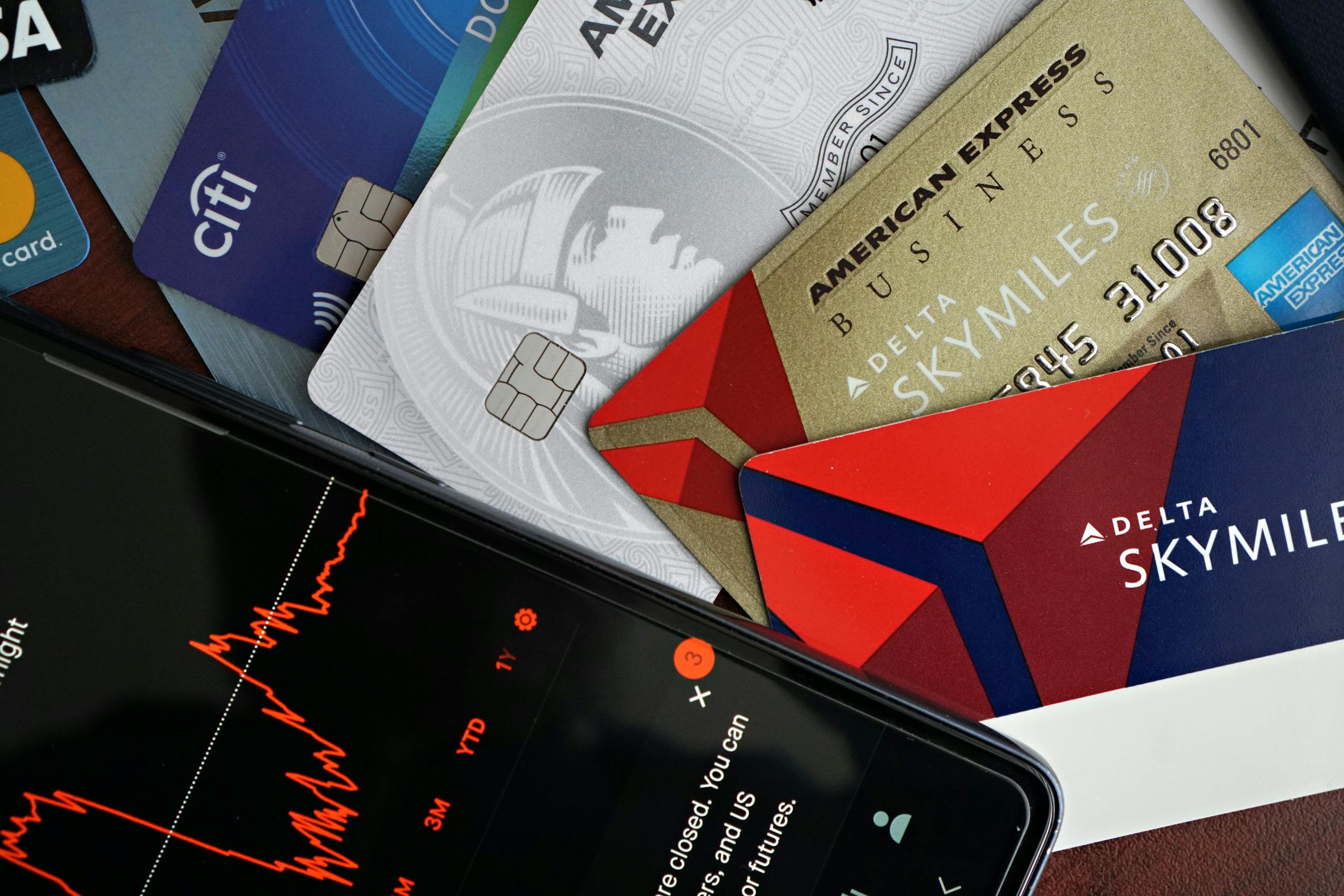
Credit cards can be useful tools when we pay the balance in full. They become expensive traps when we carry balances and allow interest to pile up. High-interest debt is one of the fastest ways to weaken a financial plan because it charges us for yesterday’s spending while blocking tomorrow’s progress.
Minimum payments make the situation worse by creating the illusion of control. We feel like we are handling the debt, but much of the payment may go toward interest instead of the actual balance. That can keep us stuck for years, especially when new charges keep landing on the same card.
The smartest approach is to stop adding new debt first. Then we can choose a payoff method. The avalanche method targets the highest interest rate first and saves the most money.
Letting Lifestyle Creep Swallow Every Raise

Lifestyle creep happens when income rises, and spending rises right along with it. A raise becomes a nicer apartment. A bonus becomes a new phone. A promotion becomes a car payment. Before long, a higher income produces the same old stress because every new dollar has already been claimed.
This mistake feels harmless because it often follows good news. We work hard, earn more, and naturally want life to feel better. The danger begins when every improvement becomes permanent spending. A one-time celebration is different from a bigger monthly bill that follows us for years.
A better rule is to save part of every raise before we upgrade anything. We can increase retirement contributions, build emergency savings, pay down debt, or invest automatically. Then we can enjoy some of the increase without letting lifestyle inflation erase the financial progress we earned.
Spending Too Much On Housing
Housing is usually the biggest monthly expense, which makes it one of the most important financial decisions we make. When rent or mortgage payments are too high, everything else becomes harder. Savings shrink, debt payoff slows, grocery pressure rises, and one surprise bill can throw the entire month off balance.
The mistake is not wanting a comfortable home. The mistake is choosing housing based only on what we can technically qualify for or barely afford. Lenders, landlords, and real estate agents do not have to live with our full budget. We do. A home that looks beautiful online can become a financial burden if it leaves no breathing room.
Before upgrading housing, we should calculate the full cost. That includes rent or mortgage payments, utilities, insurance, property taxes, repairs and maintenance, commuting, parking, furniture, and moving costs.
Buying Too Much Car
Transportation is another major budget category where people quietly lose wealth. A car payment may look manageable on its own, but the real cost includes insurance, fuel, repairs, maintenance, registration, parking, depreciation, and interest. A vehicle that stretches the budget can become one of the most expensive status symbols in everyday life.
New cars are especially costly because depreciation hits hardest in the early years. When we finance a rapidly depreciating asset, we may owe more than the car is worth. That becomes a serious problem if we need to sell, trade, or replace it after an accident.
The better move is to buy based on total cost, not monthly payment. A reliable used car, a larger down payment, a shorter loan term, and a longer ownership period can save thousands over time. The goal is transportation that supports our life, not transportation that quietly eats the money we need for freedom.
Waiting Too Long To Start Investing

Waiting to invest is one of the most expensive mistakes because time is the one advantage we cannot buy back. Many people delay investing because they feel they do not earn enough, do not understand the market, or want to wait until life feels more stable. The problem is that life rarely feels perfectly stable.
Investing early allows compounding to do more of the heavy lifting. Even small contributions can grow meaningfully over time. Waiting often means we must contribute much more later to reach the same goal, which can be harder as housing, children, healthcare, and other responsibilities grow.
We do not need to become stock market experts to begin. A workplace retirement plan, an IRA, low-cost index funds, target date funds, and automated contributions can make investing simple. The most important habit is consistency. We invest through boring months, scary headlines, and market swings because long-term wealth is built by staying in the game.
Ignoring Employer Benefits
Many workers focus only on salary and miss valuable benefits that can improve their financial lives. Employer retirement matches, health savings accounts, flexible spending accounts, disability insurance, life insurance, tuition assistance, commuter benefits, and wellness programs can all add real value. Ignoring them is like leaving part of the compensation untouched.
The retirement match is especially important. If an employer offers matching contributions and we do not contribute enough to receive the full match, we may be giving up money that could grow for decades. That mistake becomes more costly every year we delay.
At least once a year, we should review all workplace benefits. Open enrollment is not just paperwork. It is a financial planning opportunity. Choosing the right healthcare plan, adjusting retirement contributions, updating beneficiaries, and using available benefits can strengthen our finances without requiring a second job.
Forgetting About Subscriptions And Automatic Payments
Subscriptions are convenient, which is exactly why they become expensive. Streaming platforms, apps, cloud storage, memberships, delivery passes, software tools, fitness plans, and trial offers can quietly drain money long after we stop using them. The amounts often feel too small to matter, so we ignore them.
The danger is the pile-up. One subscription may not hurt, but ten subscriptions can turn into a monthly bill that competes with groceries, savings, or debt repayment. Automatic billing removes the pain of payment, which means we may keep paying for things that no longer bring value.
A subscription audit should happen every quarter. We should review bank and credit card statements line by line, cancel what we do not use, downgrade what we rarely use, and keep only what genuinely improves daily life. The easiest money to save is often the money already leaving automatically.
Not Shopping Around Or Negotiating
Many people overpay because they accept the first price, quote, offer, or renewal notice. This mistake affects insurance, internet bills, phone plans, rent, mortgage rates, car purchases, medical bills, furniture, appliances, and even salary. Silence can be expensive.
Negotiation does not have to be aggressive. It can be simple, polite, and direct. We can ask for discounts, compare competitors, request a better rate, question fees, or ask whether a cheaper plan is available. The worst answer is usually no, and even that costs nothing.
Shopping around should be automatic for major purchases and recurring bills. Insurance premiums, phone plans, subscriptions, and service contracts should not renew without review. A few hours of comparison each year can free up money for savings, debt payoff, or investing.
Conclusion
The worst financial mistakes rarely announce themselves. They hide inside normal routines, comfortable excuses, emotional spending, automatic payments, and decisions we postpone because life feels busy. That is why the strongest money move is awareness.
When we give every dollar a purpose, protect ourselves from emergencies, avoid high-interest debt, invest early, and review our choices regularly, we stop letting money leak through the cracks. Financial freedom is not built by one heroic decision. It is built by repeated, ordinary choices that quietly move us away from stress and toward control.