A major fight over the future of American elections is unfolding months before the 2026 midterm elections, with Maryland Gov. Wes Moore warning that President Donald Trump could use federal power to influence how states conduct voting. Moore says the concern is not only about what may happen on Election Day, but also about actions already taken involving voter information, mail ballots and federal election oversight.
The dispute has quickly become a larger constitutional battle over who controls America’s election systems and how much authority a president should have over state voting procedures.
For millions of Americans, the outcome could affect everyday election experiences, including voter registration, mail ballot access, identification requirements and how election offices manage voter information. The debate is no longer limited to politicians in Washington and state capitals because it could shape the rules voters follow across the country.
At its center is a question that has divided leaders for generations: how can elections be secure while protecting the independence of states?
Wes Moore Raises Concerns About Trump’s Election Policies
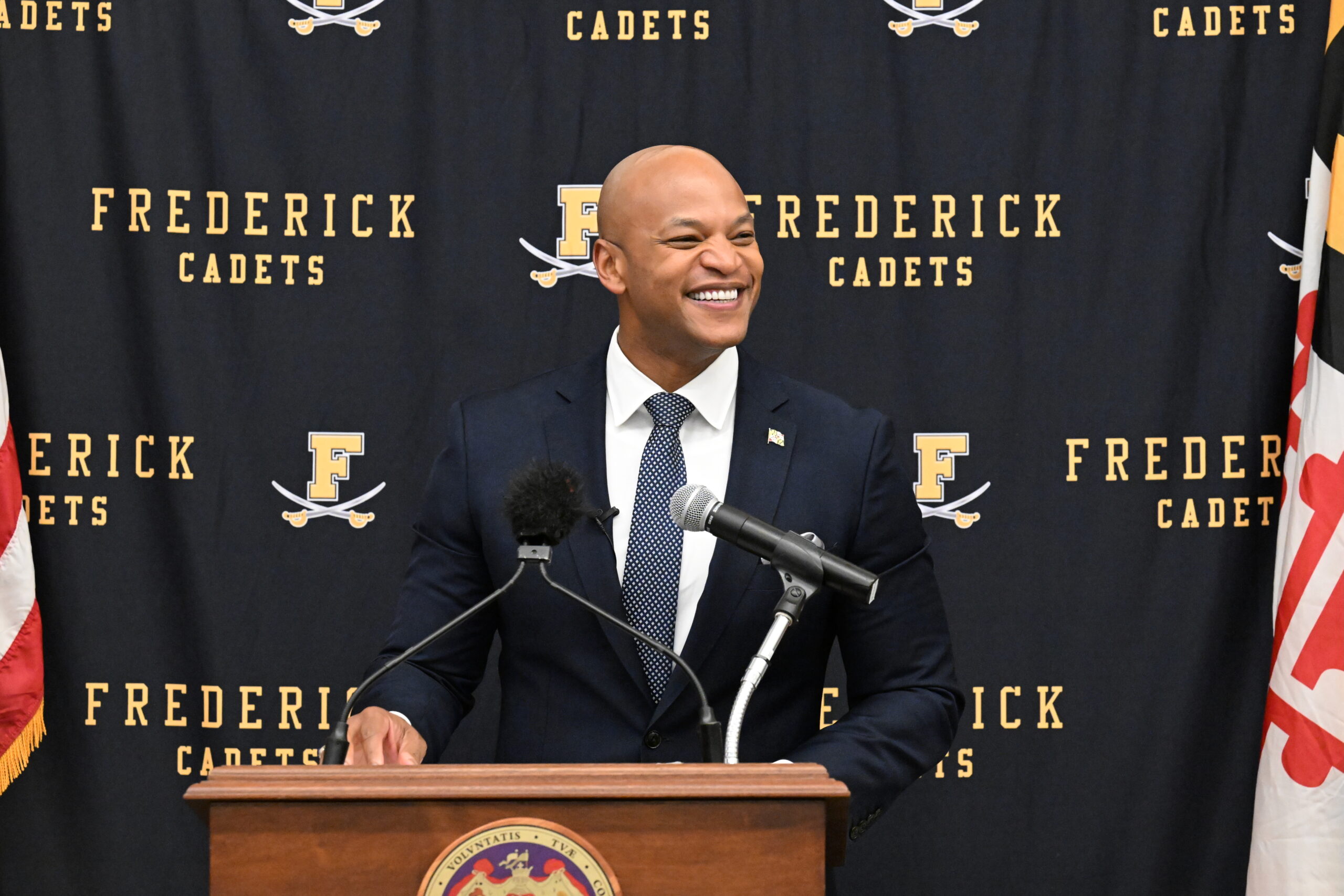
MDGovpics, CC BY 4.0, via Wikimedia Commons
Moore made his comments as he stepped into the role of chairman of the National Governors Association, one of the most influential organizations representing state leaders. The bipartisan group brings together governors from across the United States to discuss policies affecting economic growth, public safety, education and government operations. His new position places him directly in the middle of a national conversation about the future of election administration.
The Maryland governor argues that states have a constitutional responsibility to oversee their own elections without excessive federal interference. He says governors must defend that authority regardless of political party because election systems depend on public trust and local accountability. Moore’s criticism focuses on federal actions that he believes could expand presidential influence over voting procedures.
President Trump and his supporters have taken a different position, arguing that stronger federal involvement is necessary to protect election integrity. They say stricter verification systems and clearer standards can help prevent unlawful voting and increase voter confidence. The disagreement reflects one of the deepest political divides in America over how elections should be protected.
America’s Election System Depends On State Control
A major part of the debate is often misunderstood because the United States does not have a single national election system. Instead, elections are managed through thousands of state and local jurisdictions that oversee voter registration, polling locations, ballot counting and election certification. This decentralized structure is one of the defining features of American democracy.
More than 13,000 election jurisdictions operate across the country, meaning decisions are often made by local officials rather than a central federal authority. The system allows communities to manage elections according to their own procedures while following state and federal laws. Supporters say this prevents Washington from having too much control over elections.
The Constitution creates a shared system of election authority between states and the federal government. States generally oversee election administration, while Congress can establish certain national requirements for federal elections. The president’s role is more limited, which creates the legal dispute now facing courts and policymakers.
Trump Administration Pushes New Election Security Measures
The Trump administration says its election policies are focused on strengthening public confidence and preventing illegal voting. Officials have supported stronger citizenship verification, tighter mail ballot procedures and improved access to voter information. Supporters argue that these changes are necessary to ensure that election systems are accurate and secure.
The administration has also backed legislation requiring documentary proof of citizenship for federal voter registration. Supporters say the measure would create clearer standards and prevent uncertainty about voter eligibility. They argue that Americans deserve assurance that federal elections are being conducted with strong safeguards.
Opponents argue that strict documentation requirements could create barriers for eligible citizens who do not have easy access to certain government records. They warn that election security measures must be carefully balanced with protecting access for lawful voters. The disagreement highlights the broader divide between preventing fraud and ensuring participation.
Republicans have generally emphasized verification, identification, and stronger enforcement of election rules. Democrats have focused more on protecting voting access and preventing policies they believe could discourage eligible voters from participating. The debate has become one of the defining political conflicts ahead of the 2026 midterm elections.
Court Battles Could Determine The Limits Of Presidential Power
The fight over election authority has moved beyond political arguments and into federal courts. Several states have challenged parts of Trump’s election related actions, arguing that the president does not have the authority to impose major changes to state voting systems without approval from Congress. The legal battles could determine how much power future presidents have over election administration.
Federal courts have already blocked some provisions while legal challenges continue. The decisions have created uncertainty over whether the administration can enforce certain requirements before the 2026 elections. The final outcome could have consequences that extend far beyond the current political moment.
If courts allow broader presidential authority over election procedures, future administrations could inherit those powers. If courts limit executive action, states may maintain stronger control over how elections are conducted. The cases could become some of the most important election law disputes in recent years.
Concerns Grow Over Federal Presence During Elections
Another issue raising concern is the possibility of greater federal involvement around polling locations. Moore has warned that the presence of federal agents or military personnel near voting sites could create fear and raise questions about election independence. He argues that voters must feel confident that elections are free from political pressure.
Federal law places strict limits on military involvement at polling locations because of concerns about intimidation and government influence. The restrictions are designed to protect voters from feeling pressured by state power. Election security efforts must therefore balance safety with public confidence.
Supporters of federal involvement argue that stronger coordination can help protect elections from threats. Critics say that elections depend on trust and that even the appearance of government pressure could damage confidence. The debate shows how sensitive election security decisions can become during politically divided times.
Republican Governors Face A Federalism Challenge
The election debate has created complicated divisions among Republican leaders as well. Many Republican governors support stronger voting rules, including identification requirements and citizenship verification measures. However, some also oppose giving Washington greater control over state election systems.
Oklahoma Gov. Kevin Stitt has expressed support for election security measures while also arguing that states should remain responsible for running elections. His position reflects a broader conservative belief that state governments should maintain authority over issues traditionally handled locally. The disagreement shows that election power is not always divided strictly along party lines.
For some Republicans, the issue is about protecting state independence from federal expansion. For Democrats like Moore, the concern is that presidential authority could be used to influence election procedures. Both sides are debating not only voting rules but also the future balance of power in American government.
Wes Moore’s National Profile Expands Amid Election Fight
The controversy comes as Moore’s national profile continues to rise. Since becoming governor of Maryland, he has gained attention as one of the Democratic Party’s younger leaders with potential national ambitions. Although Moore has denied focusing on a presidential campaign, his growing visibility has fueled speculation about his political future.
His role as chairman of the National Governors Association gives him a national platform without requiring him to seek higher office. The position allows him to build relationships with governors across party lines while focusing on issues affecting states. How he handles the election debate could shape how voters view his leadership.
Moore has also focused on issues beyond elections, including workforce development and community service programs. His Service United initiative aims to connect young Americans with service opportunities, apprenticeships and career pathways. The effort has attracted some bipartisan support because of its emphasis on practical job opportunities.
The 2026 Midterms Could Become A Historic Test
The conflict between Wes Moore and Donald Trump is about more than one election cycle. The 2026 midterm elections will determine control of Congress while also testing the limits of presidential power and state authority. The outcome could influence future administrations’ approach to elections.
The coming months are expected to bring more legal battles, political disagreements, and debates over voting procedures. State officials will continue preparing election systems while courts determine the limits of federal involvement. Voters will ultimately decide whether they trust the systems responsible for counting their ballots.
The United States has always operated through a balance between federal authority and state independence. The 2026 elections may become one of the most important tests of that balance in modern history. As Wes Moore leads the nation’s governors, he finds himself at the center of a debate that could shape the future of American elections for years to come.