Poor sleep hygiene does not always look like a disaster. Sometimes it looks like one more episode, one more email, one more scroll, one more cup of coffee, or one more promise that tomorrow night will be different. Then morning arrives, the alarm feels cruel, and the body starts the day already negotiating with exhaustion.
Sleep is not empty time. It is the nightly repair shift for the brain, mood, memory, immune system, hormones, appetite, and emotional control. When we keep feeding the body the wrong signals, sleep becomes harder to reach and easier to break. These poor sleep hygiene habits may look normal, but they can quietly turn bedtime into a nightly battle.
Keeping an Unsteady Sleep Schedule

A wild sleep schedule is one of the easiest ways to confuse the body. When bedtime changes every night and wake time swings from early mornings to late weekends, the brain loses its rhythm. The body depends on patterns to know when to feel alert and when to power down.
We do not need a perfect schedule, but we do need a reliable one. A steady wake time helps train the body’s internal clock, even when the night before was not ideal. Once the body starts recognizing a regular sleep window, bedtime feels less like a fight and more like a natural landing.
Scrolling Through Screens Before Bed
Phones are terrible bedtime companions because they bring light, noise, emotion, comparison, entertainment, and stress into the final minutes of the night. A quick check can become a long scroll, and before we know it, the brain is wide awake from messages, videos, news, comments, or work problems. The body may be tired, but the mind keeps chewing on fresh stimulation.
The screen itself adds another problem. Bright light in the evening can delay the body’s sleep signals, especially when the room is dark, and the phone is close to the face. A better routine is to create a screen cutoff before bed, dim the lights, and give the brain a quiet runway into sleep.
Drinking Caffeine Too Late in the Day

Caffeine is helpful in the morning, but it becomes a sleep thief when it lingers too close to bedtime. Coffee, tea, soda, energy drinks, chocolate, and some supplements can keep the nervous system alert long after we think the boost has faded. That late-afternoon cup may feel harmless at the desk, but turn into a restless night under the blanket.
The tricky part is that caffeine does not affect everyone the same way. Some people can drink it later and still sleep, but many cannot. If sleep feels light, delayed, or broken, moving caffeine earlier in the day is one of the simplest changes we can make.
Using Alcohol as a Nightcap
Alcohol can make people feel sleepy at first, which is why it fools so many tired adults. It may help the body drop off faster, but it often compromises sleep quality later in the night. That is why someone can sleep for several hours and still wake up feeling dry-mouthed, anxious, sweaty, restless, or strangely tired.
The problem is not just falling asleep. The real goal is staying asleep and getting deep, restorative rest. Alcohol can interrupt that process, especially when taken close to bedtime. A nightcap may feel comforting in the moment, but it often sends the bill at 3 a.m.
Eating Heavy Meals Right Before Bed
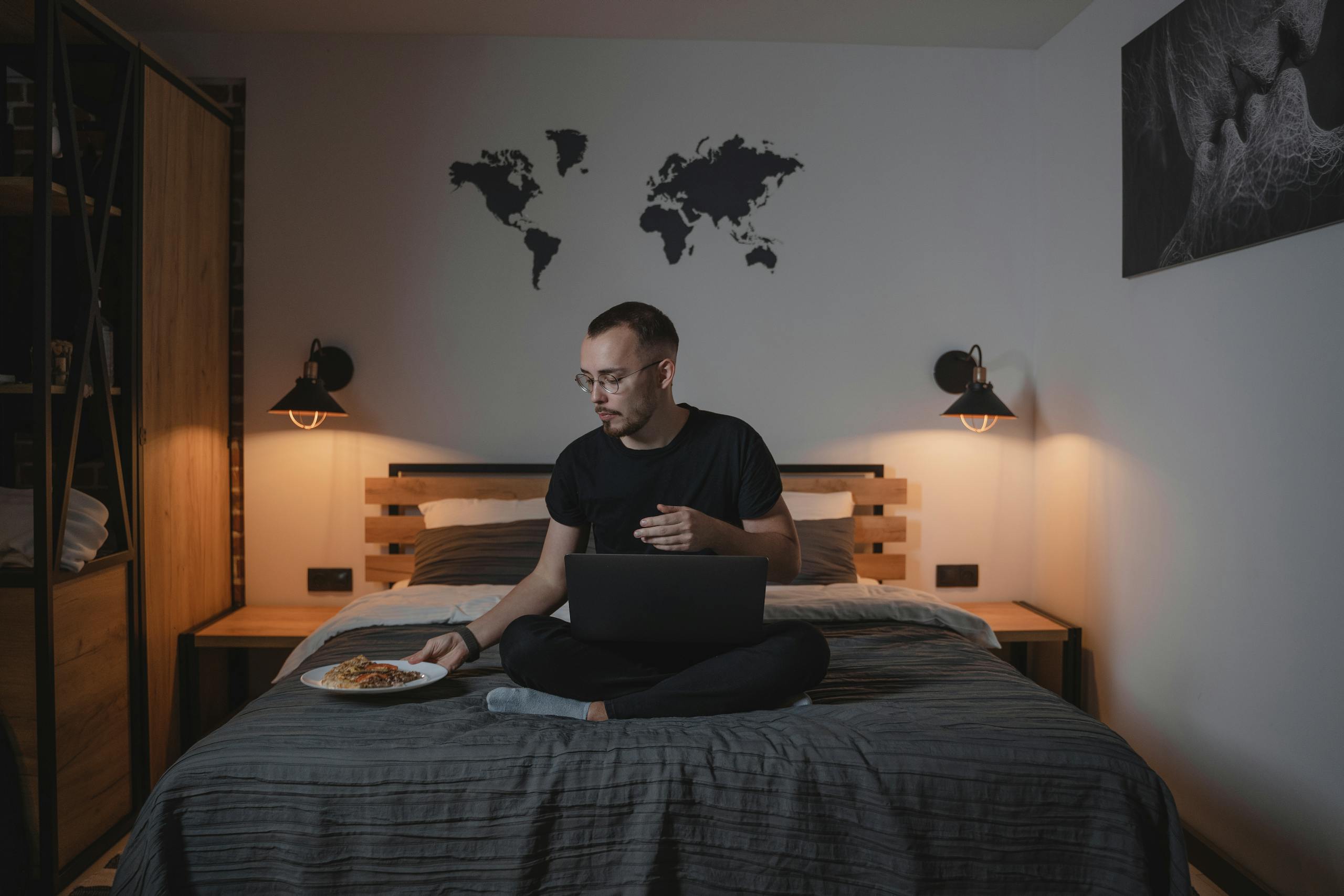
A large late meal forces the body to keep working when it should be winding down. Rich, spicy, greasy, or acidic foods can cause bloating, reflux, discomfort, and restless tossing. Even when the meal tastes good, it can turn the bedroom into a digestion chamber instead of a recovery room.
This does not mean dinner has to become boring. It means timing matters. A lighter evening meal, eaten earlier, gives the body enough time to settle before sleep. When the stomach is calmer, the brain has one less reason to keep waking up.
Bringing Stress Straight Into Bed
The bed should not become the place where the mind replays every mistake, bill, deadline, awkward message, and unfinished task. Stress keeps the nervous system alert because the brain thinks it still has problems to solve. That mental noise can make the room quiet while the mind feels loud.
A wind-down routine gives stress somewhere else to go. We can write tomorrow’s tasks, stretch, pray, read something calm, take a warm shower, or sit quietly for a few minutes before bed. The goal is not to solve every problem at night. The goal is to teach the brain that bedtime is no longer a meeting room.
Exercising Too Hard Too Late
Exercise can help sleep, but intense workouts too close to bedtime can backfire. Hard training raises heart rate, body temperature, adrenaline, and alertness. For some people, that late burst of energy makes the body feel as if it is preparing for action rather than rest.
Gentle movement in the evening can still be useful. A slow walk, light stretching, or relaxing mobility work can calm the body without overcharging it. The sharper workouts should happen earlier whenever possible, giving the body enough time to cool down before bed.
Sleeping in a Bedroom That Fights Rest

A poor bedroom setup can sabotage sleep without making a sound. Too much light, too much noise, a hot room, a bad mattress, clutter, glowing electronics, or an uncomfortable pillow can keep the body slightly alert all night. Even small irritations become bigger when the brain is trying to rest.
A good sleep space does not need to be expensive. It needs to be dark, quiet, cool, and comfortable. Blackout curtains, an eye mask, earplugs, white noise, breathable bedding, and a cleaner nightstand can make the room feel calmer. The bedroom should convey one clear message to the body: it is safe to sleep now.
Ignoring Morning Light and Daytime Rhythm
Many people try to fix sleep only at night, but the next night begins in the morning. Morning light helps set the body’s internal clock and tells the brain that the day has started. When we stay indoors in dim light all day, then flood the evening with bright screens and lamps, the body gets the timing backward.
Daytime rhythm matters more than people think. Getting sunlight early, moving during the day, eating meals at steady times, and avoiding long late naps all help the body build natural sleep pressure. A good night is often the result of a better day, not just a better bedtime.
Conclusion
Poor sleep hygiene steals rest quietly. It hides in habits that feel normal, from late caffeine and bedtime scrolling to heavy dinners, stress spirals, alcohol, and messy sleep schedules. The body may tolerate these habits for a while, but eventually the bill shows up as foggy mornings, short patience, low focus, cravings, and exhaustion that no weekend nap seems to fix.
The good news is that sleep can improve when the signals improve. We do not need to overhaul our whole life in one night. We can start with a steady wake time, more morning light, less evening stimulation, and a bedroom that actually supports rest. When we stop fighting the body’s natural rhythm, sleep stops feeling like a prize and starts feeling like a routine again.