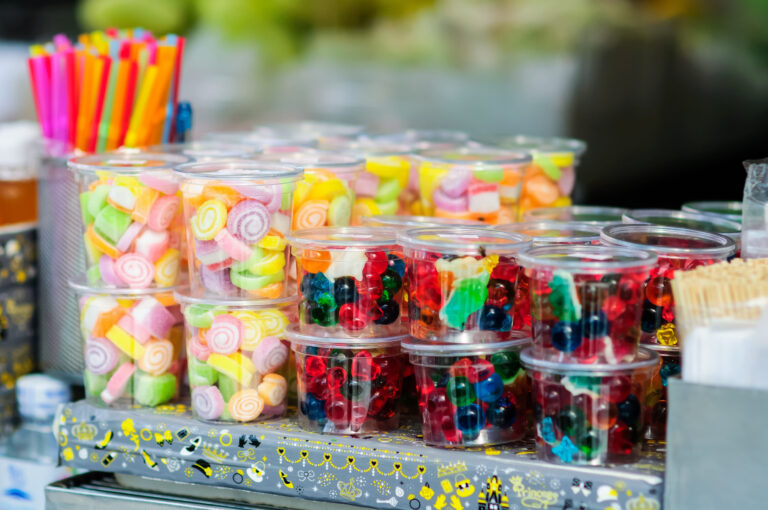
California has turned the school cafeteria into the newest battlefield in America’s food fight, and parents should pay attention before the same debate lands in their own district. The state’s new ultra processed food law targets some of the packaged, engineered, heavily modified products that have quietly become normal in school meals, vending machines, snack lines, and grab and go trays.
We are not talking about one bad cookie or one bag of chips. We are talking about a food system that has trained children to expect bright colors, intense sweetness, long shelf life, soft textures, salty crunch, and ingredient lists that read more like lab notes than lunch.
The move has shocked some parents because many of these foods feel familiar, cheap, easy, and harmless. School lunch staples have always carried a little nostalgia, from pizza squares to flavored milk to packaged snacks tossed onto trays during a rushed lunch period.
Yet California’s new law sends a blunt message. Familiar does not always mean safe, and convenient does not always mean healthy. When millions of children eat school meals every week, even small changes in ingredients can become a public health issue on a massive scale.
California’s Ultra Processed School Lunch Ban Is Bigger Than One Cafeteria Menu
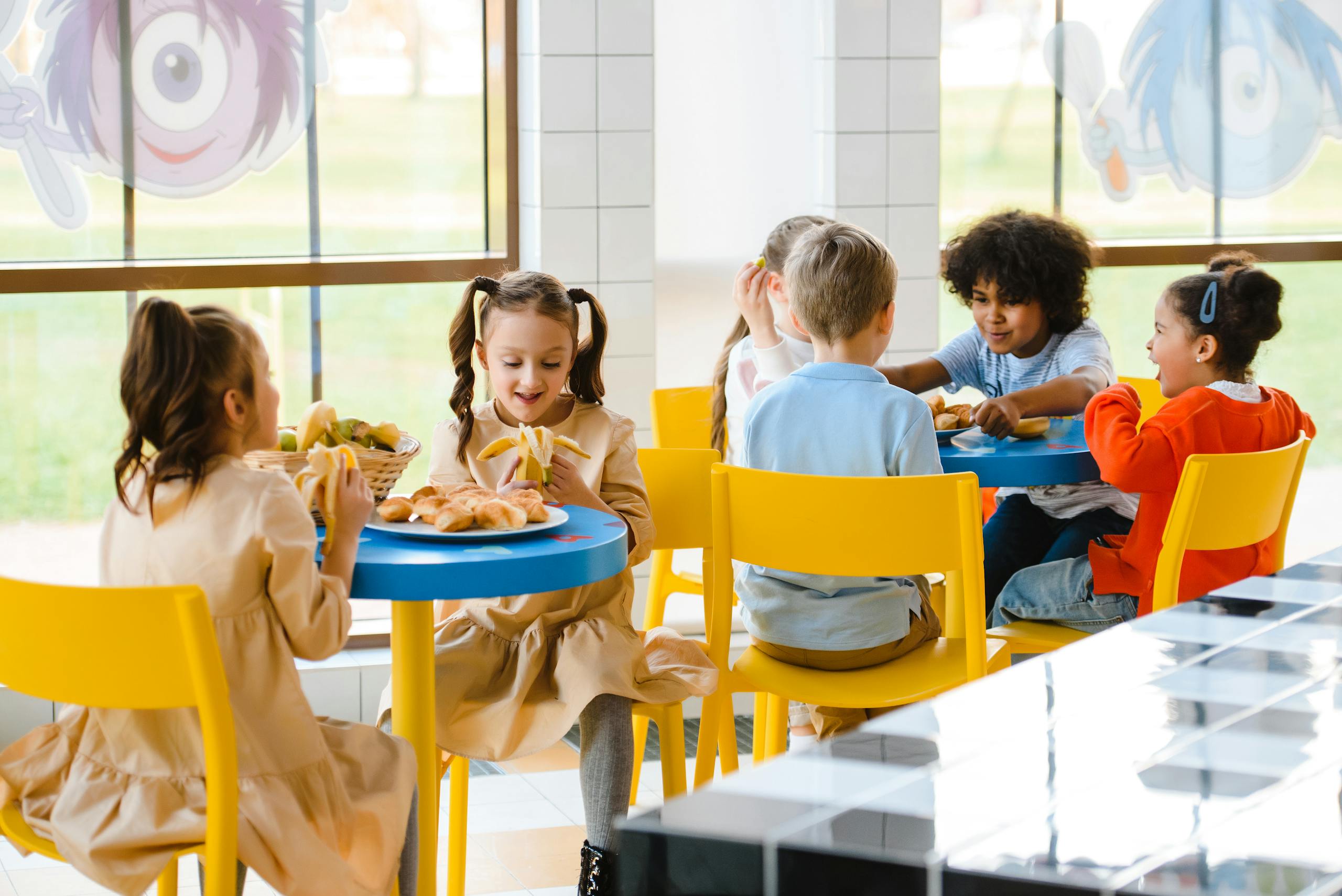
California’s AB 1264 is not a symbolic slap on the wrist for junk food companies. It creates a legal framework for identifying ultra-processed foods of concern and restricted school foods, then gradually pushes those products out of public school food service.
That timeline matters because the law gives the state, vendors, districts, and food manufacturers several years to adjust recipes, procurement contracts, menus, and supply chains. This is not an overnight cafeteria raid. It is a slow restructuring of what California considers acceptable food for children during the school day.
The law also puts pressure on a question the food industry has avoided for years. What exactly counts as ultra processed food? Many parents use the phrase casually to describe chips, soda, candy, frozen snacks, instant noodles, and brightly colored cereals, but regulation needs more precision.
California’s approach gives public health officials the job of defining the category in a school context, with attention to additives, nutrition profiles, health evidence, and ingredients that may encourage overconsumption. That shift matters because it moves the debate away from vibes and into enforceable rules.
Parents Are Shocked by the Foods Now Under Scrutiny
The backlash begins with one uncomfortable truth. Many families grew up eating some of the same foods now facing removal from schools. A packaged muffin, a flavored snack, a frozen entree, a sweet cereal bar, or a processed sandwich item can feel ordinary because it has been marketed as lunchbox friendly for decades.
Parents may see a ban and wonder why something that looked normal yesterday suddenly sounds dangerous today. That emotional reaction is understandable, especially when food memories are tied to childhood, budget pressure, and daily survival.
Yet the concern is not that every processed item is poison. The deeper concern is that some school foods have drifted too far from nourishment and too close to engineered consumption. A product can meet basic calorie needs and still lean heavily on added sugars, sodium, saturated fat, artificial colors, flavor enhancers, emulsifiers, preservatives, or refined starches.
Children do not experience those foods as a policy debate. They experience them as taste, habit, craving, and routine. Once that routine forms in school, it can follow them home.
Ultra Processed Foods Are Now a Childhood Diet Problem
America’s childhood diet has moved far beyond the occasional packaged snack. Ultra processed foods make up a major share of calories for young people, and that reality changes the stakes of school nutrition policy.
When children already get a large portion of their daily intake from processed products outside school, cafeteria choices can either make the pattern worse or help balance it. We should not expect schools to solve the entire American diet, but we should expect them to stop reinforcing the worst parts of it.
The problem becomes sharper when we connect it to childhood obesity, diabetes risk, attention concerns, and long term heart health. No single school lunch causes these issues. The danger sits in repetition.
A sweet breakfast item here, a salty snack there, a processed entree at lunch, a sugary drink after school, and a fast food dinner at night can create a daily pattern that feels normal before families realize how much nutrition has been pushed out. California is using school policy to interrupt that pattern earlier.
The School Lunch Staples Parents May Need to Rethink
Some foods carry a health halo because they appear in schools. A breakfast bar may seem responsible because it has grains on the package. A flavored milk may seem harmless because it contains dairy. A frozen entree may look balanced because it includes protein, sauce, and a grain.
A packaged snack may seem acceptable because it comes in a small portion. California’s law challenges that surface level thinking and asks a tougher question. What is the food actually made of, and does it help children thrive?
Parents should expect the conversation to expand beyond obvious junk food. Soda, candy, and chips are easy targets, but the harder debate will involve products that sit in the gray zone. Some packaged foods provide calories and convenience, yet still rely on industrial ingredients that make them less ideal as daily school staples.
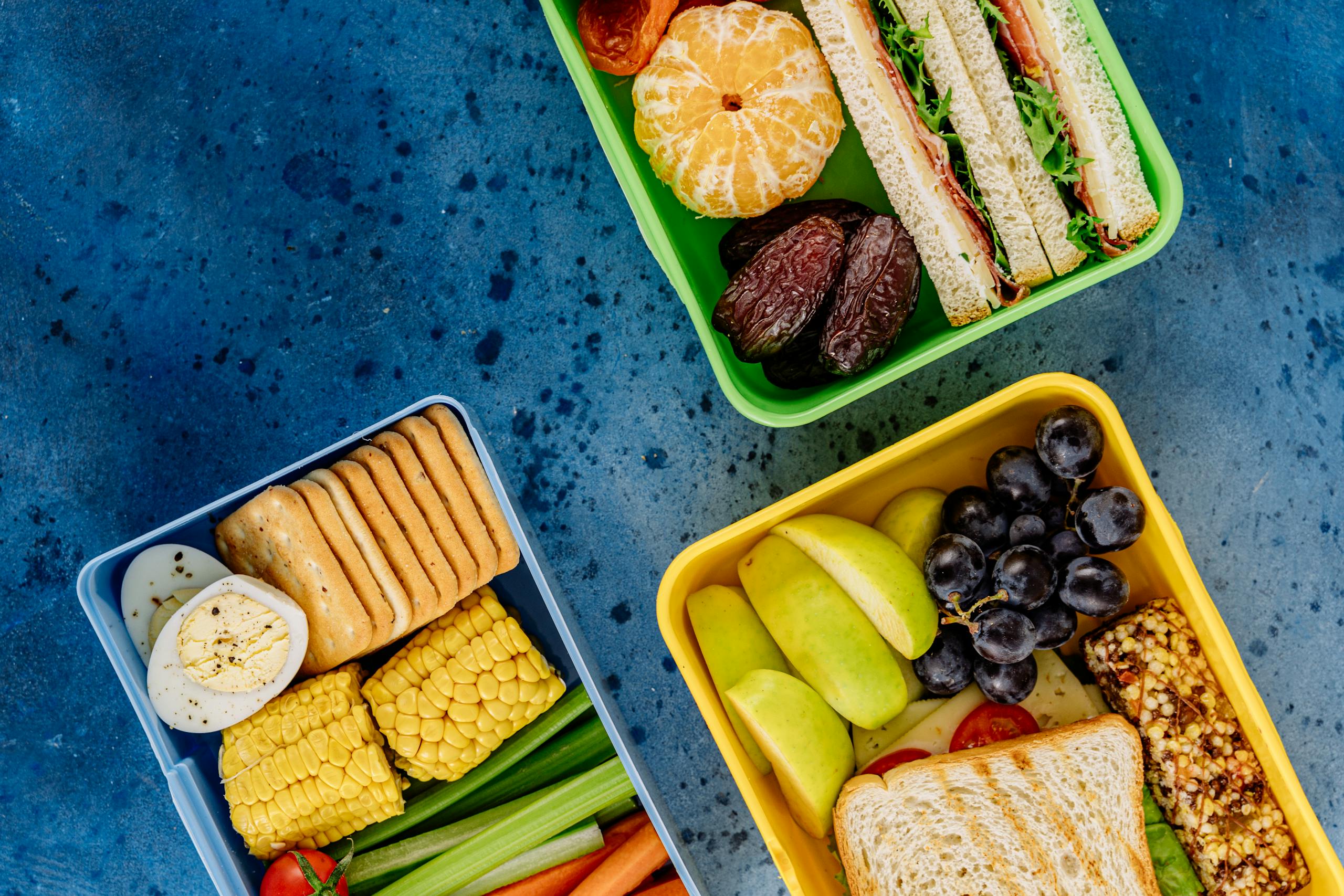
The coming years may push districts to replace certain grab and go products with fresher meals, simpler ingredient snacks, scratch cooked options, California grown produce, minimally processed grains, lean proteins, and cleaner packaged alternatives.
Why This Law Could Pressure Food Companies Nationwide
California is too large for food companies to ignore. When the state changes product standards, manufacturers often face a choice. They can make a California-only version, reformulate more broadly, or risk losing access to a huge school food market.
That is why this law could matter far beyond California’s borders. A cafeteria rule in Los Angeles, Sacramento, or San Diego can quietly influence what vendors offer in Arizona, Nevada, Oregon, Texas, New York, and the rest of the country.
This is the same reason past California food rules attracted national attention. Food companies do not like fragmented rules across states, especially when school contracts, distribution networks, and ingredient sourcing are involved.
If a cleaner product can satisfy California’s requirements and still sell elsewhere, companies may decide reformulation is easier than fighting state by state pressure. Parents outside California may never vote on AB 1264, but they could still see its effects in school menus and grocery shelves.
The Money Problem Schools Cannot Ignore
Healthier school meals sound simple until districts face the budget math. Fresh food requires labor, refrigeration, training, equipment, shorter storage windows, better procurement, and reliable suppliers.
A heavily processed product often wins because it arrives frozen, portioned, predictable, and easy to heat or serve. For underfunded school nutrition departments, convenience is not laziness. It is survival inside a tight system with limited staff, rising costs, and strict meal service deadlines.
California has already invested heavily in universal school meals and kitchen infrastructure, but the transition will still be uneven. Wealthier districts may adapt faster because they already have stronger food service teams, local purchasing relationships, and upgraded kitchens.
Smaller or lower income districts may need more technical help, better reimbursement, and realistic timelines. If the state wants this law to succeed, it must treat implementation as a serious operational project, not a press conference slogan.
What Parents Should Look For on School Menus Now

Parents do not need a chemistry degree to spot warning signs. A school menu that leans heavily on packaged sweet breakfasts, fried or refined grain entrees, processed meats, flavored drinks, dessert like snacks, and salty shelf stable sides deserves a closer look.
Ingredient lists matter because they reveal what menu descriptions often hide. A product can sound simple in a cafeteria flyer and still contain additives, stabilizers, artificial colors, preservatives, and sweeteners that parents would never add in a home kitchen.
We should also look at meal patterns instead of judging one item at a time. One processed food on a busy day may not matter much. A weekly cycle built around processed breakfast pastries, pizza like entrees, nuggets, chips, cookies, and sweet drinks tells a different story.
Parents can ask districts for nutrition information, ingredient lists, vendor details, and plans for adapting to the new California law. Those questions create pressure without turning every lunch conversation into a panic.
What Schools Can Serve Instead of Ultra-Processed Staples
A better cafeteria does not have to mean bland food, expensive food, or food children refuse to eat.
Students can enjoy meals built around roasted chicken, bean bowls, turkey or veggie wraps, baked potatoes, rice and vegetable bowls, pasta with simple sauces, yogurt with fruit, whole grain options, soups, salads, fresh fruit, minimally processed cheese, eggs, and culturally familiar meals made with cleaner ingredients.
The goal should be food children recognize, enjoy, and actually eat, not punishment disguised as wellness.
Schools also need taste education. Children are more likely to accept healthier meals when they see them often, help shape menus, sample new foods, and feel respected rather than lectured. A cafeteria can serve a better bean bowl, but if students feel forced into it with no flavor, no choice, and no cultural relevance, participation may drop.
Healthy school food must be practical, familiar, seasoned well, and served with dignity. Otherwise, students will skip meals or chase snacks after class.
The Political Fight Over School Food Is Just Beginning
California’s law has bipartisan support, which is rare in today’s food politics. That matters because child nutrition can cut through party lines when framed around health, learning, and parental trust. Still, the fight will not stay calm.
Food manufacturers, trade groups, budget hawks, school administrators, nutrition advocates, parents, and students will all push their own concerns. Some will argue the law protects children. Others will warn it could raise costs, reduce menu choice, or demonize affordable foods used by busy families.
The smartest version of this debate avoids lazy extremes. We do not need to pretend every packaged food is evil, and we do not need to pretend the current system is fine.
A serious school food policy should target the worst products, protect access to meals, support districts, and leave room for practical packaged foods with better ingredients. The law’s success will depend on that balance. If California overreaches, it could create backlash. If it stays precise, it could build a model that other states copy.
What This Means for Parents Outside California

Parents outside California should not dismiss this as a local issue. School food rules often spread when one large state proves a model can work. If California manages the rollout without major chaos, other states may introduce similar bills targeting artificial dyes, additives, high sugar school snacks, or ultra processed foods of concern.
The national conversation has already shifted from calories alone to ingredient quality, food design, and long term health effects.
Families can start by asking simple questions at the district level. What percentage of meals are freshly prepared? Which items are heated and served? Which vendors supply the most common breakfast and lunch products?
How often are fruit, vegetables, beans, whole grains, and minimally processed proteins served? Are students eating the healthier options or throwing them away? Those questions move the debate from outrage to accountability.
California’s school lunch crackdown is not really about taking away a child’s favorite snack. It is about drawing a line between feeding students and conditioning them to rely on foods built for shelf life, profit, and repeat consumption. Schools are one of the few places where public policy touches children’s daily habits with real force. That power should be used carefully, but it should not be wasted.
We should expect mistakes, arguments, cost complaints, and messy implementation. We should also expect food companies to adapt faster than they admit.
If California can replace the worst ultra processed school staples with meals that are healthier, practical, affordable, and appealing, the state may prove something bigger than one law. It may prove that children do not have to inherit a cafeteria system designed around convenience first and health second.