Have you ever opened a packet of candy, picked out the red ones first, and wondered why they seem especially tempting? Maybe you reach for the red sweets before the yellow, green, or orange ones without even thinking.
It might seem like a simple personal preference, but there is an interesting explanation behind it. Research into food perception suggests that color can influence how people expect food to taste. And when it comes to sweetness, red has a particularly interesting reputation.
Before blaming your sweet tooth on your favorite candy color, however, there is something worth understanding: your eyes may be influencing what your taste buds expect.
Scientists have explored how colors affect how people perceive food, and their findings suggest the relationship between sight and taste is stronger than many people realize.
Red Is Commonly Associated With Sweetness
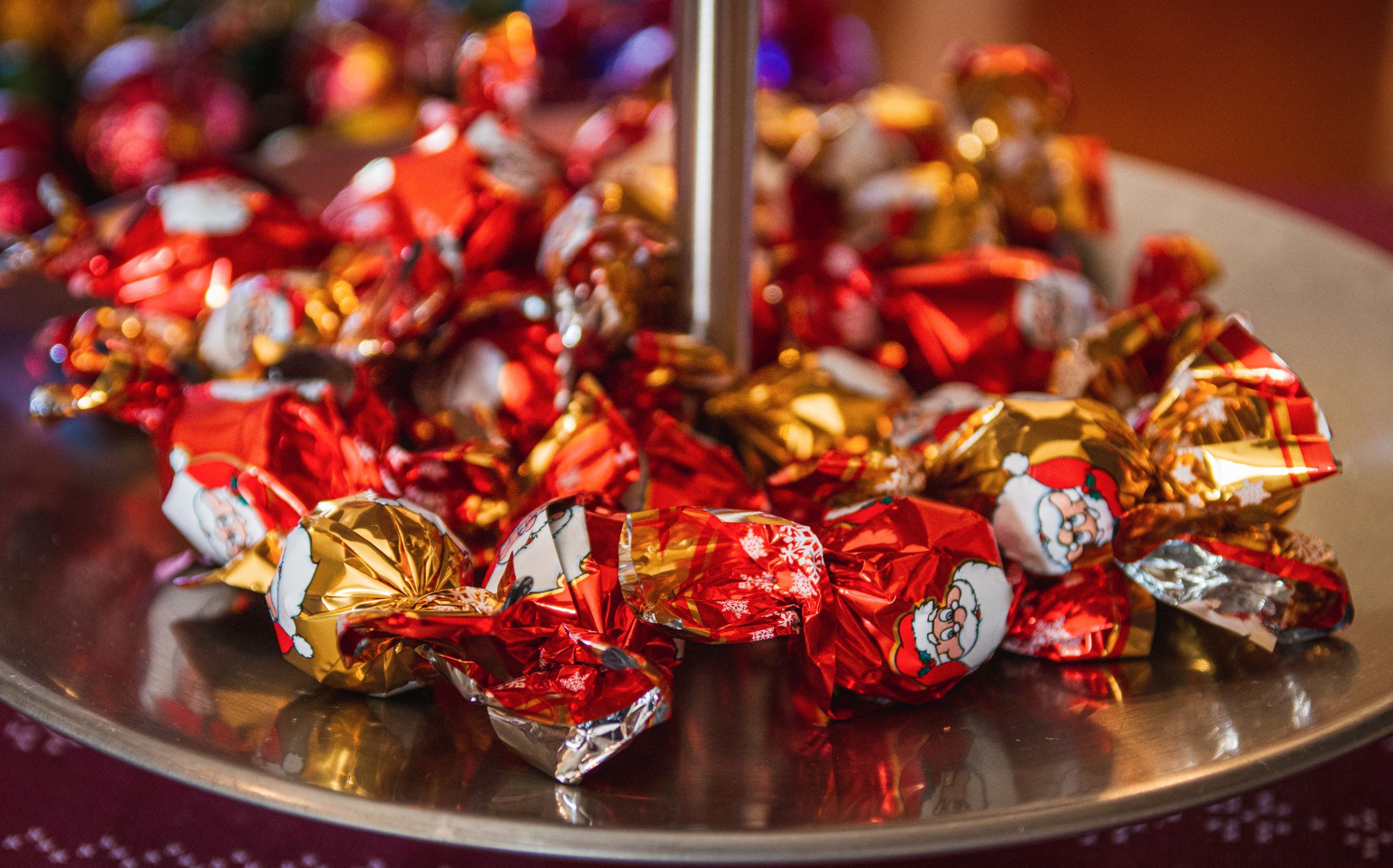
Think about some of your favorite fruit-flavored sweets. Strawberry, cherry, raspberry, and watermelon candies are often presented in shades of red or pink.
Over time, these familiar combinations may help create an association between red and sweetness.
A review published in the journal Foods examined how visual information influences sweetness perception. It found that people frequently associate red-colored foods and drinks with sweetness. Previous experiments also suggested that red coloring can increase expectations of sweetness and influence how sweet certain beverages seem.
The association is not necessarily about the amount of sugar in the product. Instead, the color provides a visual signal that can shape what someone expects before taking the first bite.
That could explain why a red candy looks particularly appealing to someone who enjoys sweet treats.
Your Eyes May Influence What Your Taste Buds Expect
Most people assume tasting is entirely about the tongue. However, eating involves several senses working together.
Before taking a bite, you see the food, notice its appearance, and form expectations about its flavor. Those expectations can influence how you interpret what you eventually taste.
Researchers have studied this relationship through experiments involving colored drinks and food products.
A 2014 study by Souta Hidaka and Kazumasa Shimoda, published in Multisensory Research, investigated how color influences judgments of sweetness. The researchers examined previous findings suggesting that dark red coloring can enhance subjective sweetness.
This does not mean your taste buds suddenly become more sensitive whenever you see something red. Instead, visual information can influence how your brain interprets the eating experience.
In other words, the candy may already look sweeter before it reaches your mouth.
The Color of the Candy Can Matter More Than Its Wrapper
Here is something interesting: the color of the candy itself may influence flavor perception more than the color of its packaging.
A 2018 study published in Food Quality and Preference, titled The Effect of Wrapper Color on Candy Flavor Expectations and Perceptions, examined how colored candy wrappers influenced people’s expectations.
The researchers found that wrapper colors could shape flavor expectations. For example, red packaging could suggest cherry-like flavors, while green could suggest different flavor associations depending on whether the product was a candy or beverage.
However, the researchers also found that the wrapper color did not necessarily change the flavor people perceived when they tasted the candy.
The color of the actual food appeared to influence flavor perception more strongly.
This is an important distinction. A red sweet may look more inviting because of its color, but that does not automatically mean it contains more sugar than the other sweets in the packet.
Red and Pink Often Win the Sweetness Competition
If you were asked to choose between a red drink and a yellow drink without tasting either, which would you expect to be sweeter?
You might be surprised by how strongly color influences such decisions.
A 2018 study published in Foods examined how 205 Finnish adults perceived different colored liquid samples. Participants were asked to rank the samples according to characteristics including sweetness, sourness, healthiness, and pleasantness.
Red and orange were the colors most frequently selected as looking the sweetest, with each receiving 34% of the most-sweet responses.
The findings also revealed differences between participants. Women selected red as the sweetest more frequently than men in the study.
Although the experiment involved visual judgments rather than tasting actual candy, it provides an interesting example of how color can influence expectations about flavor.
So, the next time you reach for pink or red sweets, remember that your preference may be influenced by more than their appearance.
Food Companies Understand the Power of Color
Candy manufacturers pay attention to their products’ appearance for a reason.
A packet of colorful sweets is designed to attract attention, communicate different flavors, and look visually appealing. Color helps customers recognize familiar varieties and form expectations about what they are buying.
Consider the way strawberry, cherry, and other red fruit flavors are commonly represented in confectionery. Consumers have become familiar with these associations through years of seeing similar colors used on food labels and products.
Research published in Food Quality and Preference in 2018 also explored how packaging colors influence expectations about candy and beverage flavors.
The researchers noted that people can develop flavor expectations based on wrapper colors, even before tasting the product.
This makes color an important part of food presentation and marketing. A candy doesn’t need to be tasted before its appearance starts communicating what its flavor might be.
The Red Candy Does Not Necessarily Contain More Sugar
Now, before you start accusing the red sweets in your favorite packet of making you crave sugar, there is an important distinction.
A stronger expectation of sweetness does not automatically mean a product contains more sugar.
Two differently colored candies could have similar ingredients and sugar content but taste different because of their color and flavor expectations.
The same applies to drinks. A red-colored beverage may seem sweeter to someone than a differently colored version, even when the actual sweetness is similar.
Color is only one part of the experience. Ingredients, flavorings, aroma, texture, and personal preferences also contribute to how people experience food.
It would therefore be misleading to suggest that eating red candy causes sugar cravings or that removing red sweets from a packet would eliminate someone’s sweet tooth.
The research is more interesting than that. It demonstrates how much our expectations can influence an everyday experience.
Your Favorite Candy Color May Be a Learned Preference
Not everyone reaches for the red sweets first. Some people prefer orange, purple, green, or yellow varieties.
Personal experiences, familiar flavors, and childhood memories can all influence food preferences. Someone who associates red candies with delicious strawberry flavors may naturally gravitate toward them.
Another person might prefer purple sweets because they associate that color with grape flavor.
These preferences are not necessarily universal. Cultural experiences, familiarity with particular products, and individual taste preferences all play a role.
Research into color and taste associations suggests that people learn to connect certain visual cues with particular flavors. These associations can become so familiar that they influence expectations without much conscious thought.
That is why two people can look at the same packet of sweets and immediately reach for completely different colors.
So, Is Your Sweet Tooth Really the Fault of the Red Ones?
Not exactly. Red candies aren’t secretly making you crave sugar, and there is no scientific basis for blaming one candy color for a person’s sweet tooth.
However, research offers an interesting explanation for why red sweets can seem especially appealing.
Red is strongly associated with sweetness, and visual information can shape people’s expectations about food before they taste it.
So, the next time you open a packet of colorful candy and find yourself picking out the red ones first, consider this: you might be responding to a familiar connection between color and flavor.
And perhaps the most interesting question is whether you would still choose the red ones if someone handed you the same sweets in a completely different color.
Would you still reach for the red candies first, or does your favorite color depend entirely on the flavor you associate with it?