Ever walk into a restaurant planning to spend $20 on dinner, only to leave with a $45 bill and no idea how you got there? You ordered the meal, added a drink, accepted the server’s suggestion, and somehow dessert sounded like a brilliant idea. It might not have been entirely your decision. Many restaurant menus follow a carefully thought-out strategy designed to influence what you order, how much you spend, and which dishes catch your attention.
The Most Expensive Dish May Not Be There to Sell
Sometimes, the priciest item on the menu has another job entirely.
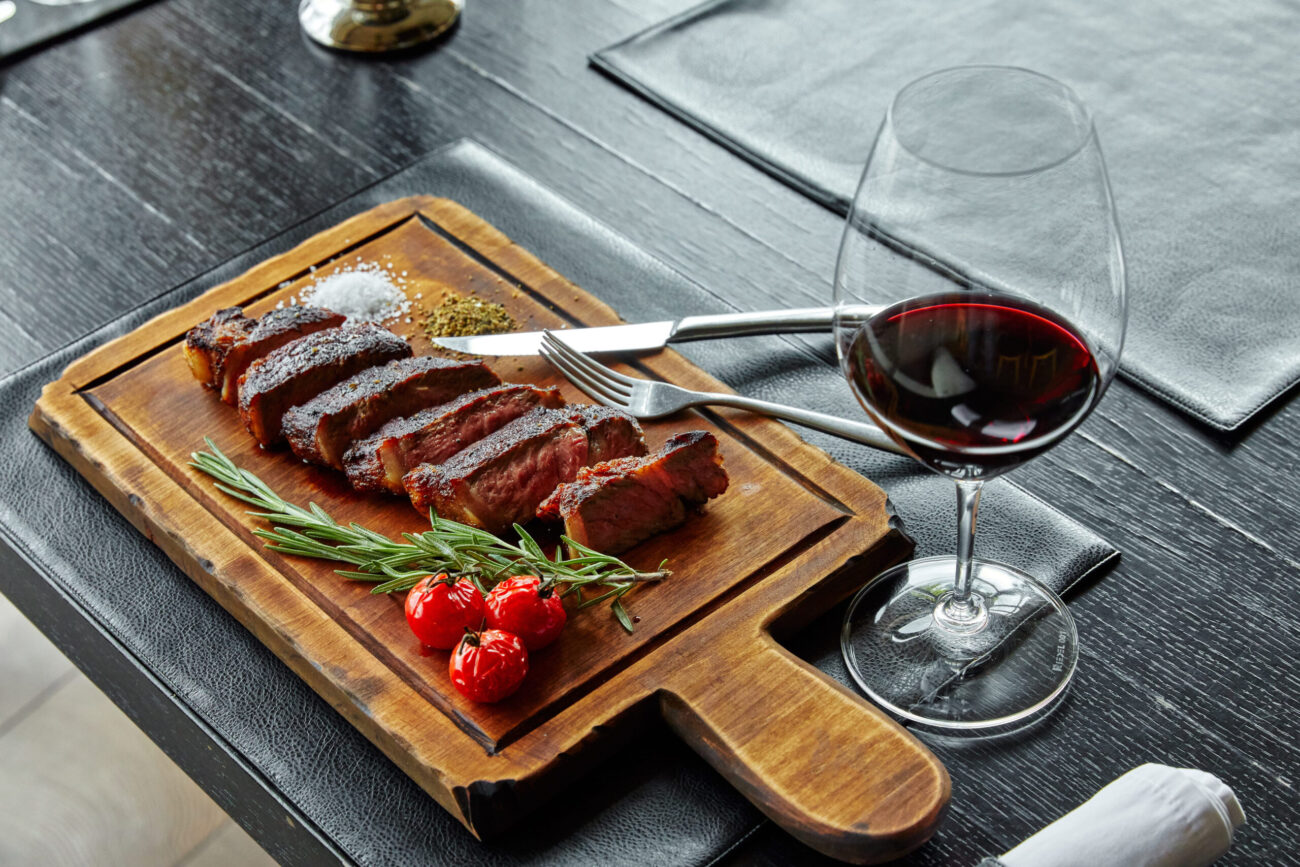
Imagine a restaurant offering three steak options: a $28 sirloin, a $42 ribeye, and a $75 premium steak. You might not order the $75 steak, but the $42 ribeye suddenly looks like a reasonable middle-ground choice.
This is an example of price anchoring. The most expensive option creates a reference point that changes how you perceive the other prices. Restaurants may use this approach to make certain dishes feel more affordable without actually reducing their prices.
The strategy is sometimes called decoy pricing, especially when an option is designed to make another choice look more appealing. It is a technique explored in restaurant menu psychology.
Why the Menu Doesn’t Always Put Prices in a Straight Column
That little design choice could change what you order.
Have you noticed how some restaurant menus list prices directly beside each dish, while others tuck them neatly at the end of the description?
There is a reason for that. When prices are arranged in a straight column, customers can quickly scan down the page and compare costs. That makes it easier to choose the cheapest option.
Some restaurants instead place prices beside each dish, using spacing and descriptions to encourage diners to consider the food rather than simply comparing numbers. The idea is to make the menu feel like a collection of delicious possibilities instead of a financial spreadsheet.
Related: Foods You Are Too Embarrassed to Order at a Restaurant
The Dish Descriptions Are Doing More Than Making You Hungry
A few carefully chosen words can make an ordinary meal sound extraordinary.
Compare these two descriptions: “Chicken with potatoes.” “Herb-roasted chicken served with buttery potatoes and a rich pan sauce.” Same basic ingredients, but the second version sounds like something worth ordering on a special evening.
Words like “slow-roasted,” “handcrafted,” “wood-fired,” and “house-made” can suggest care, freshness, and quality. When diners believe a dish offers a more memorable experience, they may be more willing to pay for it.
Restaurants also use emotional language. “Grandma’s Sunday Pot Roast” sounds comforting and familiar in a way that “Beef with vegetables” doesn’t.
Why Your Eyes Might Land on the Most Profitable Dish
The menu layout may guide your attention before you even realize it.
Restaurants often use boxes, bold lettering, spacing, or small illustrations to make selected dishes stand out. These design choices can highlight items the restaurant wants customers to notice, including dishes with higher profit margins.
Menu engineering combines sales information and profitability with thoughtful design. Restaurants analyze which meals sell frequently and which generate the most profit, then decide how to feature them. The menu engineering guide from WebstaurantStore explains how layout, descriptions, and item placement can influence purchasing decisions.
The Dessert Menu Is a Clever Final Invitation
When you think you’re finished ordering, another opportunity appears.
After the main course, the server may bring a dessert menu or casually mention the restaurant’s signature cheesecake. Suddenly, you’re imagining chocolate, caramel, ice cream, and a sweet ending to the evening.
Desserts can be attractive additions for restaurants because they offer another sale after the main meal. Some restaurants also feature desserts that can be prepared in advance and served in individual portions.
If you’ve already spent money on dinner, adding a little more may feel less significant than it would at the beginning.
The Specials Board Creates a Sense of Discovery
A dish not on the regular menu can feel worth trying.
A restaurant’s daily special might sound exciting because it is described as seasonal, freshly prepared, or available for a limited time. That sense of discovery can make diners feel they are getting something exclusive.
The special may genuinely be delicious and worth the price. But its presentation can also encourage customers to order without carefully comparing it to the regular menu.
Related: 22 Red Flags That Scream ‘Run’ When Dining At A Restaurant
How to Enjoy the Meal Without Getting Carried Away
You don’t have to stop enjoying restaurant menus to become a smarter diner.
Before ordering, decide roughly how much you want to spend. Look at the menu as a whole rather than automatically choosing the dish that has the most impressive description. Ask questions about portion sizes, sides, and whether a special is included in any meal deal. If you’re interested in dessert, you can always decide after you’ve eaten.
And remember, a restaurant experience isn’t only about the price. Sometimes paying a little more for a dish you genuinely love is worth it. The next time you open a restaurant menu, take a moment to notice what catches your eye first. Is it the expensive steak, the beautifully described pasta, or the dessert that suddenly sounds irresistible?
Have you ever gone to a restaurant planning to order one thing, only to leave having spent much more than you expected?