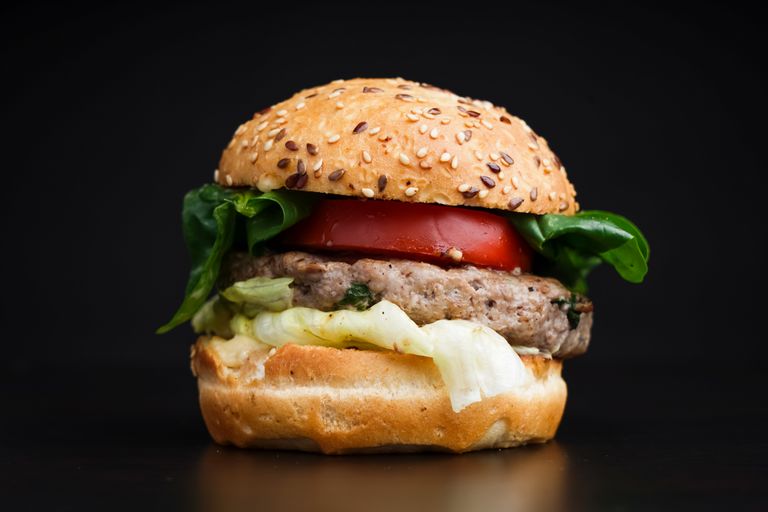
You might be eating dairy without even realizing it. And no, we’re not talking about obvious foods like cheese, ice cream, or yogurt. Some everyday grocery staples, including bread, potato chips, and even certain processed meats, can contain milk ingredients that are easy to overlook.
According to the U.S. Food and Drug Administration (FDA), milk is one of the nine major food allergens that must be identified on most packaged food labels. The Cleveland Clinic also highlights several unexpected foods that may contain dairy, making it worth taking a closer look at what’s actually in your shopping cart.
The tricky part? Just because a food doesn’t look creamy or taste like milk doesn’t mean it’s dairy-free. Here are 12 foods that might surprise you.
Bread and Bakery Products
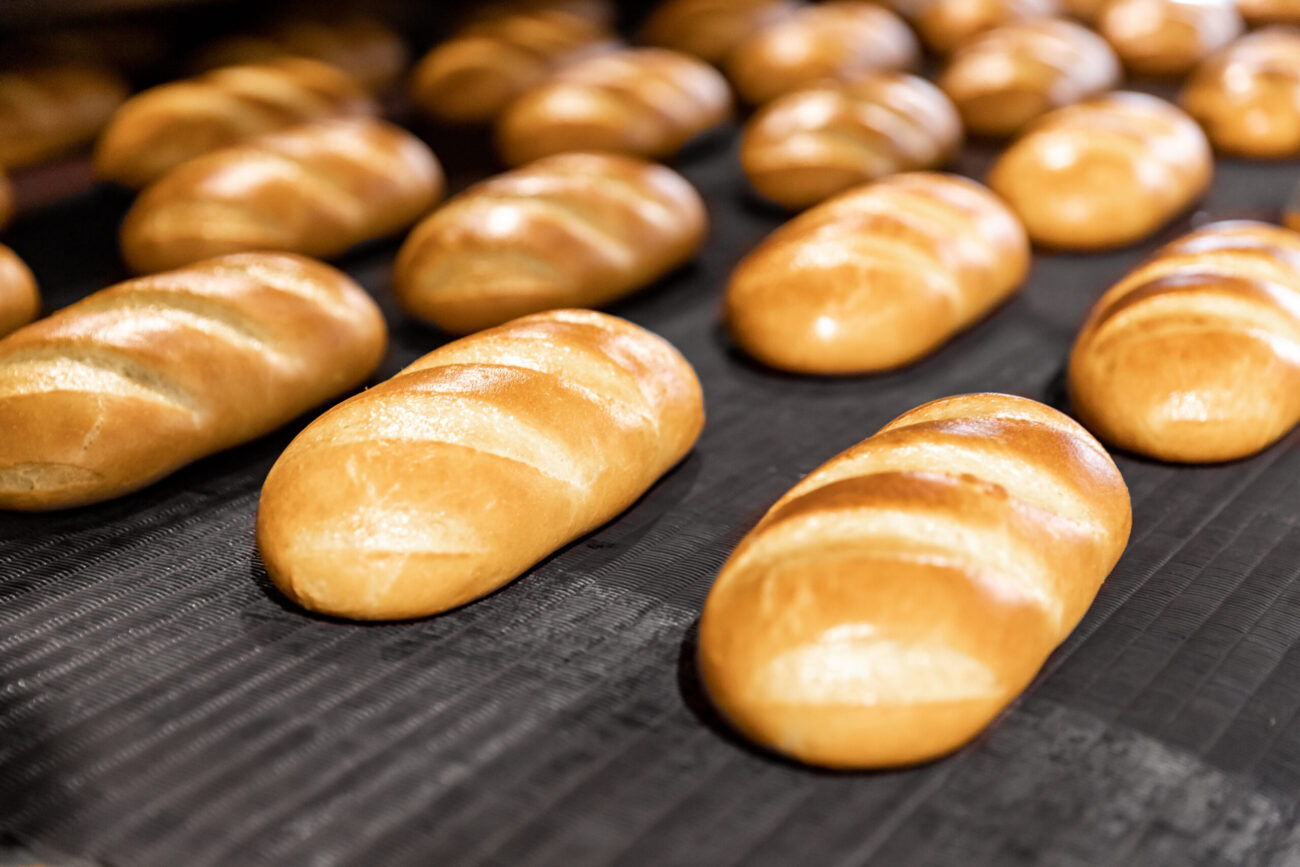
That innocent-looking loaf of bread on your kitchen counter might contain more than flour, yeast, water, and salt. Some commercially produced breads include milk powder, whey, or butter to enhance flavor and texture.
Soft dinner rolls, brioche, sandwich buns, and sweet breads are particularly worth checking. Some packaged hamburger and hot dog buns even contain milk-derived ingredients.
Fortunately, plenty of breads are made without dairy. The easiest way to tell is to read the ingredient list rather than assume that all bread follows the same recipe.
Flavored Potato Chips
Potatoes, oil, and salt sound pretty dairy-free, right? That’s generally true for plain potato chips, but flavored varieties can tell a different story.
Sour cream and onion chips are an obvious example, but some barbecue, ranch, and other seasoned varieties may also contain whey, cheese powder, buttermilk, or other milk ingredients.
The National Institute of Diabetes and Digestive and Kidney Diseases specifically identifies flavored chips as a processed-food category that may contain lactose. So before you grab your favorite bag, take a few seconds to check the seasoning ingredients.
Hot Dogs and Deli Meats
Most people don’t think about milk when preparing a turkey sandwich or grilling hot dogs. However, some processed meats can contain dairy-derived ingredients.
Some hot dogs, sausages, and packaged lunch meats may contain milk proteins and other milk-based ingredients. The Cleveland Clinic and Food Allergy Canada both identify processed meats as potential dairy sources.
This doesn’t mean you need to give up your favorite sandwich fillings. It simply means checking the packaging, especially when switching brands or trying a new variety.
Instant Mashed Potatoes
Those convenient boxes and packets of instant mashed potatoes can save plenty of time during a busy dinner. However, some varieties already contain milk powder, butter, or other dairy ingredients before you add anything yourself.
That’s especially common with products marketed as buttery, creamy, or fully seasoned. Even when the preparation instructions only require water, dairy ingredients may already be included in the dry mixture.
If you’re trying to avoid dairy, look for plain potato flakes without milk ingredients. You can then prepare them with your preferred dairy-free additions.
Salad Dressings
A colorful bowl of vegetables might seem like an easy dairy-free meal until you reach for the dressing.
Creamy ranch, blue cheese, and Caesar-style dressings often contain dairy. But even dressings that don’t look particularly creamy may include cheese, whey, or buttermilk, depending on the recipe.
The good news is that many vinaigrettes use straightforward combinations of oil, vinegar, and seasonings. Just remember, a dressing’s name doesn’t guarantee what’s inside the bottle.
Dark Chocolate
Here’s one that might disappoint chocolate lovers. Dark chocolate isn’t automatically dairy-free, even though many traditional formulations contain less milk, or none at all.
Some manufacturers add milk fat, milk powder, or other dairy ingredients for a specific flavor or texture. Others make dairy-free dark chocolate but produce it on equipment that also handles milk chocolate.
According to the Cleveland Clinic, some dark chocolate products contain milk, so anyone avoiding dairy should check labels. Look for clearly labeled dairy-free varieties rather than relying on the cocoa percentage alone.
Margarine and Butter Substitutes
Margarine is often associated with vegetable oils, which can make it seem like an obvious butter replacement. But not all margarine or butter-flavored spreads are dairy-free.
Certain products contain whey, lactose, or other milk-derived ingredients. These additions can appear even when vegetable oil is the main ingredient.
If avoiding dairy matters to you, don’t assume a product labeled as a butter alternative is suitable. Check the ingredients and look for a clearly identified dairy-free or vegan option.
Related: 7 Highly Addictive Foods That Trigger the Same Reward System as Drugs
Non-Dairy Coffee Creamers
This might be the most confusing item on the list. How can something described as a non-dairy creamer contain an ingredient derived from milk?
Some coffee creamers marketed as non-dairy contain sodium caseinate, a milk-derived protein. Although the product may not resemble traditional milk or cream, that ingredient still comes from dairy.
The Cleveland Clinic notes that “non-dairy” doesn’t necessarily mean a product is free of milk derivatives. If you want to avoid milk entirely, check for casein and caseinate.
Canned Tuna
Plain tuna packed in water or oil might seem like the last place you’d expect dairy. However, certain prepared, flavored, or processed tuna products can contain milk-derived ingredients.
Health Canada identifies some canned tuna products as potential sources of milk, particularly those with added seasonings or flavorings.
This doesn’t mean every can of tuna contains dairy. Plain varieties may have very short ingredient lists, while flavored options can be more complicated. What matters is checking the exact product.
Breakfast Cereals
A bowl of cereal with milk is obviously a dairy-containing breakfast. But what about eating the cereal dry or pouring a plant-based beverage over it?
Some breakfast cereals, especially flavored or coated varieties, may already contain milk ingredients. Depending on the product, these can include milk powder, whey, or dairy-containing chocolate coatings.
The NIDDK identifies breakfast cereals as a packaged food group that may contain lactose.
If you’re avoiding dairy, don’t focus only on what you’re pouring into the bowl. The cereal itself deserves a quick ingredient check.
Soup Mixes and Bouillon
A bowl of vegetable soup may sound dairy-free, but packaged soups can contain unexpected ingredients.
Cream-based soups are obvious candidates, but certain powdered soup mixes, instant noodle seasonings, bouillon products, and prepared sauces can also contain milk-derived ingredients.
Sometimes these additions appear in the seasoning mix rather than the dish’s main components.
If you’re making soup at home, choose a simple broth and add your own vegetables and seasonings for more control. For store-bought soups, always check the full ingredient list.
Granola Bars and Snack Bars
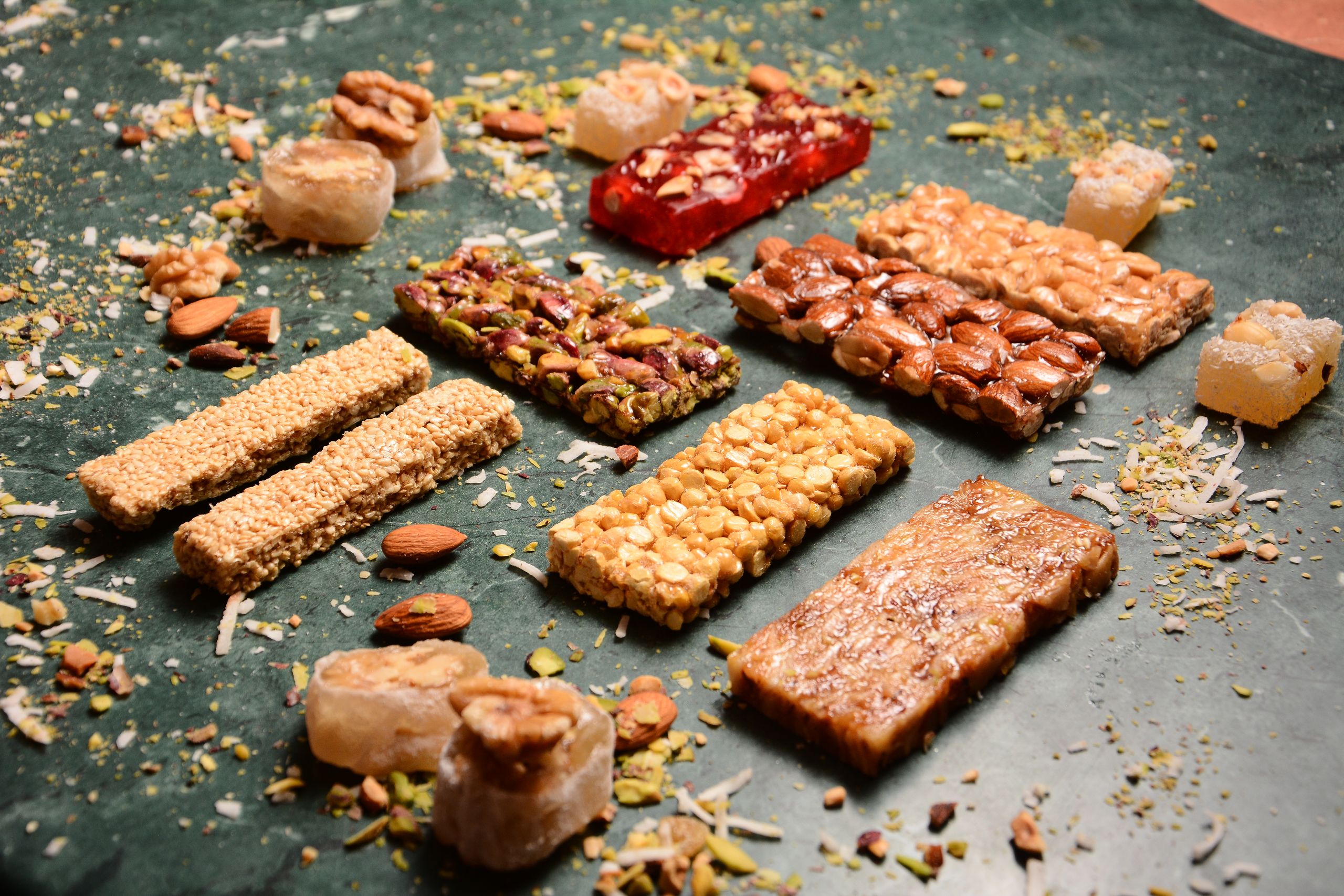
Granola bars often look like straightforward combinations of oats, nuts, seeds, and dried fruit. But some also contain milk chocolate, yogurt-flavored coatings, whey protein, or other dairy ingredients.
Even bars without an obvious chocolate coating can include dairy-derived ingredients.
Food Allergy Canada identifies certain fruit and granola bars as possible sources of milk. That makes the ingredient list more informative than the product’s appearance or marketing description.
How to Spot Hidden Dairy on Food Labels
The FDA requires milk allergens to be declared on most packaged foods it regulates when milk ingredients are used. However, milk doesn’t always appear simply as the word “milk” in the ingredient list.
Watch for terms such as whey, casein, caseinate, milk solids, buttermilk, and lactose. Some products also include a separate “Contains: Milk” statement, although it’s not required when milk is already identified in the ingredients.
Not every unfamiliar ingredient is dairy-derived. For example, cocoa butter, calcium lactate, and cream of tartar do not inherently contain milk protein, despite their names.
It’s also important to distinguish lactose intolerance from a milk allergy. Lactose-free products may still contain milk proteins, so lactose-free does not necessarily mean dairy-free.
Finally, ingredients can change without much warning. The FDA recommends reviewing labels every time you purchase a packaged food, even if you’ve bought the same product before.
The Bottom Line
Dairy can show up where you’d least expect it, from your morning coffee creamer to the potato chips you grab during movie night. But that doesn’t mean every bread, snack, or packaged food on this list contains milk.
A glance at the ingredients can make all the difference. Next time you’re grocery shopping, you might discover that some of your most familiar foods hide dairy in plain sight.