Baby boomers are not refusing modern products because they hate change. Many simply know the difference between real value and clever marketing. They grew up in a world where furniture lasted, appliances worked without apps, and people bought things because they needed them, not because everyone online was talking about them.
That practical mindset still shapes how many boomers spend money in 2026. They are cautious about products that feel overpriced, fragile, complicated, wasteful, or unnecessary. In a shopping culture built around constant upgrades, boomers often stand out for one powerful reason: they still believe a purchase should prove its worth.
Smart Refrigerators That Make Cold Storage Too Complicated
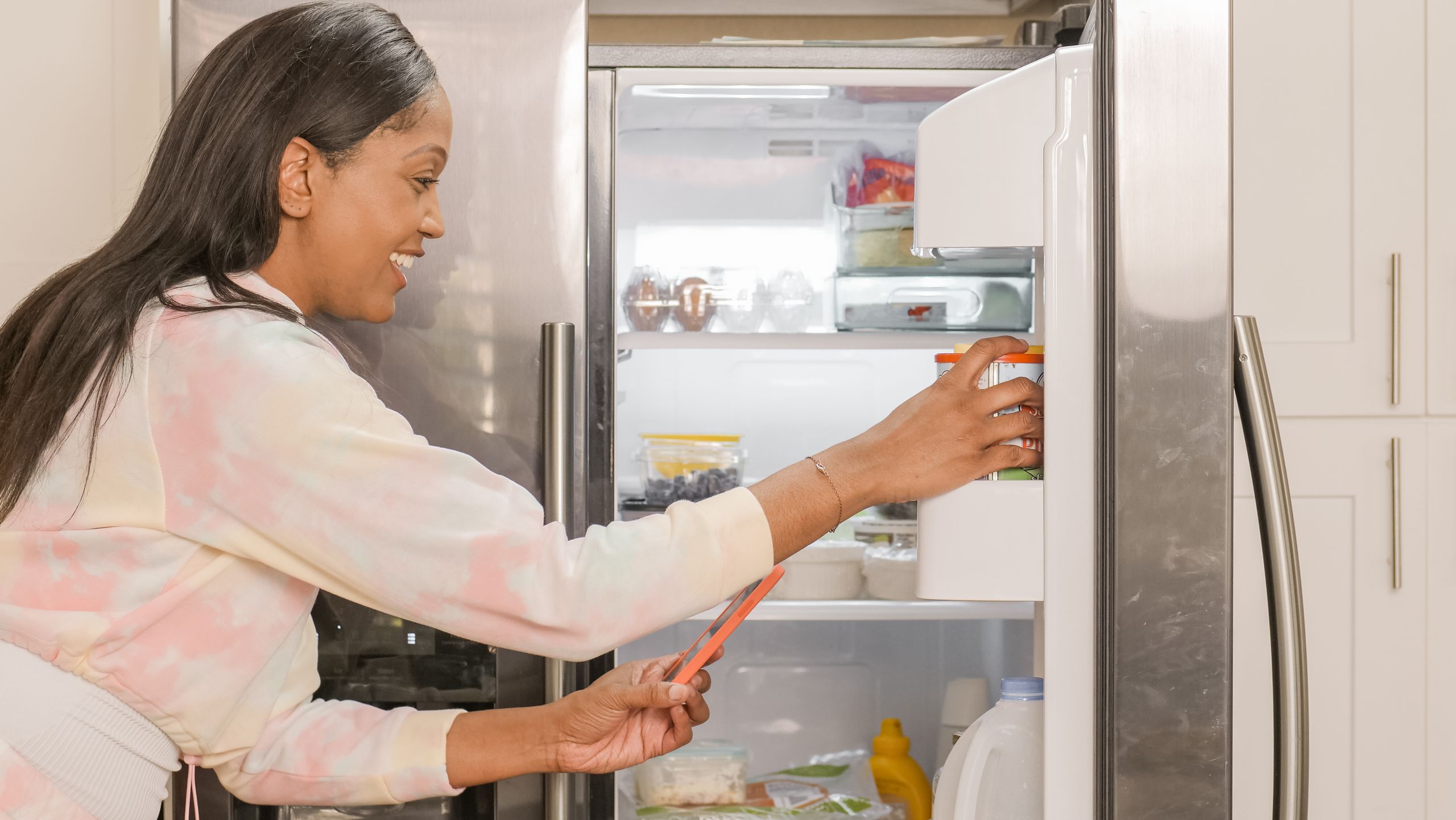
Many boomers see smart refrigerators as a perfect example of technology going too far. A fridge should keep food cold, store groceries safely, and run for years without creating drama. When a refrigerator starts offering Wi-Fi, touchscreens, cameras, app alerts, and shopping reminders, many boomers begin to wonder why a simple appliance suddenly needs a digital personality.
The concern is not just the price. Smart features can make repairs more expensive, parts harder to find, and basic use more confusing. A traditional refrigerator feels dependable because it does not need software updates or an internet connection to do its job. For many boomers, the best fridge is still the one that works quietly in the kitchen without asking for a password.
Flat-Pack Furniture That Feels Cheap and Frustrating
Furniture that arrives in a box with dozens of screws and confusing instructions rarely excites boomers. Many remember buying solid tables, dressers, cabinets, and chairs that arrived ready to use. Spending hours assembling a bookshelf can feel less like saving money and more like paying to do the company’s work.
Durability is the bigger issue. Boomers often prefer furniture with weight, real wood, and long-term strength. They have seen cheap particleboard pieces wobble, chip, and fall apart after one move. Instead of chasing trendy designs that may not last, many would rather invest in sturdy furniture that can survive years of daily use.
Air Fryers and Trendy Kitchen Gadgets That Crowd the Counter

Air fryers, mini waffle makers, smoothie blenders, and other trendy kitchen gadgets may appeal to younger shoppers, but many boomers remain skeptical. They already know how to cook with ovens, stovetops, skillets, slow cookers, and basic kitchen tools. To them, another appliance often looks like one more bulky item fighting for counter space.
Their hesitation comes from experience. Many have watched popular gadgets become cabinet clutter after a few uses. A product may look exciting on social media, but boomers usually ask a simple question: Will this still be useful next year? If the answer is unclear, they are more likely to keep using the tools they already trust.
Meal Kits That Make Groceries Feel Overpriced
Meal kits promise convenience, but many boomers see them as expensive groceries with extra steps. They already know how to plan meals, shop wisely, use leftovers, and cook without pre-portioned ingredients. Paying more for chopped vegetables, tiny sauce packets, and recipe cards often feels unnecessary.
Waste is another problem. Insulated boxes, plastic wraps, ice packs, and single-use containers can make one dinner feel overpackaged. Boomers who grew up reusing containers and stretching ingredients often dislike that level of waste. For them, cooking is not just about convenience. It is about skill, thrift, and common sense.
Virtual Reality Headsets That Feel Isolating
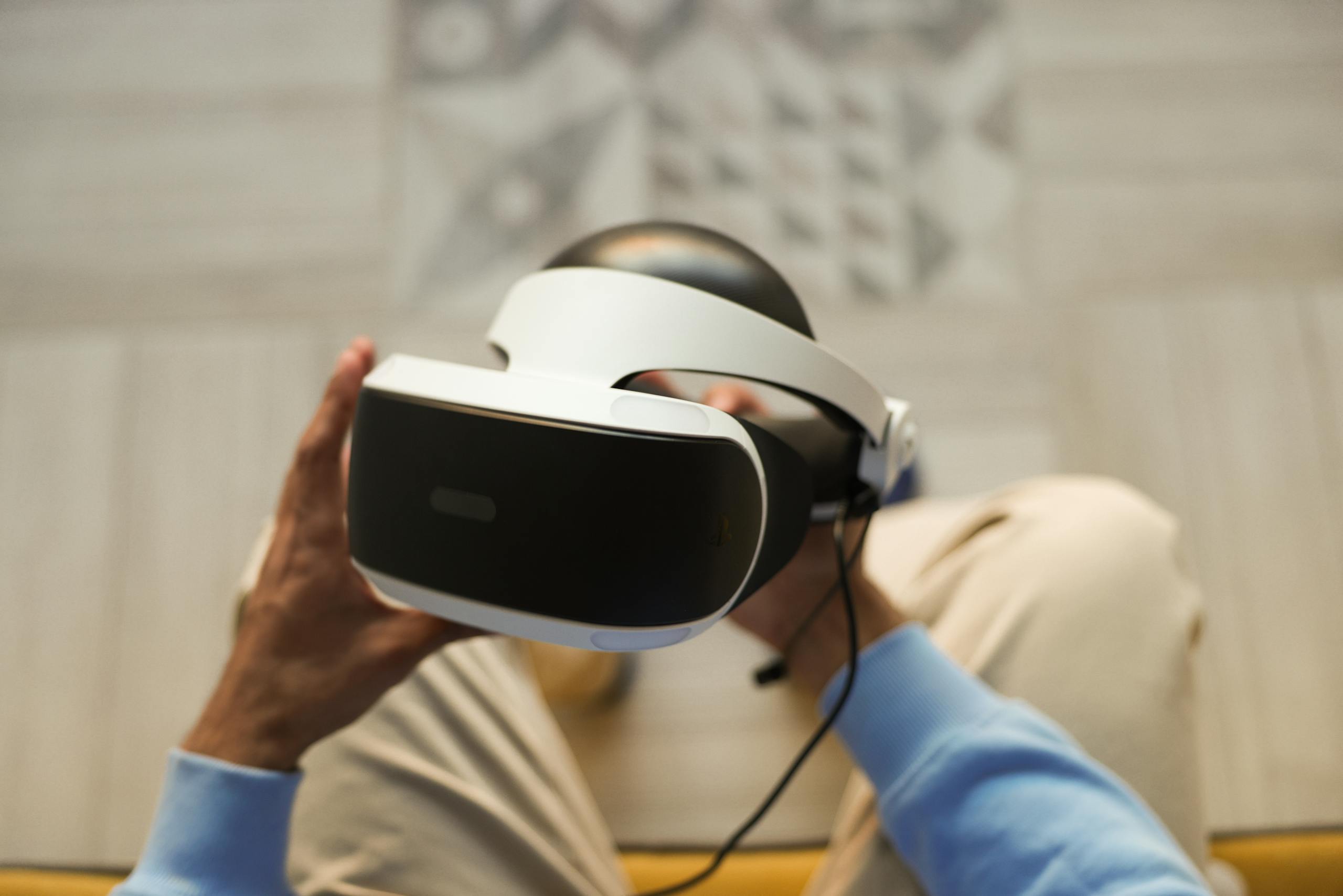
Virtual reality headsets may look futuristic, but many boomers do not see the everyday value. The devices can feel bulky, awkward, and disconnected from real life. Instead of bringing people together, VR can place one person inside a private digital world that others in the room cannot fully share.
Boomers often prefer entertainment that feels social and familiar. Watching television, reading, traveling, gardening, playing cards, or spending time with family feels more natural than wearing a headset. VR may have useful roles in training or medicine, but as a household entertainment purchase, many boomers still see it as an expensive gadget without enough practical purpose.
Subscription Boxes That Turn Spending Into a Surprise Bill
Subscription boxes do not appeal to many boomers because they remove control from shopping. Paying every month for mystery products can feel wasteful, especially when the box includes items they would never choose in a store. Boomers often prefer to see, compare, and select what they buy instead of paying for surprise deliveries.
The automatic billing also raises concern. A small monthly fee can quietly become hundreds of dollars a year. Add unused items, extra packaging, and forgotten renewals, and the excitement starts to look expensive. Many boomers would rather spend intentionally than let a subscription decide what shows up at their door.
Fast Fashion That Falls Apart Too Quickly

Many boomers avoid fast fashion because they remember when clothes were expected to last. A coat, a pair of shoes, or a good shirt was something people bought carefully and wore for years. Today’s cheap, trend-driven clothing often feels too thin, too temporary, and too wasteful for their taste.
They also dislike the pressure to keep replacing perfectly usable clothes just because trends change. Boomers often prefer classic styles, stronger fabrics, and better stitching. They would rather buy fewer quality pieces than fill a closet with items that lose shape after a few washes. To them, cheap clothing is not always a bargain if it needs constant replacing.
Robot Vacuums That Do Not Replace Real Cleaning
Robot vacuums sound convenient, but many boomers are not convinced they clean as well as traditional vacuums. A regular vacuum gives them control. They can push it where needed, focus on dirty areas, and finish the job without waiting for a small machine to wander around the room.
Robot vacuums also come with their own chores. They need charging, emptying, cleaning, app setup, and clear floors to work properly. If a device meant to save time creates new tasks, boomers quickly notice. Many would rather use a dependable vacuum that works hard without needing sensors, maps, or a phone connection.
Digital-Only Books That Lack the Comfort of Print
Many boomers still prefer printed books because they feel real, lasting, and personal. A physical book does not need a battery, charger, update, password, or internet connection. It can sit on a shelf for years and still open exactly where the reader left it.
Digital books are useful for travel and storage, but they do not replace the feeling of turning pages for many older readers. The cover, paper, notes, bookmarks, and bookshelf all become part of the reading experience. To many boomers, a book is more than words on a screen. It is something to own, keep, share, and remember.
Smart Home Assistants That Raise Privacy Concerns
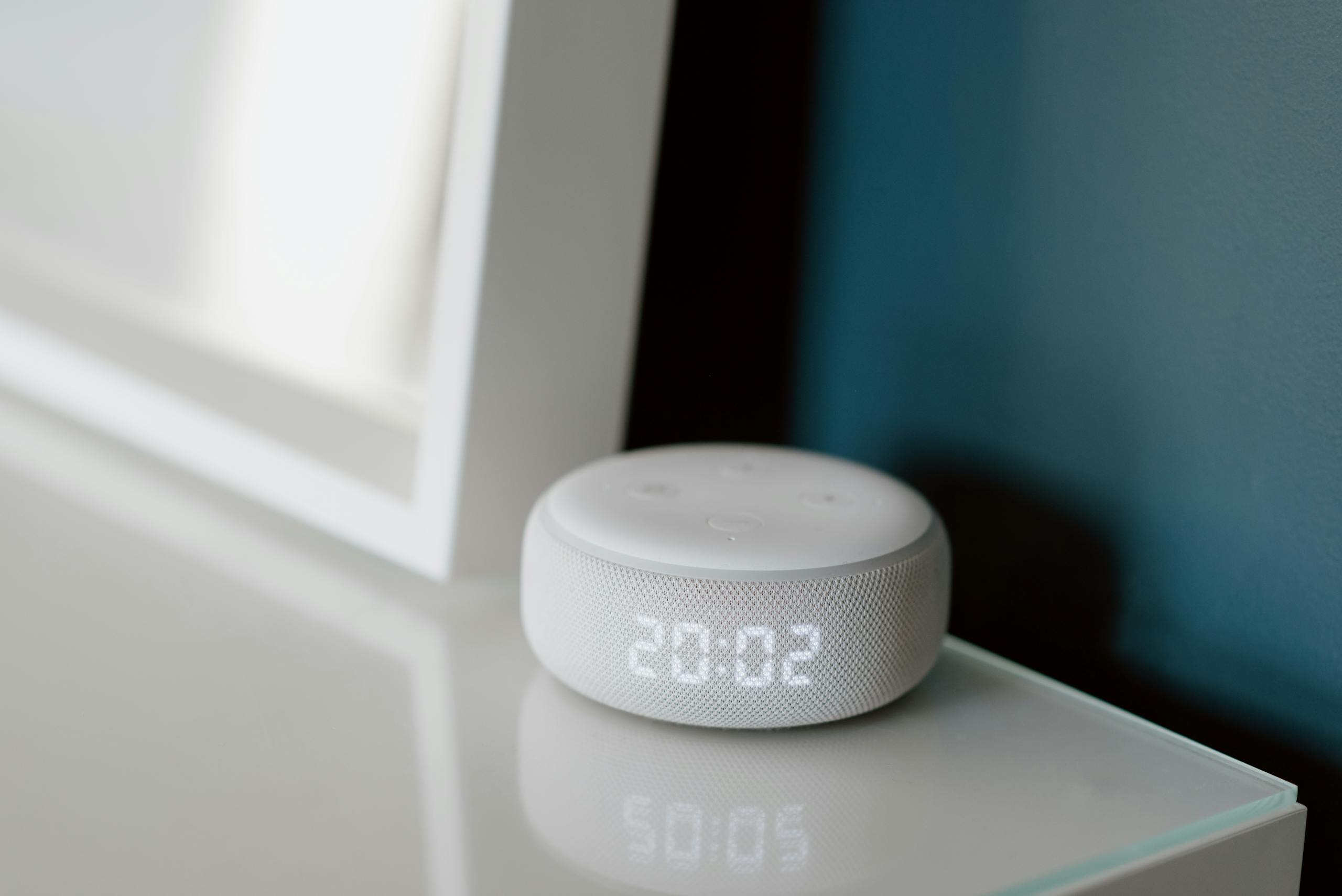
Smart speakers and voice assistants make many boomers uncomfortable because they bring listening devices into private spaces. Even when companies offer privacy settings, some boomers still wonder who controls the data, where recordings go, and what happens when the device becomes outdated or hacked.
They also question the need. Turning on a light, playing music, checking the weather, or setting a timer can still be done without talking to a device. For boomers who value privacy and simplicity, a smart assistant may feel like a solution to a problem they never had. If convenience comes with suspicion, many would rather leave it in the store.
Key Takeaway
Boomers refuse to buy many popular products in 2026 because they value durability, simplicity, privacy, and real usefulness. They are not impressed by every trend, subscription, gadget, or app-connected upgrade. Their spending habits carry a simple lesson for everyone: if a product costs more, complicates life, or solves nothing important, walking away may be the smartest purchase of all.