Your refrigerator might be doing more harm than good to some of your favorite foods. While keeping groceries cold seems like the smartest way to preserve them, certain fruits, vegetables, and pantry staples actually perform better outside the fridge.
The U.S. Department of Agriculture (USDA) recommends storing foods such as bananas, potatoes, sweet potatoes, and dry onions in a dry place rather than refrigerating them. Other foods need a little more attention because their ideal storage conditions change as they ripen.
Before you put away your next grocery haul, check these 10 common foods that might deserve a different spot in your kitchen.
Tomatoes
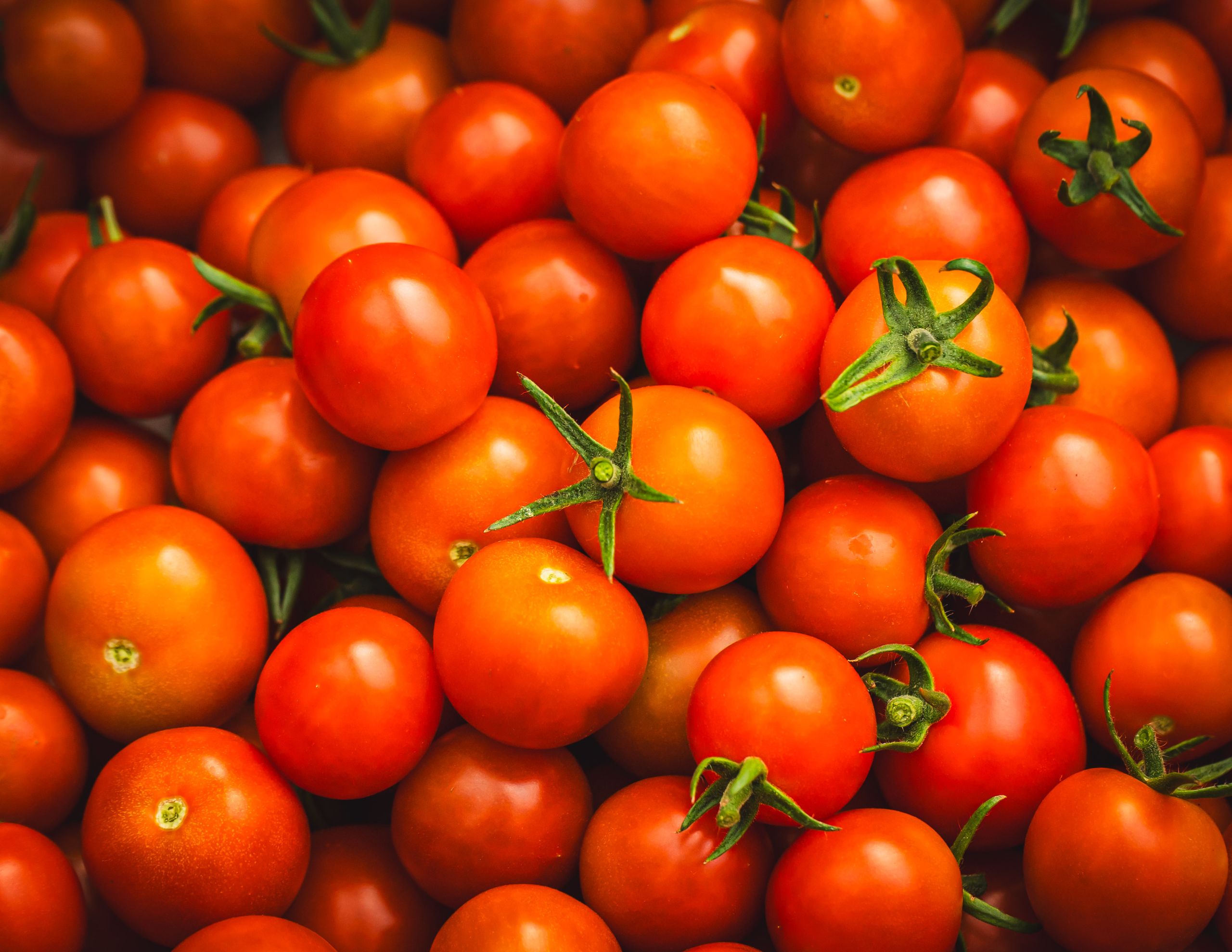
Nothing beats the rich flavor of a perfectly ripe tomato, especially when you’re making homemade salsa, sandwiches, or a fresh summer salad. However, refrigerating tomatoes before they ripen can disrupt their natural ripening process and affect their texture.
Whole, unripe tomatoes generally do best on the countertop, away from direct sunlight. Give them enough space so they aren’t piled on top of one another, and check them regularly as they ripen.
There’s an important exception, though. Once tomatoes are fully ripe, refrigeration can help them last longer. Health Canada recommends refrigerating ripe tomatoes and using them within a few days, while cut tomatoes must always be refrigerated.
Potatoes
If you’ve been keeping a bag of raw potatoes in your refrigerator, you might want to reconsider.
Potatoes prefer a cool, dark, dry location with good air circulation. Refrigeration can shift the balance of sugars and starches in raw potatoes, which can affect how they cook, especially when frying or roasting.
The USDA specifically lists potatoes among the vegetables that should be kept in dry storage at approximately 60 to 70 degrees Fahrenheit. A cooler pantry or suitable storage room can also work, as long as the potatoes are protected from light, excessive warmth, and moisture.
Avoid leaving potatoes in direct sunlight, which can encourage greening. Also, check them regularly and discard potatoes that are severely green, rotten, or otherwise spoiled.
Onions
Onions are kitchen essentials that can last surprisingly well with proper storage. But keeping whole, dry onions in the refrigerator isn’t usually necessary.
According to the National Onion Association, dry bulb onions should be stored in a cool, dry, well-ventilated location. Plastic bags are a poor choice because they restrict airflow and can shorten storage life.
A breathable basket, mesh bag, or ventilated pantry shelf works better for most ordinary yellow, white, and red storage onions. Keep them separate from potatoes, as the moisture around stored produce can encourage deterioration.
Once you peel or cut an onion, the rules change. Refrigerate it in a sealed container, and remember that green onions and some sweeter onion varieties have different storage needs.
Bananas
Ever put a bright yellow banana in the refrigerator only to discover that its peel has turned dark?
Bananas are sensitive to cold temperatures, particularly before they finish ripening. Refrigerating green bananas can disrupt their normal ripening process, leaving you with fruit that doesn’t develop the sweetness and texture you expected.
Instead, keep unripe bananas at room temperature, away from direct sunlight and excessive heat. The USDA lists bananas among produce that’s best kept out of the refrigerator.
Once bananas are fully ripe, however, refrigeration can slow further ripening. Their skins may darken, but the fruit inside is still usable.
For bananas that have become too soft, freezing peeled pieces for smoothies or banana bread is another practical way to avoid waste.
Garlic
Garlic belongs in a surprising number of American favorites, from buttery garlic bread to roasted vegetables and pasta sauces. Unfortunately, whole garlic bulbs don’t generally benefit from sitting in a refrigerator drawer.
Cold, damp conditions can encourage unwanted changes in stored garlic, including sprouting and deterioration. Whole bulbs keep best in a cool, dry, well-ventilated place.
A breathable container or small mesh basket in a suitable pantry works better than a sealed plastic bag.
Government food-storage guidance recommends keeping garlic in a cool, dry location with airflow.
However, peeled or chopped garlic needs different handling. Refrigerate prepared garlic promptly, and never store homemade garlic-in-oil mixtures at room temperature because they can pose a botulism risk.
Bread
Refrigerating bread sounds like a sensible way to prevent spoilage, but there’s a catch.
Bread tends to go stale faster in the refrigerator because changes in its starch structure affect its texture. That means your soft sandwich loaf may lose its appealing texture even if visible mold takes longer to develop.
For bread you’ll eat soon, room-temperature storage in appropriate packaging can preserve its softness better. Keep it in a cool, dry spot away from direct sunlight.
If you bought more bread than your household can finish, freezing is generally the better option for longer storage. Slice the loaf before freezing so you can remove exactly what you need.
One exception is a particularly warm or humid kitchen, where mold can develop quickly. In those conditions, freezing bread promptly may be the most practical solution.
Avocados
Few things are more frustrating than cutting into an avocado that hasn’t ripened properly.
Firm, unripe avocados generally belong on the kitchen counter, not in the refrigerator right away. Room-temperature storage allows them to soften naturally so they’re ready for guacamole, avocado toast, or your favorite sandwich.
Check their firmness daily, especially in a warm kitchen. Once an avocado reaches your preferred ripeness, refrigerating it can help slow further softening.
Government produce-storage guidance lists avocados among fruits that can be kept at room temperature until ripe, then moved to the refrigerator.
Remember that cut avocados are different. Wrap or seal the remaining portion and refrigerate it promptly rather than leaving it on the counter.
Related: Stop Putting These Foods in the Fridge: Common Storage Mistakes That Are Ruining Your Groceries
Sweet Potatoes
Sweet potatoes are another vegetable that deserves more consideration before refrigeration.
Unlike many leafy vegetables, raw sweet potatoes don’t thrive in the refrigerator. Prolonged exposure to cold temperatures can affect their texture and how they cook.
The USDA recommends storing sweet potatoes in a cool, dry place rather than refrigerating them.
Keep whole, uncooked sweet potatoes in a cool, dry place with good ventilation. Avoid washing them before storage because excess surface moisture can encourage deterioration.
One distinction is worth remembering: refrigerate cooked sweet potatoes promptly. Once they’ve been baked, mashed, or added to a casserole, they should be treated like other perishable leftovers.
Fresh Basil
If your fresh basil keeps turning dark in the refrigerator, the cold may be part of the problem.
Basil is particularly sensitive to low temperatures, which can damage its delicate leaves. Instead of remaining bright and appealing, refrigerated basil may develop blackened patches.
Government produce guidance recommends storing fresh basil at room temperature in a sealed container because cold temperatures can cause the leaves to blacken.
For short-term storage, keep basil out of direct sunlight and check it regularly. Clean, dry leaves can be kept in suitable packaging, while freshly cut stems may do well standing in a little water on the counter.
Don’t assume the same storage method works for every herb. Parsley, cilantro, and many other tender herbs generally benefit from refrigeration.
Whole Melons
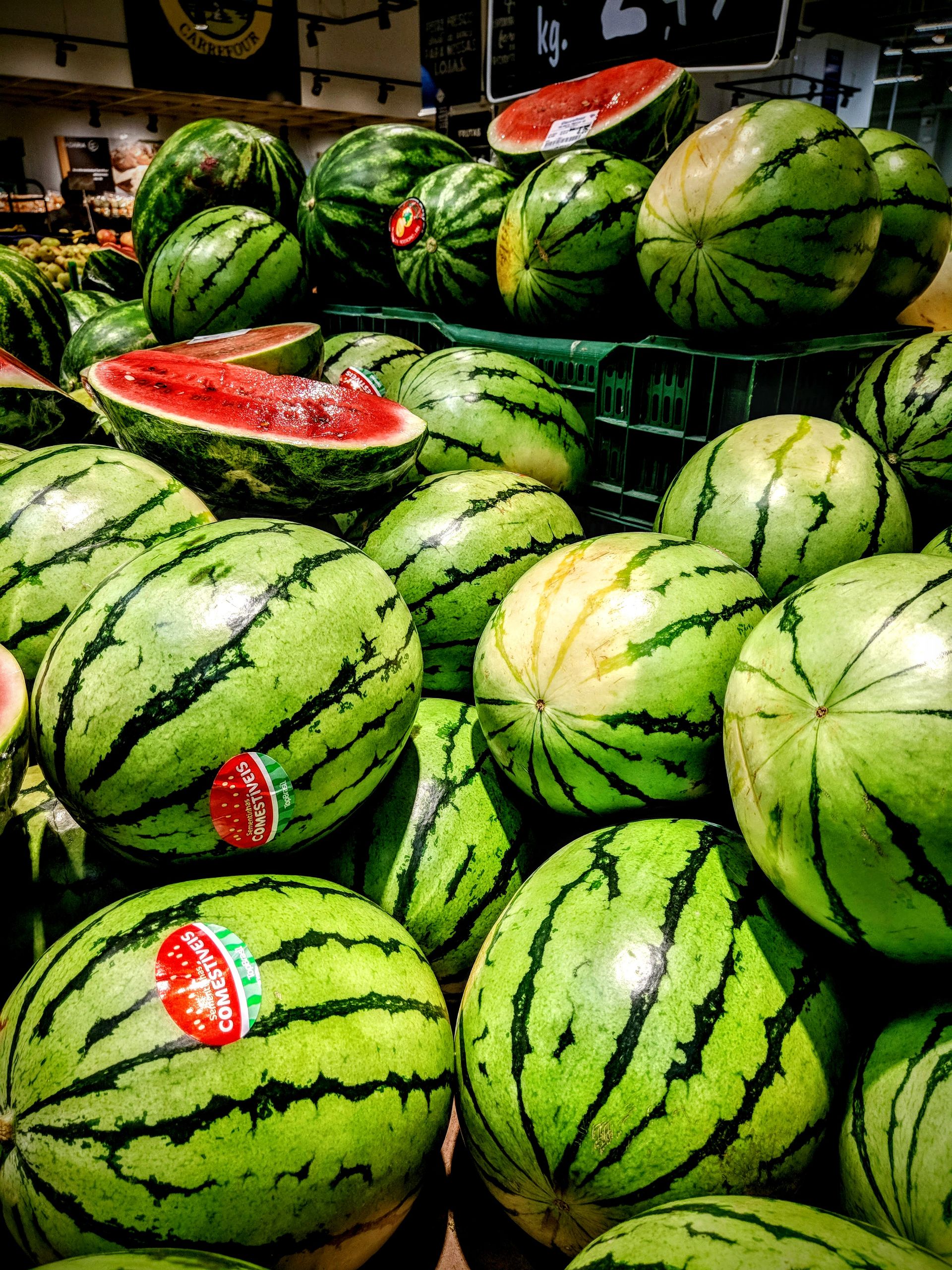
A whole watermelon or cantaloupe can take up a lot of refrigerator space. Fortunately, you don’t necessarily need to refrigerate it immediately.
Many whole melons can be stored at room temperature before cutting, especially if they still need to ripen. Government guidance includes melons among produce that can stay at room temperature until ripe, then be refrigerated to extend freshness.
This is especially useful when you’re planning a backyard cookout or preparing fruit for a family gathering. However, don’t keep melons in an excessively hot kitchen.
Once you slice a melon, refrigerate it. Store cut fruit in covered containers, and don’t leave it at room temperature for more than two hours.
The Storage Rule You Should Never Ignore
Although these foods often benefit from time outside the refrigerator, that doesn’t mean everything should stay on your kitchen counter.
The Centers for Disease Control and Prevention recommends keeping refrigerators at 40°F or below. Refrigerate perishable foods within two hours, or within one hour when temperatures exceed 90°F.
Fresh produce that has been peeled, cut, or cooked often requires refrigeration even when the whole, unprepared food can safely be stored at room temperature. Always follow package instructions when they specify refrigeration.
The bottom line? Your refrigerator is an excellent tool, but it isn’t the perfect home for every grocery item. A few simple changes to where you store your food could help preserve flavor, maintain quality, reduce unnecessary waste, and free up valuable refrigerator space.