You don’t always need a new recipe to make dinner taste better. Sometimes, the biggest improvement comes from changing a few small things you already do in the kitchen.
A pan that is too crowded, garlic added at the wrong moment, or vegetables left too close together on a baking sheet can all change the final result. The good news is that these are easy habits to fix, and you don’t need expensive equipment or complicated techniques.
Here are seven common kitchen habits worth changing if you want your everyday meals to come out more flavorful and better textured.
1. You’re Putting Too Much Food in the Pan
When you’re cooking for several people, it can be tempting to put everything into one skillet and get the job done in one round. The problem is that a packed pan doesn’t always give ingredients the space they need to brown properly.
It explains that crowded vegetables can release steam and end up softer instead of developing the browned, crisp edges many cooks want. The same basic principle applies to other foods that benefit from direct contact with a hot cooking surface.
If your skillet looks completely packed, consider cooking in batches. It might add a few minutes, but it gives each ingredient more room to make contact with the pan and develop color.
The same idea works in the oven. Serious Eats recommends spreading vegetables in a single layer rather than piling them together, since space helps prevent steaming and encourages browning.
2. You Add Garlic Without Thinking About How You Want It to Taste
Garlic isn’t a one-flavor ingredient. How you cut it can influence how strong and noticeable its flavor becomes.
A recent Serious Eats test compared eight ways to prepare garlic, from leaving a clove whole to slicing, chopping, mincing, pressing, and grating it. The test found that whole and smashed garlic produced milder flavors, while pressed and grated garlic created a much sharper, more pronounced flavor.
That means you can actually choose your garlic preparation based on the dish. Want garlic to sit quietly in the background? A whole or smashed clove may be the better choice. Want it to make a stronger statement? Finely minced or grated garlic can give you considerably more intensity.
And don’t forget timing. Bon Appétit notes that chopped garlic can burn quickly, especially when you add it to a very hot pan too early.
3. You Treat the Highest Heat Setting Like a Shortcut
Turning the heat all the way up can feel like an easy way to get dinner finished faster, but cooking isn’t always a race.
Different ingredients respond differently to heat, and garlic is a perfect example. Bon Appétit’s guidance recommends being careful about cooking garlic at excessively high temperatures because it can burn quickly.
The better approach is to think about what you’re trying to achieve. Sometimes you want a quick sear. Other times, you’re gently cooking aromatics or letting a sauce simmer.
Matching the heat to the job gives you much more control. Instead of asking, “How quickly can I cook this?” ask, “What texture and flavor am I trying to create?”
That small change in thinking can make you a much more confident cook.
4. Your Vegetables Don’t Have Enough Room to Brown
If roasted vegetables regularly come out soft and pale instead of browned around the edges, take another look at your baking sheet.
Bon Appétit recommends roasting vegetables at around 400 to 450 degrees Fahrenheit and leaving enough space between pieces. The publication’s food editor, Roman, also advises stirring vegetables once or twice during roasting so different sides have a chance to brown.
The goal isn’t to make every vegetable crispy. It’s about creating the combination of textures that makes roasted food more interesting.
So before putting that tray in the oven, spread everything into a single layer. If the vegetables are touching everywhere, use a second baking sheet instead of forcing everything onto one.
5. You Use the Same Garlic Technique Every Time
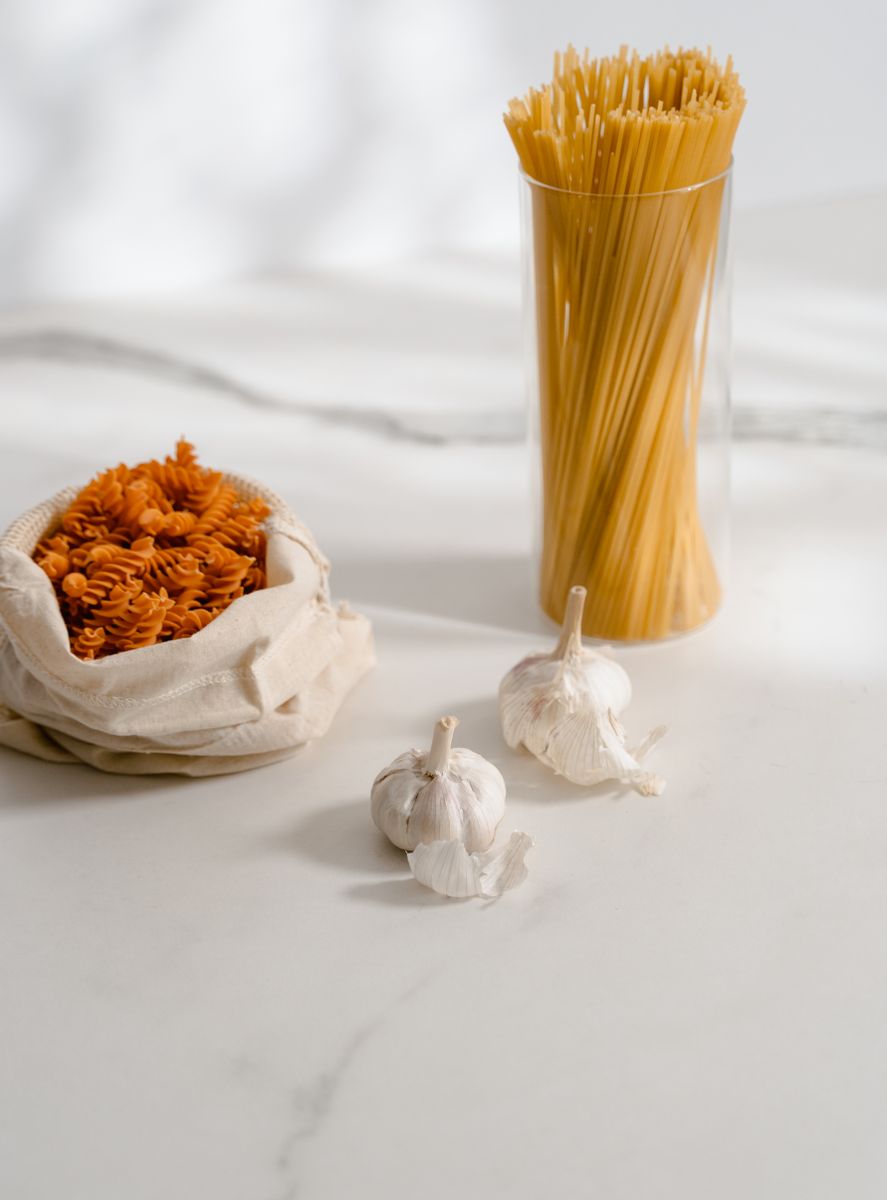
Once you understand that garlic preparation affects intensity, there’s another habit worth breaking: assuming every recipe needs garlic prepared exactly the same way.
Serious Eats’ testing found a clear progression in flavor intensity depending on how much the garlic was broken down. Sliced and chopped garlic landed somewhere in the middle, while minced, mashed, pressed, and grated versions became progressively more pungent.
That gives you another way to customize a recipe without changing its ingredient list.
For a long-cooked soup or braise, a whole or smashed clove can provide a gentler background flavor. For a dressing or other preparation where garlic needs to stand out, finely grated garlic can make a much bigger impression.
It’s a small technique, but it gives you more control in the kitchen.
6. You Pour All the Pasta Water Down the Sink
Here’s one kitchen habit that can be changed almost instantly: stop automatically throwing away all your pasta water.
That cloudy water contains starch released from the pasta, and it can be useful when finishing a sauce. Bon Appétit recipes regularly reserve pasta water and use it to help bring pasta and sauce together.
Instead of draining every drop, scoop out some cooking water first. Then add a little to your sauce while tossing the pasta.
The key is moderation. You don’t need to pour in a huge amount. Add it gradually until the sauce reaches the consistency you want.
It is one of those simple habits that costs nothing and can become part of your normal pasta routine.
7. You Don’t Give Your Food a Chance to Develop Flavor
One of the easiest ways to improve your cooking is also one of the simplest: pay attention while the food is actually cooking.
That means noticing whether your vegetables are browning, whether your garlic is getting too dark, and whether your sauce needs adjusting before everything reaches the table.
Seasoning is another part of that process. Bon Appétit’s pasta guidance, for example, recommends seasoning the cooking water and reserving some of it for finishing the dish.
Tasting and observing as you cook lets you make small adjustments instead of discovering at the dinner table that something isn’t quite right.
Cooking doesn’t have to be a rigid sequence where you follow instructions and wait for a timer. Once you start paying attention to what’s happening in the pan, you can make better decisions as you go.
Small Changes Can Make a Big Difference
Better cooking doesn’t necessarily require more ingredients, expensive appliances, or complicated recipes. Often, it comes down to giving your food enough space, choosing the right heat, and paying attention to how you prepare ingredients.
Start with one habit the next time you’re cooking. Spread your vegetables out. Give garlic the right amount of time. Save some pasta water. Or simply slow down enough to notice what is happening in the pan.
Those little changes can make everyday cooking more deliberate, and a lot more enjoyable.