We all trust our freezers to preserve leftovers, bulk buys, and quick meals. But hidden beneath frost-covered lids are items that quietly ruin flavor, texture, and sometimes even safety. A gray slab of meat, frost-crusted berries, or unlabeled leftovers can turn a promising meal into a disappointment. Freezer burn, thawing and refreezing, and improper storage gradually strip food of the qualities that once made it worth saving.
A smarter freezer strategy is organized, labeled, and rotated. Anything that smells odd, looks frostbitten, or has no identity should be tossed. Regular inspections prevent wasted money and mealtime frustration. Here are nine foods that deserve the axe before they ruin your dinner.
Frosty Frozen Vegetables
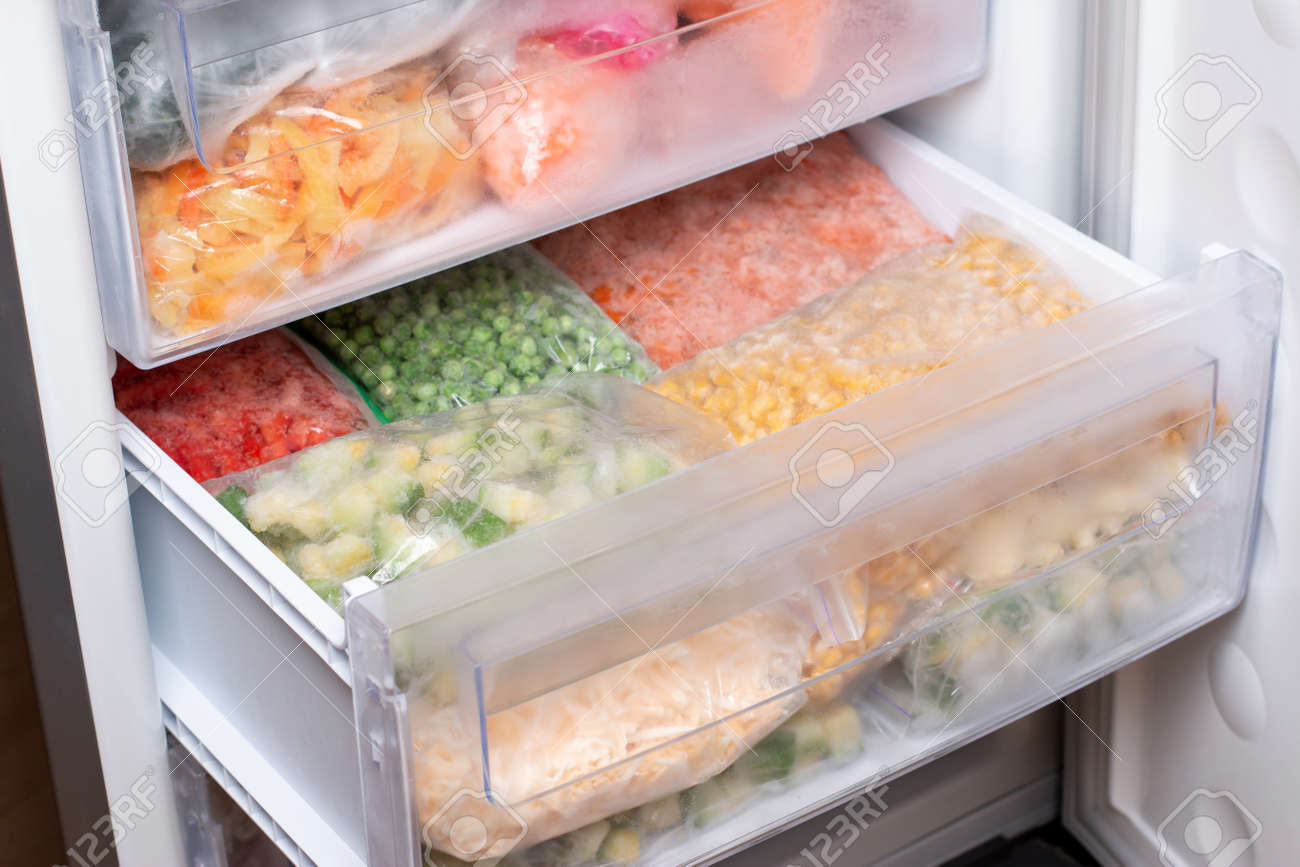
Frozen vegetables are convenient, nutritious, and budget-friendly, but they’re not immortal. Ice crystals, clumped pieces, or dry patches signal extended freezer time or improper storage. These vegetables often cook up limp, watery, or flavorless, and nutrients can degrade, leaving a disappointing side dish despite the effort.
Proper storage prevents quality loss. Transfer opened bags into airtight containers or freezer bags, press out air, and label with dates. Any bag with thick frost, torn packaging, or clumped pieces should be discarded rather than cooked, as it will compromise both taste and appearance. Frequent freezer checks preserve both texture and nutrition.
Meat That Looks Unidentifiable
Gray, frostbitten meat is the ultimate freezer trap. Once it’s impossible to tell whether it’s chicken, beef, or pork, we’ve lost the two most important pieces of information: what it is and when it was frozen. Freezer burn causes dry, pale patches and an unappetizing texture. Thawed and refrozen meat only worsens these effects, leaving it tough, flavorless, and potentially risky if bacteria begin growing during improper storage.
The best prevention is airtight packaging. Meat should be tightly wrapped, labeled with the cut and date, and rotated so older portions are used first. Anything unrecognizable, frost-covered, or lingering for months should be discarded. Trust your senses and memory; dinner is not worth a gamble on mystery meat.
Cloudy or Smelly Ice Cubes
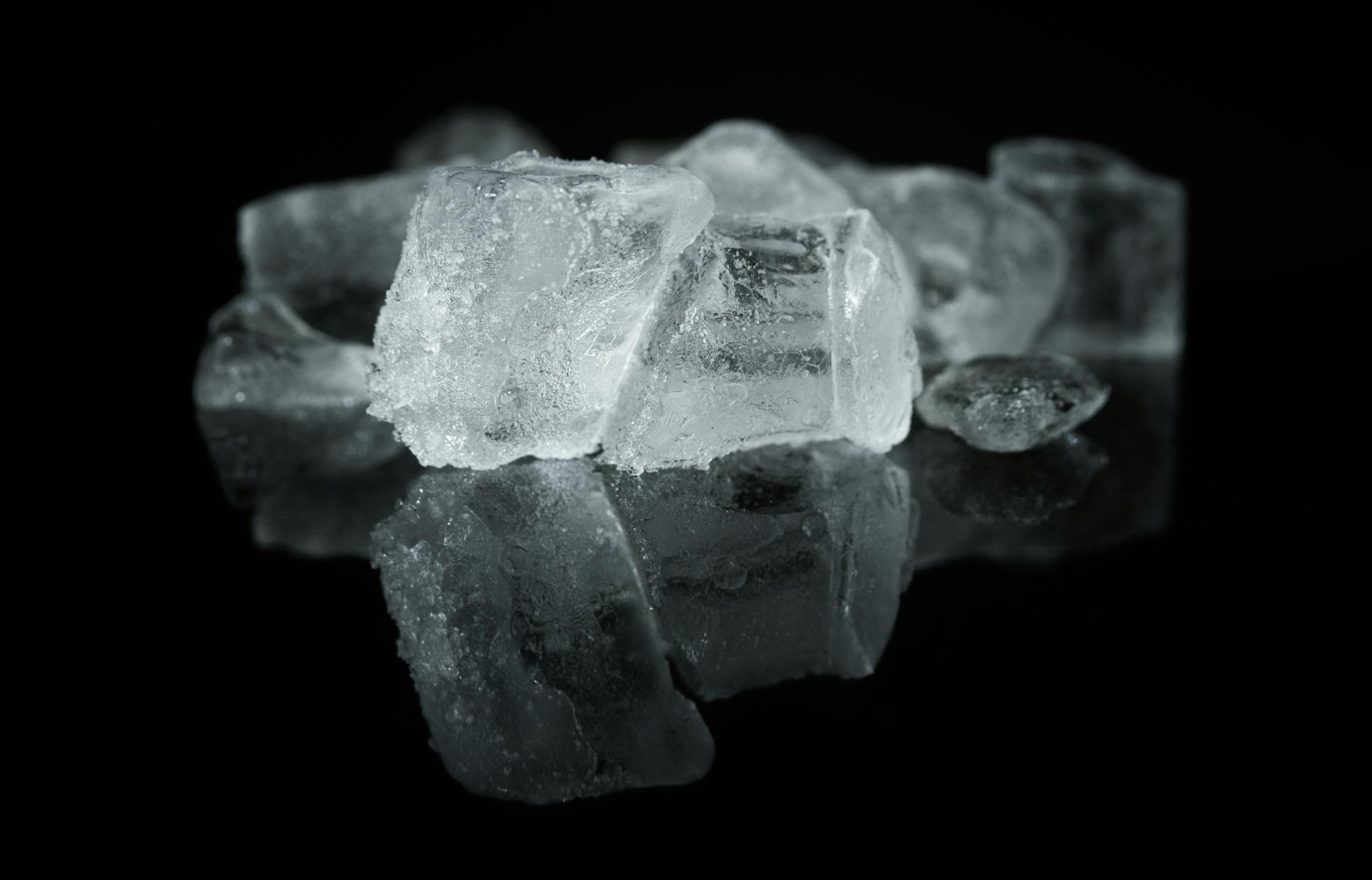
Ice cubes should taste clean and neutral, not like last week’s leftovers. Cloudy or odor-absorbing cubes indicate a freezer absorbing smells from poorly wrapped foods or lingering spills. This not only ruins beverages but can subtly affect other frozen items placed nearby.
Maintaining ice quality requires covered trays or bins. Strong-smelling foods should be tightly wrapped, and a small box of baking soda in the freezer can neutralize odors. Toss any cubes that look cloudy, smell off, or have shrunk over time. Fresh, odor-free ice preserves drinks and keeps recipes tasting as intended.
Ice Cream With Thick Ice Crystals
Ice cream should be smooth and creamy, not icy or granular. Thick ice crystals on the surface indicate thawing and refreezing, long-term storage in air-exposed containers, or temperature fluctuations. Once the delicate structure collapses, every bite turns grainy and bland. Even a favorite pint can lose its charm when frost dominates the top layer.
Air exposure accelerates degradation. Opened pints attract moisture and can absorb freezer odors, ruining flavor. Always seal ice cream tightly, minimize air space, and return it quickly to the coldest part of the freezer. Frosty, crystal-covered ice cream is better tossed than served, saving disappointment at dessert time.
Frost-Covered Berries
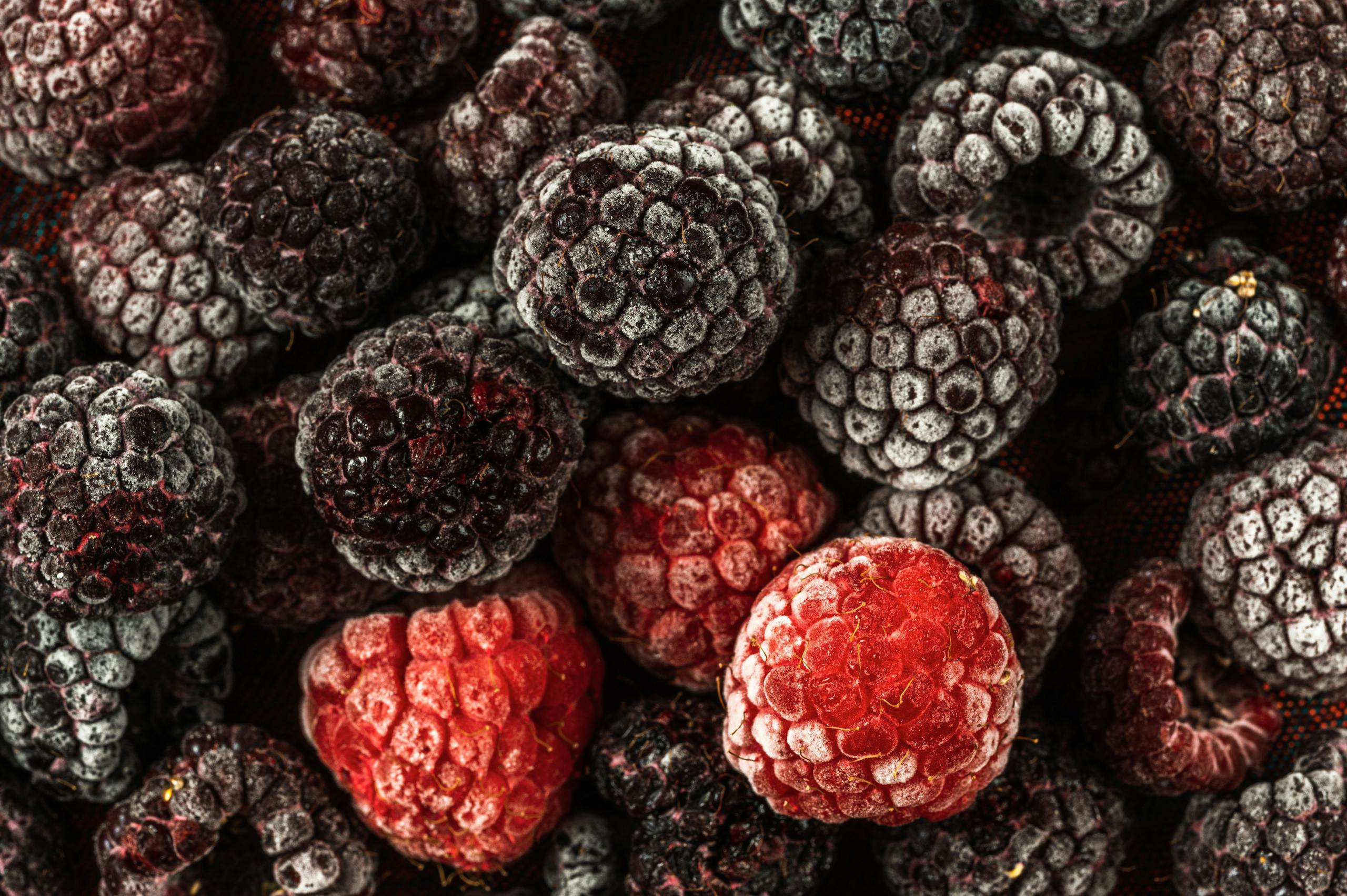
Frozen berries are perfect for smoothies, baking, or sauces, but excessive frost signals temperature fluctuations or repeated opening of the bag. Thick frost and clumped berries often collapse into watery mush when thawed, ruining recipes or smoothies that rely on texture.
Storage matters. Keep berries in airtight bags, press out extra air, and label with the date. Toss berries that smell yeasty, show mold, or turn slimy after thawing. Freshly frozen or well-maintained berries ensure smooth textures, vibrant color, and natural sweetness without the icy taste of freezer damage.
Unlabeled Leftovers
Leftovers are a lifesaver on busy nights, but unlabeled containers are a hidden hazard. Without a clear origin or date, we can’t tell if the contents are safe or if they suffered freezer burn. Freezing slows bacterial growth but does not kill germs, and thawed leftovers can turn risky if they were improperly cooled or stored before freezing.
Preventing waste is simple: use shallow, well-sealed containers and clearly label each item with the date and contents. Rotate older portions forward and plan meals around them. Discard any container that raises even a hint of doubt. A labeled system not only improves safety but also makes dinner prep faster and more reliable.
Bread and Dough With Freezer Burn
Frozen bread, pizza dough, and rolls are handy but vulnerable. Freezer burn dries edges, toughens crusts, and weakens the rise of dough. Overly dry or frosted bread rarely tastes fresh even after toasting, and old dough may bake into dense, heavy results instead of light, airy pastries.
To prolong shelf life, double-bag bread, press out air, and freeze in small portions. Toss any item that crumbles, smells off, or shows frost damage. Freshly wrapped and rotated bread keeps meals enjoyable and baking predictable. A little extra care prevents disappointment and avoids wasted ingredients.
Dairy Products That Separate or Smell Off
Milk, yogurt, cream-based sauces, and soft cheeses often separate, become grainy, or develop a sour smell when frozen for too long. Even if not unsafe, these changes affect texture, flavor, and visual appeal. Cooking may mask minor issues, but compromised dairy rarely restores its original quality.
Hard cheeses freeze better, but soft cheeses, dips, and cream-rich desserts are fragile. Mold, sour smells, or unclear age are clear signals to toss. Properly sealed containers, rotation, and timely use protect taste and prevent freezer surprises that ruin cooking projects or snacks.
Frozen Fish With Discoloration
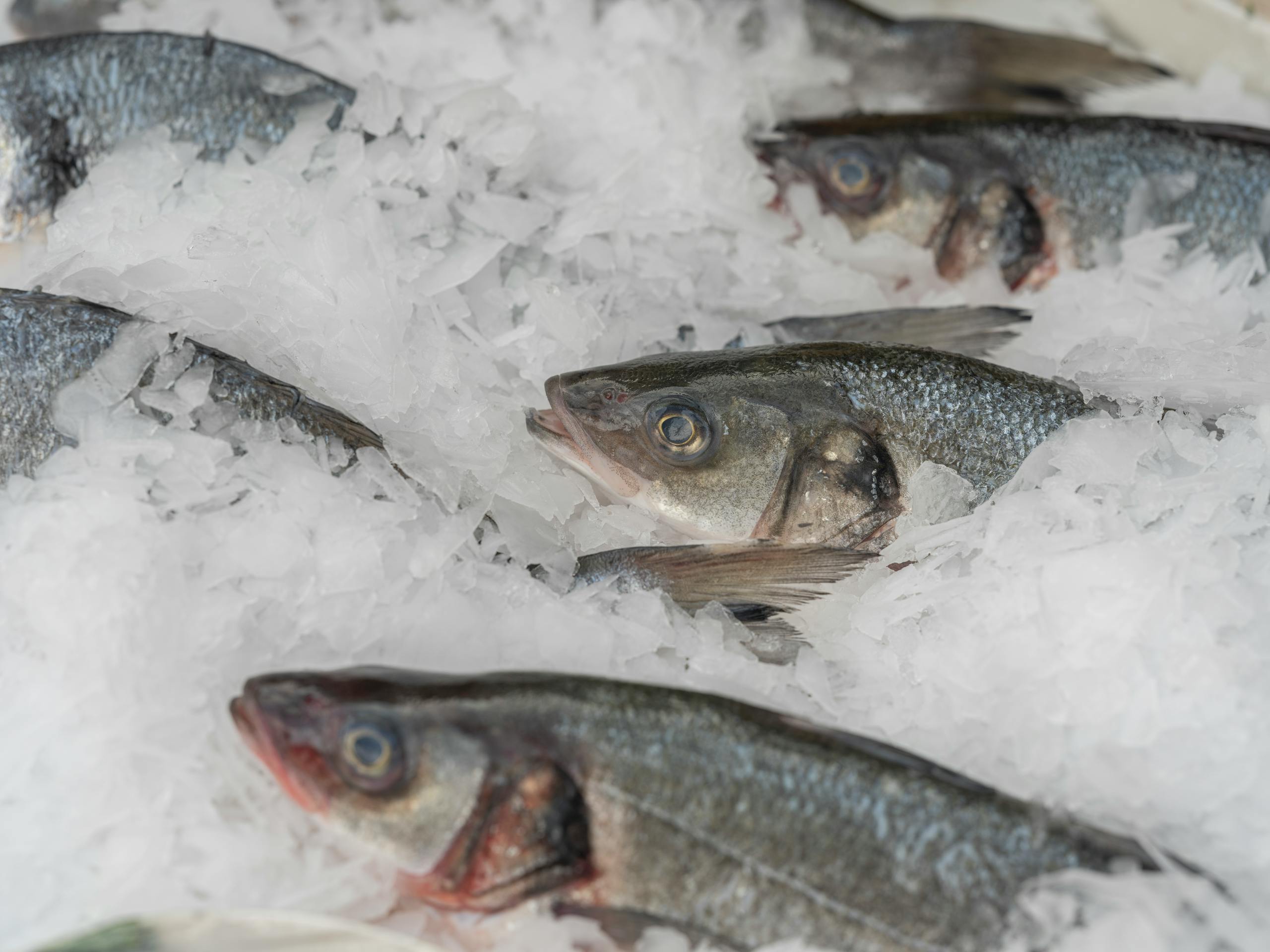
White, gray, or dry patches on frozen fish are classic signs of freezer burn and dehydration. These fish often cook up dry, chewy, and flavorless, losing the delicate taste that made them appealing. Even subtle discoloration can create an unpleasant odor when thawed, signaling that texture and freshness have been compromised.
Air-tight packaging is critical for fish. Vacuum-sealed or tightly wrapped fillets freeze best and maintain flavor. Torn packaging, heavy frost, or strong “fishy” smells after thawing mean the fillet should be discarded. Protecting delicate seafood ensures meals are both safe and delicious, avoiding chewy disappointments at dinner.
Key Takeaway
Freezers extend food life, but not indefinitely. Items that are unlabeled, frostbitten, smelly, or discolored should be removed immediately. Monthly cleanouts, airtight storage, and smart rotation preserve flavor, texture, and safety. A well-maintained freezer saves money, prevents waste, and ensures meals remain stress-free, flavorful, and reliable.