A pregnant Maryland-bound passenger says Frontier Airlines removed her after she had already boarded, leaving her stranded, exhausted, and forced to buy last-minute tickets on another airline to get home.
The passenger, Fulvia Fossati, a TikTok creator and vocal coach, said in a viral video that she was six months pregnant when airline staff asked her to leave the aircraft. According to Fossati, the flight was oversold, and she was told the fare she paid was too low to protect her when Frontier needed a seat.
Her account drew attention because she says she was not waiting at the gate when the decision happened. She says she was already on the plane, boarding had finished, and her husband was seated across the aisle when staff told her to get off.
Pregnant Passenger Says She Was Already Seated When Frontier Removed Her
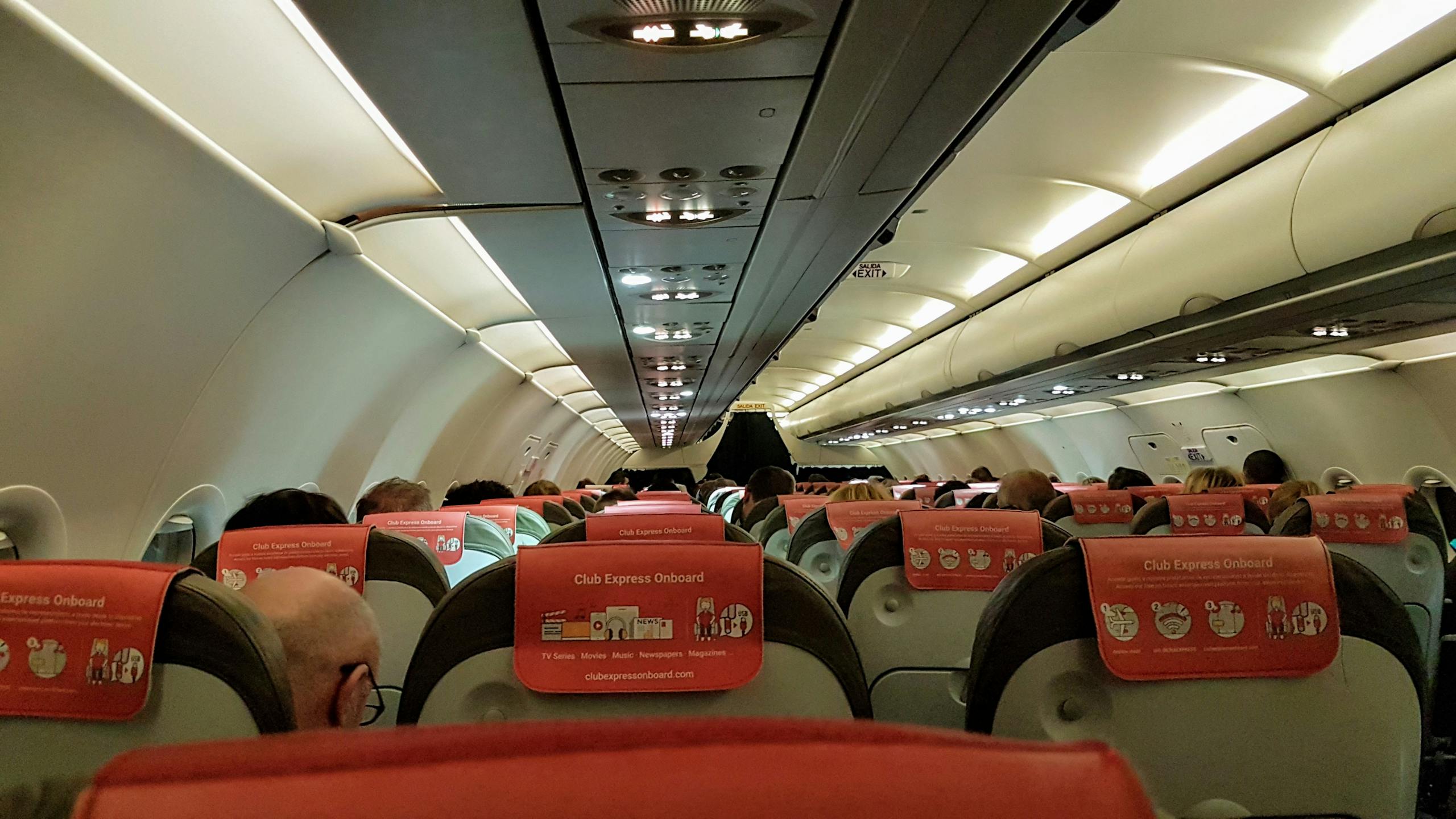
Fossati said the incident occurred on a Frontier flight bound for Baltimore. In her video, which had hundreds of thousands of views, she said she had already boarded and expected to fly home when the situation changed.
“So yesterday, I got kicked out of a Frontier Airlines flight,” she said, according to the account shared in the original report. “Because the fare I paid for my ticket was too low to be respected if an overbooked flight situation occurred.”
She said the crew had completed boarding and passengers were already on the aircraft. Then, she said, she became the person selected to leave.
The detail that made the story spread was not only the alleged oversold flight. It was the claim that the removal happened after boarding and that the price appeared to be part of the decision.
Fossati said staff told her the airline sold her seat to another passenger at a higher price. She also said her husband was not selected because his ticket cost more.
“My Husband Was Sitting Across the Aisle”
The situation escalated when Fossati’s husband realized what was happening. According to Fossati, he was seated near her and understood that she was the only one being removed.
She said the airline wanted her off the plane, but not him.
That detail turned the dispute into a larger public question about how airlines choose passengers in oversold situations. However, the passenger’s account raises a different issue because she says she had already boarded.
Fossati said she told staff she was pregnant, in pain, tired, and unable to carry her personal item without help. She also said she explained that she needed to get home and could not be left alone to figure out lodging or another route.
According to her, she asked whether pregnancy would be taken into account in the decision. She said the answer was no.
Sheriff’s Officers Were Called After a Couple Refused to Leave
Fossati said she and her husband did not immediately leave the aircraft. She said her husband argued that Frontier had oversold the flight and then decided his pregnant wife should be the one left behind.
The airline then called law enforcement, according to her account.
Fossati said four officers arrived to remove them. A clip included in her video appeared to show officers on the aircraft.
She said the officers asked the couple to gather their belongings and get off the plane. Once they were off the aircraft, she said the officers tried to help them find another travel option, but the airline itself did not resolve the situation to her satisfaction.
Fossati said they were told about other airlines operating near Washington, D.C., but she still had not received the refund or compensation she expected.
Passenger Says Trip Home Did Not End Until 1 A.M.
The travel disruption did not end at the gate.
Fossati said she arrived at the airport around 4 p.m. and did not land in Baltimore until about 1 a.m. the next day. She said she and her husband had to buy last-minute seats on another airline at an extra cost.
She also said the stress of the ordeal frightened her because she was worried about her baby. According to her, she went hours without feeling fetal movement, which added fear to an already exhausting situation.
She described walking between terminals while tired and in pain as the couple tried to find another way home.
Her anger was clear in the video. She said the experience made her feel like the airline treated passengers as seat numbers rather than people.
DOT Rules Put the Boarding Question at the Center
The key issue is whether Fossati was removed due to oversold seats after she had already boarded.
Under U.S. Department of Transportation guidance, airlines may oversell flights. They may also bump passengers when there are not enough volunteers. That practice is legal when handled under federal rules.
But the rules become much stricter once a passenger has checked in, had a boarding pass accepted or scanned, and boarded the aircraft.
DOT guidance says airlines generally cannot deny permission to board or remove a passenger from a flight after that point because of oversales. Exceptions can include safety, security, health risks, or behavior considered obscene, disruptive, or unlawful.
That distinction matters here. If Fossati’s account is accurate, and if she was removed only because the flight was oversold and her fare was lower, the case could raise serious questions under federal passenger protection rules.
Fare Paid Can Matter Before Boarding, But Not Without Limits
Airlines can use boarding priority rules when choosing who gets bumped from an oversold flight. Those rules may consider factors such as check-in time, fare paid, or frequent flyer status.
That does not mean airlines have unlimited power.
DOT rules say the criteria cannot create unjust or unreasonable prejudice or disadvantage. Airlines must also provide passengers who are involuntarily denied boarding with a written statement explaining their rights and the carrier’s boarding priority rules.
In plain terms, fare price may be part of an airline’s priority system before a passenger is boarded. But once the boarding pass has been accepted and the passenger is already on the aircraft, the legal question changes.
That is why Fossati’s account has gained traction. The story is not simply about an oversold flight. It is about whether a passenger who says she had already been admitted onto the plane could be removed because someone else paid more.
Compensation May Depend on Delay Length
If a passenger is involuntarily denied boarding because of oversales, federal rules may require compensation.
For domestic flights, no compensation is required if the airline gets the passenger to the destination within one hour of the original arrival time. If the arrival delay is one to two hours, compensation is generally 200% of the one-way fare, capped at $1,075. If the delay is more than two hours, compensation is generally 400% of the one-way fare, capped at $2,150.
The payment is not supposed to be a vague promise. Federal rules require that eligible passengers receive compensation at the airport on the same day. If substitute transportation leaves before payment can be made, the airline must provide payment within 24 hours.
Fossati said she had not received the refund or compensation she believed Frontier owed her.
Frontier Complaint Process Gives Passengers a Paper Trail
Frontier’s customer service plan states that passengers can contact the airline via its online form, chat, phone support, or written mail. The plan says Frontier acknowledges written complaints within 30 days and provides a substantive response within 60 days.
For a passenger in Fossati’s position, the paper trail matters.
A written complaint can request the airline’s explanation of why the passenger was removed, whether the airline considered the situation an oversale, which boarding priority rule was used, whether denied boarding compensation applies, and whether any unused ticket charges or ancillary fees will be refunded.
If the airline does not resolve the issue, passengers can file a complaint with the U.S. Department of Transportation. DOT advises passengers to give the airline a chance to address the problem first, but passengers may escalate complaints when the response is unsatisfactory.
The Viral Reaction Focused on Pregnancy, Power, and Airline Oversales
The public response was swift because the story touched several pressure points at once, but the central issue remained whether Frontier removed her after boarding.
There was a pregnancy concern. Fossati said she was six months pregnant, exhausted, in pain, and worried about her baby.
There was an airline power imbalance. Passengers often have little leverage once they are inside the airport system, especially when a carrier controls the seat, the gate, and the rebooking process.
There was also the overselling question. Many travelers know airlines sell more tickets than seats, but far fewer understand where the line is drawn once boarding has already happened.
That is why commenters urged Fossati to file a DOT complaint and preserve every receipt, boarding pass, message, and payment record connected to the trip.
What the Case Could Turn On
The outcome may depend on several facts that still need confirmation.
First, was the flight officially oversold? Second, had Fossati’s boarding pass been accepted or scanned? Third, had she fully boarded the aircraft before the staff selected her for removal? Fourth, what reason did Frontier record for removing her? Fifth, did the airline provide a written notice of denied boarding? Sixth, did it offer compensation or a refund in line with federal rules?
Those details matter because airlines may remove passengers for safety, security, health, or disruptive behavior reasons. But if the only reason was oversales after boarding, that would put the airline’s actions under a much sharper spotlight.
A Baltimore Flight Dispute Now Bigger Than One Seat
Fossati’s story has become bigger than a single seat on a Frontier flight to Baltimore.
It has become a test of what passengers believe airlines owe them once they are checked in, scanned, seated, and ready to fly. It also exposes the tension at the heart of modern low-cost air travel: passengers are sold cheap fares, but the airline still controls nearly every step once something goes wrong.
If Fossati’s account is accurate, the most important question is not whether Frontier was allowed to oversell the flight. Airlines can do that.
The sharper question is whether a pregnant passenger who says she had already boarded could be removed because her ticket was cheaper than someone else’s.
That is the question now driving the outrage, and it is the question Frontier may have to answer in writing.