Tensions in the already volatile Middle East have surged once again after a group of powerful Iranian clerics issued a stark and highly inflammatory statement calling for the assassination of former U.S. President Donald Trump and Israeli Prime Minister Benjamin Netanyahu. The declaration, which has sparked international concern, frames the act of targeting the two leaders as a religious obligation tied to ongoing regional hostilities.
The statement was reportedly issued by members of Iran’s influential Assembly of Experts, a body composed of senior clerics with significant political and religious authority within the Islamic Republic. In their message, the clerics referred to Trump and Netanyahu in explicitly hostile terms, describing them as individuals who are “deserving of death” under Islamic legal interpretations cited in the declaration.
The rhetoric did not stop at condemnation. The clerics went further, urging that action against the two leaders be carried out “under any circumstances,” language widely interpreted as an escalation in rhetoric rather than as symbolic criticism. The statement also described the killings as a form of religious duty, intensifying concerns that political tensions are increasingly being framed in theological terms.
A Message Rooted in Retaliation and War Narratives
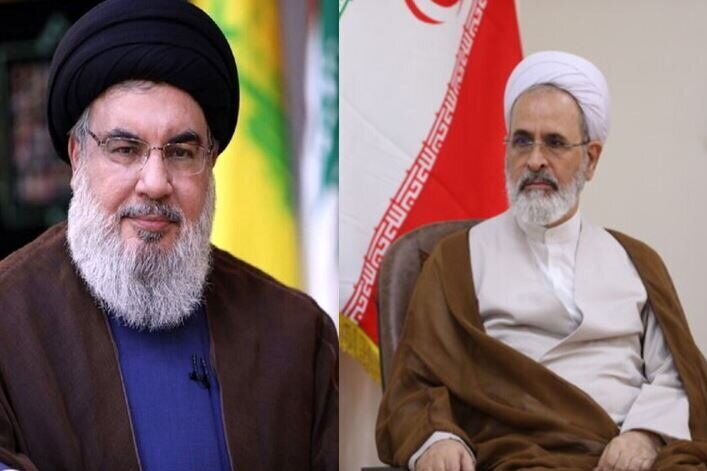
According to details reported by regional outlets, the clerical statement is tied to broader anger within Iran over recent military and political developments involving the United States and Israel. Iranian officials and hardline factions have increasingly pointed to past conflicts, sanctions, and targeted strikes as justification for retaliation, framing their response in moral and religious language.
The clerics’ message referenced what they view as ongoing aggression against Iran and its regional allies, particularly in relation to the killing of senior Iranian figures and continued pressure on Tehran’s nuclear program. While the statement did not provide operational specifics, its tone reflected deep hostility toward both Washington and Tel Aviv.
At the same time, Iranian media outlets aligned with hardline perspectives amplified the message, including striking visual propaganda. One state-affiliated newspaper published a front-page image depicting Trump in a sniper’s crosshairs alongside the headline suggesting imminent revenge. The imagery reinforced the sense that messaging inside Iran is becoming more confrontational and symbolic of direct retaliation.
Divisions Within Iranian Political Strategy
Despite the hardline tone of the clerical declaration, Iran’s internal political landscape remains divided. Reformist and diplomatic factions within the government continue to emphasize negotiation and de-escalation, particularly as Tehran engages in fragile talks with Western powers over sanctions relief and nuclear restrictions.
President Masoud Pezeshkian’s administration has signaled its interest in maintaining open diplomatic channels, arguing that economic recovery and international stability depend on avoiding full-scale escalation. However, hardline clerics and elements within the Islamic Revolutionary Guard Corps (IRGC) have repeatedly challenged this approach, insisting that compromise with the United States and Israel undermines national sovereignty.
This internal tension reflects a broader struggle in Iran’s governance structure, where elected officials and religious authorities often pursue competing visions of the country’s future. While the government attempts to balance international negotiations, influential clerics continue to shape public sentiment through sermons, statements, and media influence.
Regional Fallout and International Alarm
The renewed rhetoric has drawn attention far beyond Iran’s borders, particularly in Washington and Jerusalem, where officials are already on high alert over ongoing security threats. Both Trump and Netanyahu remain high-profile figures in global politics, and previous intelligence reports have indicated multiple attempted plots targeting them over the years.
Security analysts warn that such statements, even when framed as symbolic or religious declarations, can contribute to real-world threats by encouraging extremist actors or independent cells. The history of politically motivated violence in the region has made Western intelligence agencies particularly sensitive to rhetoric that blurs the line between ideology and action.
In recent years, multiple Iranian-linked networks have been accused of attempting to organize or inspire attacks against political figures abroad. These allegations have fueled ongoing sanctions and counterterrorism measures, further straining relations between Iran and Western governments.
Escalating Language in a Fragile Geopolitical Moment
The timing of the clerical statement is significant, coming amid already fragile diplomatic conditions in the Middle East. Ceasefire agreements, nuclear negotiations, and regional security talks have all faced setbacks in recent months, with mutual accusations of bad faith and hidden agendas.
Observers note that such rhetoric risks undermining already delicate diplomatic efforts. While official government channels in Tehran occasionally signal willingness to negotiate, parallel messaging from hardline religious authorities complicates any unified foreign policy stance.
The language used in the latest statement, particularly references to religious duty and unconditional action, adds another layer of complexity. It signals not only political opposition but also ideological framing that positions conflict in moral and spiritual terms, making compromise more difficult to achieve.
Propaganda, Perception, and Political Messaging
Media coverage within Iran has also played a role in amplifying the message. State-aligned publications and outlets sympathetic to conservative factions have increasingly used provocative imagery and language in recent months, reinforcing narratives of resistance against Western and Israeli influence.
At the same time, international observers caution that such messaging often serves multiple purposes: domestic political consolidation, external signaling, and psychological pressure. By projecting strength and defiance, hardline factions aim to reinforce their influence within Iran’s complex power structure.
However, critics argue that this approach risks deepening isolation and increasing the likelihood of miscalculation. With tensions already high across multiple fronts, even rhetorical escalations can contribute to instability if interpreted as policy signals rather than symbolic gestures.
A Region on Edge
As geopolitical friction continues to mount, the latest clerical statement underscores the fragility of the current moment. With diplomacy struggling to gain traction and hardline rhetoric intensifying, the risk of further escalation remains a persistent concern for international observers.
For now, the situation remains in the realm of rhetoric rather than confirmed action. But in a region where language often precedes events, such declarations are being watched closely by governments, intelligence agencies, and analysts alike.