Federal sentencing in the Prairieland Detention Center case resumed Wednesday in Fort Worth, Texas, nearly one year after a July 4, 2025, anti-ICE protest ended with an Alvarado police officer wounded and multiple defendants facing terrorism-related convictions.
The latest hearings follow last week’s prison terms for eight defendants, including Benjamin Hanil Song, who received a 100-year sentence. The Justice Department said the eight defendants received a combined 450 years in federal prison.
Protest Turned Criminal Case,
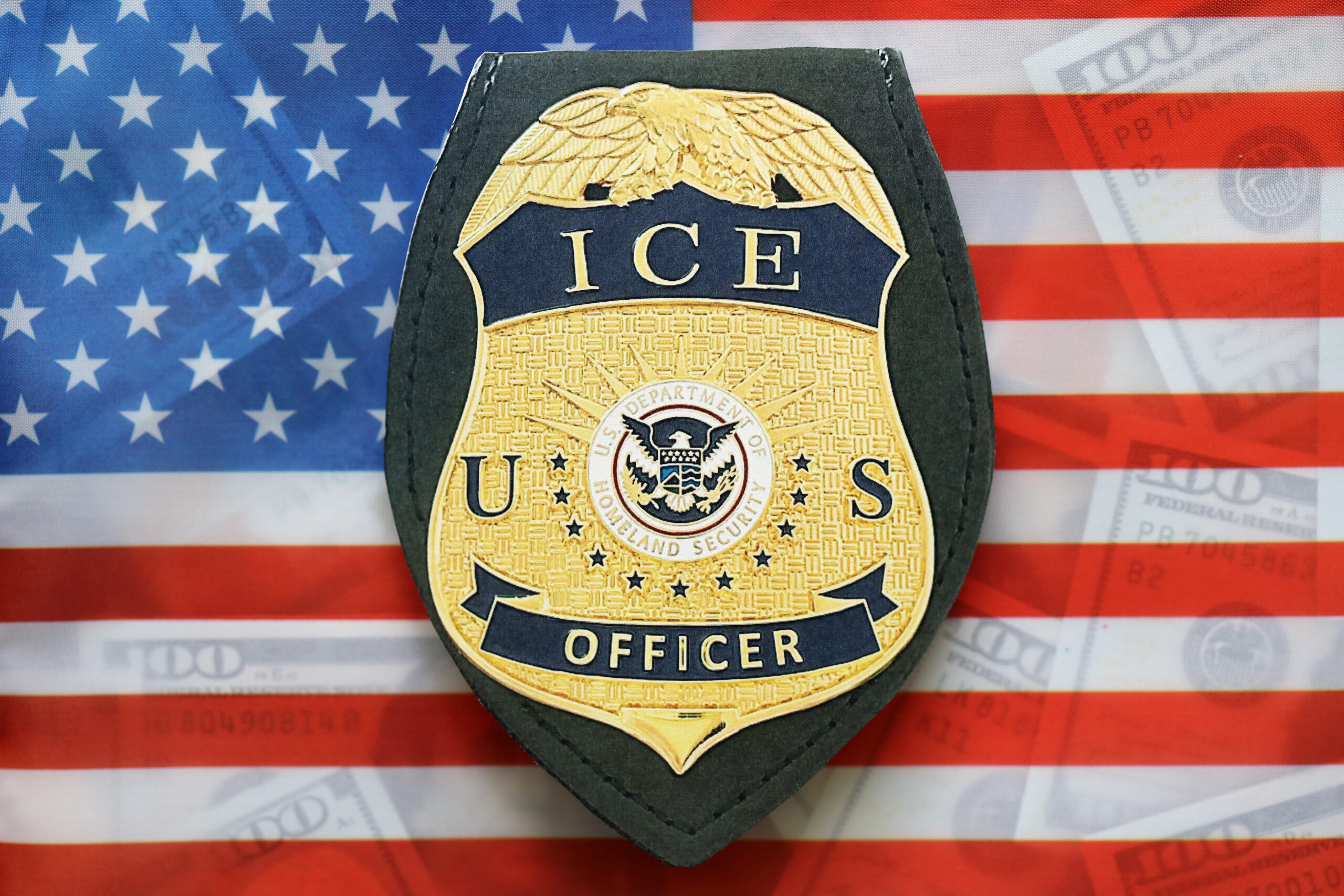
The case began outside the Prairieland Detention Center in Alvarado, about 25 miles south of Fort Worth. Prosecutors said a group gathered at the immigration facility at night, wore black clothing, set off fireworks, and damaged property.
Federal officials said vehicles were vandalized, a guard shack was damaged, a security camera was disabled, and officers were fired on after law enforcement responded. Alvarado Police Lt. Thomas Gross was wounded and survived.
Song was convicted of attempted murder in the shooting. Prosecutors described him as a leader in the attack. Defense lawyers have denied that the protest was a planned ambush and said the gathering was meant to support immigrants held at the facility.
Eight Defendants Sentenced
Song received the longest sentence at 100 years. Maricela Rueda received 70 years. Cameron Arnold, Savanna Batten, Zachary Evetts, Bradford Morris, and Elizabeth Soto each received 50 years. Daniel Rolando Sanchez-Estrada received 30 years.
The Justice Department described the defendants as members of a “North Texas Antifa Cell.” Defense attorneys and relatives have rejected that label. Some lawyers said the government used political identity to strengthen a criminal case built around a protest.
The sentences have become a national legal flashpoint because several defendants received decades in prison even though Song was the only person convicted of attempted murder. Critics have argued that the punishment could affect future protest activity near federal facilities.
Guilty Pleas Face Sentencing
Six additional defendants who pleaded guilty to providing material support to terrorists faced sentencing Wednesday. Each defendant faced up to 15 years in prison.
Ines Soto, who was convicted at trial, was also awaiting sentencing. Soto could face up to 60 years after convictions tied to material support, riot, and explosives-related charges.
Defense attorneys for Ines Soto and Elizabeth Soto have said the couple arrived late and left after guards confronted them. Prosecutors have argued that the broader group acted with planning and shared purpose.
Government Cited Weapons Evidence
Federal prosecutors said jurors heard testimony from more than 45 witnesses during the trial. The government said the jury also reviewed more than 210 exhibits over 12 days of proceedings.
Trial evidence included firearms, body armor, encrypted chats, masks, fireworks, first-aid items, and alleged planning materials. Prosecutors said the defendants used aliases and auto-delete settings in messaging apps.
The Justice Department said jurors convicted nine defendants in March after a weeks-long trial in Fort Worth. The March verdict included terrorism and weapons charges, attempted murder, obstruction, explosives-related charges, and rioting counts.
Defense Rejected Ambush Claim
Defense lawyers have said the demonstration was planned as a noise protest, not an armed attack. They argued that some protesters carried firearms for protection and that the group expected a possible confrontation from counterprotesters.
The defense also challenged the government’s use of the antifa label. Lawyers said prosecutors did not prove a formal organization or membership structure. The government argued that the defendants’ actions, planning and materials showed coordination.
U.S. District Judge Reed O’Connor called the incident an “assault on democracy” during sentencing. He said deterrence was necessary. Defense supporters said the sentence lengths were extreme and would likely be challenged on appeal.
Antifa Label Central to Dispute
The prosecution became one of the highest-profile federal cases involving alleged antifa activity. The label shaped the public debate around the case, even as defense lawyers disputed whether the defendants belonged to any formal group.
President Donald Trump signed a September 2025 executive order that attempted to designate antifa as a domestic terrorist organization. The order directed federal agencies to investigate and disrupt alleged antifa-linked activity.
The distinction remains legally sensitive. U.S. law has a formal process for foreign terrorist organizations, but domestic terrorism cases are prosecuted through existing criminal statutes. That has made the Prairieland case a major test of how federal terrorism language may be used in protest-related prosecutions.
Trial Followed Jury-Selection Mistrial
The case reached trial in March after an earlier mistrial during jury selection. Jurors heard testimony from the injured officer, investigators, experts, and cooperating defendants.
Prosecutors presented the protest as a coordinated operation tied to anti-ICE and anti-government beliefs. Defense attorneys said the government leaned heavily on ideology and literature instead of proving each person’s specific role.
A local trial summary said the jury returned a mixed March verdict, including an attempted murder conviction for Song and terrorism-related convictions for other defendants.
Appeals Expected After Sentencing
The case now enters its next stage as the remaining sentences are completed and appeal plans take shape. Song’s lawyer has said he intends to appeal.
Other defendants are also expected to challenge their convictions or prison terms. Likely appeal issues include the terrorism enhancements, sentence length, trial rulings and whether the government’s ideological framing unfairly influenced the case.
For now, the latest known status is the continuation of sentencing in Fort Worth. The final outcomes will determine the full punishment in one of the most consequential federal protest cases tied to an ICE facility in recent years.