Most Americans imagine prison danger in simple terms. They picture fights, locked doors, rough men, metal bunks, and guards walking past rows of cells with keys on their belts. That picture is not completely wrong, but it is far too small. The real danger of prison life often hides in routines that look ordinary from the outside.
A missed medical appointment can become a crisis. A broken air conditioner can turn a cellblock into a furnace. A staffing shortage can leave one officer watching too much movement with too little backup. A phone, a pill, a debt, or a rumor can change the mood of an entire unit before anyone outside the walls hears a word.
That is what makes prison life more dangerous than people think. The threat is not only violence. It is also pressure, neglect, boredom, heat, illness, isolation, fear, and a system in which small problems can grow quickly because everyone inside is trapped in the same tight space.
The darker truth is that prison can damage everyone inside it. Prisoners carry the sentence, guards carry the tension, nurses carry the emergencies, and families carry the fear from the outside. The walls may separate the prison from the public, but they also hide how unstable life can become when danger has nowhere to go.
Understaffing Can Turn Small Trouble Into a Crisis
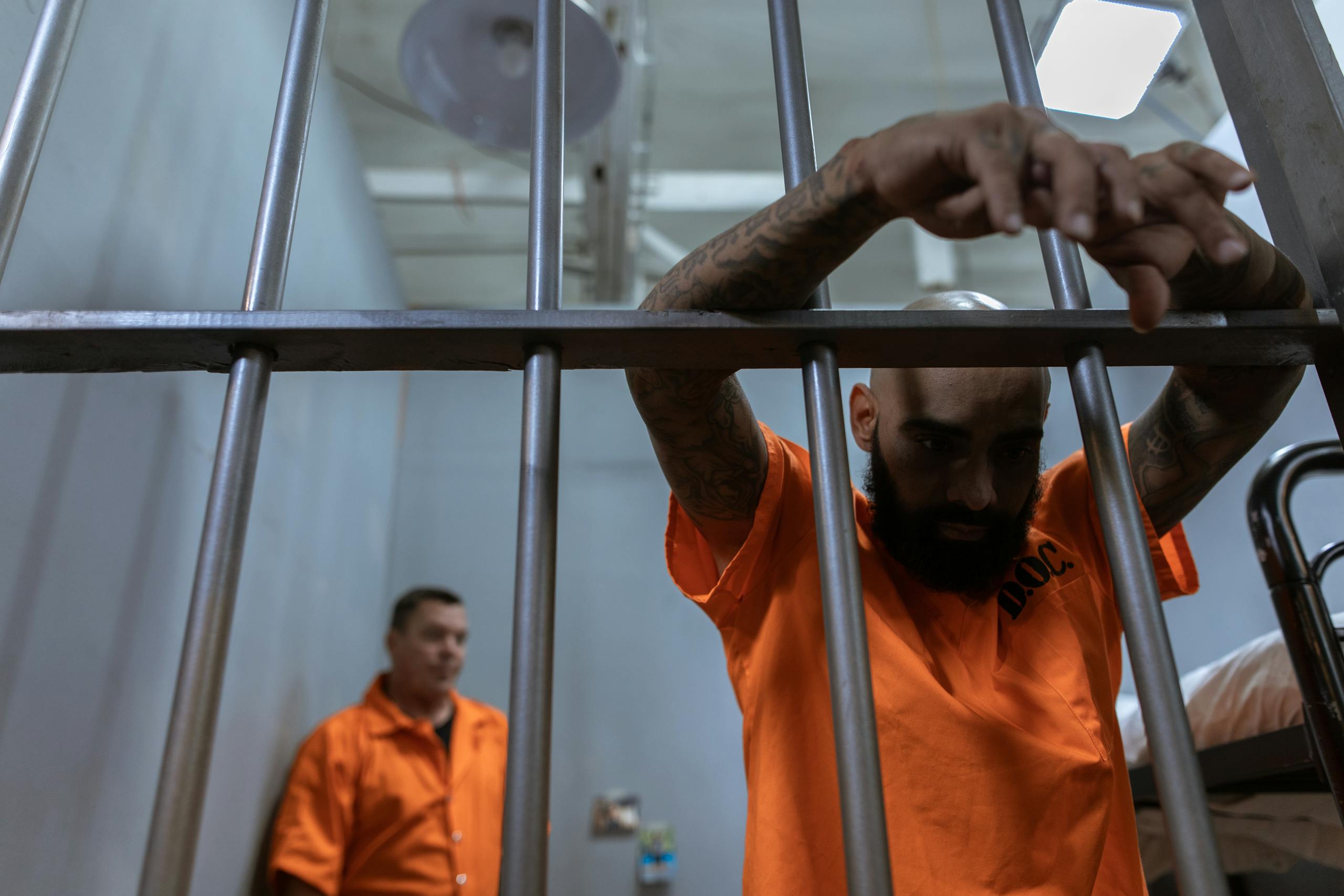
A prison depends on people to watch, listen, count, check, and respond before a problem becomes an emergency. When staffing is thin, that safety net weakens. One officer may have to cover too much ground, manage too many people, or wait too long for backup. In that gap, a small argument, a medical episode, or a suspicious movement can escalate quickly.
This is not just a workplace problem for guards. It affects everyone in the building. Federal prison oversight has pointed to staffing shortages, deteriorating infrastructure, and contraband as ongoing challenges facing the system, as noted in federal prison challenges.
When a prison lacks enough trained staff, the whole place becomes more reactive than controlled. That is when prison life starts feeling less like order and more like containment under strain.
Contraband Creates a Hidden Economy of Fear
Contraband is not only about rule-breaking. Phones, drugs, weapons, tobacco, pills, and other banned items can create a shadow economy inside prison. Debts form, favors are traded, threats follow, and people who never wanted trouble may get pulled into it. One hidden item can change the power balance on a unit.
The danger grows because contraband does not always enter in old-fashioned ways. Authorities have warned that drones can deliver cell phones, drugs, weapons, SIM cards, and escape tools into correctional facilities, creating new security threats through drone contraband risks.
That makes prison safety harder to manage. A device or drug that arrives secretly can spread fear long before staff discovers it.
Violence Can Start Over Almost Nothing
People often assume prison violence begins with major conflicts. Sometimes it does. But inside a locked environment, small things can carry heavy meaning. A stare, a seat, a meal tray, a rumor, a phone call, a debt, or a perceived insult can trigger a serious confrontation. Tension builds faster when people cannot simply leave.
The prison setting makes ordinary conflict more dangerous because everyone is living under pressure. Privacy is limited, noise is constant, and personal space is fragile. Someone who feels disrespected may react not only in the moment but also to months or years of frustration. That is why prison life can feel like a room full of matches where everyone is told to stay calm.
Medical Delays Can Make Illness More Dangerous
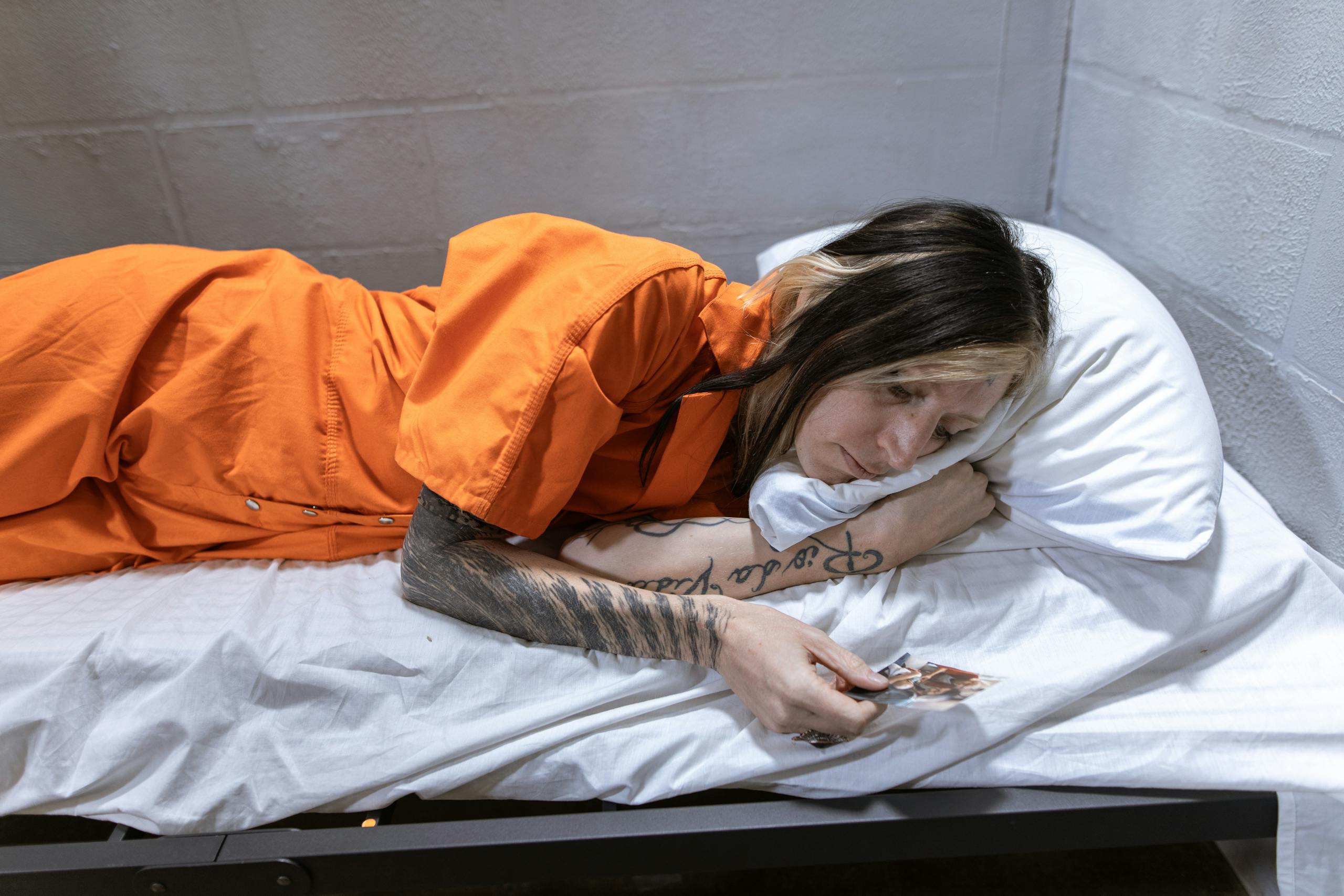
In the outside world, a sick person can call a doctor, go to urgent care, or ask a family member for help. In prison, health care moves through requests, schedules, security rules, staffing limits, and approval systems. A person with chest pain, infection, diabetes, asthma, or mental distress may have to wait while the system decides how serious it is. That delay can turn fear into danger.
Medical care behind bars is also complicated by aging prisoners, chronic disease, substance use histories, disability, and mental illness. Research has found that people incarcerated at the time of a survey had a higher risk of all-cause mortality and far higher overdose mortality after accounting for other factors, according to incarceration mortality research.
The human meaning is simple. Prison does not stop sickness, and sometimes the locked setting makes every health problem harder to survive.
Isolation Can Break People Quietly
Solitary confinement is often described as a tool for discipline or safety, but the emotional cost can be severe. A person alone for long stretches may lose track of time, sleep poorly, feel panic, or become more unstable. The cell may be quiet, but the mind is not. For people already struggling with trauma or mental illness, isolation can deepen the damage.
This danger is hard for the public to see because isolation happens out of sight. There are no crowds, no visible fights, and no obvious chaos from the outside. Yet the quiet can be exactly what makes it dangerous. A prison can look controlled while someone inside is falling apart, with no one close enough to notice quickly.
Heat and Bad Buildings Can Become Punishment on Top of the Sentence
Many prisons are old, crowded, and physically worn down. Bad ventilation, broken plumbing, poor lighting, leaking roofs, mold, and extreme temperatures can make daily life harsher than the sentence itself. Heat is especially dangerous because people cannot simply leave, open another window, or cool down in a different building. They are stuck where the system places them.
This matters more as summers grow hotter and prison populations age. A hot cellblock can affect people with heart disease, high blood pressure, respiratory problems, or who are on psychiatric medication that changes how the body handles heat.
Guards also work in those conditions, often wearing heavy uniforms and managing tense units. When the building itself becomes hostile, everyone inside is under greater pressure.
Mental Health Crises Can Be Treated Like Discipline Problems
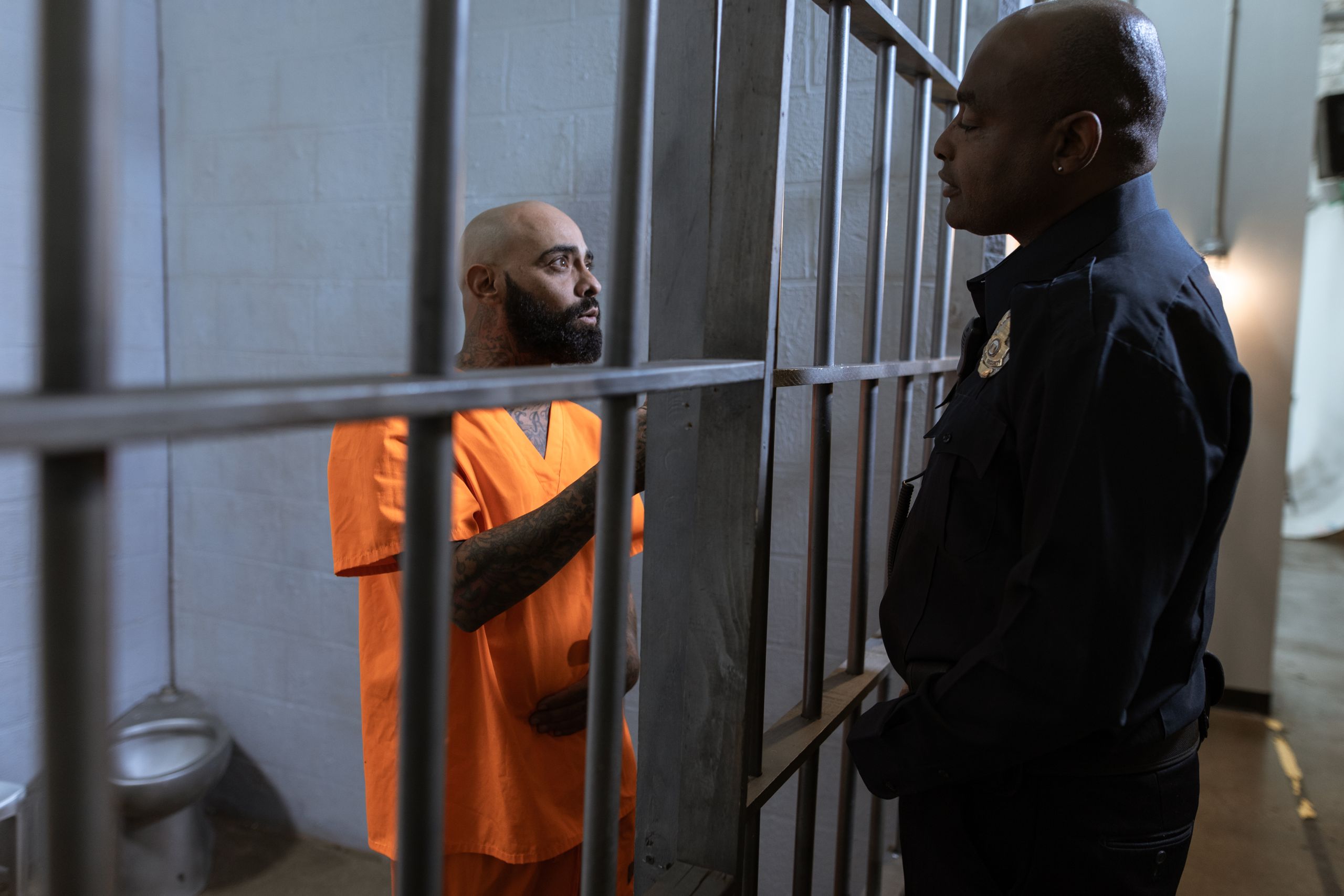
Prisons hold many people with mental health needs, but prison is not a hospital. A person in crisis may shout, refuse orders, harm themselves, withdraw, or act unpredictably. In a security-focused environment, those behaviors can be treated first as rule violations rather than warning signs. That can make the situation worse.
The danger is that mental illness does not always look polite or easy to manage. Staff may be stretched thin, mental health teams may be overloaded, and prisoners may fear being labeled weak. A crisis can become a custody problem before it becomes a care problem. That is one of the darkest failures of prison life: pain can be mistaken for defiance until it is too late.
Boredom and Hopelessness Can Turn Toxic
Boredom sounds harmless to people outside prison, but behind bars, it can become dangerous. Long hours with little purpose can sharpen frustration, deepen depression, and make small conflicts feel larger. When people have limited work, education, therapy, recreation, or family contact, the mind has too much room to circle the same anger. Time itself starts to feel heavy.
Hopelessness also changes behavior. A person who sees no future may take more risks, join dangerous groups, use drugs, start fights, or stop caring about consequences. Programs and meaningful routines do not solve every prison problem, but they can reduce the dead emotional space where trouble grows. A prison with nothing to do is not calm. It is waiting.
Guards Can Become Overstressed and Numb
Prison danger not only affects prisoners. Correctional officers spend long shifts surrounded by tension, noise, manipulation, grief, anger, and the possibility of violence. They must stay alert without looking afraid. Over time, that can harden a person or quietly wear them down. The job can follow them home in the form of suspicion, irritability, sleep problems, or emotional distance.
A burned-out guard is also a safety risk inside the facility. Exhaustion can affect judgment, patience, and reaction time. Under pressure, even small mistakes can matter. A prison needs professional, alert, and supported staff, not workers stretched so far that they become part of the danger themselves.
Family Separation Can Make Inside Tension Worse
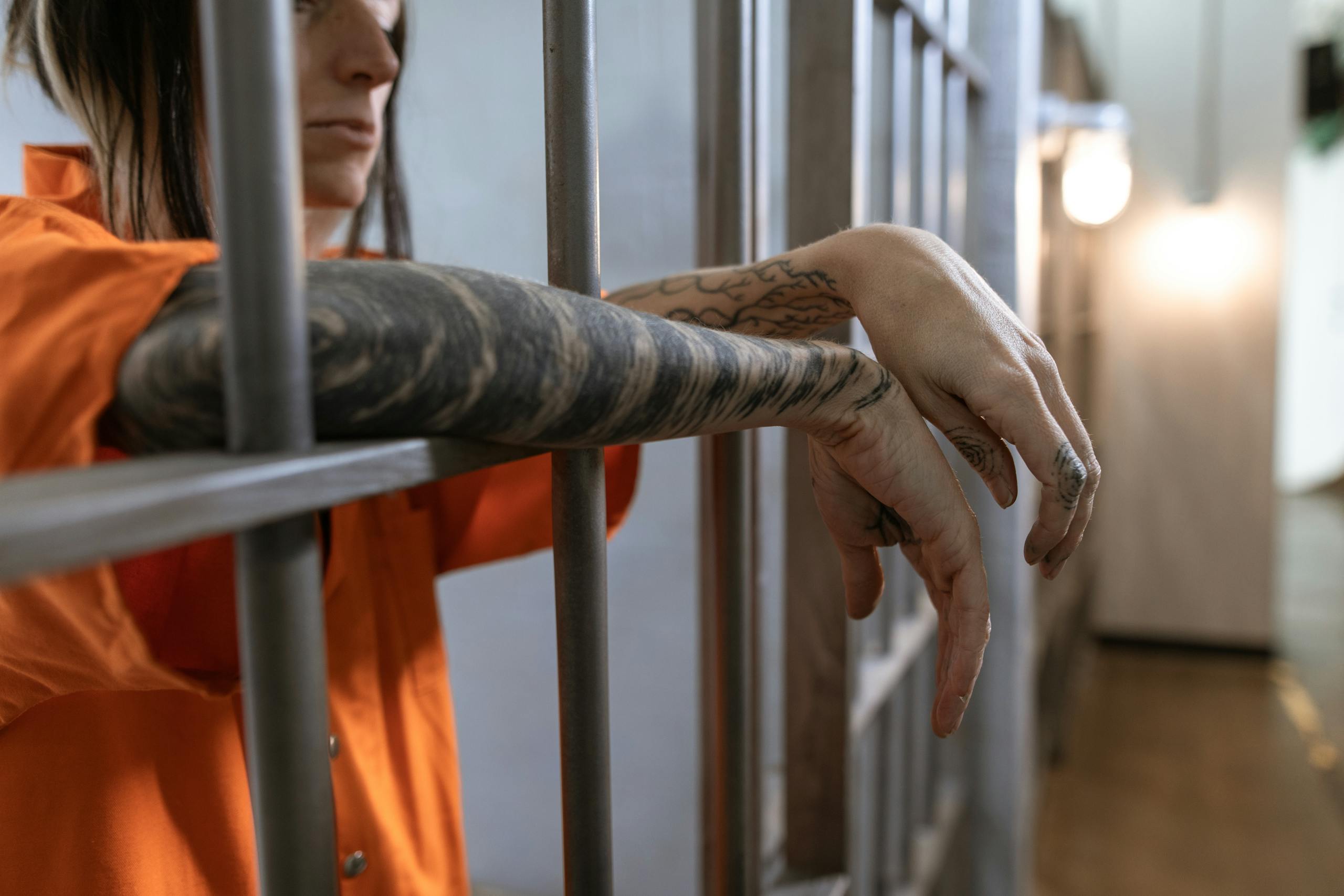
Family contact can help people hold onto identity, hope, and accountability. When visits are rare, phone calls cost money, mail is delayed, or prisons are far from home, that connection weakens. A person may miss birthdays, funerals, illnesses, graduations, and ordinary moments that keep them emotionally tied to life outside. That loss can create anger and despair.
The danger is not only emotional. People who feel abandoned may become easier to manipulate, less stable, or more willing to take risks inside. Family separation also punishes children, spouses, parents, and grandparents who did not commit the crime. Prison life becomes more dangerous when the person inside loses the relationships that might help them survive it.
Conclusion
Prison life is more dangerous than people think because danger is not always loud. It can hide in short staffing, delayed medical care, bad buildings, hidden contraband, untreated trauma, isolation, boredom, and the quiet collapse of family ties.
The public often sees prison as a place where punishment is meted out. Inside, punishment can become mixed with neglect, fear, and pressure until nobody is untouched by it.
This does not erase victims, accountability, or the seriousness of the crime. People can believe in consequences and still ask whether prisons are safe, humane, and controlled enough to do anything beyond warehousing pain. A dangerous prison not only harms prisoners. It endangers guards, nurses, families, communities, and the people who eventually come home.
The hardest question is not whether prison should be easy. It is whether America is willing to look honestly at what happens after the cell door closes. If a prison becomes a place where sickness, fear, heat, violence, and despair grow unchecked, is that justice, or is it a warning sign?