A woman’s ZIP code should never decide how safe, healthy, heard, or financially secure she gets to be, yet that is exactly what many state rankings reveal. Across America, women face very different realities depending on where they live, work, raise children, seek healthcare, and build careers.
Some states offer stronger support systems, stronger protections, and better access to opportunity, but others leave women fighting harder for basics that should never feel out of reach.
The worst states for women are not simply places with a single weak score or a single bad headline. They often show a painful mix of low earnings, limited access to healthcare, weak safety outcomes, limited legal protections, and fewer paths to power. These states show how daily life can become heavier when policy, poverty, public safety, and healthcare all press down at once.
Louisiana

Louisiana lands at the bottom because too many problems collide at once. Women face serious economic pressure, including high poverty rates, weaker earnings, and fewer signs of broad opportunity compared with better-ranked states. When money is tight, every other part of life becomes harder, from medical care to childcare to leaving unsafe situations.
The state also struggles with health and safety concerns, making the ranking feel less like a statistic and more like a warning sign. Poor access to care, troubling maternal health outcomes, and safety concerns create a daily reality where women may feel unsupported by the systems around them. For many women, Louisiana represents how inequality becomes personal when it reaches the home, the hospital, and the workplace.
Oklahoma
Oklahoma ranks near the bottom because women there face major challenges in healthcare and safety. Low scores in these areas indicate that basic well-being can become harder to protect when care is expensive, access is limited, or public health outcomes lag. A woman should not have to weigh a doctor visit against groceries, gas, or rent.
The state also reflects a broader problem seen across several lower-ranked states. Women can work hard, care for families, and contribute to communities, yet still encounter systems that do not provide them with sufficient support. Oklahoma’s ranking shows how quickly opportunity shrinks when economic pressure and health risks converge.
Arkansas

Arkansas is one of the toughest states for women because the barriers are both economic and social. Women there face lower overall opportunity, higher hardship, and troubling health indicators. When these issues stack together, they can limit everything from career growth to personal independence.
Education and employment gaps also matter because they shape long-term stability. A woman with fewer career options has less room to negotiate pay, leave a bad job, or build an emergency fund. Arkansas shows how a state can become difficult for women when the ladder upward has too many missing steps.
Texas
Texas may be known for big cities, booming industries, and a loud sense of pride, but its ranking tells a much harder story for women. The state performs poorly on economic and social well-being, and healthcare access remains a serious concern. Women who lack insurance or affordable care face a higher risk when ordinary health problems turn urgent.
The contrast is striking: Texas offers opportunity on paper, yet many women still struggle to see the benefits in real life. Strong job markets do not automatically mean equal pay, safe communities, affordable care, or political power. Texas is a reminder that growth alone does not guarantee fairness.
Alabama
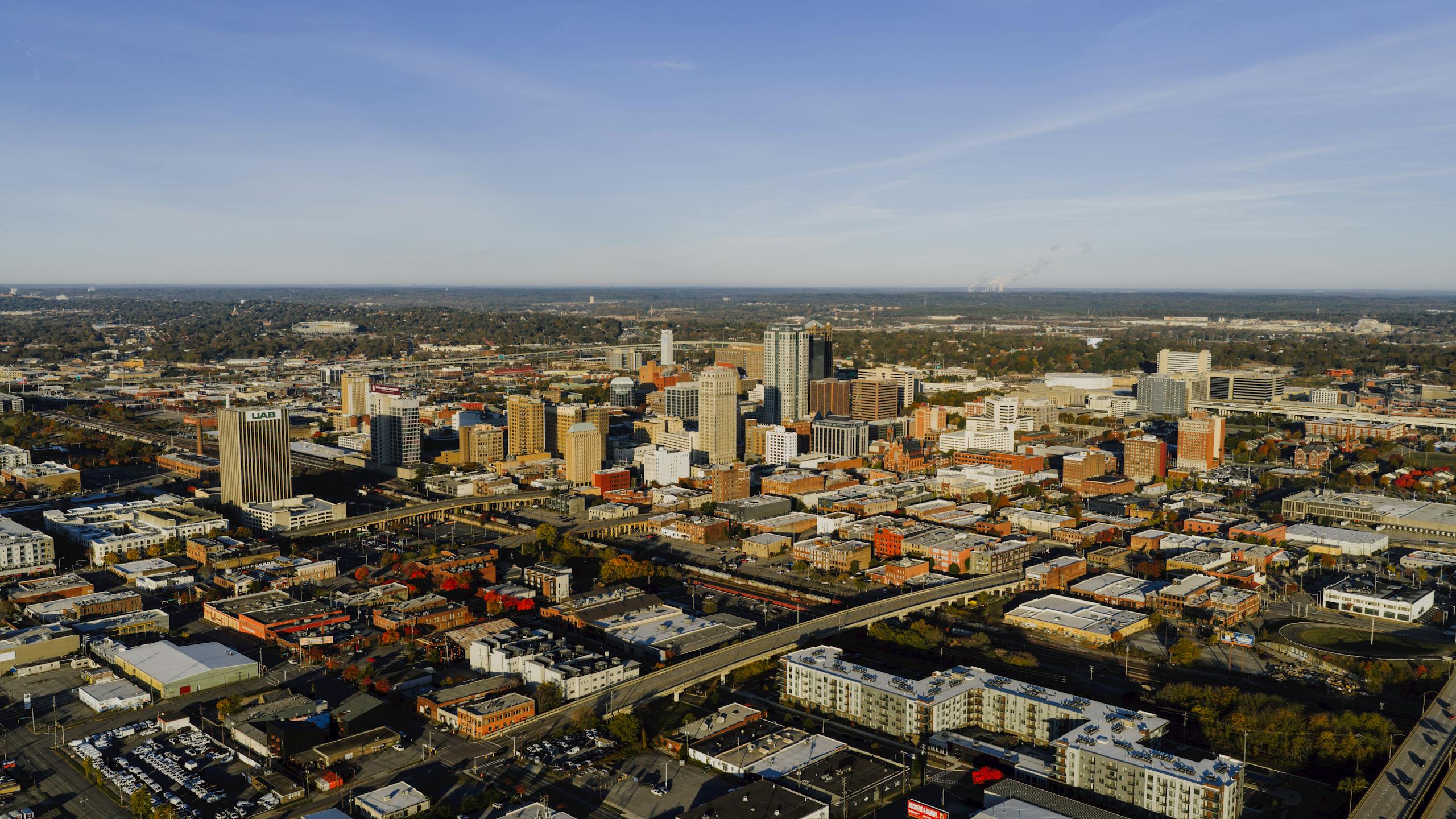
Alabama ranks among the worst states for women because poverty, healthcare concerns, and safety issues remain heavy burdens. Women in the state may face fewer protections and fewer resources in moments when support matters most. Those gaps can affect mothers, workers, students, caregivers, and older women in different but deeply connected ways.
The state’s challenges also show why women’s well-being cannot be measured by a single issue. A woman may need a fair wage, a safe neighborhood, a good hospital, paid time off, and protection from violence all at once. Alabama’s low ranking points to the danger of treating those needs as separate problems.
Wyoming
Wyoming’s ranking is shaped by concerns around safety, representation, and economic opportunity. In a state with wide open spaces and small communities, limited access can become a serious issue, especially for women who need specialized healthcare or support services. Distance can quietly become a barrier when help is too far away.
The state also highlights the importance of women having a visible voice in public life. When women hold fewer leadership seats, policies may fail to reflect their lived experiences. Wyoming shows that representation is not a symbolic issue because it affects which problems get noticed and which needs get funded.
South Carolina
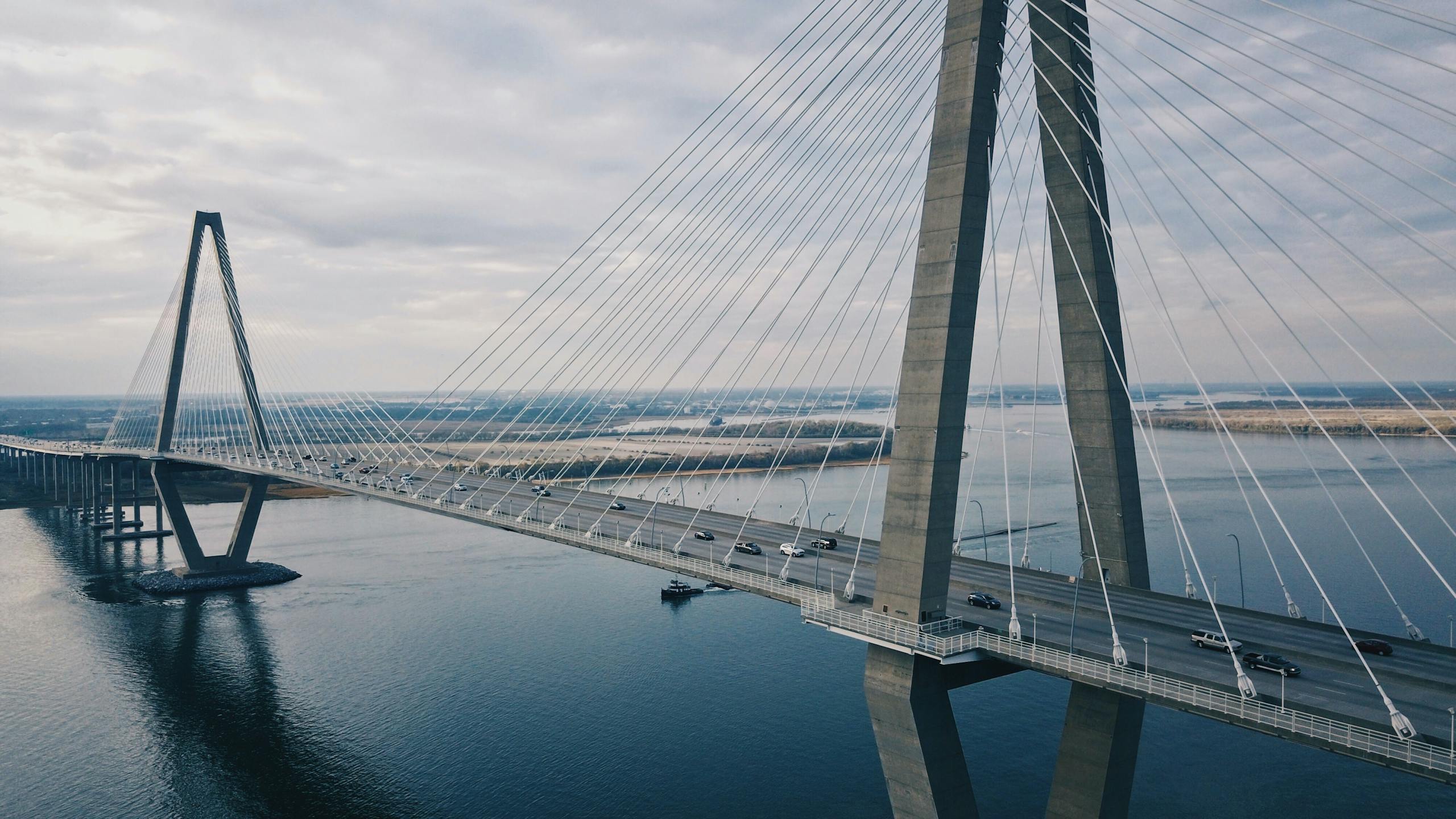
South Carolina appears near the bottom because women face significant challenges across many life domains. Economic insecurity, healthcare concerns, and public safety risks make the state harder for many women to navigate. The problem is not that women lack strength, but that strength should not have to replace basic support.
The state also reflects the pressure many Southern women know too well. Family, work, care responsibilities, and financial stress often fall on the same shoulders. When public systems lag behind, women are expected to stretch themselves thinner and call it resilience.
West Virginia
West Virginia struggles because women face major barriers tied to health, income, and opportunity. Lower employment strength and weaker economic indicators can make life feel boxed in, especially in communities with fewer job choices. When opportunity is scarce, ambition alone cannot carry the full weight.
Healthcare access also plays a major role in the state’s ranking. Women need reliable care for preventive visits, pregnancy, chronic conditions, mental health, and aging. West Virginia’s position shows how hard life becomes when economic strain and health concerns grow together.
Mississippi

Mississippi often ranks near the bottom in women-focused rankings because hardship affects many aspects of life. Women face high poverty concerns, weaker health outcomes, and limited access to opportunity. These pressures can shape childhood, motherhood, work life, and retirement.
The state’s low ranking also reveals how inequality can become generational. When women struggle to access education, healthcare, stable income, and safety, families feel the impact for years. Mississippi’s story is not only about women today, but about the girls watching what kind of future their state seems ready to offer them.
Idaho
Idaho’s low ranking among states shows that fast growth does not always mean better conditions for women. Economic shifts, rising living costs, limited protections, and concerns about healthcare access can create a difficult mix. A growing state can still leave many women behind if opportunity does not spread evenly.
The state also points to the hidden side of women’s well-being. A place may look peaceful from the outside, yet still fall short on pay, care, safety, and support. Idaho reminds readers that rankings are useful because they look beyond scenery and ask how daily life really feels for women.
Conclusion
The worst states for women reveal a bigger national truth that America still treats women’s well-being like a local lottery. In one state, a woman may find stronger healthcare, better wages, safer communities, and more political voice. In another, she may face higher poverty, weaker protections, limited access to care, and fewer opportunities to move forward.
These rankings should not be used as insults against the women who live in these states. They should put pressure on the systems that keep failing them. Women in Louisiana, Oklahoma, Arkansas, Texas, Alabama, Wyoming, South Carolina, West Virginia, Mississippi, Idaho, and every other state deserve more than survival dressed up as strength.