A late fast-food shift already comes with its own kind of pressure. The rush slows down; the fryers are still hot; the floor needs cleaning; and someone has to count the money before the night can finally end.
For 20-year-old Jacob Smith, that familiar routine at a Yuba City McDonald’s allegedly turned into something far more frightening. Police say a coworker threw hot oil on him during a shift, leaving him hospitalized with serious burns and a long recovery ahead.
The case has drawn attention because it touches a fear many hourly workers rarely say out loud. Most people expect stressful customers, low patience, sore feet, and exhausting hours. They do not expect danger to come from the person working beside them.
Now the alleged attack has become more than a crime story. It raises uncomfortable questions about workplace violence, restaurant safety, young employees, and how quickly a normal shift can become a life-changing emergency.
The Shift Was Supposed to Be Almost Over
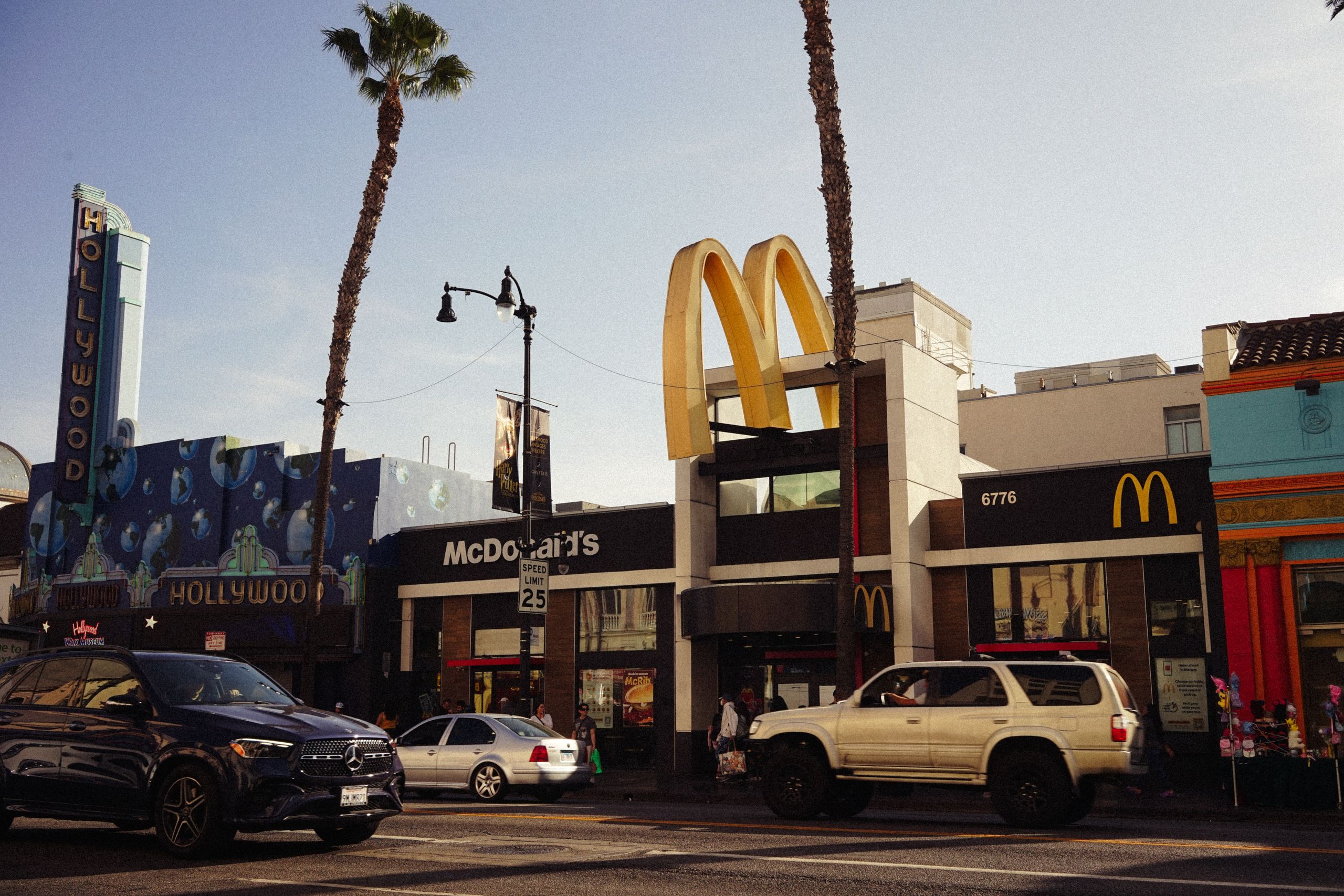
The alleged attack happened at a McDonald’s on Harter Parkway in Yuba City, California. Smith was working as a manager when police say 23-year-old Jalani Bluett, another employee, threw hot oil on him, according to a local CBS report.
That timing makes the case feel especially cruel. The end of a shift is usually when workers are thinking about getting home, not fighting for their safety. Smith was reportedly preparing to wrap up work when the night turned into a medical emergency.
The Alleged Weapon Was Already Sitting in the Kitchen
Hot oil is one of the most dangerous hazards in any fast-food kitchen, even when everyone follows the rules. Fryers can splash, grease can spill, and one careless move can send a worker to urgent care. Restaurant employees understand that danger because it is part of the job.
What makes this case different is the allegation that hot oil was used against a person. A cooking hazard became, according to police, the center of a violent assault. That changes the story from a workplace accident into something far more disturbing.
The Motive Still Has Not Been Made Public
Police have not publicly released a motive. That absence leaves Smith’s family and the public with a painful gap in the story. When an alleged attack seems sudden, people naturally search for a reason, even when no reason could justify it.
That missing motive is part of what makes the case so unsettling. A known argument or visible warning sign would at least give people a timeline to understand. Without one, the alleged attack feels random, personal, and harder for workers everywhere to dismiss.
The Injuries Are Serious Enough to Change a Life
Reports have varied on the exact burn classification, with some describing third-degree burns and others describing severe second-degree burns. That difference matters because burn severity can depend on medical evaluation and how the injury develops over time. The safest way to describe Smith’s condition is that he suffered serious burns that required hospital care.
Burn injuries can affect far more than the skin. They can bring intense pain, infection risks, scarring, nerve damage, surgery, and emotional trauma. For a 20-year-old trying to build his future, recovery can interrupt work, income, confidence, and everyday independence.
The Charges Point to a Serious Felony Case
Bluett has pleaded not guilty and is presumed innocent unless proven guilty in court. Prosecutors filed felony charges, including assault with a deadly weapon or instrument other than a firearm, mayhem, and battery with serious bodily injury inflicted, based on felony court charges.
Those charges show the case is not being treated like a simple workplace fight. Prosecutors appear to be focusing on the severity of the alleged act and the injuries that followed. The legal process will decide what can be proven, but the accusation itself has already placed the case in a much more serious category.
Restaurant Jobs Carry More Risk Than People Admit
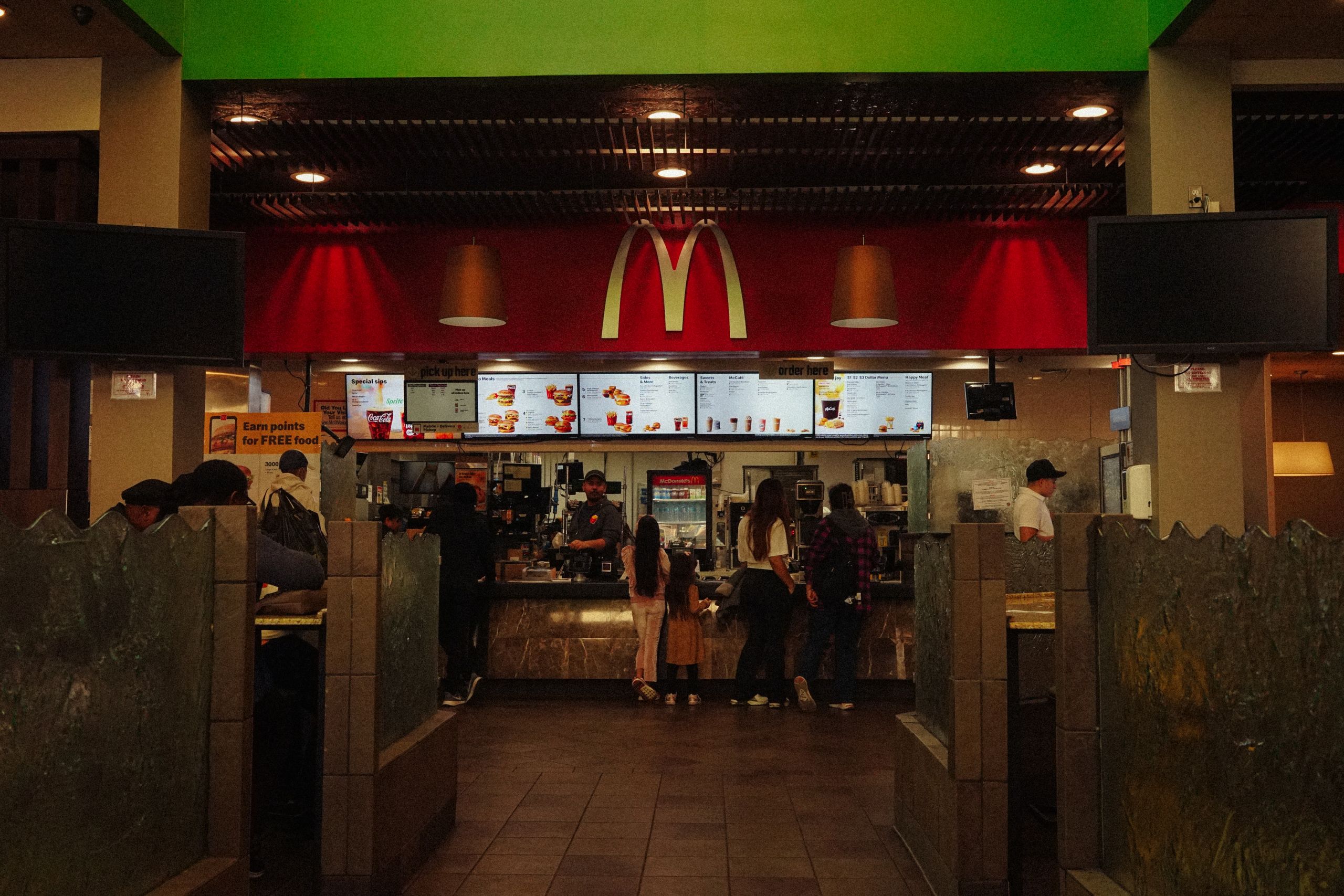
Fast-food work is often treated as easy work by people who have never done it. In reality, workers deal with sharp tools, hot surfaces, heavy equipment, wet floors, angry customers, late hours, and constant pressure to meet speed targets. OSHA warns that young restaurant workers face burn risks, especially around deep fryers and hot oil.
That context matters because this alleged assault happened in an environment where danger was already close. Restaurants train workers to avoid burns from equipment, but this case raises a harder concern. Safety plans also need to consider what happens when conflict between people turns dangerous.
Workplace Violence Is Not Just a Rare Headline
Workplace violence often sounds like a corporate training topic until a real worker ends up in a hospital bed. Federal safety guidance recognizes that violence at work can include threats, assaults, trauma, and physical injury through workplace violence risks.
That should matter to every employer running a late-night crew. Workers need clear ways to report threats, document conflict, separate from someone who feels unsafe, and get emergency help quickly. A poster in the break room does not protect anyone if the system behind it is weak.
The Hardest Part May Be What Comes After
Smith now faces a recovery that may last much longer than the criminal case headlines. Medical treatment, pain management, time away from work, and emotional shock can follow burn victims long after the first hospital visit. His family has described him as a dedicated young worker whose life was suddenly disrupted.
The case will continue in court, and Bluett’s not-guilty plea means the allegations still have to be tested. Still, the larger workplace question is already here. If a normal shift can turn dangerous this fast, how many young workers are quietly trusting systems that may not be ready to protect them?