Weight loss scams work because they sell relief at the exact moment people feel frustrated, tired, or embarrassed by slow progress. They promise that one tea, cream, pill, wrap, injection, or seven-minute routine can erase months or years of habits without real effort. That promise sounds comforting, but it often leaves people with less money, more confusion, and the same weight loss struggle waiting at the end.
We need to look at weight loss with clear eyes. Sustainable fat loss usually comes from a pattern of eating, movement, sleep, stress control, medical support when needed, and patience. The gimmicks below are popular because they sound simple, but their real cost can be physical, emotional, and financial.
Diet Creams That Claim to Melt Fat Through the Skin

Diet creams may be among the boldest weight-loss scams because they turn fat loss into a beauty routine. The sales pitch usually sounds effortless. We rub a cream onto the stomach, thighs, arms, or waist, then wait for the body to shrink, as if the fat can quietly dissolve under the surface.
That idea is attractive because it removes the hardest parts of weight management, including meal planning, consistent movement, and long-term behavior change.
The problem is that body fat does not disappear because a cream warms, tingles, tightens, or moisturizes the skin. Some products may temporarily make skin feel firmer by containing caffeine, menthol, or other ingredients that create a tightening effect.
That is not the same thing as fat loss. We should treat any cream that promises visible inch loss without diet or exercise as a red flag, especially when the advertisement uses dramatic before-and-after photos without verifiable evidence.
Detox Teas That Sell Bathroom Trips as Fat Loss
Detox teas often claim to be natural, gentle, and ancient, but many rely on laxative effects, water loss, or appetite suppression. The scale may drop after several bathroom trips, and that drop can feel like progress. In reality, the body may simply be losing fluid and digestive contents, not meaningful body fat. That temporary change can disappear as soon as normal eating and hydration return.
These teas become especially risky when people use them daily or combine them with very low-calorie diets. Frequent laxative use can disturb normal digestion and may cause dehydration or electrolyte imbalance. We should be cautious when a tea company promises a flat stomach, a cleaned-out body, or rapid slimming in a few days.
A healthy body already has organs that handle waste removal, and they do not need an influencer-branded tea to do their job.
Diet Pills With Hidden Ingredients and Big Promises
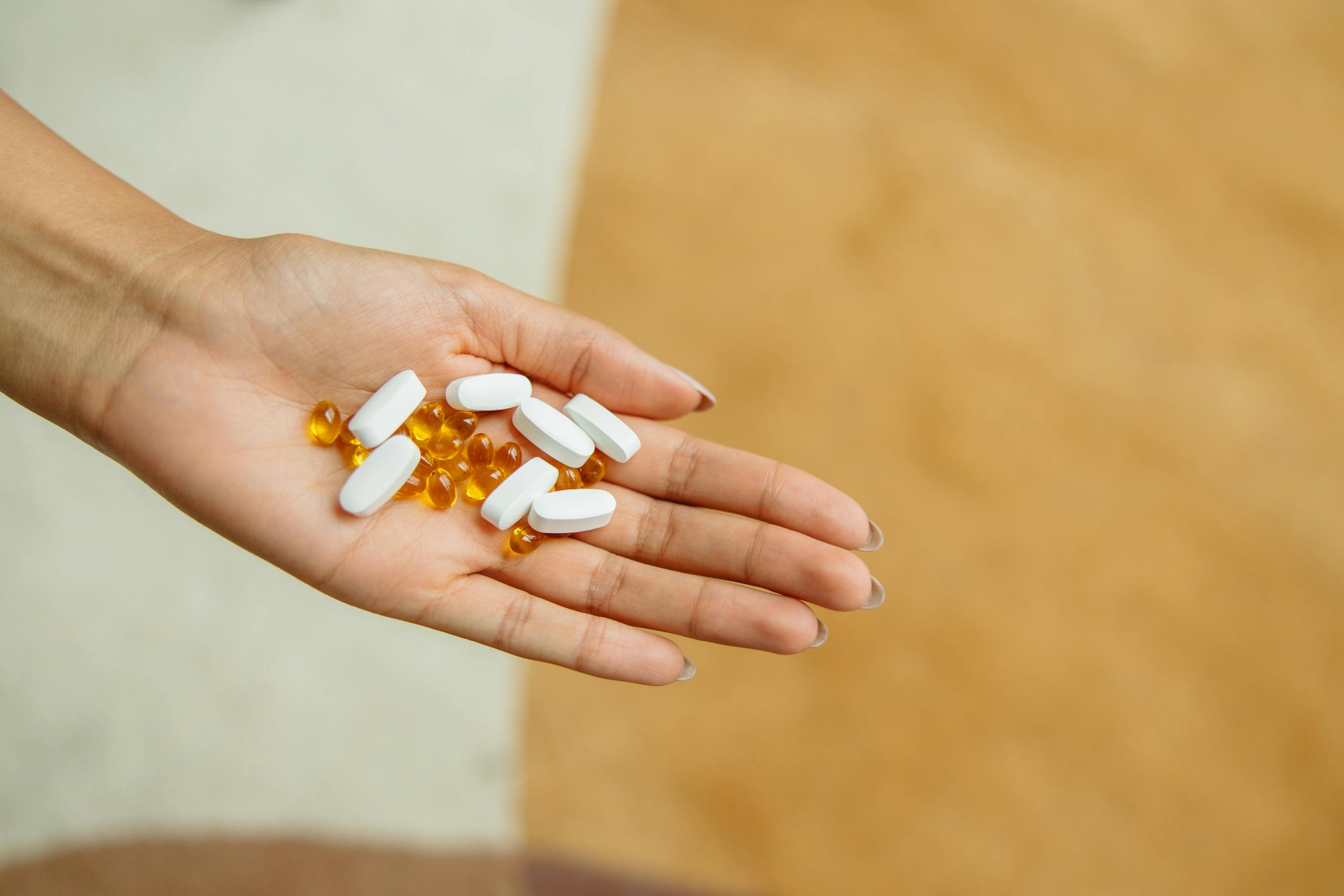
Diet pills are among the most dangerous weight loss scams because some products make medical-style claims without medical-grade safety. A bottle may use words like herbal, natural, advanced, clinical, maximum strength, or doctor-formulated, but those terms do not guarantee safety or effectiveness. Some products sold online have been found to contain that are not listed on the label.
This matters because hidden ingredients can interact with medications, raise heart rate, affect blood pressure, disturb sleep, or create other serious side effects. We should be especially careful with pills that promise rapid fat burning, extreme appetite control, or dramatic results without lifestyle changes.
Safe weight loss medication exists, but it belongs in a medical conversation with a qualified health professional, not in a mystery capsule from a flashy website.
Fake GLP One Products Sold Through Shady Online Sources
The popularity of prescription weight loss medications has created a new wave of copycat scams. Some sellers market unapproved versions of semaglutide, tirzepatide, or similar substances through websites, social media pages, med spas, or research chemical language. They may claim the products are almost identical to approved medicines or offer them at prices too good to ignore.
We need to be careful because unapproved products may have unknown strength, unknown purity, unclear dosing, or unsafe ingredients. Injectable weight loss medication is not a casual purchase. It requires medical screening, accurate dosing, follow-up, and a legitimate supply chain. Any seller who avoids proper medical evaluation, pushes bulk deals, or labels human weight-loss products as research use should trigger immediate suspicion.
Seven Minute Workouts Marketed as Complete Fat Loss Plans

A short workout can be useful, especially for busy people who need a realistic starting point. The scam begins when a short routine is sold as a complete fat-loss solution. Seven minutes of movement can raise the heart rate, build confidence, and create momentum, but it rarely offsets a full day of excess calories, poor sleep, high stress, and low daily movement.
We should not dismiss short workouts, but we should place them in the right category. They are tools, not miracles. A seven-minute routine works best when it becomes part of a larger pattern that includes walking, resistance training, better meals, and consistency. When a program claims that tiny effort alone can create dramatic body changes, it is usually selling the fantasy of convenience rather than a serious plan.
Waist Trainers That Squeeze the Body Without Changing Fat
Waist trainers are popular because they create an instant visual change. The waist looks smaller as soon as the garment is tightened, and that quick result can feel powerful. The trouble is that compression is not fat loss. A waist trainer can shift how the body looks under clothing, but it does not teach the body to burn fat from the midsection.
Long-term use can also feel uncomfortable and may interfere with breathing, posture, digestion, and the quality of exercise. We should be skeptical of any device that claims to train fat away from one body part. The waist changes through overall fat loss, muscle development, posture, genetics, and time. A tight garment may change the mirror for a few hours, but it cannot replace a full health plan.
Hot Workouts That Pretend Sweat Equals Calorie Burn

Sweat can make a workout feel more intense, but sweat is not proof of fat loss. Hot yoga, sauna suits, heat belts, and running in extreme heat can all cause heavy sweating. That sweat may temporarily reduce scale weight because the body loses fluid. The number can bounce back quickly after drinking water.
Heat may even reduce performance because the body has to work harder to cool itself. We may stop sooner, move more slowly, or feel dizzy before completing a strong workout. A good exercise plan should safely challenge the muscles and heart. We should not make sweating the main goal. Fat loss depends on energy balance and consistency, not how soaked our clothes look afterward.
Very Low Calorie Diets That Slow Life Down
Very low-calorie diets create the illusion of control. The rules are strict, the scale moves quickly, and the early results can feel exciting. Then hunger builds, energy drops, workouts suffer, and daily life starts to revolve around food. A body that receives too little fuel for too long may respond with fatigue, irritability, cravings, and reduced movement.
Crash dieting also makes weight regain more likely because the plan is too harsh to maintain. We should see rapid loss promises as a warning, not a badge of discipline. A safer plan should protect muscle, support basic nutrition, and create a pace people can live with. Losing weight should not require feeling weak, miserable, or afraid of normal meals.
Meal Replacement Shakes That Hide Sugar Behind Health Claims
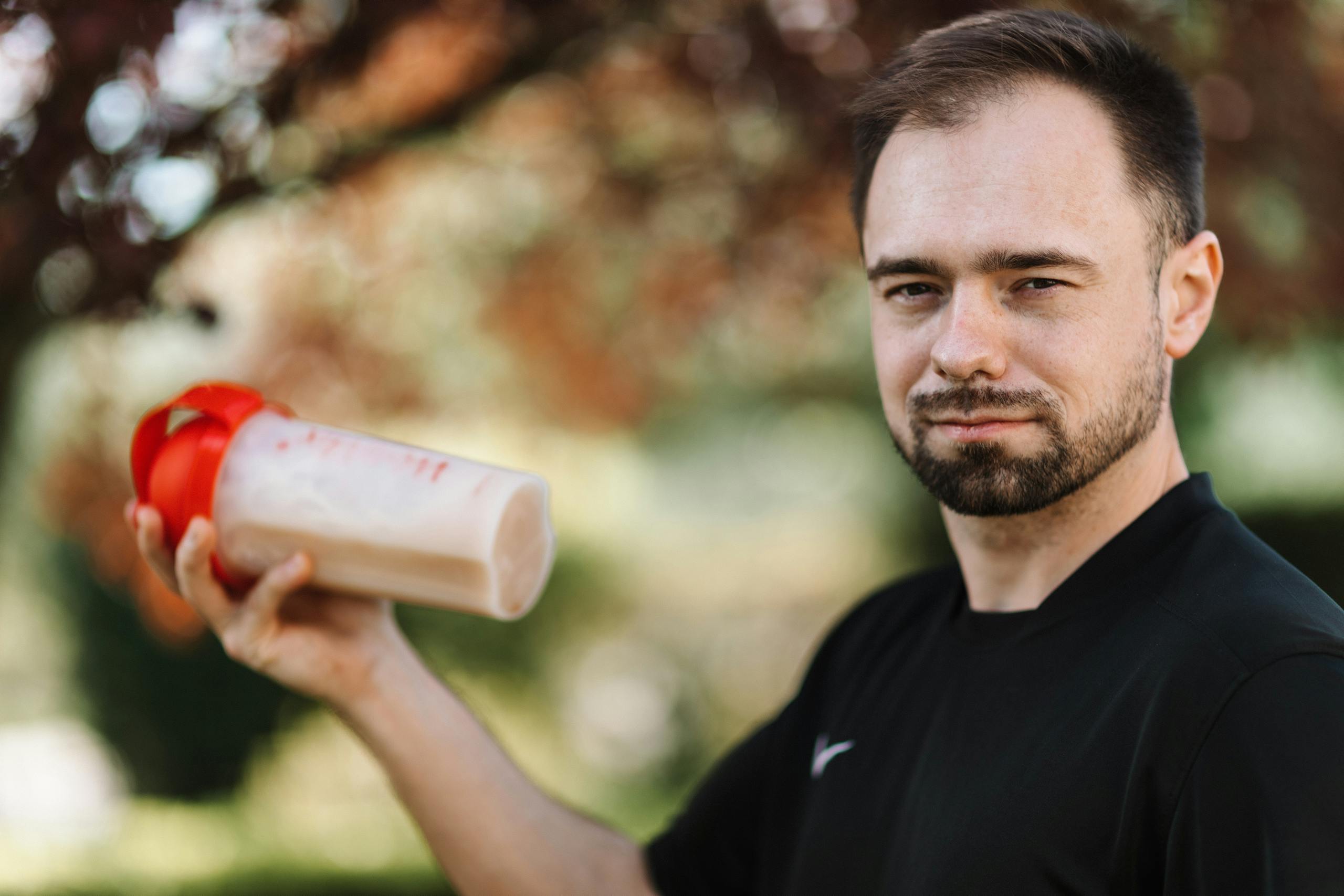
Meal replacement shakes can be useful in some situations, but many products are just expensive, sweet drinks with a health halo. A shake may look impressive because the label is covered with vitamins, protein claims, and fitness language. Then we read the ingredients and find high sugar, low fiber, low protein, or calories that do not keep us full for long.
The bigger problem appears when shakes replace real eating skills. If we never learn how to build a balanced plate, handle hunger, choose satisfying meals, or manage portions, the shake becomes a temporary crutch. We should choose shakes carefully and treat them as convenient tools, not a complete lifestyle.
A good meal replacement should have enough protein, fiber, and nutrients to support fullness, not just a sweet flavor and a slim bottle.
Conclusion
Weight-loss scams survive because they understand emotion better than science does. They know people want speed, privacy, control, and relief from the exhausting cycle of trying again. That is why creams, teas, pills, wraps, fake injections, crash diets, and influencer products keep returning with new labels and better photos. The packaging changes, but the promise stays the same.
We can protect ourselves by refusing to buy miracles. Real progress may look slower, but it builds something a scam cannot sell: confidence, skill, strength, and long-term control. When we choose evidence over hype, we stop letting the weight loss industry profit from our impatience. The smartest plan is not the loudest one. It is the one we can live with after the advertisement disappears.
For hyperlinking or fact-checking, the strongest sources to cite are the FTC for false weight-loss ads, the FDA for hidden ingredients and unapproved GLP-1 products, the NCCIH for detox and cleanse claims, the CDC for gradual weight loss, and the NIDDK for safe program features.