For millions of Americans, owning a car no longer feels like freedom. It feels like another monthly bill with wheels, insurance, repairs, fuel, and stress attached. What used to be a normal part of adult life now feels like a financial trap many families cannot escape because work, school, groceries, and basic errands still depend on having reliable transportation.
A recent LendingTree survey found that 39% of Americans now see car ownership as a luxury they cannot afford. That number hits hard because cars are not optional for many households. In much of America, skipping a car does not mean saving money easily. It can mean losing access to jobs, child care, medical appointments, and daily independence.
Monthly car payments are eating into paychecks.
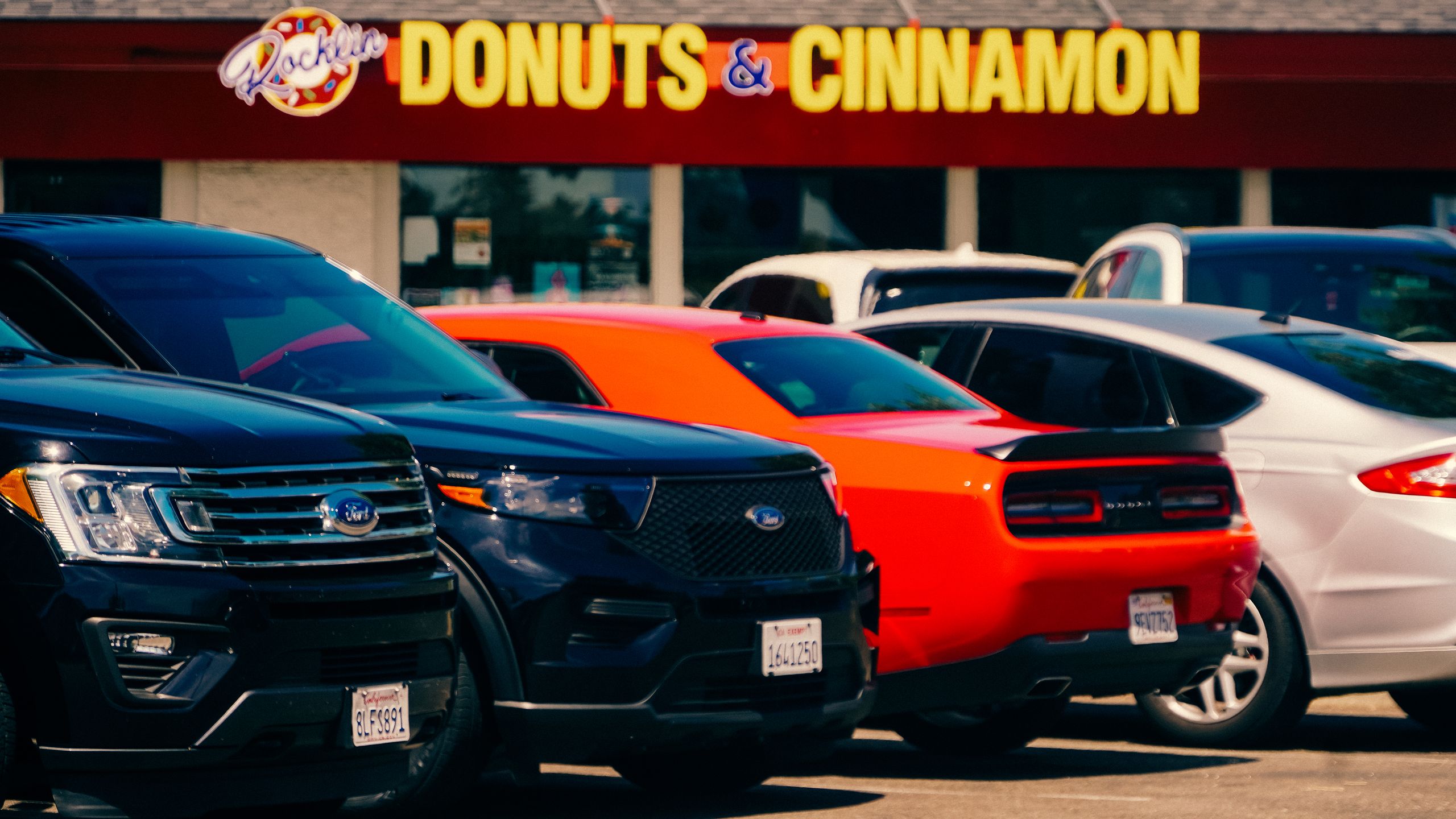
The car payment has become one of the most painful bills in the American household budget. Many drivers are no longer choosing between a modest car and a nicer car. They are choosing between a car payment and breathing room. With average annual car loan payments reaching $7,275, the cost of financing a vehicle now feels closer to a second rent bill than a simple transportation expense.
The problem gets worse when buyers stretch loans over six or seven years just to make the payment look smaller. That longer term may help at the dealership, but it keeps families locked into debt for years. By the time the car starts needing expensive repairs, many owners are still paying for it.
Insurance premiums are punishing ordinary drivers.
Auto insurance used to feel like a boring necessity. Now it feels like a financial ambush. LendingTree data shows auto insurance has risen 37.5% since 2021, with average annual costs reaching $2,277. That is a brutal jump for families already dealing with higher grocery bills, housing costs, and medical expenses.
The worst part is that drivers cannot simply ignore insurance. If the car is financed, coverage is usually required. That means Americans can buy a car they think they can afford, then discover the insurance bill makes the whole deal feel impossible.
Gas prices keep draining weekly budgets.
Gas is one of the most annoying car costs because it never really goes away. Even when prices dip, drivers still feel the squeeze every time they pull up to the pump. For commuters, parents, gig workers, and rural households, fuel is not a small lifestyle expense. It is the price of showing up.
This cost hits especially hard because it is constant. A family may budget for the loan and insurance, then still spend hundreds more each month just keeping the tank filled. When paychecks are already stretched, every fill up feels like money disappearing before the week even begins.
Repairs can turn one bad day into a financial crisis.
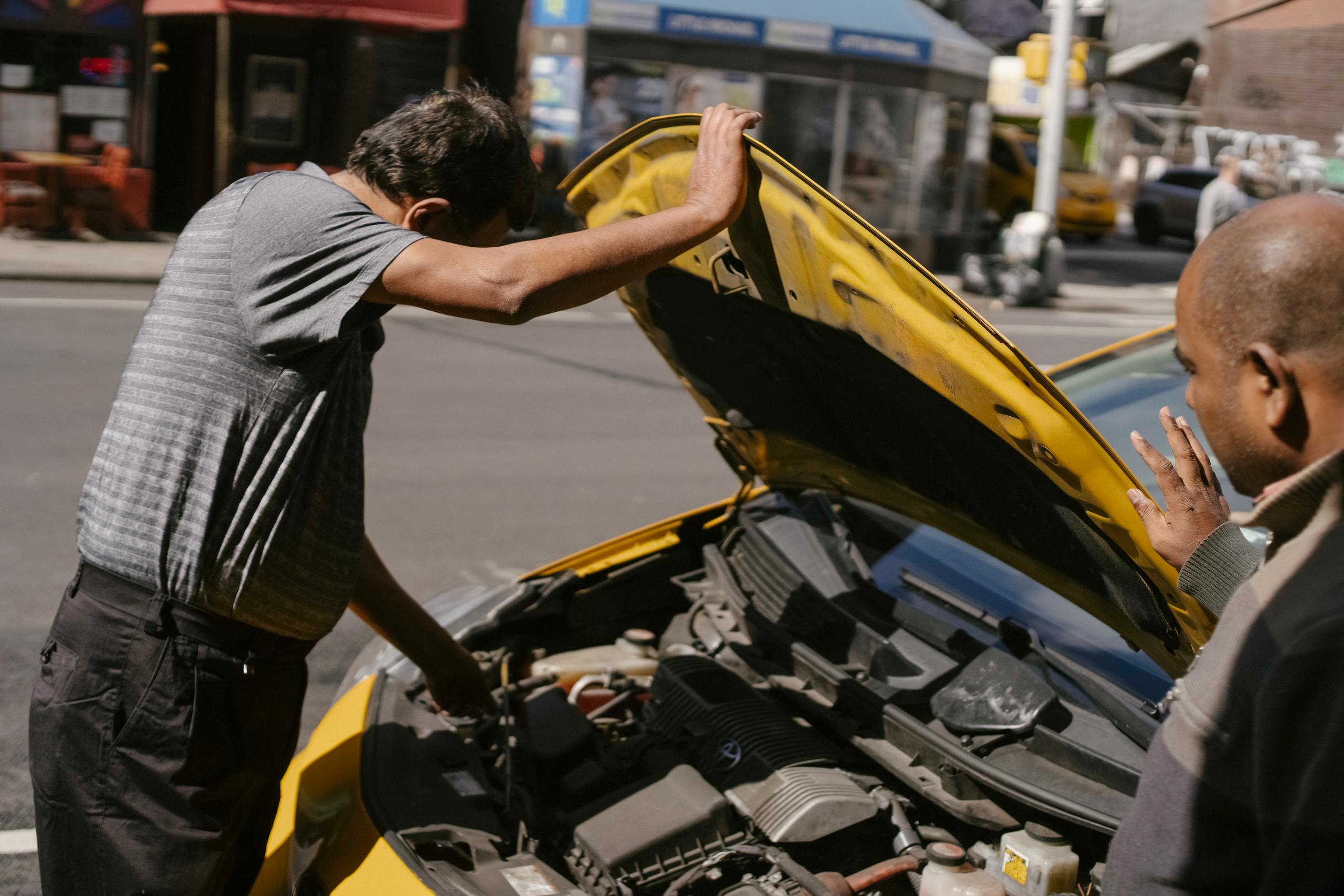
A broken car can wreck a household budget faster than almost anything else. One warning light can mean a $900 repair. One bad transmission can wipe out savings. One set of tires can arrive at the exact moment rent is due. That is why car ownership feels so risky for many Americans.
LendingTree found that some drivers would need to use credit cards, delay repairs, or drain savings to handle a $1,000 car repair. That is the ugly reality behind the modern car crisis. A vehicle is supposed to keep life moving, but one repair can stop everything cold.
Maintenance costs are climbing with no mercy.
Oil changes, brakes, tires, batteries, alignments, filters, and routine service do not sound dramatic until they arrive together. LendingTree reported that maintenance costs are up 12% since 2021, which means even responsible car owners are paying more just to keep vehicles safe and roadworthy.
Modern vehicles also come with more technology, which can make repairs more expensive. A simple bumper repair may involve sensors. A windshield replacement may require camera calibration. The more advanced cars become, the more expensive everyday ownership can feel.
New car prices have moved beyond normal budgets.
New vehicle prices have climbed so much that many Americans walk onto a dealership lot already defeated. LendingTree data shows new vehicle prices are up 12.4% since 2021. That increase may not sound shocking on paper, but it becomes painful when paired with higher interest rates, bigger down payments, and larger monthly payments.
For middle class buyers, the “affordable new car” is becoming harder to find. Many smaller, cheaper models have disappeared from the market, leaving shoppers with pricier SUVs, trucks, and feature heavy vehicles. The result is simple and frustrating. People who need basic transportation are being pushed toward luxury sized prices.
Used cars are no longer the easy escape.
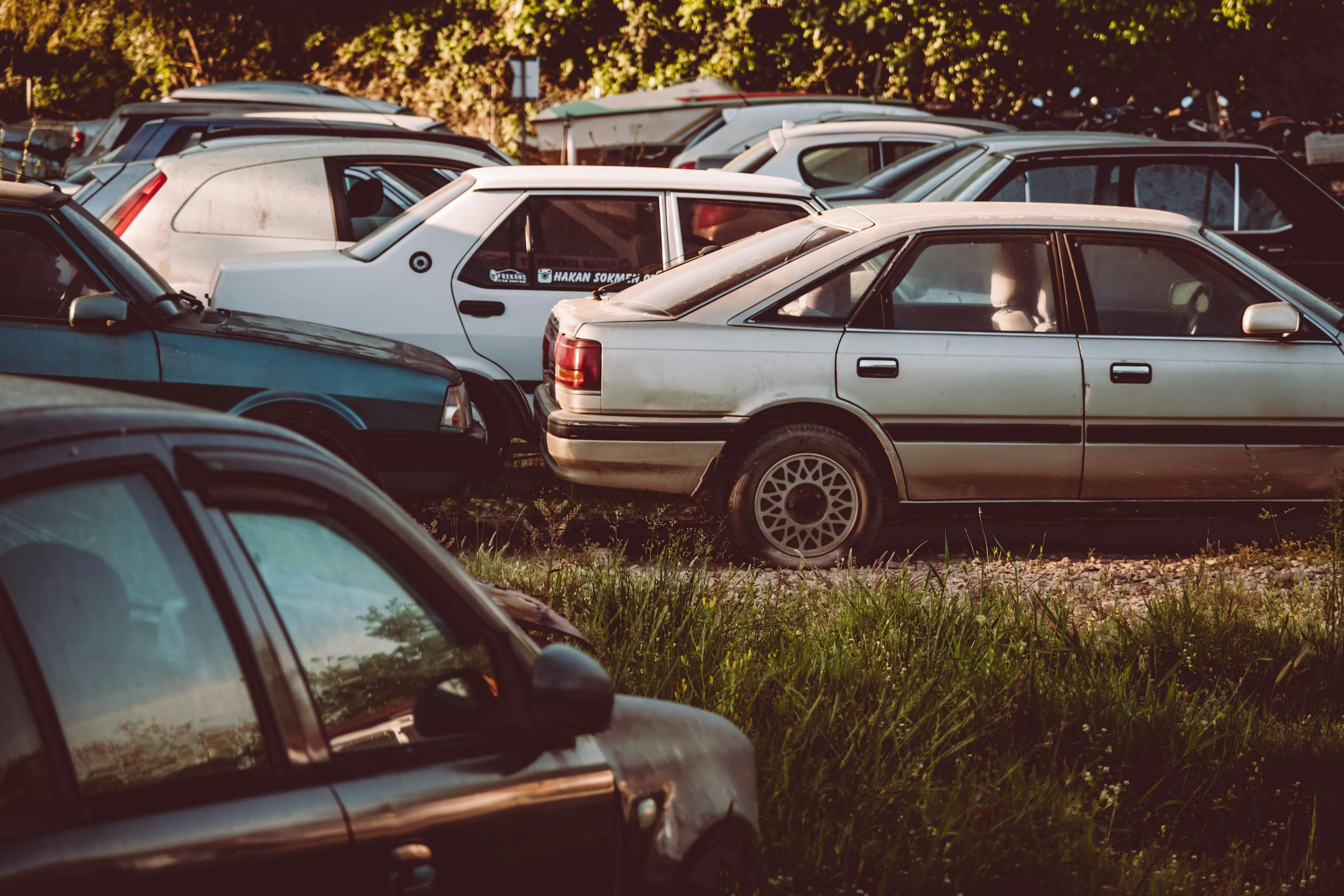
Buying used once felt like the smart move for drivers trying to avoid high payments. That strategy still helps in some cases, but used cars are not the bargain they used to be. Many used vehicles now cost what new cars used to cost, and older cars can bring higher repair risks.
This creates a painful choice. A newer car may bring a higher payment, but an older car may bring more repair bills. Either way, the driver pays. Americans looking for a “cheap car” often discover that cheap can become expensive once insurance, repairs, and reliability enter the picture.
Some states make car ownership feel impossible.
Car ownership costs do not hit every state equally. In Louisiana, drivers with active auto loans spend about 23.2% of their household income on car related expenses, according to the survey data. Mississippi follows at 21.5%, while New Mexico sits at 19.8%. Those numbers are not small inconveniences. They are budget breaking burdens.
This matters because transportation costs often rise fastest in places where people have fewer alternatives. In many states, public transportation is limited, commutes are long, and families need cars for nearly everything. That leaves drivers trapped between high costs and no realistic way out.
Lower income Americans are being hit the hardest.
Car ownership has become one more divide between Americans who can absorb rising costs and those who cannot. LendingTree found that 51% of people earning $100,000 or more said car ownership was reasonably affordable.
At the same time, 50% of those earning $30,000 or less said they could not personally afford a car.
That gap says everything. The same car bill that feels manageable to one household can be crushing to another. For lower income drivers, a car is not a status symbol. It is a survival tool that keeps getting more expensive to hold onto.
The American car dream now feels like a trap.
Cars have long been tied to freedom in American life. They represent movement, independence, work, family, and possibility. But when the cost of owning one swallows 15% or more of household income, that freedom starts to feel like a trap. The car gets people to work, but the work pays for the car.
That is the emotional weight behind this issue. Americans are not complaining because they dislike cars. They are frustrated because something essential has started behaving like a luxury product. A country built around driving has made driving painfully expensive.
Conclusion
Car ownership in America has crossed into uncomfortable territory. The problem is not just one expensive payment or one annoying repair bill. It is the full stack of costs that follows drivers every month: loans, insurance, gas, maintenance, repairs, fees, and depreciation. Together, they have turned basic transportation into a financial burden many households can barely carry.
For Americans who need a car to work, raise a family, and stay connected to daily life, this is more than a budget issue. It is a quality of life issue. The modern car still offers freedom, but that freedom now comes with a price tag that feels heavier every year.
Until wages, vehicle prices, insurance costs, and transportation options move in a better direction, many drivers will keep asking the same painful question: how did something so necessary become so hard to afford?