A younger adult walks into a parent’s house and spots the same scene that has been there for years. A landline phone sits near a stack of mail, plastic containers fill a cabinet, the cable remote has too many buttons, and the thermostat feels like it is guarded by family law. Nothing looks dramatic, but everything feels like a small time capsule.
For boomers, these habits are not strange. They often come from thrift, routine, caution, and a lifetime of learning not to waste what still works. A paper bill feels safer than an app. A drawer full of cords might come in handy someday. A plastic butter tub could become tomorrow’s leftover container with no apology.
Younger people see the same habits differently. They worry about clutter, safety, wasted space, outdated bills, hidden costs, and technology that makes life harder than it needs to be. What older homeowners call practical can look exhausting to people raised on automatic payments, streaming apps, digital calendars, and minimalist storage.
That is why boomer home habits can create significant tension within families. The issue is not that one generation is smarter than the other. It is that every home reveals what people fear most: wasting money, losing control, being unsafe, or changing a system that has worked for decades.
Keeping a Landline Nobody Else Answers
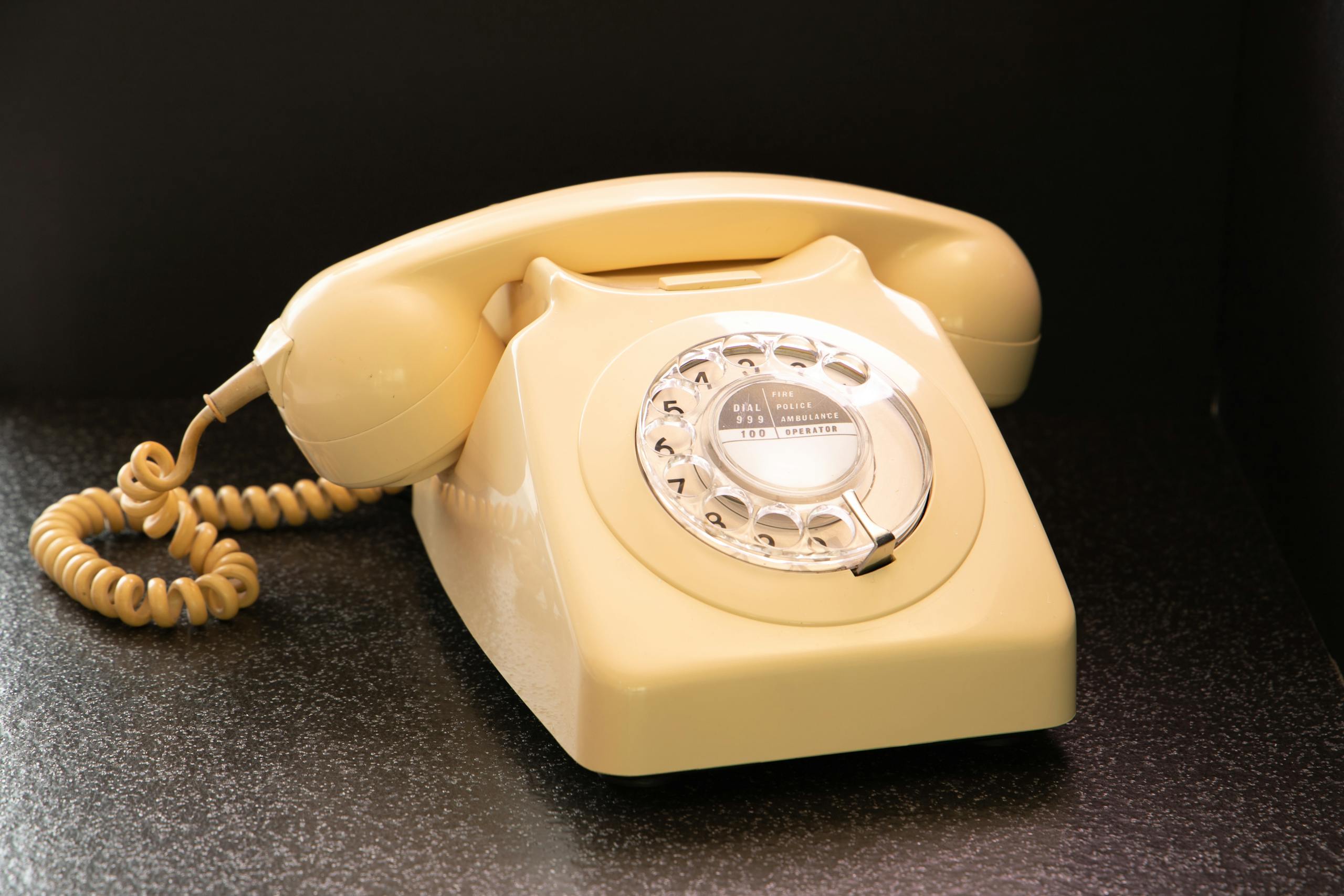
Many boomers still keep a landline because it feels familiar, dependable, and tied to the home itself. It may be the number relatives have called for decades, the one printed on old forms, or the phone that feels safer during emergencies.
To younger people, though, a landline can look like a monthly bill for something that mostly attracts robocalls. The sound of it ringing in an empty hallway can feel oddly outdated.
The generational gap is easy to see in phone use. By the second half of 2024, 78.7 percent of adults lived in wireless-only households, meaning they had no landline.e. That makes the old house phone feel less like a necessity and more like a leftover from another era. Younger relatives may not hate the phone, but they often wonder why it still has a place of honor.
Paying Bills With Paper Checks
Some boomers still write checks with care, place them in envelopes, and keep paper records of every payment. To them, the process feels controlled, visible, and safer than trusting an app or website. A handwritten check also gives them a sense that the money has been handled properly. Younger people often see the same ritual as slow, risky, and unnecessary.
Check writing can also feel strange because payment habits have moved heavily toward digital options. Over time, check use declined as digital payments became more common and concerns about check fraud grew. That does not mean every older person must abandon checks tomorrow. It explains why younger adults feel uneasy when important bills depend on stamps, mail delays, and handwriting.
Saving Every Container Like It Has a Future
A younger person opens a cabinet and finds the classic boomer collection: butter tubs, takeout boxes, glass jars, coffee cans, and plastic lids that do not match anything. To boomers, this is not clutter. It is proof of common sense because a good container should never be thrown out if it can hold leftovers, nails, buttons, coins, soup, or mystery screws. The habit comes from a generation that learned to stretch what it had.
Younger people often understand the thrift but question the chaos. Old containers can take over cabinets, hide expired leftovers, and make a kitchen feel more crowded than it needs to be. Food safety guidance recommends storing leftovers in clear, labeled containers, which makes the mystery tub less charming. The real issue is not reuse itself, but letting reuse become a cabinet full of confusion.
Holding Onto Cable Like Streaming Cannot Be Trusted.

Many boomers still keep cable because it feels simple, stable, and familiar. The channels are there, the news is there, the sports package is there, and the remote may be annoying, but it’s known. Streaming can feel scattered across too many apps, passwords, updates, and subscriptions. For older adults who value routine, cable can feel less stressful than having to chase shows across platforms.
Younger people often see cable as expensive clutter in digital form. Traditional pay TV subscriptions have been declining for years as more households cut the cord and switch to streaming or online services. That trend makes the cable box look like a stubborn household relic. Still, for some boomers, the price is not just about channels but about comfort and predictability.
Treating the Thermostat Like a Sacred Object
The thermostat can become one of the most protected items in a boomer home. Someone is always too hot, too cold, opening windows, closing vents, or being told to put on a sweater. For boomers, controlling the thermostat is often about money, discipline, and avoiding energy waste. Younger people may see it as a tiny wall-mounted symbol of household control.
This habit can turn funny until it becomes a family argument. A visiting adult child may wonder why a house has to feel like a museum in winter or a waiting room in summer. The older homeowner may remember years of high bills and insist comfort should not mean careless spending. What looks strange to younger people is often a deeper story about budgeting, habit, and control.
Keeping Rooms for Guests Who Rarely Come
Many boomer homes still have a formal dining room, a guest bedroom, or a living room that feels more preserved than used. The furniture may be covered, the good dishes may stay untouched, and certain spaces may be treated as if they were waiting for an occasion that rarely arrives. For boomers, those rooms can symbolize pride, hospitality, and the dream of a home that is ready for family. The room is not wasted in their minds; it is reserved.
Younger people often find this strange because housing feels expensive, tight, and practical now. A room that sits unused can look like a luxury, especially to renters, apartment dwellers, or adult children working from small spaces. They may wonder why a home protects a room for imaginary company but has no place for daily comfort. The answer usually lives somewhere between tradition, status, and memory.
Covering Furniture Like Life Is the Enemy
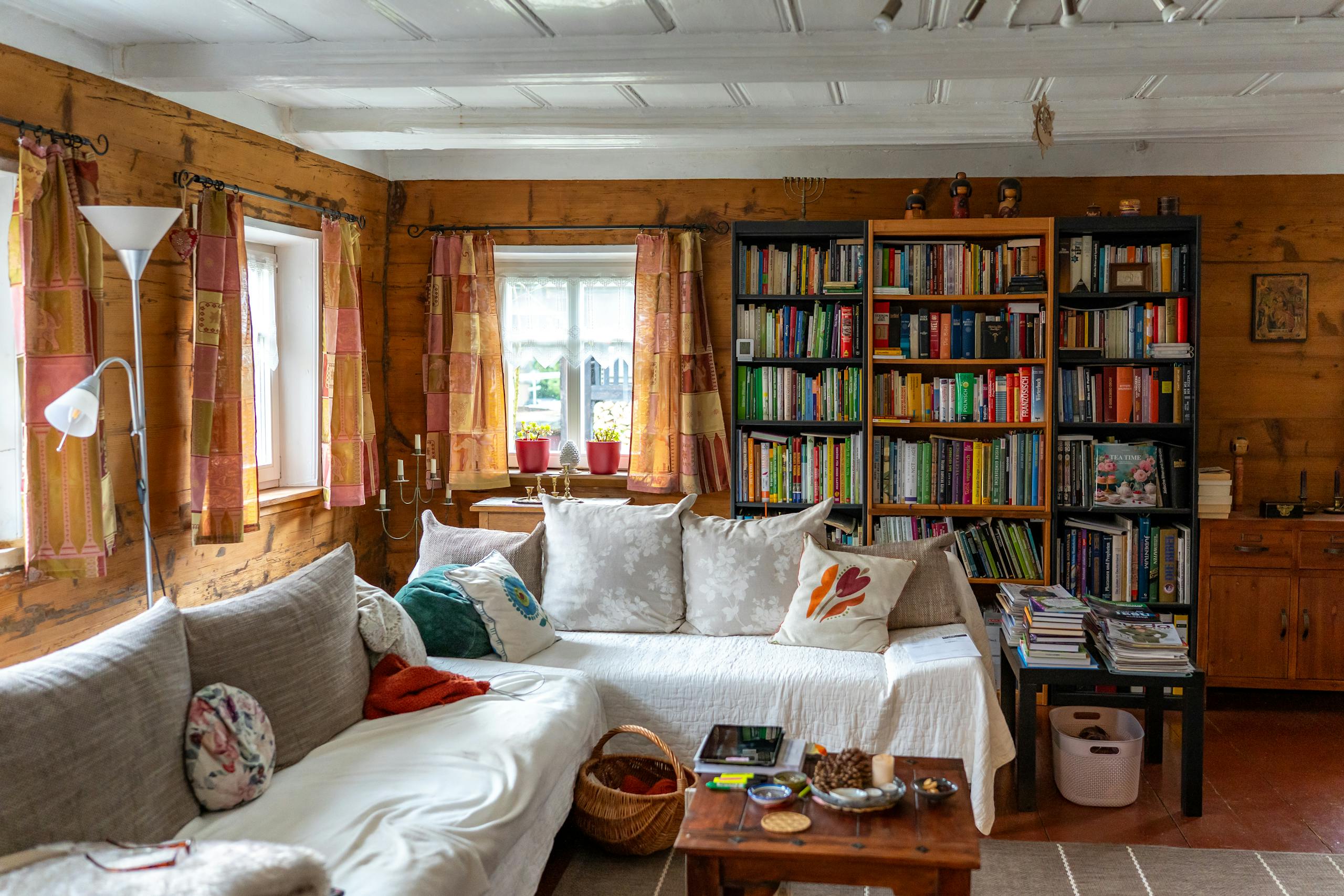
Plastic covers, untouched couches, decorative towels, and “good” rooms are classic symbols of older household thinking. Many boomers grew up believing nice things should be protected because replacing them was not easy. A sofa was an investment, not a disposable item. Keeping it spotless was a sign of respect for the money spent.
Younger people often see this habit as missing the point of having a home. A couch that no one can relax on feels more like a display piece than furniture. The tension is really about two different ideas of value. One generation protects objects so they last, while another asks why the objects are there if no one gets to enjoy them.
Letting Old Rugs and Cords Stay Where They Are
Boomers may keep the same rugs, extension cords, floor mats, and furniture layouts for years because the setup feels familiar. They know where everything is, and changing it can feel unnecessary or even irritating. Younger relatives often notice the risks first: curled rug edges, cords across walkways, dim halls, and crowded paths. What looks normal to the homeowner can look like a fall waiting to happen.
This is one habit younger people may be right to question more firmly. Home safety checklists warn that throw rugs, floor clutter, and loose cords can create real hazards for older adults, especially as balance and mobility change. Simple home fall prevention steps can make a major difference. The hard part is convincing someone that a familiar home can still become unsafe.
Printing Everything Just in Case
Some boomers still print receipts, directions, travel confirmations, bank records, recipes, warranties, and emails. They like having proof in their hands, especially if technology fails, passwords disappear, or a company claims it never received something.
Paper feels solid in a way a screen sometimes does not. Younger people often see stacks of printed pages and wonder why the same information isn’t stored digitally instead.
The habit is not irrational, but it can become overwhelming. Drawers fill with old statements, expired warranties, duplicate records, and printed instructions no one will use again. For younger adults used to search bars and cloud storage, paper piles feel like anxiety made visible. For boomers, they can feel like a form of protection against a world that keeps moving too fast.
Keeping a Drawer Full of Mystery Cords

Every boomer home seems to have at least one drawer filled with cords, chargers, adapters, batteries, old remotes, instruction booklets, and small parts from devices nobody owns anymore. The drawer survives because each item bears the same magical phrase: “You never know.” Boomers may not remember which cord it belongs to, but throwing it away feels reckless. It could be important, expensive, or impossible to replace.
Younger people find this strange because technology changes quickly, and old accessories often become useless. A drawer full of outdated cords can create clutter without solving any real problem. Still, the habit comes from a sensible place. Boomers remember a time when replacing a part required a store visit, a manual, a phone call, and patience, not a two-day delivery window.
Conclusion
Boomer home habits may look strange to younger people, but many of them come from real experience. Landlines, paper checks, saved containers, cable boxes, protected furniture, printed records, and mystery cords all tell a story about caution, thrift, memory, and control. These habits were shaped by a world where things were repaired, saved, reused, and protected because replacement was not always easy.
The problem is that some old habits can quietly become expensive, risky, or stressful. A landline may add a bill nobody needs, a rug may become a hazard, paper piles may hide important documents, and unused rooms may turn a home into a museum. Younger people are not always being disrespectful when they question these choices. Sometimes they see the hidden cost before the older homeowner does.
The real conversation should not be about mocking boomers or dismissing younger people as impatient. It should be about which habits still serve the home and which ones only serve old fears. Which of these boomer home habits do you find practical, and which would you change first?