Some cleaning products look like small miracles on the shelf. They promise fresher rooms, shinier floors, softer laundry, cleaner toilets, and less effort after a long day. Then they end up half-used under the sink, surrounded by refills, sprays, pads, powders, and gadgets that never worked as well as the label promised.
The truth is that many useless cleaning products do not make the home cleaner. They make cleaning more expensive, more complicated, and more dependent on disposable refills. A smarter routine does not need twenty different bottles and gadgets fighting for space in the cabinet.
We can clean better by choosing products that actually remove dirt, protect surfaces, and last longer. The best cleaning tools are often simple, reusable, and affordable. These are the eight products worth cutting first.
Laundry Detergent Pods Are Expensive Convenience
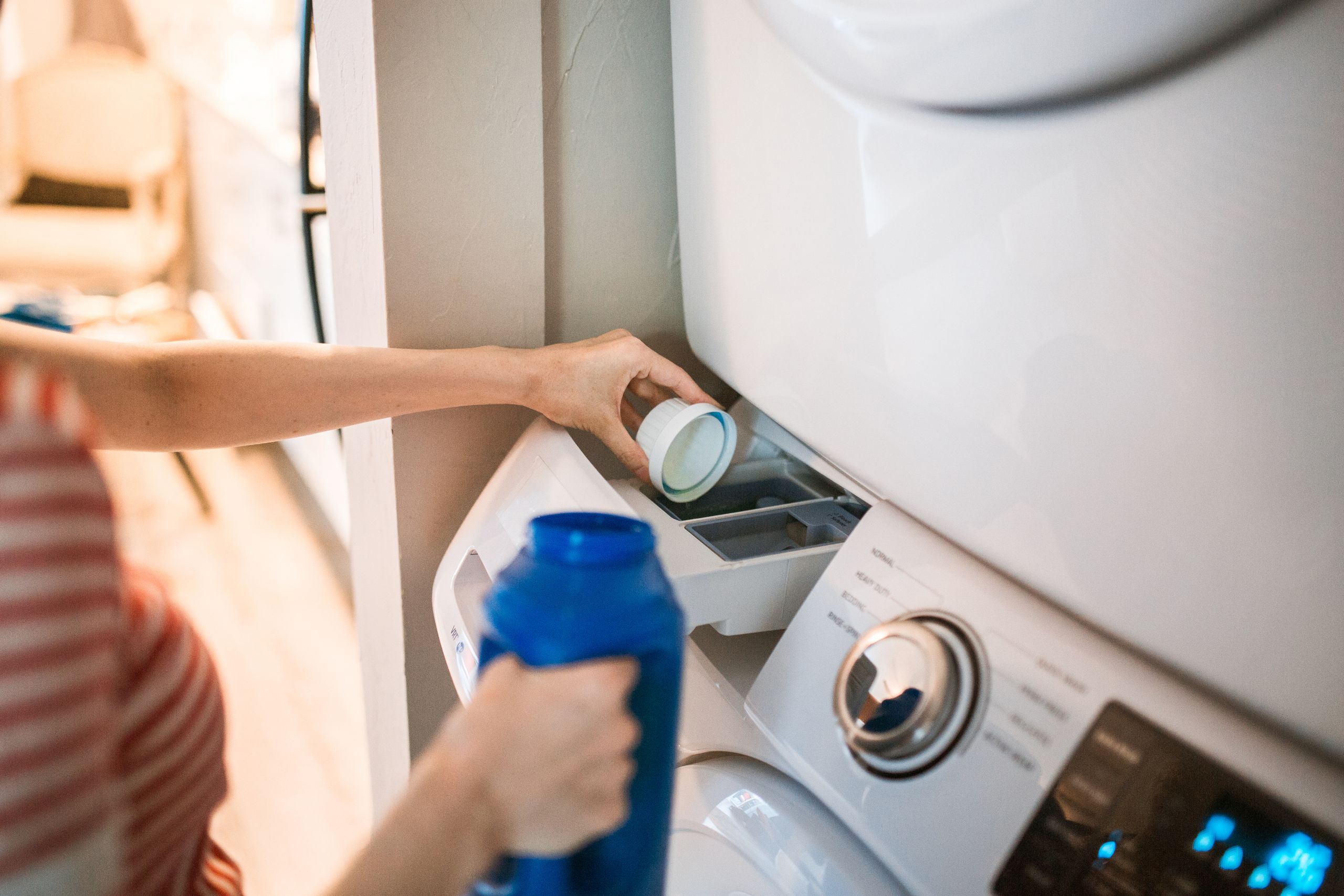
Laundry pods look neat, quick, and modern, but they often cost more per load than liquid or powder detergent. They also remove control from the process because one pod may be too much for a small load and not enough for a heavily soiled one.
That means we may pay extra while still getting clothes that need another wash. Pods can also leave residue when they do not dissolve properly, especially during short cycles, in cold water, or in overloaded machines. Instead, use liquid or powder detergent so the amount can match the load.
A fragrance-free or store-brand detergent can clean just as well without turning laundry into a premium subscription.
Disposable Floor Pads Create Endless Refills
Disposable floor pads are easy to love at first because they make quick cleanups feel effortless. The problem is that every touch-up costs money, and every dirty pad head straight to the trash. Over time, those little refills can become more expensive than a durable mop that lasts for years.
They also struggle with real messes. Sticky kitchen spills, muddy footprints, and bathroom grime need more pressure than a thin disposable pad can offer. A washable microfiber mop head gives better value because it can be rinsed, washed, and reused without forcing you to keep buying replacements.
Plug-In Air Fresheners Hide the Real Problem
Plug-in air fresheners can make a room smell pleasant, but they do not clean the air or remove the source of odor. If the smell comes from trash, laundry, drains, carpets, pets, or old food, fragrance only covers the problem for a while. The room may smell like lavender for an hour, but the real mess is still waiting.
They also create a steady refill habit. Once the device is plugged in, the home needs new cartridges repeatedly. A better plan is to clean the source of the odor, open windows when possible, wash fabrics, empty bins, and use baking soda in odor-prone areas.
Disinfecting Wipes Are Overused For Everyday Cleaning
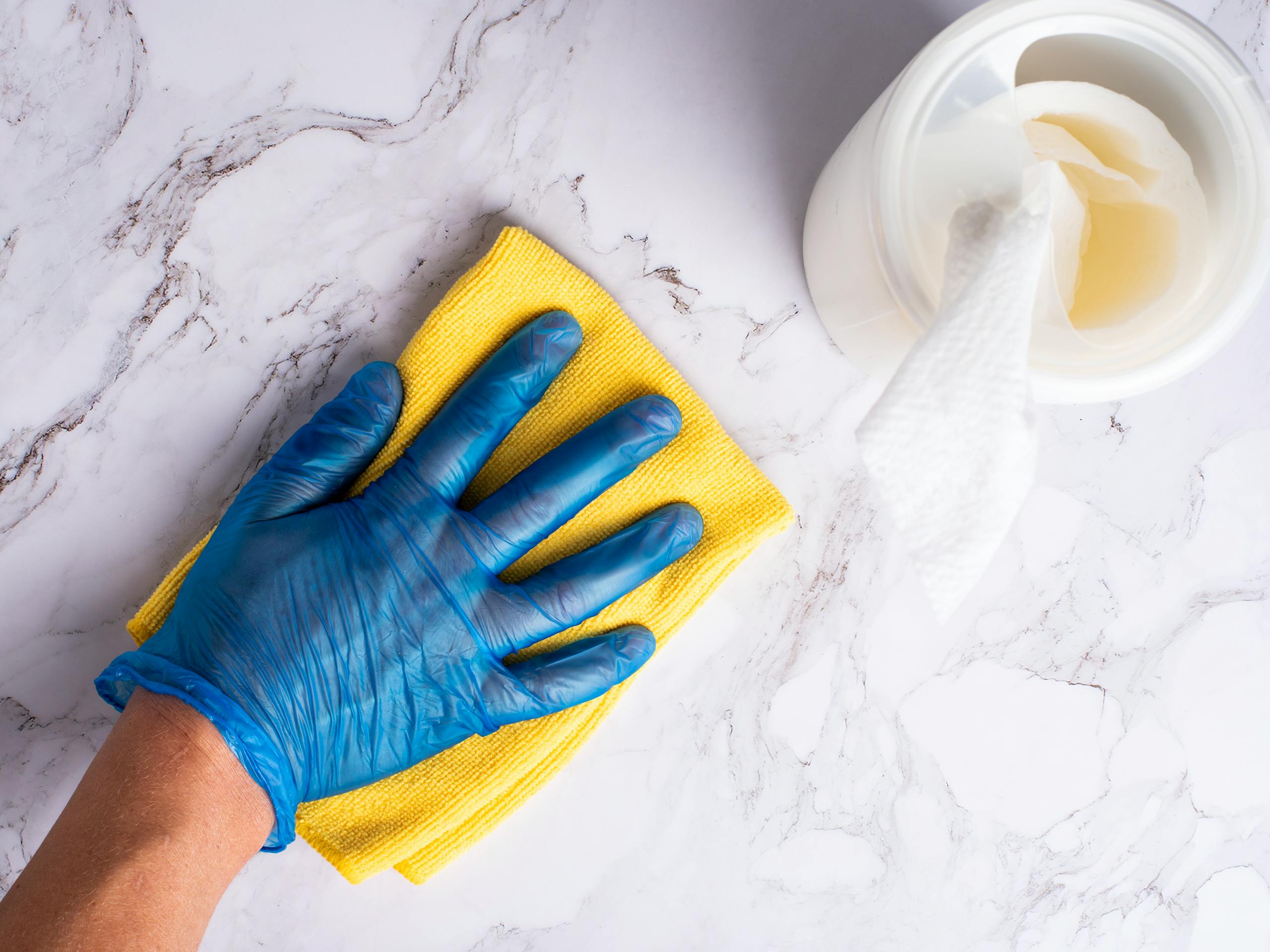
Disinfecting wipes are useful in certain moments, especially around illness, raw meat, bathroom surfaces, or high-touch areas. The waste begins when they become the default tool for every counter, table, handle, and spill. At that point, we are paying premium prices for something that often acts like a disposable wet cloth.
They also need proper contact time to disinfect, and many people wipe too quickly for the product to work fully. For daily messes, a reusable cloth with soap and water is often enough. When disinfection is truly needed, use a proper disinfectant spray and follow the label directions instead of casually swiping and hoping for the best.
Automatic Toilet Tablets Can Cost More Than They Save
Automatic toilet tablets sound clever because they promise a fresher bowl without scrubbing. Drop one in the tank, walk away, and let the chemicals do the work. The problem is that some tablets can sit against toilet parts for long periods and may wear down rubber seals, flappers, and other tank components.
That small shortcut can lead to running water, weak flushing, leaks, or the need for repairs. A toilet brush and bowl cleaner may not feel glamorous, but they clean with more control and less risk. Regular scrubbing is cheaper than trusting a blue tablet to protect both your toilet bowl and your plumbing.
Steam Mops Can Damage The Floors They Claim To Save
Steam mops feel powerful because steam looks like deep cleaning in action. But many floors do not respond well to heat and moisture, especially hardwood, laminate, and some vinyl surfaces. A floor can look clean at first, then slowly suffer from dullness, swelling, warping, or finish damage.
They also do not always pick up messes well. Some steam mops loosen dirt but push grime around with a weak pad. A regular mop gives better moisture control, stronger scrubbing pressure, and safer results when used with the right cleaner for the floor type.
Laundry Scent Boosters Add Smell, Not Cleanliness

Laundry scent boosters are one of the easiest products to cut because they do not actually clean clothes. They do not remove stains, fight odor at the source, or make fabric softer in a meaningful way. They simply add fragrance, and that fragrance can become overpowering on towels, bedding, uniforms, and children’s clothes.
For some people, strong scents can also irritate skin, trigger headaches, or make fresh laundry feel artificial rather than clean. A good detergent should already leave clothes fresh enough. If fragrance matters, choose a lightly scented detergent or use dryer balls with a small, careful amount of scent.
Robotic Vacuums Are Not Always Worth The Hype
Robotic vacuums can help in open, tidy homes with simple layouts, but they are not the magic solution many buyers expect. They struggle with clutter, cords, stairs, thick rugs, tight corners, and heavy debris. A home with pets, children, furniture legs, and daily messes can make the robot another thing to manage.
They also usually lack the power and control of a strong upright or cordless vacuum. We still need to clean corners, stairs, upholstery, baseboards, and deeper carpet messes ourselves. For many homes, a lightweight cordless vacuum gives faster cleaning, better suction, and fewer interruptions.
Conclusion
The biggest cleaning mistake is believing every mess needs its own special product. Many useless cleaning products survive because they sell convenience, scent, or novelty instead of real cleaning power. Once we look at cost, refills, waste, surface safety, and actual results, the weak products become easy to spot.
A smarter cleaning routine is simple, strong, and practical. Keep reusable cloths, a good mop, a reliable vacuum, basic cleaners, a toilet brush, and a few surface-safe products that genuinely work. The goal is not to own more cleaning products, but to own the right ones.