A new phone launch can make your perfectly good device feel embarrassing overnight. Suddenly, the camera you loved looks “outdated,” the screen seems less impressive, and the phone that handled your texts, photos, maps, banking apps, videos, and calls yesterday starts looking like a problem. That is not an accident.
The truth is simple. Most people do not need a new phone every year. Modern smartphones have become powerful, durable, and supported long enough to last several years with basic care. With flagship prices climbing, battery repairs getting easier, and electronic waste piling up globally, replacing a good phone every year can quietly become one of the dumbest money habits in modern life.
New Phones Cost Too Much for Such Small Changes
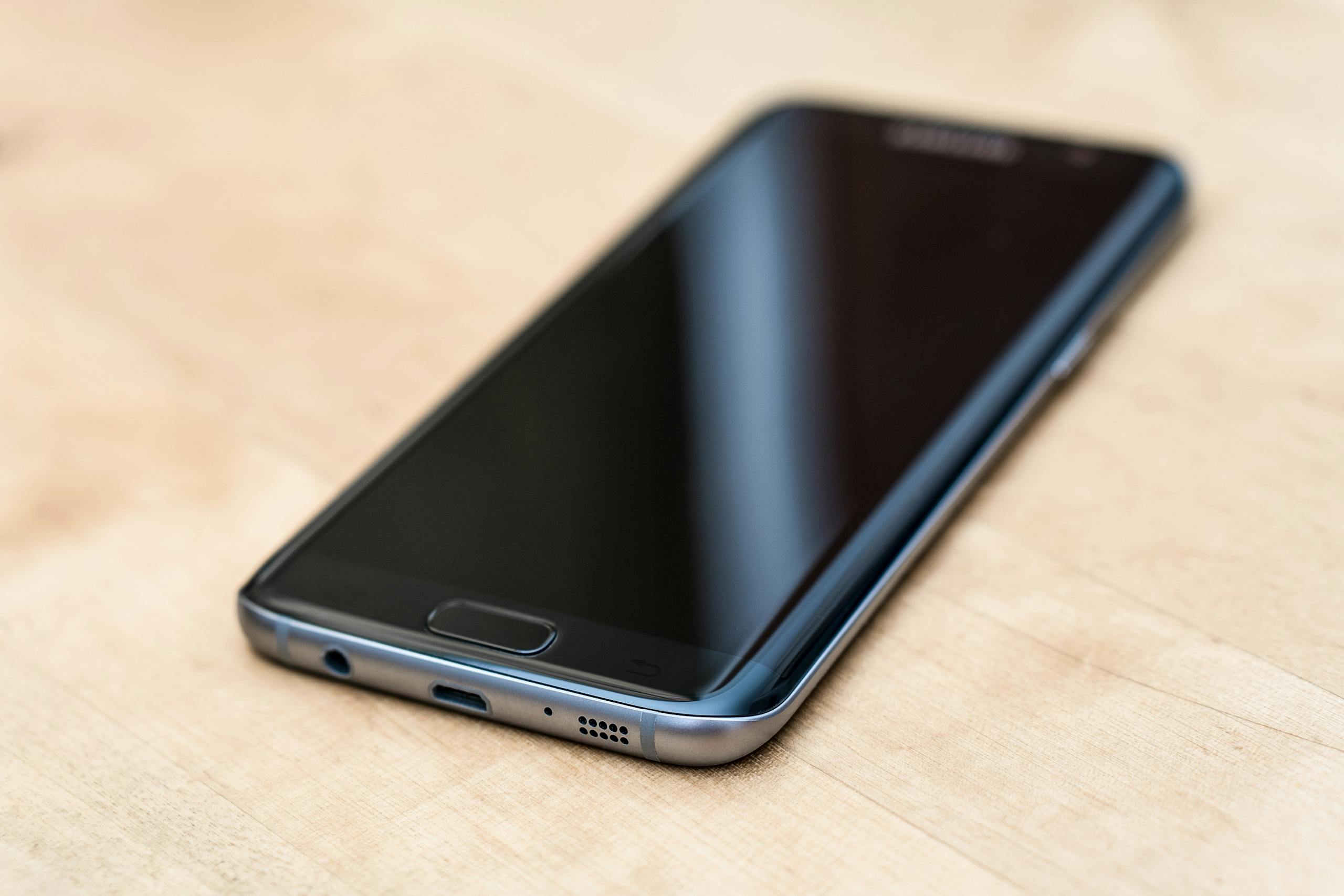
A new premium phone can easily push past the $1,000 mark once you add more storage, a protective case, screen protection, insurance, chargers, and taxes. Even when a carrier advertises a “free” upgrade, the deal often comes wrapped in installment plans, bill credits, trade-in conditions, and contract terms that keep you tied down. That shiny phone may not feel expensive on day one, but the cost keeps showing up in your monthly bill.
The painful part is that most yearly upgrades do not change your daily life enough to justify that price. You still open the same apps, take the same selfies, scroll the same feeds, answer the same messages, and charge the phone before bed. Paying hundreds or thousands of dollars for a slightly brighter screen or a marginally better camera starts to look less like a smart purchase and more like a very polished trap.
The “Free Upgrade” Is Usually Not Free
Phone companies know the word “free” makes people stop thinking too hard. That is why upgrade offers often sound generous at first glance. You trade in your old phone, sign up for a plan, and walk away with a new device that seems like a gift. Then the fine print quietly takes over.
Many of these deals require you to stay with the carrier for years to receive the full discount. Leave early, change plans, damage the phone, miss a requirement, or fail to qualify for the best trade-in value, and the “free” phone can turn into a bill you did not expect. A smarter move is to compare the total cost over the full plan period, not just the flashy upgrade price shown in large print.
Most Yearly Upgrades Barely Change Your Real Life
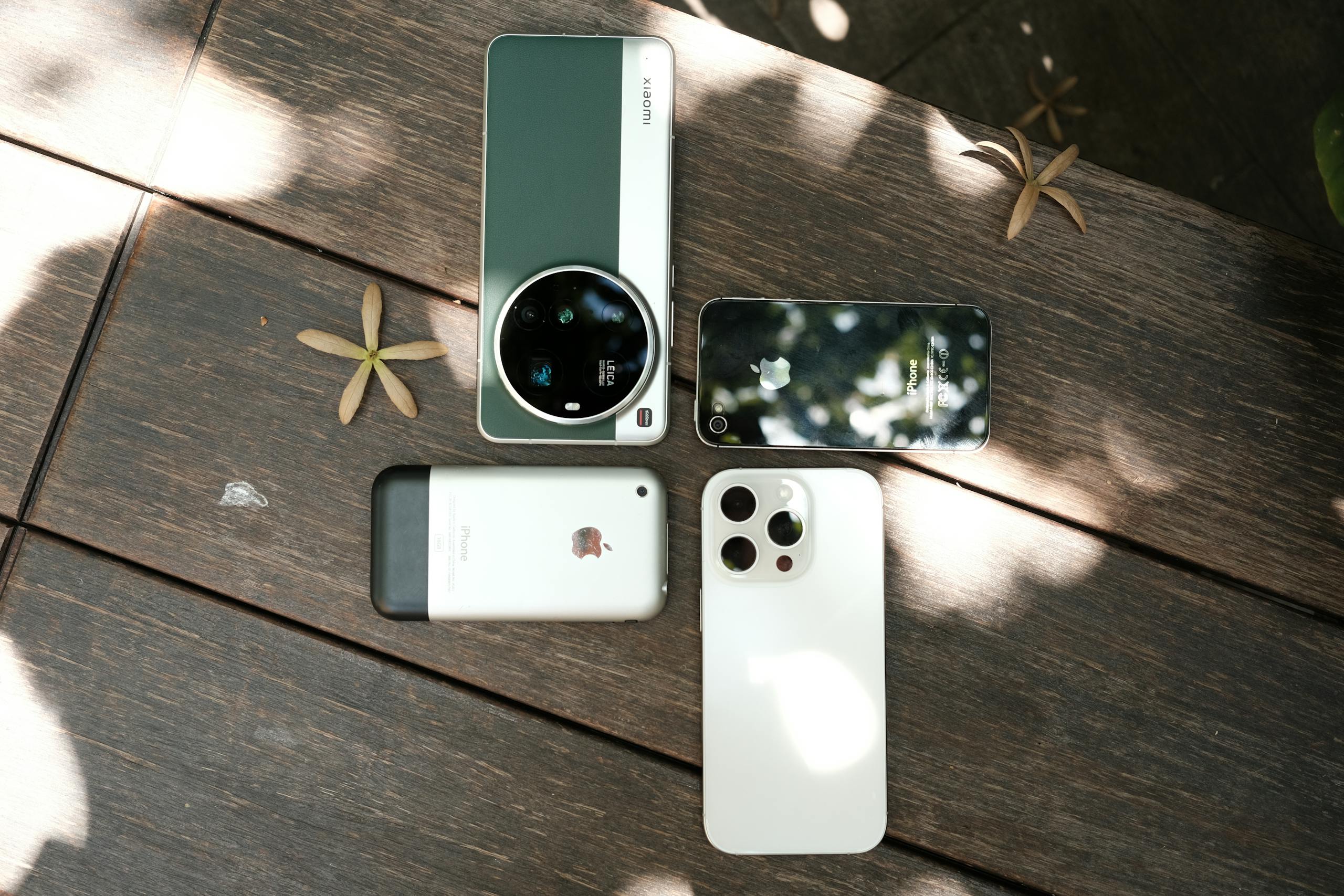
Phone launches love dramatic language. Every new model sounds faster, smarter, brighter, sharper, and more powerful than the last one. But for the average person, the difference between last year’s phone and this year’s phone often feels tiny after the first few days. The excitement fades, and the routine stays exactly the same.
That is because smartphones have reached maturity. Cameras are already good, screens are already sharp, chips are already fast, and apps already run smoothly on many older models. Unless you use your phone for professional photography, heavy gaming, video production, or specialized work, you may not notice enough improvement to justify the upgrade. The phone industry sells revolution, but many yearly upgrades deliver refinement.
Your Battery Is Often the Real Problem
Many people replace their entire phone because the battery drains too quickly. That can make a device feel old, frustrating, and unreliable. But a weak battery does not always mean the phone itself is finished. In many cases, replacing the battery can give the device a second life for much less money than buying a brand-new phone.
This is where buyers lose money without realizing it. The screen may still be great, the camera may still work well, the apps may still run smoothly, and the storage may still be enough. The battery is simply tired. Before spending money on a new device, checking battery health and repair options can save you from replacing a phone that only needed a relatively simple fix.
Modern Phones Can Last Longer Than People Think
A decade ago, upgrading often made sense because phones aged quickly. Older models became slow, cameras improved dramatically every year, and software support felt shorter. Today, the situation looks different. Many modern phones can last four, five, six, or even seven years with careful use, especially when they continue receiving security and operating system updates.
Google and Samsung have both extended software support for select newer devices, meaning some phones can stay secure and useful far longer than older upgrade cycles suggest. Apple has also built a reputation for supporting iPhones for many years. That changes the math. If your phone still receives updates, runs your apps, holds enough storage, and works reliably, replacing it every year becomes harder to defend.
Marketing Makes Your Phone Feel Older Than It Is
The phone in your hand does not suddenly become bad because a new model appears on a stage. But marketing is designed to make you feel that way. Launch events, influencer reviews, comparison videos, trade-in countdowns, and glossy ads create a sense of urgency. They make ordinary features sound outdated and small improvements sound life-changing.
This pressure works because phones are personal. We carry them everywhere, use them constantly, and sometimes treat them like a public signal of taste, income, or status. That makes people easier to push toward unnecessary upgrades. The smarter question is not “What did the new phone add?” The smarter question is “What can my current phone no longer do?” If the answer is “nothing important,” the upgrade can wait.
Older Flagships and Refurbished Phones Are Often Better Deals

Buying the newest phone is rarely the only good option. A one-year-old or two-year-old flagship can still feel premium, run smoothly, take great photos, and cost far less than the latest release. Refurbished phones can also make sense for buyers who want strong performance without paying full retail price.
This is especially useful for people who need a replacement but do not need the newest device. A refurbished premium phone may offer better build quality, cameras, and performance than a brand-new budget phone at the same price. The key is to buy from a trusted seller, check the warranty, confirm battery condition, and avoid deals that look too good to be real. Newest does not always mean smartest.
Constant Upgrades Create an Ugly Waste Problem
Phones may look sleek and harmless, but producing them requires mining, shipping, manufacturing, packaging, and energy. They contain materials such as lithium, cobalt, copper, gold, and rare earth elements. When millions of working phones get replaced too early, the environmental cost grows quickly.
The Global E-waste Monitor has reported record levels of electronic waste, with only a portion formally collected and recycled. That means many old devices end up forgotten in drawers, dumped improperly, or processed in ways that waste valuable materials. Keeping a phone for one or two extra years may feel small, but multiplied across millions of people, it reduces demand for unnecessary production and slows the waste cycle.
Waiting Makes Your Next Upgrade Feel Worth It
There is one underrated benefit to keeping your phone longer. When you finally upgrade, the difference actually feels exciting. A three-year or four-year jump can bring a noticeably better camera, longer battery life, faster performance, stronger display quality, and improved software features. A one-year jump often feels like buying the same phone in a slightly nicer outfit.
Waiting also gives you more control. Prices drop, reviews become more honest, bugs get exposed, and better deals appear. Instead of rushing into launch-day hype, you can choose a phone that truly fits your needs. That turns upgrading from an emotional reaction into a practical decision.
Conclusion
Buying a new phone every year often benefits tech companies more than it benefits you. If your current phone still works well, holds a charge, runs your apps, and gets updates, there is no real reason to replace it just because a newer model exists. Keep it longer, protect it better, and upgrade only when the change truly feels worth the money.)