El Niño has returned, and for millions of Americans, that could mean more than strange weather on the evening news. It could mean higher grocery bills, flooded streets, tougher commutes, insurance headaches, and another season of wondering why everything feels harder to afford.
This weather pattern begins in the Pacific Ocean, but its effects do not stay there. When warm ocean water changes the atmosphere, the impact can travel across the country through storms, drought, heat, crop problems, and shifting hurricane risks.
For families already stretched by rent, food prices, energy bills, and repairs they cannot easily afford, El Niño could become another pressure point. Here are the biggest ways it may hit everyday life in America.
Grocery Prices Could Get Even More Annoying

Americans are already tired of walking into grocery stores and paying more for basics. El Niño can make that frustration worse because it can disrupt crops in the United States and in countries that supply food to American markets.
Coffee, rice, sugar, cocoa, fruits, vegetables, and animal feed can all be affected when major growing regions get too much rain, too little rain, or unusual heat. Even if the damage happens overseas, the price shock can still show up at American supermarkets.
The painful part is that shoppers may not see the connection right away. A weather shift in the Pacific can slowly move through farms, shipping routes, processors, restaurants, and grocery shelves until families are paying more without fully knowing why.
Flooding Could Turn Normal Commutes Into Local Disasters
El Niño often increases the odds of a wetter winter across parts of the southern United States. That can sound helpful in drought areas, but too much rain can quickly become a problem.
Cities with poor drainage, aging roads, clogged storm systems, and fast growing suburbs may struggle when repeated storms arrive. A few inches of rain can flood intersections, close schools, delay deliveries, and trap drivers in dangerous conditions.
For working Americans, this is not just weather drama. It can mean missed shifts, damaged cars, late pickups from daycare, higher repair bills, and another reminder that many communities are not built for the storms they now face.
Homeowners Could Face Costly Repairs They Did Not Plan For
A strong El Niño winter can expose every weak spot in a home. Old roofs leak. Gutters overflow. Basements flood. Poorly graded yards push water toward foundations instead of away from them.
The problem is that many families do not have thousands of dollars sitting around for emergency repairs. A roof leak can become ceiling damage. A flooded basement can become moldy. A small drainage problem can become a major insurance fight.
Homeowners in flood prone areas should be especially concerned. Standard home insurance often does not cover flood damage, and many people only discover that after water has already entered the house.
Renters Could Be Stuck With Mold, Leaks, and Slow Repairs
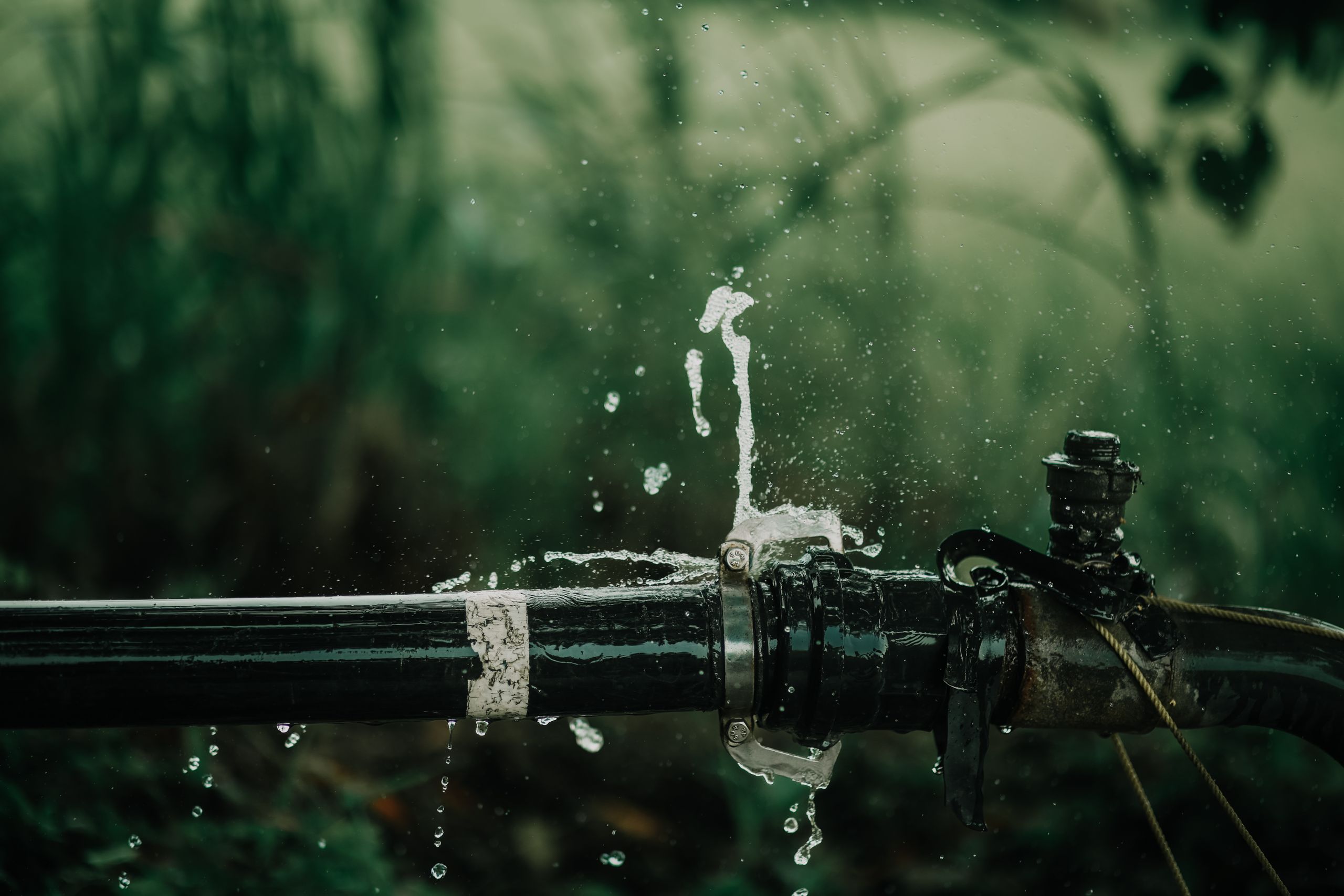
Renters can get hit hard during a wet El Niño season because they often have less control over property maintenance. If a roof leaks, a window fails, or a basement floods, they may have to wait for a landlord to act.
That waiting period can become miserable. Wet carpets, damaged belongings, mold smells, and unsafe living conditions can turn an apartment into a health concern. Families with children, older adults, or asthma problems may feel the impact even faster.
The financial risk is also real. A landlord’s insurance usually protects the building, not the renter’s personal items. Without renters insurance, damaged furniture, electronics, clothes, and important documents may be difficult to replace.
Heating Bills May Drop in Some Places, but That Is Not a Free Win
Some parts of the northern United States can see milder winter conditions during El Niño years. That may reduce heating costs for some households, which sounds like good news.
But a warmer winter can also create problems. Snow dependent businesses can lose money. Ski towns can suffer. Winter tourism jobs can slow down. Communities that rely on snowpack for water storage may face concerns later.
So while some families may save a little on heating, the broader picture is not simple. One region’s mild winter can become another region’s economic headache.
Farmers Could Take Another Hit, and Consumers May Pay for It
Farmers do not need perfect weather, but they do need weather that arrives at the right time. El Niño can interfere with that timing by bringing unusual rain, drought, heat, or storm patterns.
Too much rain can delay planting or damage fields. Too little rain can weaken crops. Heat can stress livestock and reduce yields. Muddy conditions can slow harvests and raise labor costs.
When farmers pay more to produce food, consumers often feel it later. That can show up in meat prices, dairy prices, produce prices, restaurant menus, and even school food budgets.
Hurricane Risk May Shift Instead of Disappear

El Niño can reduce Atlantic hurricane activity by increasing wind shear, which makes it harder for some storms to form or strengthen. But that does not mean coastal Americans are safe.
A quieter hurricane season can still produce one devastating storm. It only takes one landfall to destroy homes, flood businesses, shut down power, and leave families fighting insurance companies for months.
The danger is false comfort. People may hear that El Niño can weaken the Atlantic hurricane season and assume they can relax. That would be a mistake, especially in coastal communities where one storm can change everything.
The Pacific Side Could See More Trouble
While El Niño may reduce some Atlantic hurricane risks, it can make parts of the Pacific more active. That matters for Hawaii, Mexico, Central America, and sometimes the western United States when tropical moisture moves north.
Even without a direct hurricane hit, leftover tropical moisture can feed heavy rainfall. That can create flash flooding in deserts, mountain areas, burn scar zones, and communities that are not prepared for sudden water surges.
This is why El Niño is so frustrating. It does not simply make the weather better or worse. It moves risk around, and some places that feel safer from one threat may become more exposed to another.
Power Grids Could Face More Stress
Extreme weather often becomes an energy problem. Heat waves increase air conditioning demand. Storms knock out power lines. Flooding damages equipment. Cold snaps in unexpected places can strain systems that were not prepared.
El Niño can add pressure by shifting where and when weather extremes happen. A warmer winter may reduce heating demand in one region, while storms and heat create problems elsewhere.
For Americans, the concern is simple. Power outages are not just inconvenient. They can spoil food, shut down medical devices, close businesses, interrupt remote work, and leave families scrambling for generators, batteries, hotel rooms, or emergency help.
Local Budgets Could Get Hit When Communities Are Already Stretched
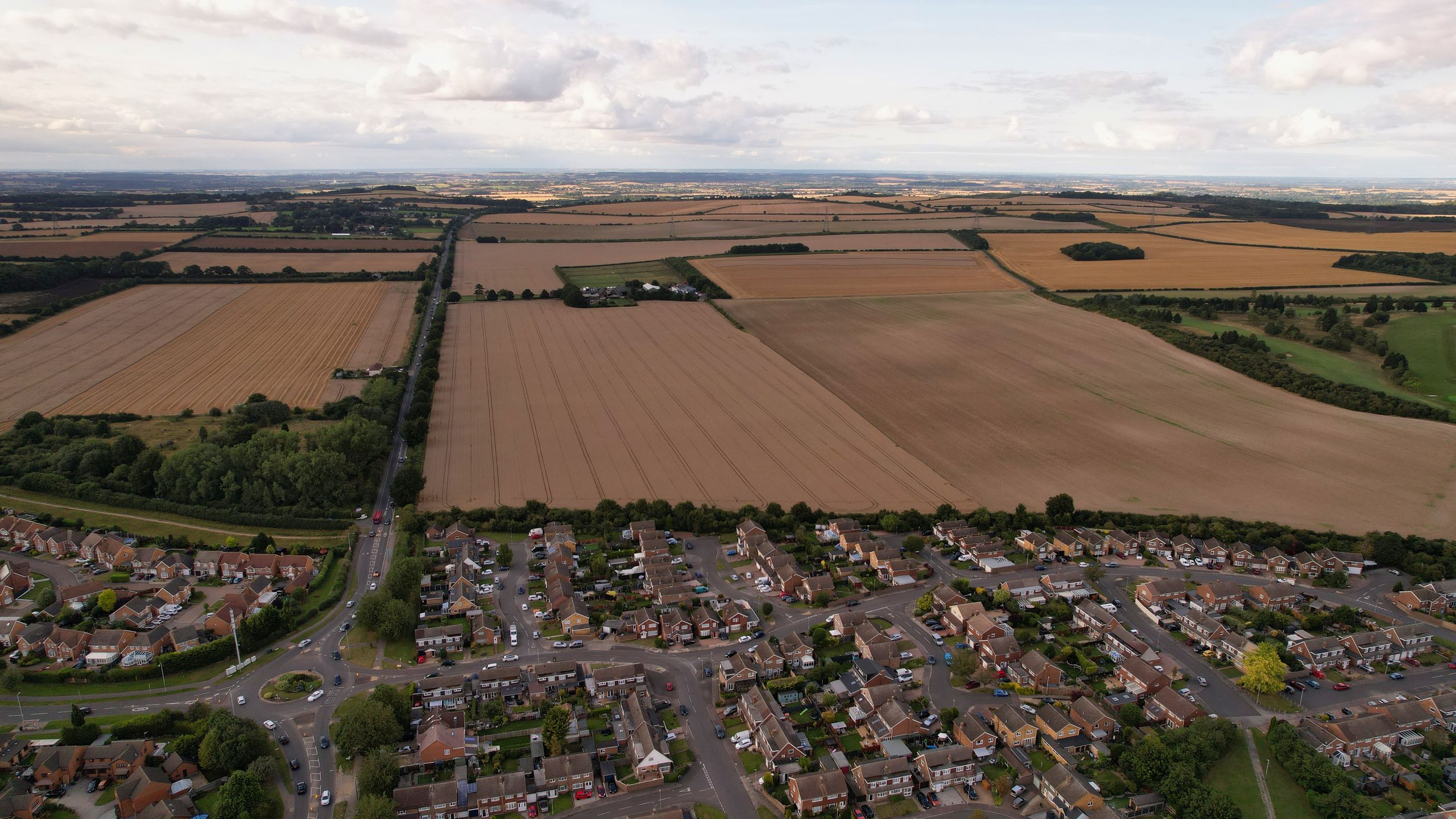
Cities and counties may face higher costs during an active El Niño pattern. Flooded roads need repairs. Emergency crews work overtime. Storm drains need clearing. Shelters may need staffing. Public works departments may have to respond again and again.
Those costs do not disappear. They can pressure local budgets, delay other projects, or eventually show up through taxes, fees, utility charges, or reduced services.
This is where El Niño becomes a local money story. A storm does not just damage one street. It can drain public resources, expose poor planning, and force communities to spend money they already do not have.
El Niño may sound like a scientific term far removed from everyday life, but Americans could feel it in very ordinary ways. It can show up in grocery prices, flooded roads, insurance problems, power outages, home repairs, farm losses, and local government costs.
The biggest mistake is treating it like one dramatic weather event. El Niño is not one storm. It is a pattern that can quietly tilt the odds for months, making certain problems more likely and more expensive.
For families already dealing with high prices and financial stress, this could become another season where the weather feels personal. The Pacific may be far away, but the bill can still arrive at the front door.