Garlic can turn an ordinary meal into something delicious, but a few small mistakes can leave your food tasting bitter, bland, or surprisingly harsh. Even experienced home cooks sometimes mess up the timing, preparation, and storage.
Whether you’re making spaghetti sauce, roasting chicken, sautéing vegetables, or preparing homemade garlic bread, the way you handle garlic matters. The good news is that most garlic mistakes are easy to correct, and a few simple changes can make a noticeable difference in your cooking.
Burning Garlic Before the Rest of the Ingredients Are Ready
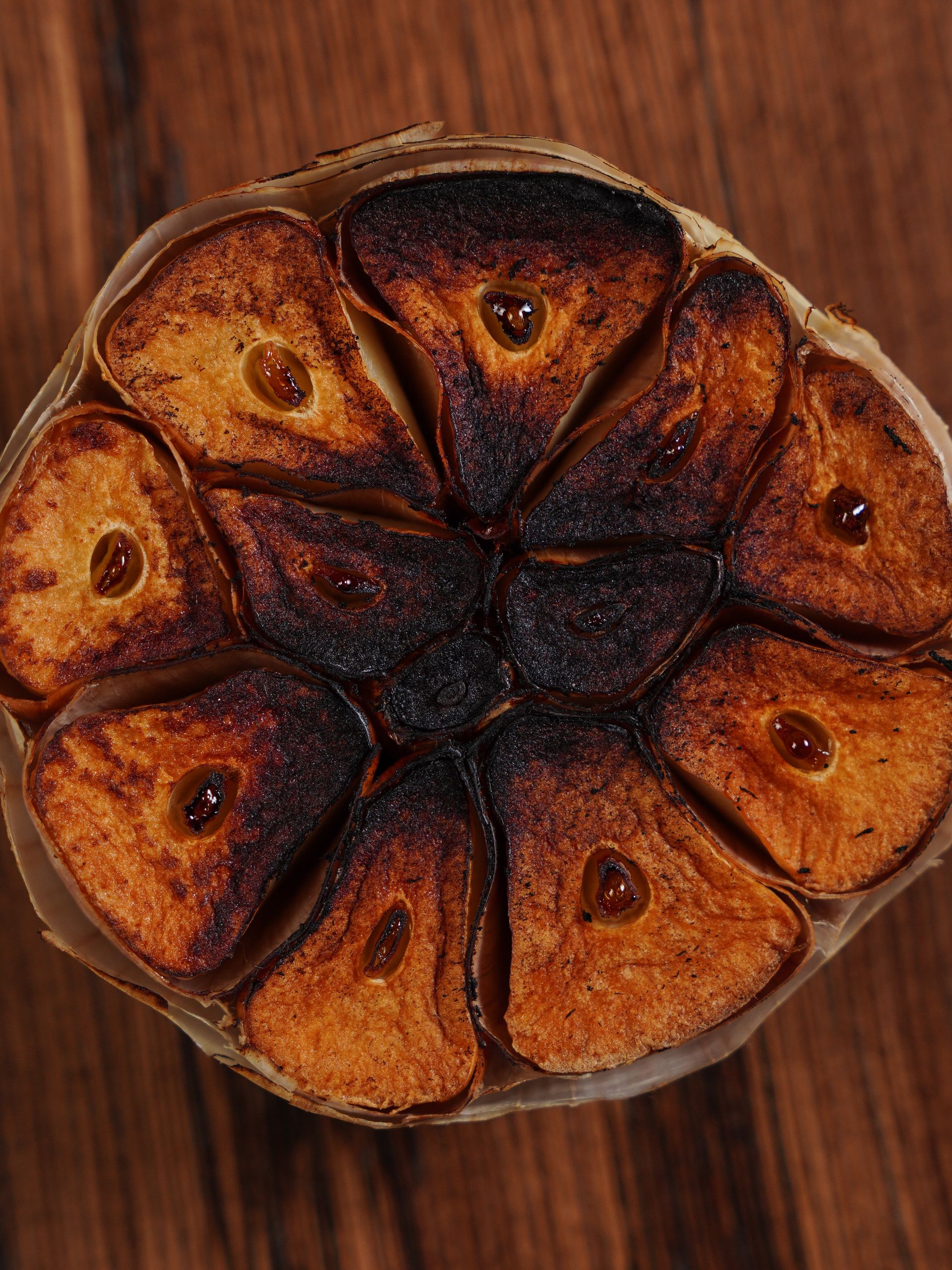
One of the easiest ways to ruin a delicious meal is to burn the garlic before you’ve even finished cooking.
Garlic cooks quickly, especially when it’s finely minced. Tossing it into a very hot pan and leaving it unattended can turn those fragrant little pieces brown or black before you realize what’s happening.
Unfortunately, burnt garlic develops a sharp, unpleasant bitterness that can spread throughout an entire dish. More seasoning doesn’t always cover the taste.
The solution is surprisingly simple. When preparing dishes that call for onions, peppers, or other vegetables, cook those ingredients first, then add minced garlic near the end of the sauté.
For recipes that call for garlic first, lower the heat and stir frequently. You’re generally looking for a fragrant aroma and gentle cooking, not dark browning.
A few extra seconds of attention can save an entire dinner.
Storing Whole Garlic Bulbs in the Refrigerator
It might seem logical to keep garlic in the refrigerator alongside your other vegetables. However, the refrigerator isn’t always the best place to store whole, unpeeled garlic bulbs.
Refrigerators can create moisture conditions that encourage garlic to sprout or deteriorate, especially when bulbs are exposed to condensation.
According to the University of California, Davis, garlic stores best when moisture is controlled and air can circulate the bulbs. High humidity can encourage mold growth and rotting.
For everyday home storage, a cool, dry, well-ventilated place away from direct sunlight is usually best.
A mesh bag, open basket, or ventilated garlic keeper can work well. Avoid sealing whole bulbs inside plastic bags that trap moisture.
Also check stored bulbs occasionally. If they’re softening, molding, or becoming overly shriveled, discard them.
Using the Same Garlic Preparation for Every Recipe
Have you ever noticed that garlic tastes much stronger in some dishes than others, even when you use the same number of cloves?
The way you cut garlic makes a significant difference.
Crushing, mincing, slicing, and leaving cloves whole produce different flavor experiences because cutting damages garlic’s cells and brings naturally occurring compounds together.
Finely minced or crushed garlic generally produces a more intense, pungent flavor than whole cloves.
That means two cloves of finely crushed garlic can taste noticeably more aggressive than two cloves gently cooked whole.
Instead of automatically mincing garlic for every recipe, think about the flavor you’re trying to create.
For a bold garlic dressing or dipping sauce, crushed or finely minced garlic may be ideal. For a gentler flavor in roasted vegetables or slow-cooked dishes, larger pieces or whole cloves can work beautifully.
There’s no universally correct way to cut garlic. The mistake is assuming every preparation delivers the same result.
Adding Garlic Too Early to Long-Cooking Dishes
Garlic is an important ingredient in many soups, stews, sauces, and braised dishes. However, adding all your garlic at the very beginning doesn’t always produce the strongest garlic flavor.
During prolonged cooking, garlic’s sharper, more pungent qualities soften and mellow. That can be wonderful when you’re building a rich sauce, but disappointing if you want a noticeable garlic kick.
Imagine preparing a big pot of tomato sauce. Add several minced cloves at the beginning and simmer for an hour. By the time dinner is ready, the garlic flavor may be much gentler than expected.
One useful technique is adding garlic in stages.
Start with some garlic early to develop a rounded background flavor. Then, if the recipe needs more garlic, stir in a little more toward the end and let it cook.
This method creates a more layered flavor without requiring excessive garlic.
Of course, dishes meant to have a mellow garlic flavor may benefit from cooking all the garlic early.
The important thing is understanding that timing changes the result.
Related: 8 Classic Foods From the Past That Deserve a Comeback
Throwing Away Garlic Just Because It Has Sprouted
Finding a green shoot growing through a garlic clove can make you wonder whether it’s still safe to eat.
Many home cooks assume sprouted garlic has gone bad and throw it away immediately. But that isn’t always necessary.
Sprouting is a natural part of garlic’s aging process. As long as the cloves remain firm and show no signs of mold or decay, they are generally safe to use.
However, there’s one important detail worth knowing.
Sprouted garlic can taste slightly more bitter than fresh garlic, especially as the green shoot grows larger.
University of Florida food scientist Keith Schneider explained in a March 2026 Martha Stewart article that sprouting itself doesn’t make garlic unsafe. He also recommended removing the green shoot when trying to avoid bitterness.
The easiest solution is to slice the clove lengthwise and gently remove the green center before chopping or cooking.
That way, you can still use perfectly good garlic without introducing an unwanted bitter taste.
Remember that sprouting and spoilage are different. Garlic that has become moldy, rotten, or unusually soft should be discarded.
Making Homemade Garlic Oil and Leaving It on the Counter
This mistake is more serious than just affecting dinner’s flavor.
Homemade garlic-infused oil sounds like a wonderful kitchen staple. Many people enjoy combining fresh garlic with olive oil to create a flavorful addition to bread, pasta, or roasted vegetables.
However, leaving homemade garlic oil at room temperature can create dangerous conditions.
Fresh garlic is a low-acid food, and placing it in oil creates a low-oxygen environment where Clostridium botulinum bacteria may grow and produce a dangerous toxin.
The Centers for Disease Control and Prevention specifically warns against improper storage of homemade oils containing garlic or herbs.
According to the CDC, refrigerate these oils and discard them after four days.
That means a decorative bottle filled with fresh garlic cloves and olive oil shouldn’t simply sit on the kitchen counter for weeks.
For homemade garlic oil made with untreated fresh garlic, refrigerate it promptly, use it within four days, or freeze it for longer storage.
Commercially produced garlic oils may follow different storage requirements because manufacturers can use specialized processing methods. Always follow the label instructions.
You also can’t reliably detect botulinum toxin by smell, taste, or appearance.
Proper storage is essential for garlic-infused oil.
Assuming More Garlic Always Means Better Flavor
Garlic lovers sometimes follow one simple rule: If a recipe calls for three cloves, add six.
Extra garlic can be delicious, but doubling the amount doesn’t automatically make a dish taste better.
Garlic has a powerful flavor that can overwhelm delicate ingredients when used excessively.
Consider a simple shrimp pasta with olive oil, lemon, and fresh parsley. Too much raw or lightly cooked garlic can dominate the shrimp and make the entire dish taste overly sharp.
The same thing can happen with salad dressings, homemade mayonnaise, mashed potatoes, and lighter vegetable dishes.
Instead of automatically adding more garlic, consider how you prepare it.
According to the University of California’s guidance on garlic preservation, garlic develops much of its characteristic pungency when its cells are damaged during chopping or crushing. This allows an enzyme and naturally occurring compounds to react and produce allicin.
Because of that reaction, finely crushing a few cloves may produce the bold flavor you’re looking for without adding several more.
For recipes where garlic should complement rather than dominate, start with the suggested amount and adjust gradually.
Remember, great cooking isn’t always about using more of your favorite ingredient. Sometimes it’s about finding the right balance.
Small Garlic Changes Can Make a Big Difference
Garlic may be one of the most familiar ingredients in American kitchens, but using it successfully is more than peeling a clove and tossing it into a pan.
Your skillet temperature, how you cut the cloves, and when you add them can all affect the finished dish.
Proper storage also helps reduce food waste while keeping your ingredients in better condition.
The next time you’re making your favorite garlic bread, pasta sauce, or homemade dinner, pay attention to these small details. You might discover that getting better garlic flavor doesn’t require buying more garlic. It just requires using what you already have a little differently.
What’s your favorite way to use garlic: roasted until sweet and mellow, or minced fresh for a stronger kick?