Meta description: Tippy Toes Apple Pear Banana baby food has been recalled over elevated patulin levels. Here is how to identify the affected lot, what patulin is, and what parents should do next.
Parents check baby food labels with the kind of focus usually reserved for car seats, fevers, and midnight coughs. That is why a baby food recall lands differently from most grocery alerts.
This one involves Tippy Toes Apple Pear Banana Fruit Purée, a product sold in grocery stores across much of the United States, and the issue is not a strange odor, broken seal, or packaging mistake. It is patulin, a mold-related toxin that can appear in fruit products when contamination enters the supply chain.
The recall was announced by IF Copack LLC, doing business as Initiative Foods, and posted by the U.S. Food and Drug Administration on February 13, 2026.
The company recalled one lot of Tippy Toes Apple Pear Banana Fruit Purée after FDA sampling found elevated patulin levels. The FDA notice says no illnesses or injuries had been reported at the time of the announcement, but the affected product should not be fed to children or anyone else.
Why Tippy Toes Apple, Pear, and Banana Puree Was Recalled
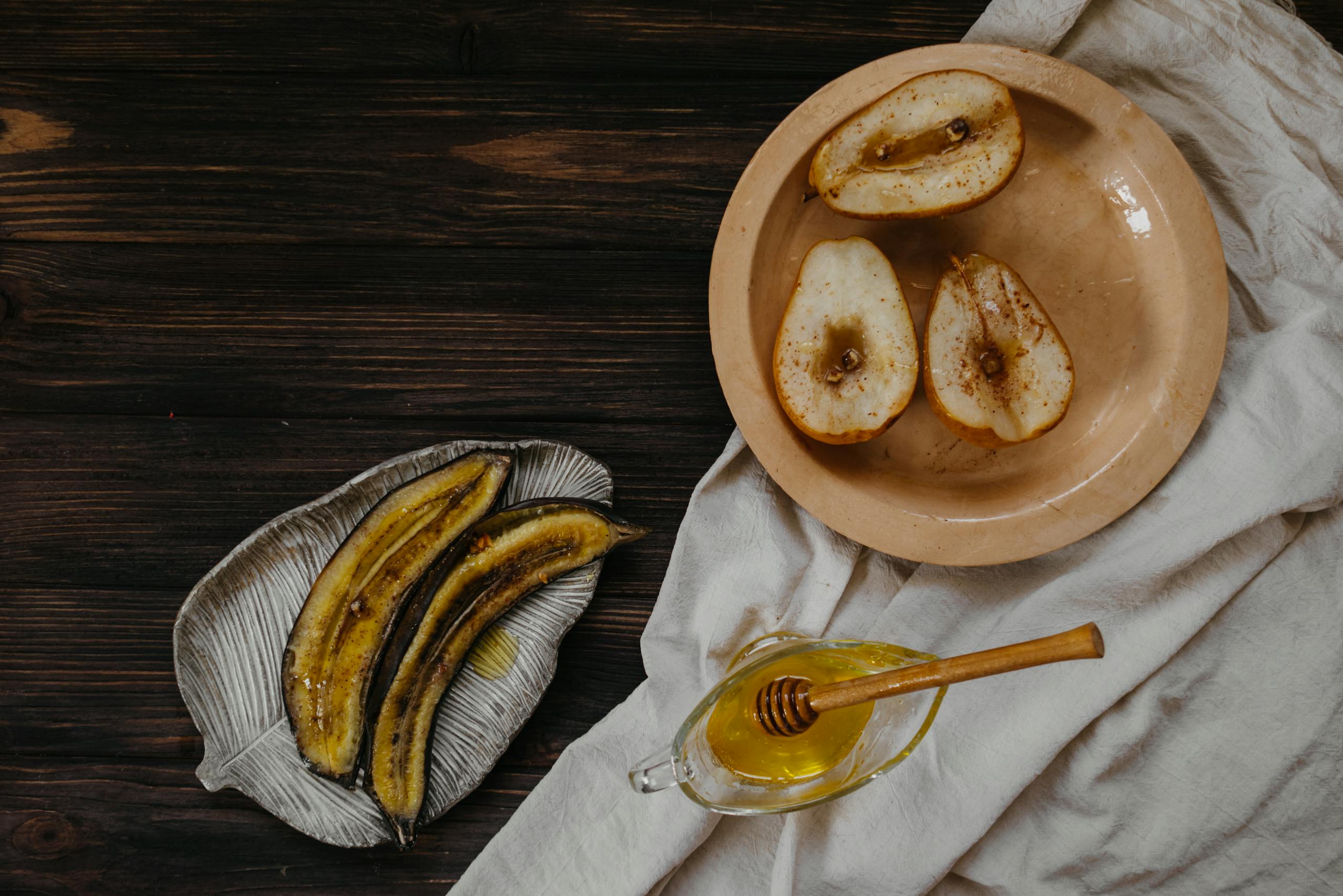
The recall was triggered by elevated levels of patulin, a naturally occurring mycotoxin produced by certain molds. Patulin is often associated with apples and apple based products because molds can grow on damaged or improperly handled fruit. The FDA says the recalled product was sampled through its Total Diet Study, which found patulin levels higher than what is common for these products.
The Total Diet Study is one of the FDA’s long running food monitoring programs. It tracks nutrients and contaminants in foods eaten by people in the United States, then uses those findings to estimate average dietary exposure across the population and subgroups.
The program began in 1961 and now monitors nutrient elements, toxic elements, pesticide residues, and other chemicals in foods bought from regular retail outlets and prepared as people usually eat them.
That is what makes this recall important beyond one tub of baby food. It shows how a product can pass through ordinary retail channels and still be caught by surveillance testing. We often think of recalls as something that happens only after consumers become sick, but testing programs can also detect contamination before reported illness appears.
Why Patulin Is a Bigger Concern in Baby Food
Baby food recalls feel especially serious because infants and toddlers eat smaller diets, depend on adults for every choice, and may consume the same product repeatedly across several meals. A fruit puree may seem gentle and ordinary, but baby food is often served in small, frequent portions. That repetition is why contamination concerns deserve fast action.
The FDA notice for the Tippy Toes recall states that long term exposure to patulin can lead to possible adverse health consequences, including immune suppression, nerve damage, headache, fever, and nausea. No illnesses or injuries were reported at the time of the company announcement, but the recall was still issued because the elevated level created a possible health risk.
We should read that carefully. A recall does not mean every child who tasted the puree will become sick. It means the affected lot should not stay in circulation because the risk is unacceptable for a consumer product, especially one intended for young children.
What Parents Should Do With the Recalled Baby Food
The FDA notice tells consumers with the matching product to discontinue use immediately. Parents can either dispose of the recalled puree or return it to the place of purchase for a refund. Anyone with health concerns after consumption should contact a healthcare provider.
That guidance deserves a practical household version. Do not taste the puree to “check” it. Do not feed it to an older child, another adult, or a pet. Do not donate it to a food pantry, daycare, church pantry, neighbor, or family member. A recalled baby food product should be completely removed from the food supply.
If a child has already consumed some of the recalled puree, parents should avoid panic and watch for symptoms such as nausea, vomiting, fever, headache, or unusual behavior. Since babies cannot clearly describe how they feel, it is sensible to call a pediatrician if there are concerns, especially if the child ate the product more than once or has existing health issues.
What Retailers Are Expected to Do

The recall is not only a parent problem. Retailers were advised to check inventory and shelves, remove the affected lot from sale or distribution, and catalog the recalled product. That step matters because baby food may remain on shelves long after a recall begins if stores do not act quickly.
Parents should still check their own homes because retail action cannot reach products already purchased. Grocery recalls often depend on consumers noticing a headline, receiving a store alert, or seeing a notice near checkout. In busy households, a recalled product can easily sit unnoticed in a pantry, diaper bag, daycare cubby, or grandparent’s kitchen.
Why Apple-Based Baby Foods Can Face Patulin Risk
Apple-based products need careful controls because patulin is strongly linked to mold growth on fruit. The FDA explains that patulin contamination risk rises when moldy apples are used to make apple juice, and good harvest and storage practices can reduce contamination by removing rotten portions of fruit.
This does not mean apples are unsafe. It means fruit sourcing, sorting, storage, testing, and processing controls matter. A puree made with apple, pear, and banana can look smooth and harmless, but the quality of fruit inputs still matters before the product ever reaches a child’s spoon.
That is why parents should take recalls seriously, even when the product looks fine. A tub of fruit puree is not like a bruised apple on a countertop, where the damage may be visible. Once fruit becomes processed puree, consumers lose the ability to see the condition of the original ingredients.
How the FDA’s Patulin Action Level Fits Into the Bigger Picture
The FDA has a compliance policy for patulin in apple juice, apple juice concentrates, and apple juice products. The agency’s guidance discusses regulatory action when original and check analyses show patulin at or above 50 micrograms per kilogram, or 50 parts per billion, in the relevant apple juice component, with identity confirmed by gas chromatography and mass spectrometry.
That benchmark helps explain why patulin is treated as a serious food safety issue, although the Tippy Toes recall notice itself does not publish the exact patulin level found in the recalled puree. The important consumer takeaway remains the same. The affected lot was recalled because FDA sampling found elevated patulin levels, and the product should not be consumed.
What This Recall Says About Baby Food Safety
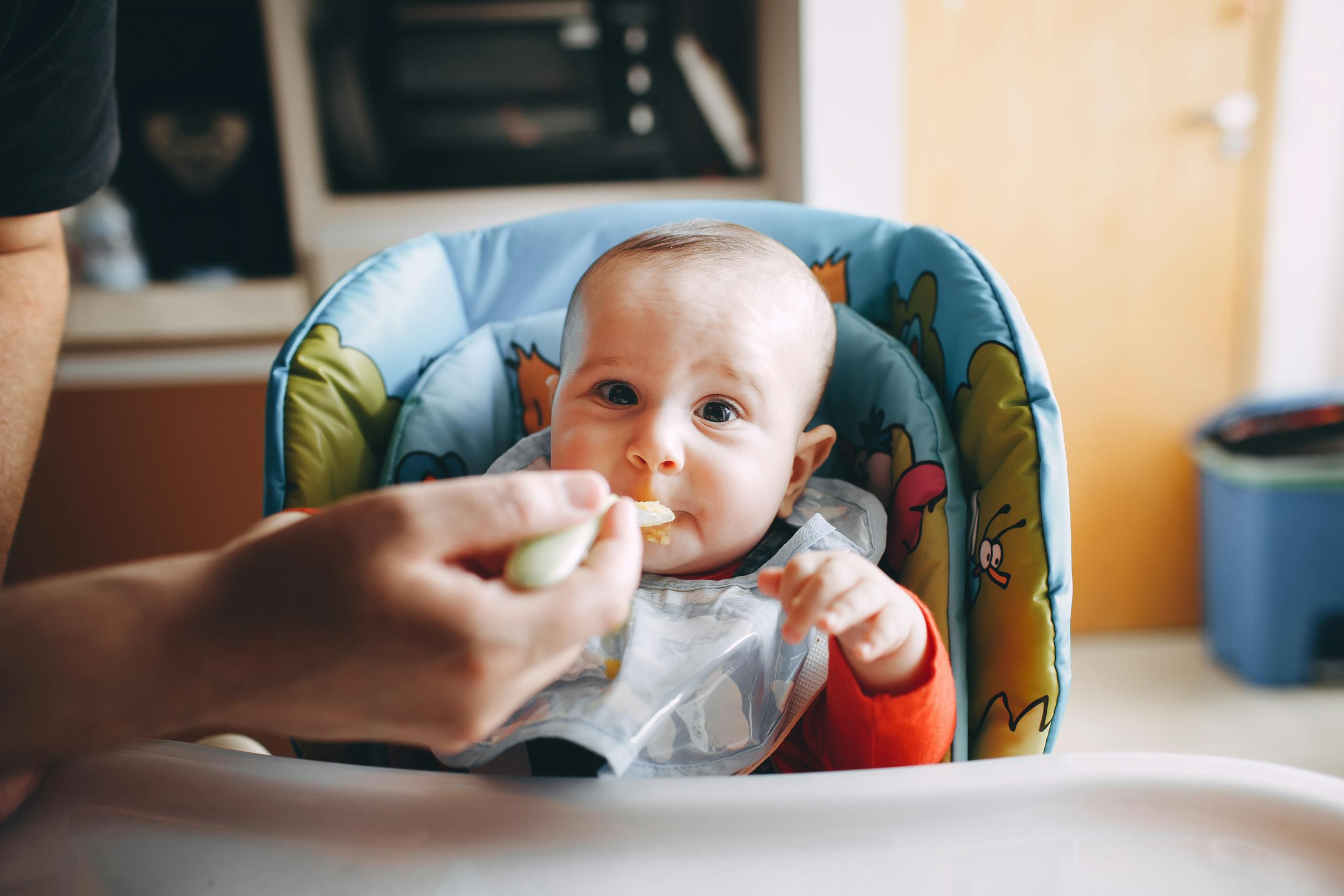
Baby food safety depends on several layers of protection. Manufacturers need ingredient controls, supplier checks, production sanitation, contaminant testing, and traceability systems that can identify a single affected lot. Retailers need fast removal procedures. Parents need clear recall information that does not bury the most important details.
This recall shows traceability working in one important way. The company and FDA identified one specific lot, rather than issuing a vague warning across an entire product line. That helps parents act with precision, but it also means the label check must be careful. A quick glance at the brand name alone is not enough.
Safer Pantry Habits After a Baby Food Recall
A recall like this is a good reason to build a simple baby food tracking habit. Keep similar products grouped together, avoid separating multipack sleeves until needed, and take a quick photo of labels when opening a new multipack. Those small habits make recall checks faster when brand, lot, and best by details suddenly matter.
Parents can also sign up for store loyalty alerts, FDA recall updates, or pediatric food safety notifications. Many grocery chains use purchase history to send recall notices, but those systems work best when the purchase is tied to a loyalty account. Baby food is one category where those alerts can save time and reduce uncertainty.
It also helps to rotate pantry stock. Put older purchases in front and newer products behind them. A recall can involve a single lot from months earlier, so the back of the shelf deserves just as much attention as the newest grocery bag.
Conclusion
The Tippy Toes baby food recall is narrow, but parents should treat it seriously. The affected product is Tippy Toes Apple Pear Banana Fruit puree in two pack plastic tubs, with Lot #07174, BB 07/17/2026, and package code INIA0120. It was recalled because FDA sampling found elevated patulin levels, and the safest response is clear: stop using it, remove it from the home, and return it or dispose of it.
Baby food recalls are unsettling because they touch the most ordinary part of parenting: feeding a child. Still, clear label checks turn confusion into action. A few minutes in the pantry can remove the risk, protect the next meal, and give parents the one thing every recall briefly steals: confidence.