There was a time when church felt like part of the American weekend. Sunday shoes waited by the door. Grandparents saved the same pew. Kids half-listened during service while thinking about lunch. The parking lot filled with minivans, church vans, and people asking who brought the potato salad for the fellowship meal.
Now, for many younger Americans, church feels more complicated. It can feel like politics in a suit, judgment with a smile, pressure to give money they barely have, or a place where real questions get answered with slogans instead of honesty.
In 2026, 61% of adults said religion was losing influence in American life, which helps explain why the disconnect feels so visible. Many young people still want faith, purpose, healing, community, and hope. The problem is that many no longer believe the church is the safest place to find it.
Politics Has Taken Over the Pulpit
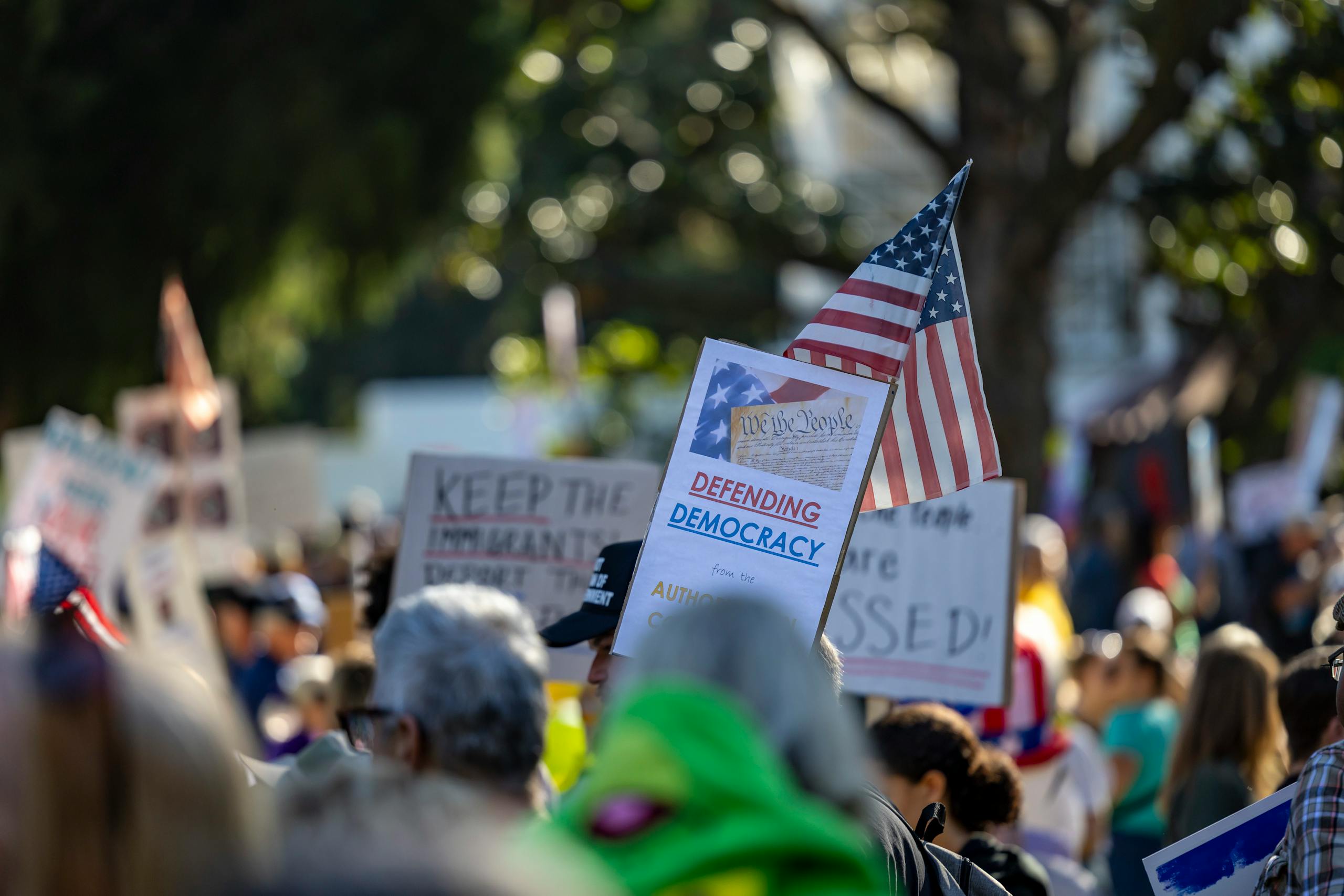
Many young adults are tired of walking into church and feeling like they accidentally stepped into a campaign event. They may come looking for peace, prayer, guidance, or comfort, but leave feeling like the sermon was written for a voting bloc. When the church starts sounding more like a political identity check than a spiritual home, younger people begin to quietly step back.
This does not mean churches should avoid every moral issue. Faith has always shaped how people think about justice, poverty, family, life, and community. The problem arises when spiritual teaching is swallowed up by party loyalty. Younger Americans can smell performance. They know when compassion is being used as a slogan and when religion is being used as a political tool.
Many Still Believe, But They Do Not Want the Institution
Many younger adults are not becoming empty, careless, or faithless. They still pray before big moments. They still talk about purpose. They still want healing. They still look for something bigger when life gets heavy. What they are rejecting is the institution that sometimes feels more interested in control than care.
In 2023 to 2024, 62% identified as Christian, while 29% were religiously unaffiliated, showing that America is not simply becoming faithless. For many young people, the shift is about distance from religious spaces that feel too political, too judgmental, too rigid, or too disconnected from real life.
Judgment Has Become Louder Than Grace
Younger Americans grew up hearing churches talk about love, grace, forgiveness, and mercy. Then many watched those same spaces treat people harshly over divorce, sexuality, addiction, mental health, clothing, tattoos, doubt, or complicated family situations. That gap between message and behavior can be hard to ignore.
Churches lose young adults when people feel watched more than welcomed. Nobody wants to walk into a sanctuary and feel like the entire room is silently reviewing their outfit, relationship status, past mistakes, or political opinions.
Younger generations are not asking churches to approve every choice. They are asking whether the door is truly open for imperfect people, or only for those who already know how to look acceptable.
Money Pressure Feels Different When Young Adults Are Struggling

Many young adults are dealing with rent, student loans, car payments, childcare, groceries, medical bills, unstable work, and wages that do not stretch as far as they used to. So when churches talk about giving without also showing transparency, compassion, and financial reality, it can feel uncomfortable fast.
Tithing, offerings, building funds, pastor appreciation days, conferences, special drives, and donation appeals can feel heavy to a young person already choosing between groceries and gas. The issue is not generosity.
Plenty of young people care about helping others. The issue is trust. They want to know where the money goes, who benefits, and whether the church cares about their financial pressure as much as it cares about their envelope.
Outdated Messaging Makes Real Problems Feel Invisible
Some younger adults sit through sermons and feel like their actual lives are not being addressed. They are dealing with anxiety, loneliness, burnout, dating confusion, online pressure, debt, trauma, identity questions, family conflict, and a work culture that leaves them exhausted. Then they hear messages that sound like they were built for a world that no longer exists.
A church does not need to chase every trend to stay relevant. But it does need to understand the people in the room. Younger Americans are not impressed by church language that sounds polished but avoids hard realities. They want faith that can survive Monday morning, not just sound good on Sunday.
Church Attendance No Longer Feels Automatic
For older generations, church was often a habit woven into the weekly rhythm. You went because your parents went. You went because the community expected it. You went because Sunday morning belonged to worship. Younger adults were raised in a different America, where work schedules, travel sports, online services, gig work, burnout, and secular social circles changed the routine.
In 2025, 57% of Americans said they seldom or never attended religious services, while 31% attended weekly or nearly weekly. That matters because once the church stops being automatic, it has to feel meaningful enough for people to choose it. Younger adults are not showing up just because “that’s what we do.” They want to know why it matters.
Young People Notice Hypocrisy Quickly

Younger generations have grown up with receipts. Screenshots, videos, old posts, public scandals, and viral contradictions have made hypocrisy harder to hide. When churches preach humility but reward celebrity behavior, preach purity but cover abuse, preach generosity but chase luxury, or preach unity while fueling division, young people notice.
This is one of the fastest ways to lose trust. A church can survive imperfection. It cannot survive pretending. Younger adults do not expect leaders to be flawless, but they do expect honesty, accountability, and humility when things go wrong. They are less willing to accept “do as I say” from leaders who refuse to answer for their actions.
LGBTQ Issues Have Become a Breaking Point
For many younger Americans, LGBTQ inclusion is not an abstract debate. It is about a friend, sibling, classmate, coworker, cousin, or their own life. When churches talk about LGBTQ people as problems instead of people, many young adults feel an emotional door close.
This is not just about doctrine. It is about tone, dignity, and whether people feel safe enough to exist in the room. In 2023 to 2024, 87% of unaffiliated adults said homosexuality should be accepted by society, compared with 71% in 2007. Churches may think they are defending tradition, but some young people hear rejection dressed in religious language.
Younger Adults Are Finding Community Somewhere Else
Church used to be one of the main places Americans found friendship, support, mentorship, childcare help, meals after funerals, and people who knew their story. Today, younger adults may find community through group chats, gyms, recovery groups, online spaces, volunteer networks, workplace friendships, hobbies, therapy, podcasts, or social media communities.
That does not mean those substitutes are always healthier or more in-depth. Many are not. But they are accessible, flexible, and often less judgmental. If the church feels like a place where young people must defend their questions before they can belong, they will look for belonging somewhere else. That should worry churches that still assume community is automatic.
The Culture War Has Made Faith Feel Exhausting
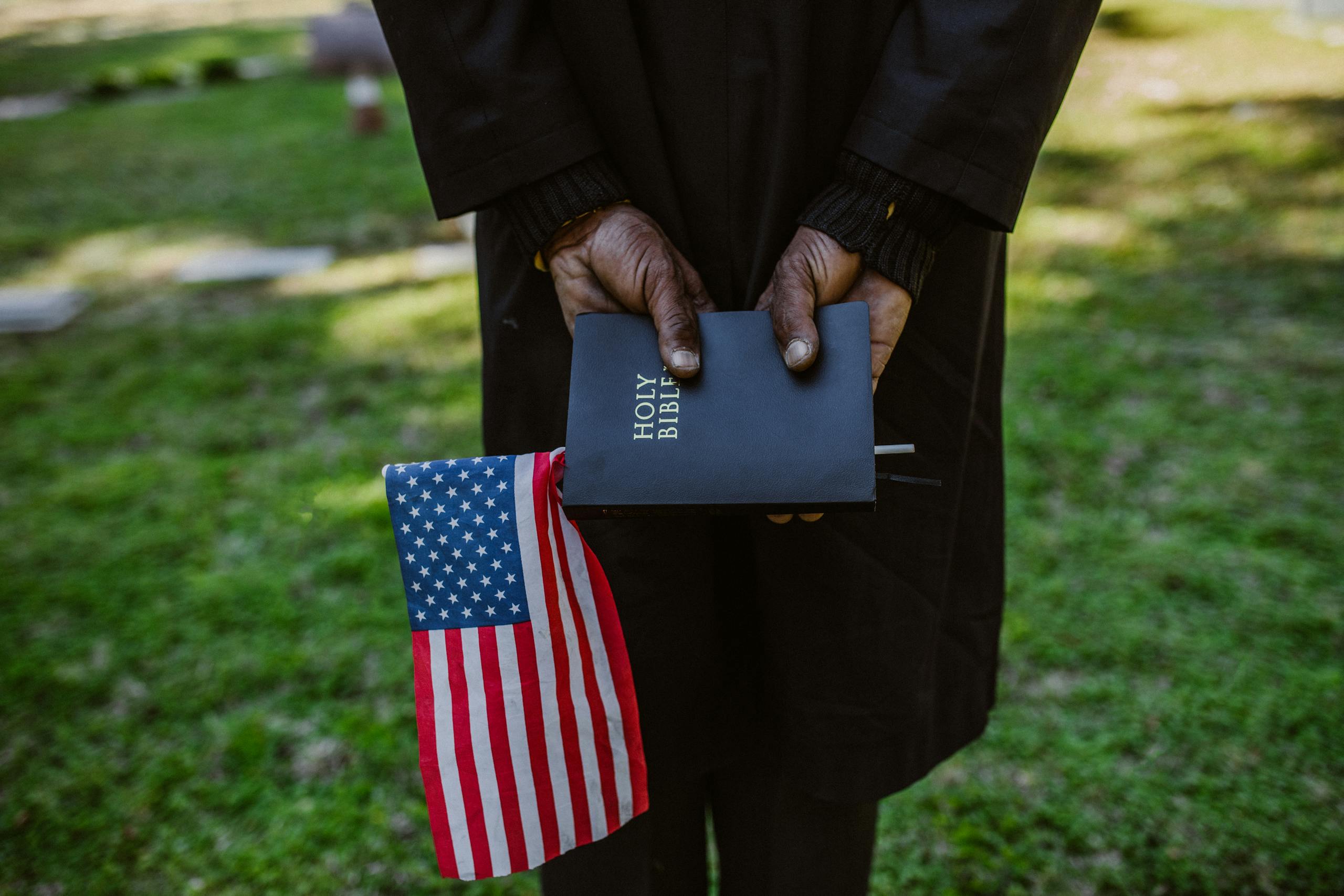
Many younger Americans are simply tired. Tired of being told what side they must choose. Tired of seeing religion attached to outrage. Tired of watching faith leaders become political influencers. Tired of family arguments where scripture, party loyalty, and cable news all get mixed together.
Recent state-level analysis found that support for Christian nationalism runs stronger in parts of the South and Midwest, showing how closely faith and politics are colliding in some regions. For younger adults who want faith to mean compassion, service, humility, and spiritual depth, that political entanglement can feel exhausting. They may not be rejecting God. They may be rejecting the noise around God.
Conclusion
American churches are quietly losing the younger generation in ways that are easy to miss at first. It is not always a dramatic exit. Sometimes it is a college student who stops attending after moving away. A young couple that never comes back after feeling judged. A former volunteer who got tired of church politics. A young adult who still believes in God but no longer trusts the institution.
The deeper issue is not that young people hate faith. Many are still hungry for meaning, healing, belonging, truth, and purpose. They want something real. They want something that can hold up under anxiety, debt, loneliness, injustice, grief, and the pressure of modern life.
Churches that want younger adults back may need more than better music, cooler lighting, or trendier social media posts. They may need humility. They may need honesty. They may need to listen before preaching.
They may need to choose people over politics, grace over judgment, transparency over image, and spiritual depth over culture-war applause. Because younger Americans are still searching. They just may not be willing to search in places that make them feel unseen.