The American cheap car used to be plain, honest, and everywhere. It did not need a huge touchscreen, fake off road trim, mood lighting, or a payment plan that followed you longer than some marriages. It simply got people to work, go to school, go to church, go to the grocery store, and back home without turning transportation into a financial migraine.
That world is fading fast. In March 2026, Kelley Blue Book data from Cox Automotive put the average new vehicle transaction price at $49,275, and the average MSRP sat at $51,456, above $50,000 for the twelfth straight month. Compact cars averaged $27,469, and subcompact SUVs averaged $30,612, which means even the “small” end of the market is no longer automatically cheap.
The number that matters for budget shoppers is no longer $20,000. That line has basically vanished from the new car market. The new survival line is $25,000, and even that number comes with a catch. If we count MSRP with destination included, only seven 2026 vehicles currently start below $25,000 in the U.S., and none of them offer all-wheel drive at that price.
The Hyundai Venue Is the Cheapest New Car in America
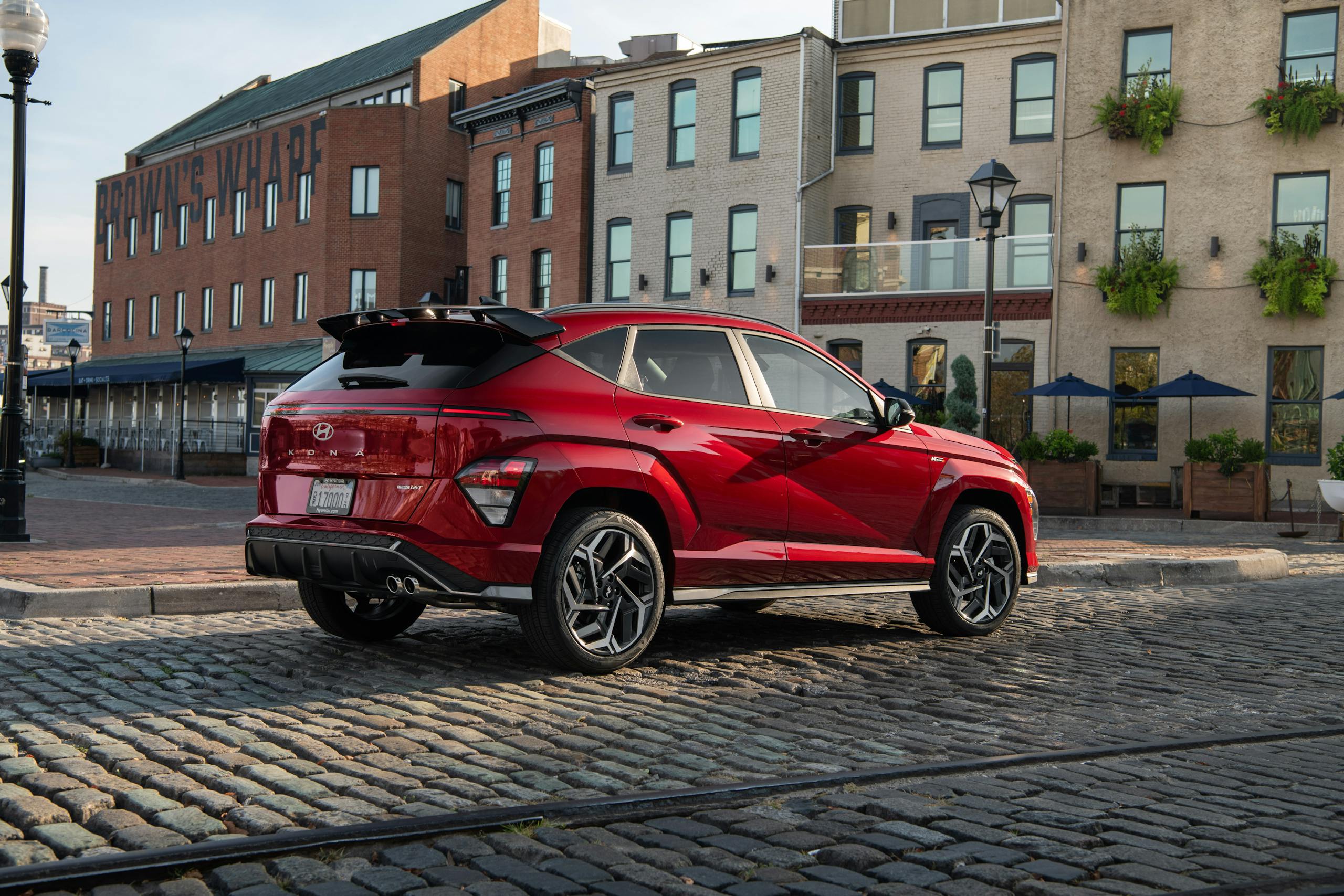
The Hyundai Venue now sits at the bottom of the new car price ladder. Its official starting MSRP is $20,550 before destination, and Cars.com lists the Venue SE at $22,650, including destination. That makes it a rare new vehicle that still leaves a little breathing room below the $25,000 mark.
The Venue is a small front-wheel-drive crossover with a 1.6 liter four cylinder engine and modest power. It is not built for speed, towing, winter trail work, or luxury bragging rights. Its value comes from simplicity, a higher seating position, easy parking, and the fact that all three Venue trims remain under $25,000 when configured carefully.
For buyers who want a new car warranty above all else, the Venue makes sense. It gives shoppers the SUV-like shape Americans love without the SUV-like price. The trade-off is clear: no all-wheel drive, no muscular engine, and no plush interior illusion. We achieve affordability because Hyundai keeps the formula simple, small, and focused.
The Chevrolet Trax Gives Budget Buyers More Room
The Chevrolet Trax is one of the strongest arguments that cheap does not have to feel ancient. Chevrolet lists the 2026 Trax at a starting MSRP of $21,700 before destination, and Cars.com places the Trax LS at $23,495 including destination. That keeps it under the strict $25,000 line and gives buyers a roomier, more stylish alternative to the smallest budget crossovers.
The Trax uses a small turbocharged three cylinder engine and front-wheel drive. It looks more expensive than it is, which matters in a market where many affordable cars feel like they are apologizing for existing. The cabin is practical, the cargo area is useful, and the design has enough personality to avoid the old “cheap car penalty.”
The catch is trim discipline. The LS keeps the price low, while higher trims climb quickly. Buyers who start adding appearance packages, larger screens, premium paint, or dealer add ons can lose the affordability advantage fast. The Trax is a smart buy only when shoppers remember why they considered it in the first place.
The Kia K4 Replaces the Old Cheap Sedan Formula
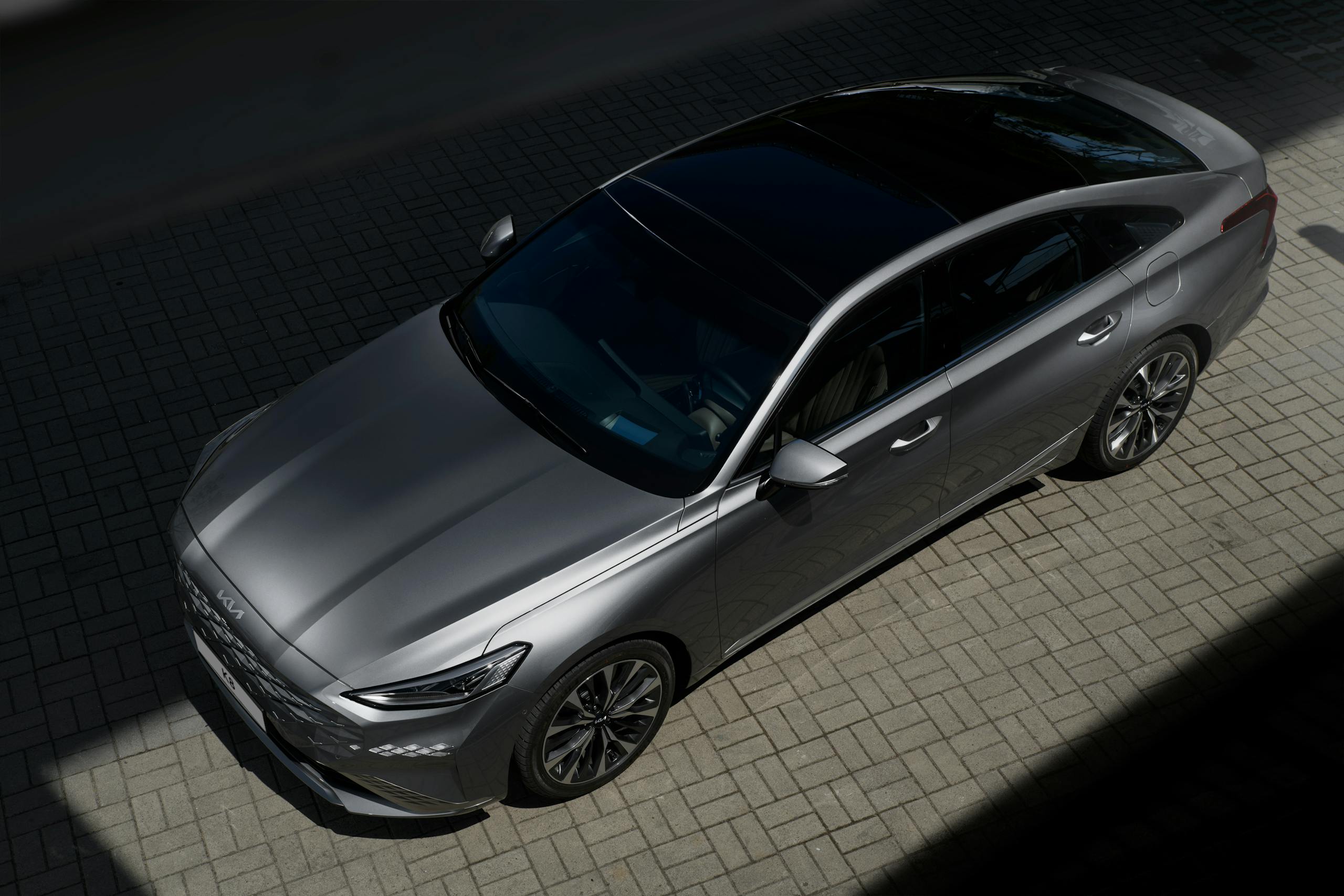
The Kia K4 has taken over the role once played by the Forte. Kia lists the 2026 K4 LX at $22,290 before destination, while Cars.com lists it at $23,535 including destination. That makes it one of the few modern compact sedans still priced for shoppers who refuse to spend SUV money.
The K4’s appeal is its size and design. It looks sharper than many old economy sedans, and it offers buyers a more grown up cabin than the price suggests. The lower trims use a 2.0-liter engine and a continuously variable transmission, which is common in this class because it improves efficiency and reduces costs.
The K4 also shows where the market is headed. The affordable version exists, but the more exciting versions cost much more. Shoppers who want the turbo engine, sportier trim, or hatchback body style will quickly move beyond the cheapest car conversation. The base K4 is the deal; the loaded K4 is a different financial story.
The Nissan Sentra Is Now Nissan’s Budget Sedan
The Nissan Versa’s exit changed the cheap-car landscape. The Versa ended production for the U.S. market in December 2025, removing one of the last truly low priced new cars from American showrooms. That leaves the Sentra as Nissan’s entry sedan for shoppers who still want a traditional compact car.
Nissan announced the redesigned 2026 Sentra with pricing from $22,600 before destination, while Cars.com lists the Sentra S at $23,845, including destination. That keeps the base Sentra under the $25,000 ceiling and gives buyers a larger, more mature sedan than the Versa ever was.
The Sentra is no longer the cheapest Nissan, since Nissan no longer sells that model here. It is the “least expensive” Nissan sedan, which is a different thing. Buyers get more space, more refinement, and a fresher design, but they also lose the ultra low starting price that once made the Versa such a lifesaver for first-time buyers and cash strapped commuters.
The Hyundai Elantra Still Feels Like a Real Compact Car
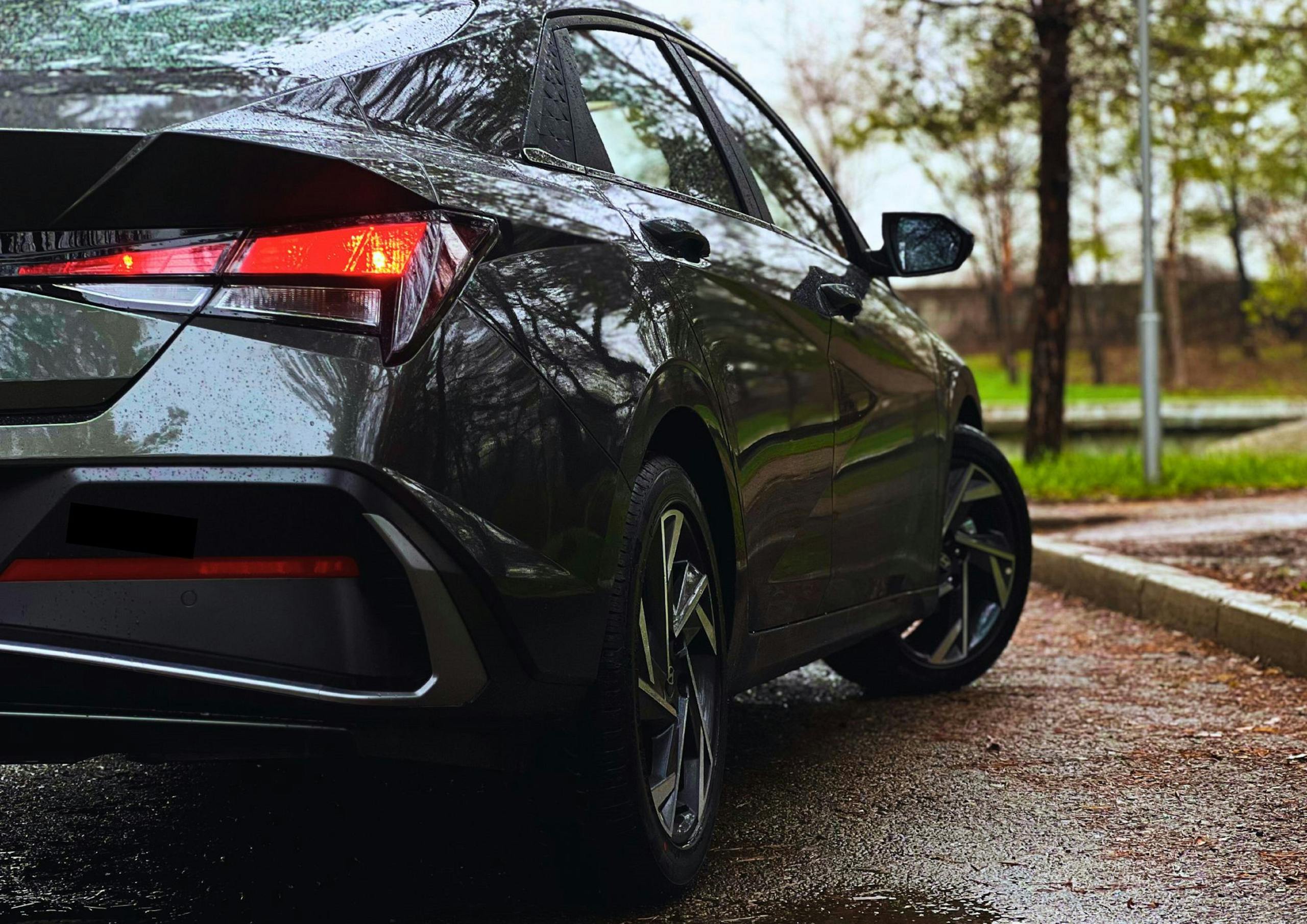
The Hyundai Elantra remains one of the strongest sedan values left. Cars.com lists the 2026 Elantra SE at $23,870, including destination, with the SEL Sport also slipping in just under $25,000. That gives Hyundai two entries on the strict sub $25,000 list, which says a lot about the brand’s continued interest in budget conscious buyers.
The Elantra’s biggest advantage is that it does not feel as tiny as some entry level cars. It has a proper compact-sedan footprint, good fuel economy, and a cabin that works for commuting, small families, students, and rideshare style daily use. It also gives buyers a more traditional driving position than small crossovers like the Venue.
Again, the warning is trim creep. Hybrid models, performance versions, and high content trims quickly leave the budget zone. The Elantra is affordable when shoppers stick to the practical trims. Once the shopping process turns into a feature hunt, the price can drift into territory where larger used cars and certified pre owned models start looking tempting.
The Toyota Corolla Is the Safe, Familiar Choice
The Toyota Corolla LE is the last name on the strict list, with Cars.com placing it at $24,320, including destination. That is still under $25,000, but the margin is thin enough that buyers need to watch every option.
The Corolla’s strength is not flash. It is trust. Buyers know the name, mechanics know the car, and resale values tend to be stronger than many rivals. For shoppers who plan to keep a car for ten years, that reputation can matter more than a bigger touchscreen or a sportier grille.
The Corolla also proves how far the market has moved. A basic Corolla used to feel comfortably affordable. Now, even the base LE is close to the upper edge of the budget category. Toyota still gives shoppers a path into a new compact sedan under $25,000, but that path is narrower than it used to be.
Why Cheap New Cars Are Disappearing

Cheap cars are disappearing because automakers have learned where the money is. Big trucks, midsize SUVs, luxury crossovers, and high option trims bring higher transaction prices and richer margins. Cox Automotive noted that compact and subcompact vehicles lost share in March 2026 as larger trucks and SUVs pulled the industry average price higher.
There is also a consumer side to this story. Many American buyers say they want affordable cars, but sales behavior often rewards bigger vehicles. Families want cargo space, higher seating, all-wheel drive, safety tech, and comfort features. Automakers respond by building what sells at scale, then trimming low profit models when production capacity tightens.
The result is a market where affordability becomes accidental rather than central. A company may keep one low-priced trim to advertise a friendly starting price, but the real showroom energy goes toward higher trims. That is how we end up with “starting at” prices that look reasonable and average transaction prices that feel punishing.
Conclusion
The cheap new car is not dead, but it is cornered. The strict 2026 sub $25,000 list still includes the Hyundai Venue, Chevrolet Trax, Kia K4, Nissan Sentra, Hyundai Elantra, Nissan Kicks, and Toyota Corolla. That is enough to give determined shoppers a path into a new vehicle, but it is no longer a wide road.
The bigger story is that America’s new car market has moved away from ordinary affordability. A $25,000 budget used to feel practical. Now it feels like a challenge that requires research, restraint, and fast decisions before the remaining low price trims disappear from dealer lots.
For buyers, the smartest move is simple: shop the full out the door price, resist trim creep, compare financing before entering the showroom, and remember that the cheapest car is not always the best deal. The best deal is the car that keeps transportation reliable without turning every month into a payment fight.