The future does not always arrive wearing a lab coat. Sometimes it shows up as a fitness tracker on your wrist, an AI chatbot answering health questions, a DNA test in a birthday gift bag, or a news headline promising that scientists may soon “fix” aging, food, disease, or even the climate.
That sounds incredible until the second thought arrives.
Americans love innovation for good reason. New science can save lives, cut costs, create jobs, and solve problems that once felt impossible. But some scientific trends that sound exciting also carry hidden risks, especially when money, politics, privacy, and human behavior are involved.
The question is not whether science is good or bad. The question is whether society is moving fast enough to understand what it is building before breakthroughs become the norm.
AI Doctors Sound Helpful Until Bias Enters the Room
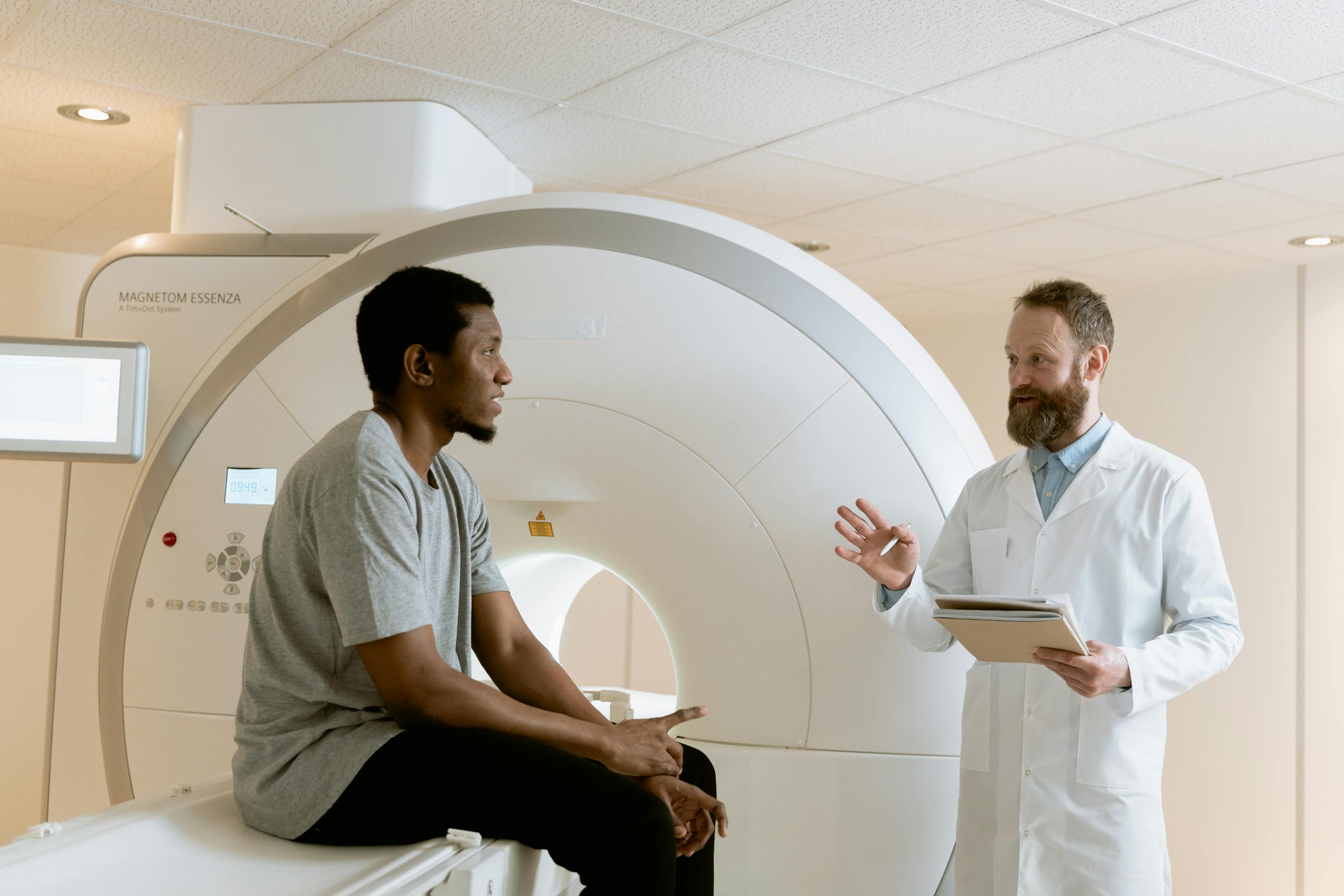
AI in medicine sounds like a dream. Faster diagnosis, shorter wait times, smarter scans, and tools that help busy doctors catch what tired human eyes might miss. For families stuck in crowded emergency rooms or waiting months for appointments, that promise feels hard to resist.
But the same tools can also repeat old problems in shiny new ways. If a system learns from biased data, it can make unfair care feel scientific. That matters because health algorithms can shape who gets attention, who gets flagged, and who gets missed. Excitement cools quickly when people realize AI can deepen bias in decisions that affect real bodies.
Brain Chips Sound Futuristic Until Privacy Gets Personal
Brain-computer technology can sound almost magical. A person with paralysis may move a cursor, communicate, or control devices in ways that once seemed impossible. For people living with severe disabilities, these tools could offer dignity, independence, and a new kind of freedom.
Then comes the uncomfortable question. What happens when technology gets close to thought itself? Devices that interact with brain signals raise hard concerns about consent, security, identity, and control. A hacked phone is frightening enough. A vulnerable neural device feels like a different category of risk, which is why brain implants need safeguards before hype outruns protection.
Lab-Grown Meat Sounds Clean Until the Scale Gets Real

Cultivated meat sounds like a perfect compromise. People could eat burgers, chicken, or seafood with less animal suffering, fewer land demands, and possibly less environmental damage. For shoppers worried about climate change but not ready to quit meat, the idea feels almost tailor-made.
The problem is that approval, production, price, and public trust are not the same thing. Growing cells safely is one challenge. Producing food at a massive scale, keeping it affordable, providing long-term consistency, and explaining it clearly to consumers are separate battles.
The promise is real, but so is the need for careful review, as cultivated meat needs to be vetted before it becomes just another item in the freezer aisle.
Gene Editing Sounds Miraculous Until Heredity Gets Involved
Gene editing may be one of the most powerful medical ideas of this century. It raises hope for treating inherited diseases, correcting harmful mutations, and changing the lives of families who have watched the same illness move through generations. That kind of possibility deserves attention.
The trouble begins when treatment starts sounding like human redesign. Editing cells in one patient is already a serious responsibility. Editing changes that could pass to future generations opens a much heavier door.
Once science can alter inherited traits, society has to ask who decides what counts as a problem, what counts as improvement, and who gets access when gene editing raises ethics beyond the patient in front of the doctor.
Longevity Science Sounds Tempting Until Aging Becomes a Market

Who would not want more healthy years? Longevity science taps into one of the most human hopes there is. People want to see grandchildren grow up, travel after retirement, stay sharp, avoid disease, and keep moving without pain. The appeal is obvious.
But the anti-aging market can get messy fast. Real research sits beside expensive supplements, celebrity routines, private clinics, miracle claims, and wellness influencers selling fear in soft lighting. The danger is not wanting a longer life. The danger is turning aging into another consumer panic, where wealthy people buy hope and ordinary families are left sorting science from salesmanship.
Climate Engineering Sounds Bold Until Weather Becomes Political
The idea of cooling the planet by reflecting sunlight sounds like something from a disaster movie, except it is now part of a real scientific debate. As heat waves, wildfires, floods, and storms strain American communities, some people argue that the world may need emergency climate tools.
But adjusting the planet’s thermostat is not like changing the AC in a house. The weather does not respect borders. A move that cools one region could affect rainfall, farming, storms, or politics somewhere else. The biggest danger is false comfort.
If people treat this as a substitute for cutting pollution, the planet could end up with more risk rather than less, especially because solar geoengineering poses risks that are still not fully understood.
Quantum Computing Sounds Brilliant Until Passwords Look Fragile
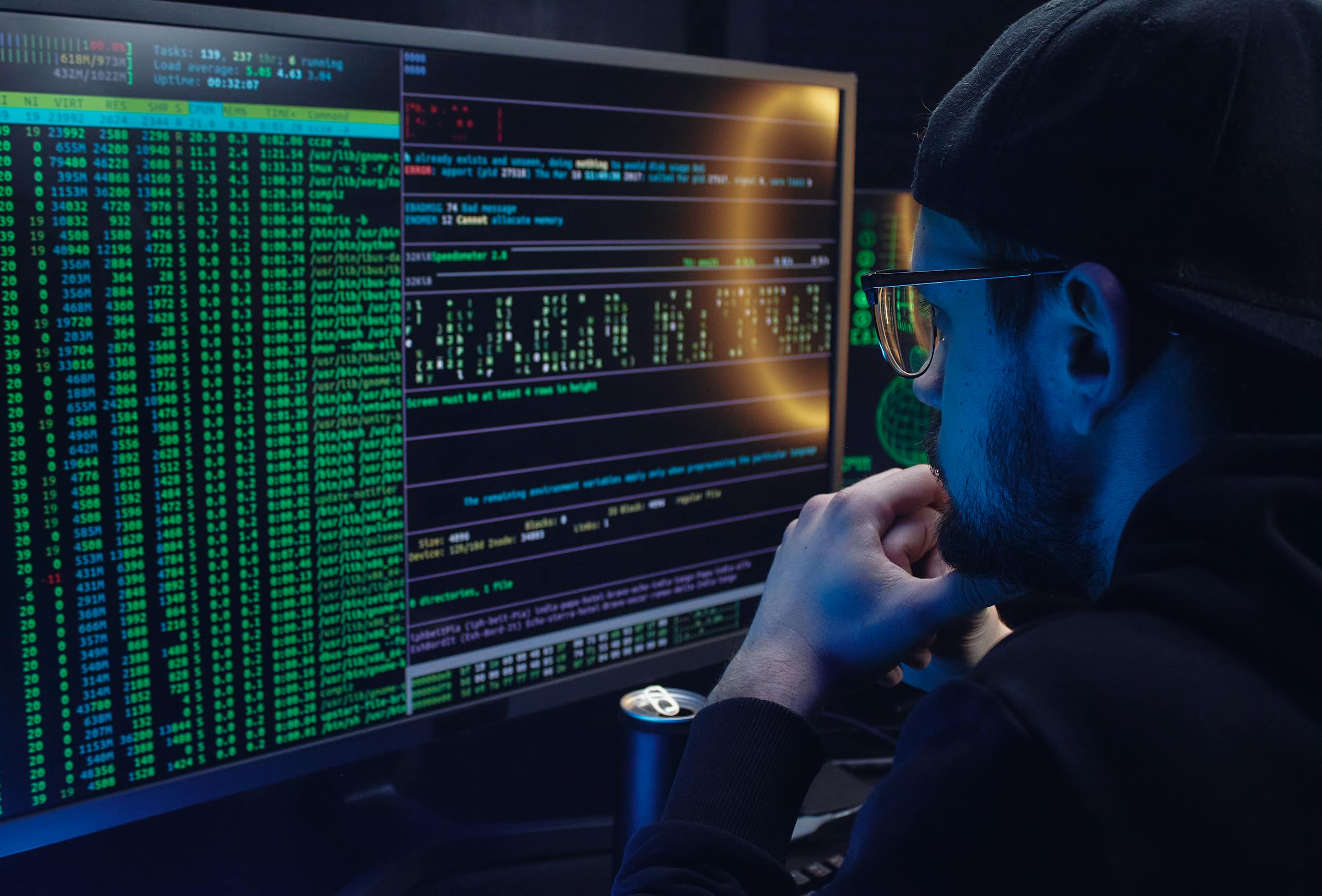
Quantum computing sounds thrilling because it could solve problems ordinary computers struggle to handle. Drug discovery, materials science, logistics, finance, and complex simulations could all change if the technology matures. It is the kind of breakthrough that makes Silicon Valley sound like science fiction, backed by venture funding.
The scary part lies in cybersecurity. Much of modern life depends on encryption. Banking, messaging, government records, medical systems, and business secrets all rely on digital locks. If powerful quantum computers eventually break some of today’s protections, old data could become vulnerable later.
That is why the race to prepare matters, since quantum computers threaten encryption even before most families understand what quantum computing actually does.
Synthetic Biology Sounds Powerful Until Misuse Becomes Easier
Synthetic biology can help build better medicines, cleaner materials, new crops, and smarter ways to solve problems in health and the environment. It is one of those fields where the possibilities sound almost endless because life itself becomes easier to design, test, and modify.
That power also brings unease. Tools that help responsible scientists can create risks if access, oversight, and security fall behind. The same field that can improve public health can also raise concerns about accidents, misuse, and gaps in global rules.
The excitement needs discipline, because synthetic biology needs oversight to prevent powerful tools from becoming too easy to misuse.
Conclusion
Science trends that sound exciting are not automatically dangerous. Many of them could improve life in ways Americans will one day take for granted. AI may help doctors. Gene editing may reduce suffering. Brain implants may restore lost abilities. Cultivated meat may change food. Quantum computing may unlock discoveries that today’s machines cannot reach.
The warning is simpler than fear. Speed is not the same as wisdom.
Every breakthrough needs more than applause. It needs rules, testing, public trust, ethical limits, and honest conversations about who benefits and who carries the risk. The future may be bright, but brilliance without caution can still burn.