Berkeley has no shortage of restaurants, but some places carry a different kind of weight. They become date-night spots, neighborhood recommendations, quiet celebration rooms, and the places locals mention when they want food that feels thoughtful without feeling stiff.
Fish & Bird Sousaku Izakaya was one of those places for many East Bay diners. The modern Japanese restaurant at 2451 Shattuck Avenue closed after service on Sunday, June 14, 2026, ending a six-and-a-half-year run that began just before one of the hardest periods the restaurant industry has ever faced.
The closing hurts because the restaurant was not a forgettable storefront. It had a clear identity, a creative menu, a downtown Berkeley address, and the kind of local following that makes a closure feel personal.
A Shattuck Avenue Farewell
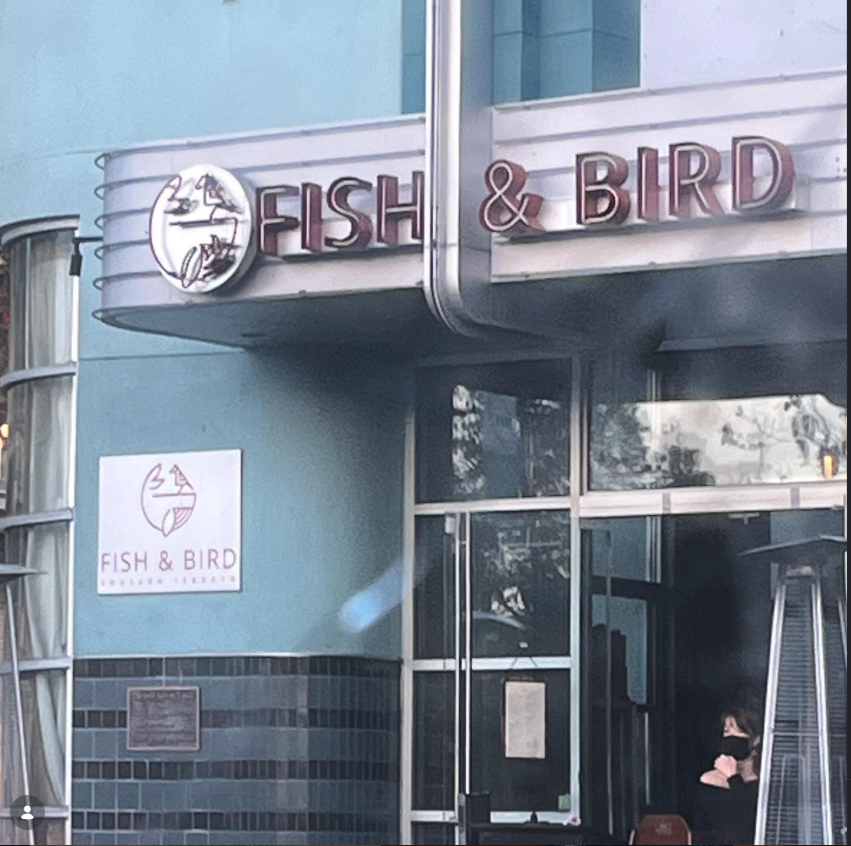
Fish & Bird’s last service was Sunday, June 14, at its downtown Berkeley space on Shattuck Avenue. The closure had been announced weeks earlier, giving regulars a final window to visit before the doors closed.
For Berkeley diners, the loss is another reminder that a restaurant can be admired and still struggle to survive. Good food, loyal customers, and strong reviews do not always overcome rent, labor, ingredient, and lease costs, lease timing, and owner burnout.
The restaurant opened in January 2020, only weeks before the pandemic tore through the hospitality industry. That timing alone helps explain why its story feels less like a normal closing and more like a restaurant that spent its entire life fighting difficult conditions.
The Restaurant Had A Clear Point Of View
Fish & Bird described itself as a modern Japanese izakaya, a restaurant and bar built around creative interpretations of Japanese cooking. Its identity leaned into thoughtful dishes, seasonal ingredients, small batch spirits, and a style that felt polished but not cold.
The restaurant’s own description highlighted modern Japanese cuisine served through a sophisticated interpretation of traditional dishes. That positioning mattered in Berkeley, where diners often look for personality, not just another predictable menu.
The menu helped make the restaurant stand out. Local coverage highlighted seasonal seafood, sashimi, duck leg confit, katsu, karaage, hotpot, creative cocktails, and dishes blending Japanese tradition with broader contemporary flavors.
A Tough Timeline For Any Restaurant
Opening in January 2020 would have been difficult for almost any restaurant. Within months, the industry was dealing with shutdowns, changing rules, takeout pivots, staffing shortages, indoor dining limits, supply chain problems, and customers who were suddenly unsure how often they could afford to eat out.
Fish & Bird made it through those early shocks, but survival came at a cost. Many restaurants that stayed open during those years carried financial, emotional, and operational strain long after restrictions faded.
That context matters because closures like this are sometimes treated too simply. A restaurant closes, and people ask why it failed. A better question is how long it lasted under conditions that would have broken many businesses much earlier.
Profitability Finally Became The Problem
Local reporting said the owner, Yoshika Hedberg, described the past six and a half years as tough and pointed to semi-retirement as part of the decision. Other coverage noted that the lease was up and the business was no longer profitable.
Those details give the closure a human center. This was not just a restaurant running out of customers overnight. It was an owner weighing the future, the lease, the margins, and the personal cost of continuing.
A local update said the business was no longer profitable, a phrase many restaurant owners fear most. It means the dining room may still have fans, but the numbers behind the scenes no longer support another chapter.
What Berkeley Diners Lose
For diners, Fish & Bird’s closing removes a specific kind of restaurant from Berkeley’s map. It was not a quick bite spot, not a chain, and not a generic sushi counter. It was a place built around a more personal interpretation of Japanese food.
That matters in a city where food culture is part of neighborhood identity. Berkeley diners often value restaurants that feel independent, creative, and connected to the people behind them.
When a restaurant like Fish & Bird closes, the loss is not only about fewer tables. It is about fewer distinctive local choices in a market where independent operators keep getting squeezed by the same pressures that favor bigger groups and safer concepts.
Downtown Berkeley Feels The Loss
The Shattuck Avenue location also matters. Downtown Berkeley depends on a mix of students, workers, residents, arts visitors, theatergoers, transit riders, and destination diners to keep its restaurant scene active.
A respected restaurant can help pull people into the area at night. It gives locals a reason to stay close instead of heading to Oakland, San Francisco, Albany, or the Elmwood area for dinner.
The closure leaves a visible gap in that rhythm. One restaurant closing does not define downtown Berkeley, but each loss adds to a larger question about how many independent restaurants can still make the math work in high-cost Bay Area neighborhoods.
A Place Built Around Regulars
Restaurant closings often reveal how emotional regulars can become about a place. A customer may not know the owner personally, but they remember the first meal, the favorite dish, the table they preferred, or the person who brought them there.
Fish & Bird had that kind of meaning for some diners because it offered something specific. Its style was not built only around volume. It was built around care, ingredients, and a dining experience that felt more considered than casual routine.
A broader local restaurant report described Fish & Bird as popular for creative Japanese cooking and explained how rising costs and thinning margins contributed to the decision. That is the hard part for diners to accept. A place can be loved and still not be financially durable.
The Bay Area Restaurant Squeeze
Fish & Bird’s closing fits a wider Bay Area pattern. Restaurants that once might have survived on loyal customers now face operating costs that leave little room for error.
Ingredients cost more. Labor costs more. Insurance costs more. Utilities cost more. Rent renewals can become a breaking point. At the same time, diners are watching their budgets, which means restaurants cannot simply raise prices indefinitely without risking fewer visits.
That tension creates a painful loop. Customers want independent restaurants to survive, but many households are spending more on rent, groceries, gas, insurance, and other essentials. Restaurants need higher checks, while diners need lower bills.
What Could Happen Next
The next question is what replaces Fish & Bird at 2451 Shattuck Avenue. A new restaurant could take the space, but any incoming operator would face the same pressures that made the old business difficult to sustain.
The right concept would need to understand Berkeley’s dining culture. It would need to appeal to locals, students, professionals, and destination diners without becoming too expensive for the neighborhood or too cautious to stand out.
For now, the closure gives Berkeley residents another reason to pay attention to the independent restaurants still open around them. The places people say they love need real visits before the final week, not just kind messages after a closing announcement.
A Closing That Says Something Bigger
Fish & Bird’s final service marks the end of one restaurant, but it also says something about the fragile state of independent dining in expensive cities. Creativity matters. Regulars matter. Praise matters. But none of it cancels out the basic math of leases, labor, food costs, and time.
For Berkeley, the loss is local and immediate. A distinctive Japanese restaurant on Shattuck Avenue is gone, and diners who valued it now have one fewer place that felt like its own idea.
The sharper question is what Berkeley wants its restaurant future to look like. If the city wants independent places with personality, residents may have to support them earlier, more often, and with the understanding that even good restaurants can disappear when the numbers no longer work.