For many Americans who grew up during the 1950s, 1960s, and 1970s, Sunday dinner wasn’t simply another meal. It was the day when family members gathered, someone prepared a special dish, and the dining table became the center of the household.
The menu wasn’t necessarily expensive, and every family had its own traditions. But the routine created memories that many people still associate with childhood.
Today, different work schedules, smaller households, and changing family routines have altered how people spend Sundays. These nine dinner traditions show what made the occasion memorable.
1. A Roast Cooking for Hours
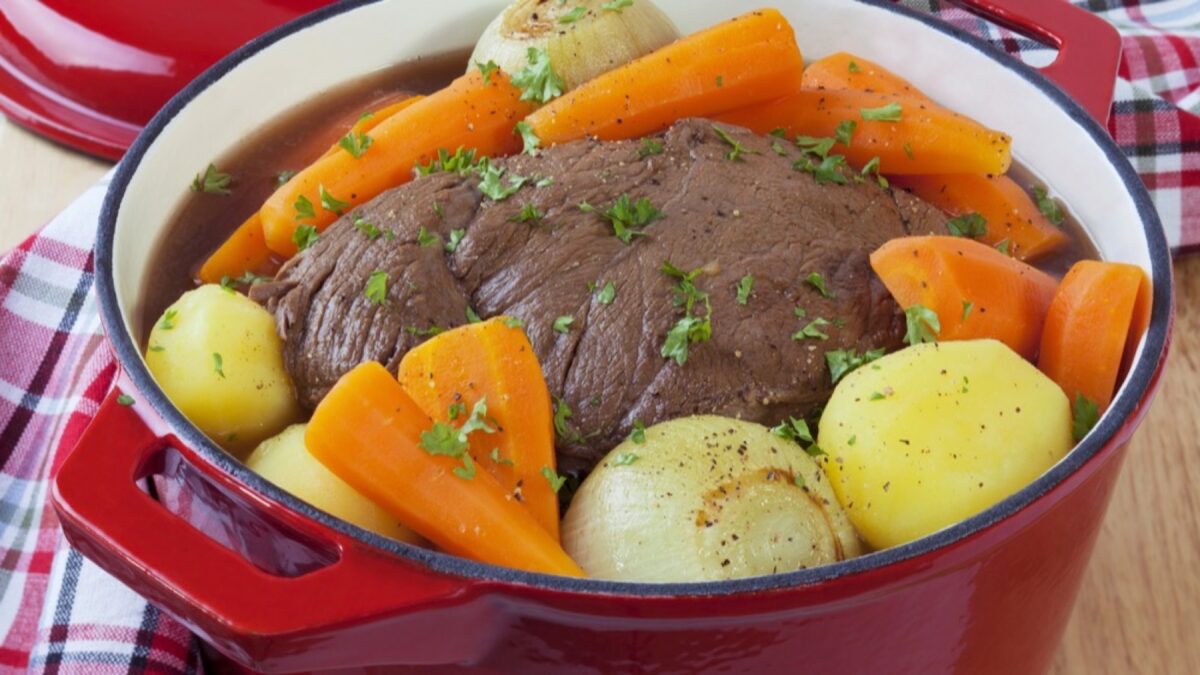
In many households, Sunday dinner meant a large piece of meat roasting slowly in the oven. Beef pot roast, roast chicken, and pork were familiar choices, depending on family preferences and budgets.
The smell would spread through the kitchen long before anyone sat down to eat. Potatoes, carrots, and onions often cooked alongside the meat, absorbing its juices and seasonings.
The roast also provided leftovers for the following week. That made the preparation practical as well as special, especially when families needed to stretch grocery spending.
2. Homemade Mashed Potatoes
Mashed potatoes were a familiar companion to roast meat and gravy. Families peeled and boiled potatoes before mashing them with butter, milk, salt, and other seasonings.
Some cooks preferred a smooth consistency, while others left small pieces for texture. Children might be assigned to peel potatoes or help mash them.
Instant mashed potatoes became increasingly convenient, but homemade versions remained part of many family traditions. Preparing them together also gave younger family members a chance to learn basic cooking skills.
3. Biscuits or Dinner Rolls Made From Scratch

Fresh bread could turn an ordinary dinner into something worth anticipating. In Southern households, biscuits were especially familiar, while other families preferred yeast rolls or homemade loaves.
The preparation required planning because dough needed time to rise or the oven had to be ready. But the finished bread could accompany meat, vegetables, and gravy.
Some families reserved homemade rolls for Sundays because weekdays were too busy. Others continued baking them regularly because bread was an essential part of every meal.
4. The Good Dinnerware Came Out
Sunday dinner sometimes involved dishes that remained in the cupboard during ordinary weekdays. Families might use matching plates, a serving platter, or a tablecloth reserved for special occasions.
The practice reflected the importance attached to gathering together. Even a simple meal could feel different when everyone sat at a carefully prepared table.
Not every household had formal dinnerware, and many families ate casually. But for those who remember the tradition, setting the table was part of the Sunday experience.
5. Vegetables Cooked the Old-Fashioned Way
Green beans, carrots, peas, cabbage, and collard greens frequently appeared alongside the main dish. Preparation methods varied by region, with some families simmering vegetables slowly and others steaming or roasting them.
In the South, greens might cook with smoked meat or other seasonings. Elsewhere, buttered peas or glazed carrots provided familiar side dishes.
Vegetables were often prepared according to recipes passed through the family. Children who disliked them might remember being told to finish everything before leaving the table.
6. Everyone Waited Until Dinner Was Ready
For some families, Sunday dinner followed church services or another regular morning routine. Relatives gathered at a predictable time, and the meal began once everyone had arrived.
There were fewer opportunities to distract yourself with smartphones or streaming services. Television existed, of course, but family meals could still be treated as a shared occasion.
The Smithsonian’s history of TV dinners shows how television and convenient meals gradually changed American eating habits. That shift helped create alternatives to the traditional dining table.
7. Dessert Was Part of the Occasion
A Sunday meal might end with apple pie, peach cobbler, banana pudding, or a homemade cake. Dessert wasn’t necessarily elaborate, but it provided something everyone could anticipate.
In some families, children helped prepare the dessert on Saturday. Others watched a parent or grandparent bake while the rest of the household completed weekend chores.
Many familiar 1970s family meals included desserts and dishes that reflected both homemade traditions and growing interest in convenience foods. Sunday offered an opportunity to bring those different approaches together.
8. Leftovers Became Monday’s Dinner
A substantial Sunday roast could produce more food than the family needed for one sitting. Instead of discarding leftovers, cooks transformed them into sandwiches, soups, casseroles, or another meal.
Roast chicken might become chicken salad, while leftover beef could be served with potatoes or noodles. The practice reduced waste and helped families save time during the working week.
Food safety remains important when preparing meals in advance. The USDA recommends refrigerating leftovers promptly and generally using refrigerated leftovers within three to four days.
9. Recipes Were Passed Down Without Being Written
Some of the most memorable Sunday dishes came from recipes that existed only in someone’s memory. A grandmother might measure ingredients by sight, adjusting seasoning until the meal tasted right.
Children learned by watching and helping rather than following detailed instructions. Over time, those methods became family traditions.
The difficulty came when nobody wrote down the recipe. Years later, relatives might remember the meal perfectly but struggle to recreate its exact flavor.
Why Sunday Dinner Still Matters
Sunday dinner was never identical in every American household. Family income, geography, cultural background, religious traditions, and working schedules all influenced how people ate.
But the custom of sharing a predictable meal created opportunities for conversation and connection. The food itself often became inseparable from memories of parents, grandparents, and childhood homes.
Recreating the tradition doesn’t require spending hours in the kitchen or preparing an enormous roast. A simple meal shared regularly can preserve the most meaningful part of the experience.
For anyone who remembers those Sundays, the greatest loss may not be a particular dish. It may be the familiar sound of everyone gathering around the same table.