A homemade tuna sandwich might save you money at the airport, but it could also make you the least popular person in your row.
Bringing your own food on a flight can save money, help you avoid disappointing airport meals, and make long journeys more comfortable. But not every snack belongs in a crowded cabin. Some foods have powerful smells, others are messy to eat in a cramped seat, and a few can cause problems at airport security. The trick is knowing what to leave at home, what to pack carefully, and what to save for after landing. The latest advice on airplane food etiquette makes an important distinction: food can pass security and still be inconsiderate to eat onboard.
Tuna Sandwiches
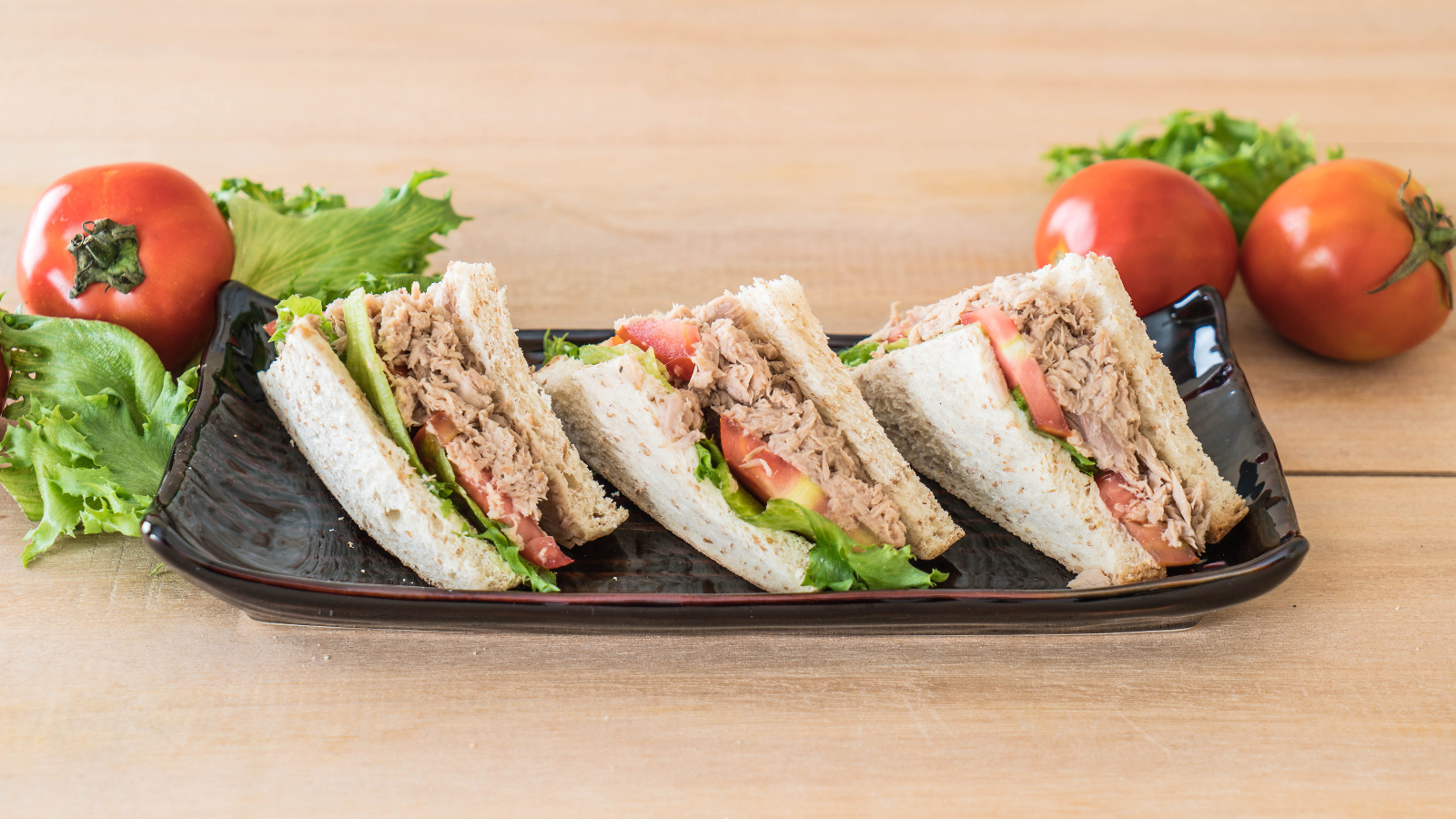
Your tuna sandwich might be delicious, but the passenger beside you may not agree.
Tuna has a distinctive smell that can become particularly noticeable in the enclosed space of an airplane cabin. Add mayonnaise, onions, or other strongly flavored ingredients, and opening your lunch box can turn a quiet flight into an unwanted sensory experience for nearby passengers.
Tuna sandwiches are also temperature-sensitive when prepared with perishable ingredients. If you plan to bring one, keep it properly chilled and eat it promptly rather than letting it sit in a warm bag throughout a long journey.
Hard-Boiled Eggs
Eggs are convenient, nutritious, and surprisingly smelly.
Hard-boiled eggs are easy to pack, but peeling one in a crowded cabin can release a sulfur-like odor that lingers longer than you might expect. The smell becomes even more noticeable when several passengers are eating in a confined space.
If eggs are your preferred travel snack, eat them before boarding or choose another convenient protein source for the flight.
Garlic Heavy Foods
That generous helping of garlic bread may be wonderful at dinner, but an airplane is not the best place to unwrap it.
Garlic, raw onions, and heavily seasoned foods can release strong aromas that spread quickly through a cabin. Dishes such as garlic noodles, onion sandwiches, and heavily spiced leftovers may be enjoyable at home but less appealing to passengers who did not choose the menu.
You do not need to avoid garlic entirely before traveling. Just consider how strongly your food smells when you open it, especially if you will be sitting close to strangers for several hours.
Hot Soup
A bowl of soup sounds comforting until turbulence enters the conversation.
Soup is difficult to manage with limited space, a small tray table, and a drink competing for the same surface. Even without turbulence, a sudden movement can send hot liquid onto your clothes, electronics, or another passenger.
There is also a security consideration: soup is treated as a liquid under U.S. airport screening rules. Containers larger than 3.4 ounces generally cannot pass through a standard TSA checkpoint in carry-on baggage. The current carry-on food rules explain how liquid and solid foods are treated differently.
Greasy Fast Food
A box of fries and a burger might smell tempting at the airport, but greasy food can become unpleasant in a small seat.
Fried chicken, burgers and heavily seasoned fries can leave your fingers oily and create crumbs, grease marks and packaging waste. Strong food smells can also linger after the meal is finished.
If you want to bring fast food aboard, choose something easy to handle, keep it securely packaged, and clean up afterward. A less messy sandwich or wrap may be more comfortable to eat during a flight.
Foods Covered in Sticky Sauce
Barbecue ribs and sticky chicken wings are best enjoyed when you have somewhere to wash your hands afterward.
Saucy foods can leave your fingers covered in grease, sugar, and seasoning, making it awkward to use your phone, handle travel documents, or adjust your seat controls. A small spill can also leave your tray table unpleasant for the next person.
Save the messy feast for your destination, or choose food you can eat neatly with minimal cleanup.
Crunchy Snacks That Never Stop Making Noise
Nobody expects an airplane cabin to be completely silent, but a bag of extremely crunchy snacks can test everyone’s patience.
Chips, hard crackers, and crunchy snack mixes can produce repeated loud sounds in a quiet cabin. The noise may seem minor while you are eating, but it can distract someone trying to sleep, read, or work nearby.
You do not have to give up every crunchy snack. Consider the portion size, how loudly it crunches, and whether a quieter alternative would be more considerate.
Related: Avoid These 10 Foods on a Plane at All Costs
Foods With Strong Spices
A spicy meal can be wonderful, but the aroma may travel much farther than the flavor.
Curry, heavily seasoned noodles, and certain pungent sauces can release powerful smells when opened. In a crowded cabin, other passengers may find those aromas hard to escape.
Another consideration: very rich or spicy meals can make some travelers uncomfortable, especially when combined with long periods of sitting. If you know a particular dish upsets your stomach, save it for after landing.
Delicate Desserts With Creamy Fillings
A beautiful cream-filled pastry can become a sticky mess after hours in a warm travel bag.
Cream-filled doughnuts, custard pastries, and dairy-containing desserts may need careful temperature control. If they are not stored properly, their quality and safety may suffer during a long journey.
Choose shelf-stable treats when possible, or use an insulated bag and appropriate cold packs for foods that need refrigeration. Remember that frozen packs must meet TSA screening requirements, including being frozen solid when presented for screening.
Foods With Strong Fish Sauce or Fermented Aromas
Some foods are delicious precisely because they have bold aromas, but an airplane cabin may not be the place to open them.
Fish sauce-heavy dishes, fermented seafood, and certain pungent regional specialties can release powerful, lingering smells. The same goes for some fermented vegetables and intensely flavored leftovers.
These foods do not need to disappear from your travel menu forever. They are better enjoyed somewhere with more space and ventilation than a crowded airplane.
What Should You Pack Instead?
The best airplane snacks are easy to carry, easy to eat, and unlikely to bother the person sitting beside you.
Consider a simple sandwich, crackers, granola bars, nuts, whole fruit where permitted, or other foods that travel well. Solid foods are generally allowed through U.S. TSA checkpoints. In contrast, liquid and gel foods must meet the 3.4-ounce limit in carry-on bags, with exceptions for certain medically necessary items and baby food. Always check the rules for your airport and destination, especially when traveling internationally.
For more ideas to make everyday routines easier, explore these simple habits to recharge your mind and body, and discover surprising superfoods that can brighten everyday meals. What’s one food you would never want the passenger beside you to unwrap on a long flight?