Ask your grandparents what they ate growing up, and you might hear about foods that rarely appear in modern conversations. Some were inexpensive, others were easy to preserve, and several reflected the cooking traditions of particular regions.
Many of these foods still exist, but younger shoppers may not recognize them or know how to prepare them. Others have become more closely associated with nostalgia than everyday meals.
Here are nine traditional foods that deserve a closer look.
1. Scrapple
Scrapple is a traditional regional food particularly associated with Pennsylvania Dutch cooking. It combines pork, broth, cornmeal or flour, and seasonings into a mixture that firms up when cooled.
The loaf is sliced and fried until the outside becomes crisp. It is often eaten for breakfast alongside eggs or toast.
For people unfamiliar with it, the ingredients and preparation may sound unusual. But scrapple remains a familiar food in parts of Pennsylvania and neighboring states.
2. Fried Bologna
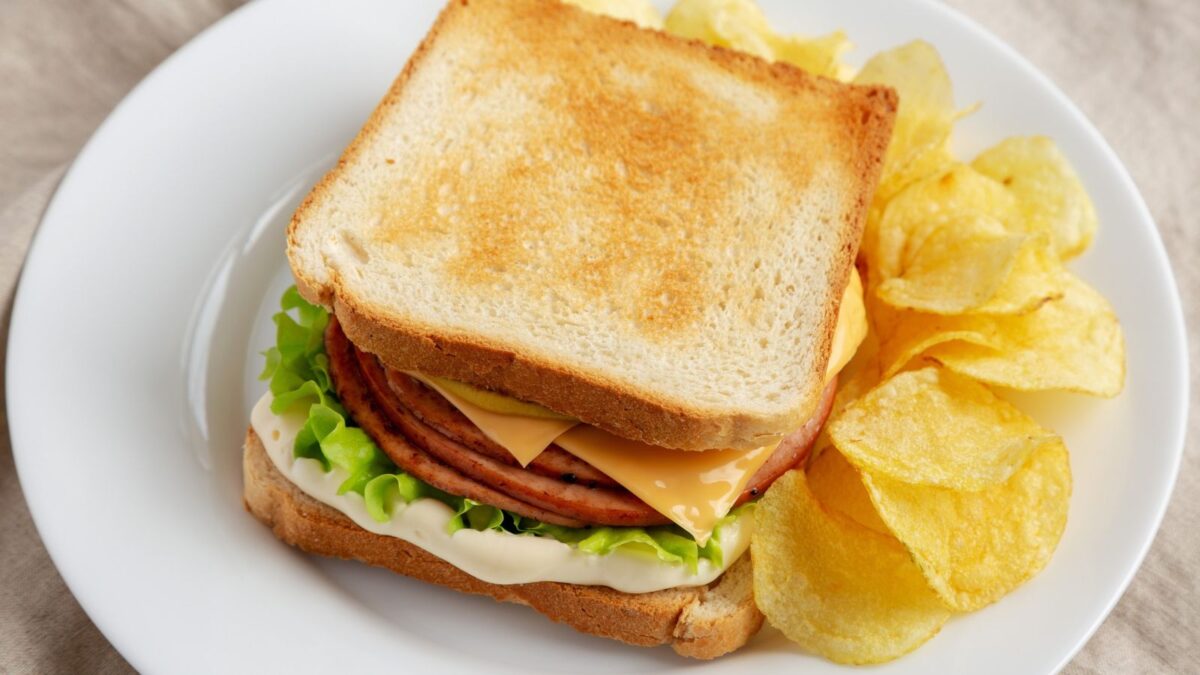
Fried bologna was a simple meal made by heating slices of bologna in a skillet. The edges often curled and browned, creating a different texture from ordinary cold sandwich meat.
It could be served on bread with mustard, cheese, or other toppings. The preparation was inexpensive and required little cooking experience.
Although bologna sandwiches remain available, fried bologna is particularly associated with traditional diners and home kitchens.
3. Creamed Peas on Toast
Creamed peas on toast combined cooked peas with a white sauce made from butter, flour, and milk. The mixture was spooned over toasted bread to create a quick, filling meal.
Some versions included onions or other seasonings. The dish offered an inexpensive way to turn vegetables and pantry ingredients into lunch or supper.
Today, younger cooks might be more familiar with peas as a side dish than as the centerpiece of a meal.
4. Stewed Prunes
Stewed prunes were prepared by simmering dried plums in water until soft. Some recipes included sugar, citrus, or spices for additional flavor.
They were commonly served at breakfast or as a simple dessert. Their association with digestion also contributed to their reputation among older generations.
Prunes remain readily available today, but serving them warm and stewed is less familiar than eating dried fruit directly from a package.
5. Canned Salmon Patties
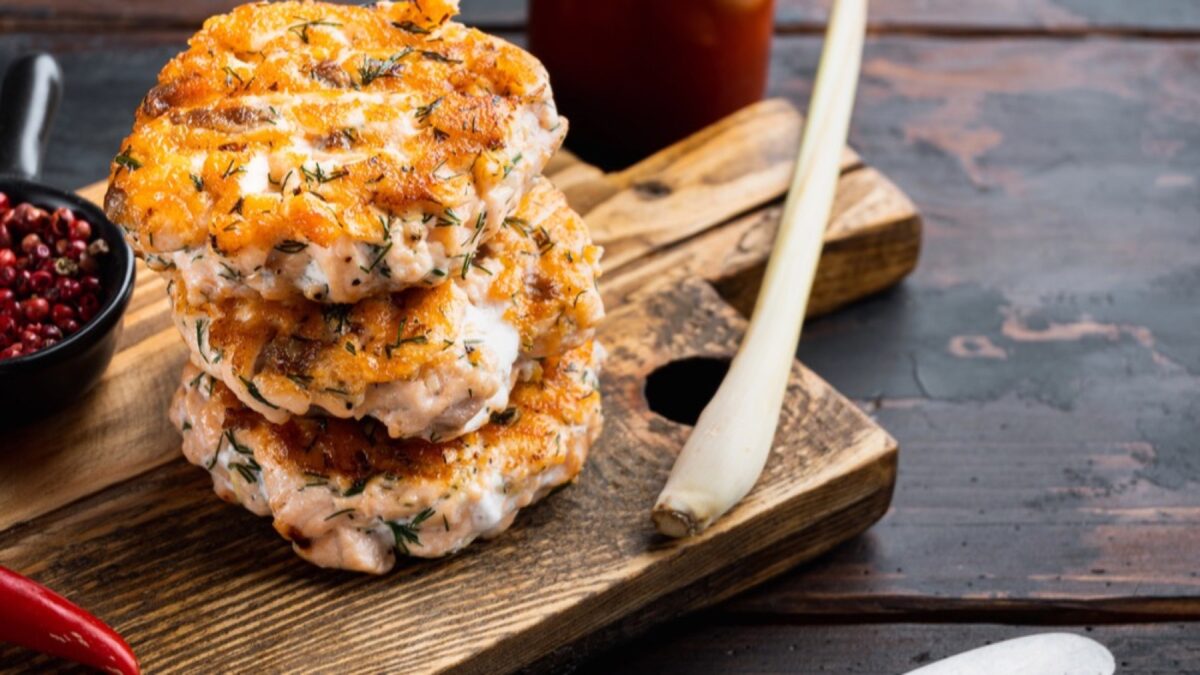
Canned salmon patties transformed a pantry ingredient into a quick family meal. The fish was mixed with eggs, breadcrumbs or crackers, and seasonings before being shaped and fried.
Families often served the patties with potatoes, vegetables, or a simple sauce. They offered a practical alternative when fresh fish wasn’t affordable or readily available.
Canned salmon remains useful for quick cooking, even though many modern seafood recipes focus on fresh fillets.
6. Pickled Beets
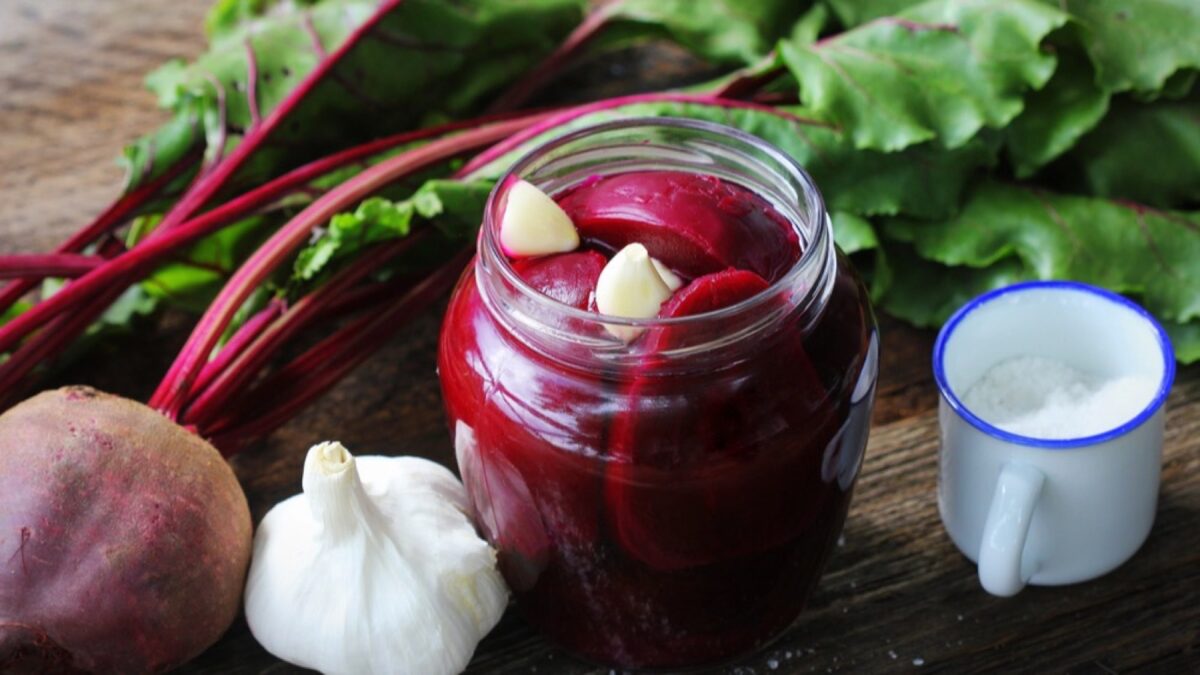
Pickled beets were a familiar side dish in households that preserved seasonal vegetables. Cooked beets were combined with vinegar, sugar, and seasonings to create a tangy preparation.
They could be served with sandwiches, meats, or other vegetables. Their distinctive purple-red color also made them recognizable on family dinner tables.
Although pickled beets remain available in stores, their sweet-and-sour flavor may be unfamiliar to people who usually eat beets roasted or in salads.
7. Chicken Livers
Chicken livers have been prepared in numerous ways, including frying, sautéing, and cooking with onions. They were often valued because organ meats could be less expensive than other cuts.
Their distinctive flavor and soft texture can be divisive. Some families consider them a delicacy, while others rarely purchase them.
Traditional recipes remain popular in many cultures. But chicken livers may receive less attention in households accustomed to boneless chicken breasts and thighs.
8. Tapioca Pudding
Tapioca pudding is made using tapioca pearls combined with milk, sugar, and other ingredients. The pearls create a distinctive texture that separates it from ordinary custard or rice pudding.
It was a familiar dessert in many American households, including versions prepared from packaged mixes. The pudding could be served warm or chilled.
Tapioca pearls are still widely used, including in bubble tea. Yet traditional tapioca pudding may be unfamiliar to younger people who encounter tapioca mainly in beverages.
9. Peanut Butter and Jelly on White Bread
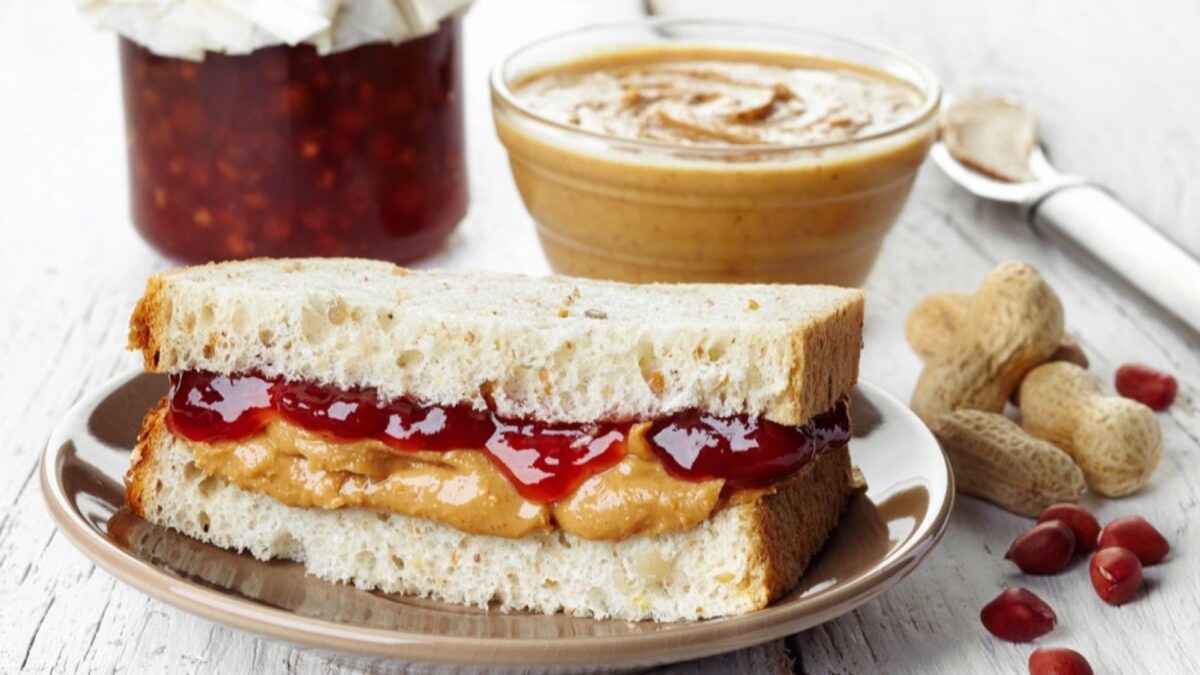
Peanut butter and jelly sandwiches are far from forgotten, but they belong to a long tradition of inexpensive American lunches. Their simplicity made them practical for schoolchildren and busy families.
The familiar combination of sliced bread, peanut butter, and jelly required no cooking and could be prepared in minutes. A closer look at the classic peanut butter and jelly sandwich shows why it became so closely associated with mid-century American childhood.
For many older adults, the memory isn’t just about the ingredients. It’s about opening a lunchbox at school or eating a quick sandwich at the kitchen table.
What Younger Generations Can Learn From These Foods
Earlier generations often relied on inexpensive ingredients, preserved foods, and recipes that made use of what was available. Those habits remain relevant as households look for practical ways to shop and cook.
Some traditional foods may never become popular again, and there’s no reason every old recipe needs to return. But learning how they were prepared can reveal useful cooking techniques and preserve family memories that might otherwise disappear.