Two beef patties. A folded tortilla with a crunchy center. A pair of tacos tucked into the same order as a burger.
A signature fast-food item does more than fill a menu slot. It gives a restaurant an identity customers can recognize in a few words, sometimes without mentioning the company’s name.
For five California-born chains, those orders also offer a way into their histories. The businesses began in different communities, from Baldwin Park to Yermo, and developed distinct approaches to the quick meal.
The connection is not that today’s signature items all appeared on opening day. It is that each helps explain what its restaurant became.
From a double cheeseburger to a folded tortilla, these five orders tell a California food story through what is inside the wrapper.
In-N-Out Burger: The Double-Double
In-N-Out began in Baldwin Park in 1948, when Harry and Esther Snyder opened a small hamburger stand. Its early drive-through ordering system helped define the business, but the Double-Double gave the menu a particularly memorable name.
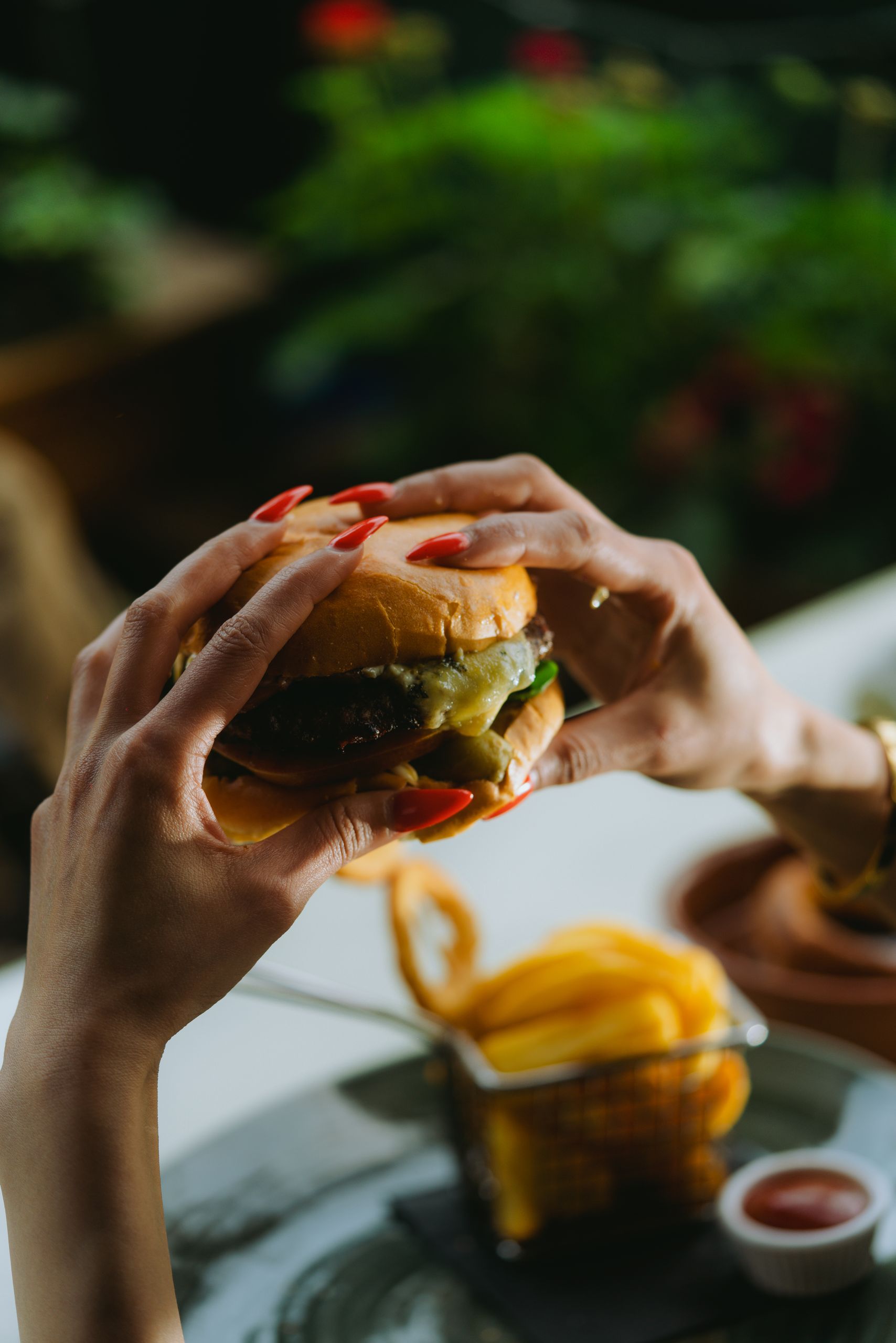
The order is direct: two beef patties, two slices of American cheese, lettuce, tomato, and spread on a bun, with or without onions.
The repetition in the name reflects the burger itself. Rather than introducing a different sauce or an elaborate collection of toppings, it doubles the central beef-and-cheese combination.
The Double-Double appeared on a store banner in 1963 before becoming an official menu item, according to In-N-Out. It was not part of the chain’s opening-day story.
That distinction makes its place on the menu more interesting. A business established around burgers, fries, and drinks developed an identifiable order without moving far from its original format.
The result is a burger whose name explains its defining feature before the wrapper is opened.
Taco Bell: The Crunchwrap Supreme
Glen Bell opened the first Taco Bell in Downey in 1962. His route there included earlier restaurant ventures and learning about tacos from a nearby Mexican-owned restaurant, as documented by PBS SoCal’s history of the chain.
The Crunchwrap Supreme represents a different chapter: it takes familiar ingredients and makes the arrangement part of the attraction.
Inside a flour tortilla are seasoned beef, nacho cheese sauce, a tostada shell, lettuce, diced tomatoes, and reduced-fat sour cream. The tortilla is folded around the filling and grilled.
The tostada shell supplies a crunchy layer inside the softer outer tortilla. Instead of asking customers to choose between those two textures, the construction combines them.
It shows how a signature order can depend on shape as much as ingredients. Beef, cheese sauce, lettuce, and tomatoes are recognizable components. The folded package gives them a different identity.
The Crunchwrap also keeps the chain’s history in perspective: Taco Bell did not invent tacos, but its menu has developed distinctive ways of assembling Mexican-inspired fast food.
Del Taco: The Del Taco
Del Taco’s namesake order offers a more straightforward construction.
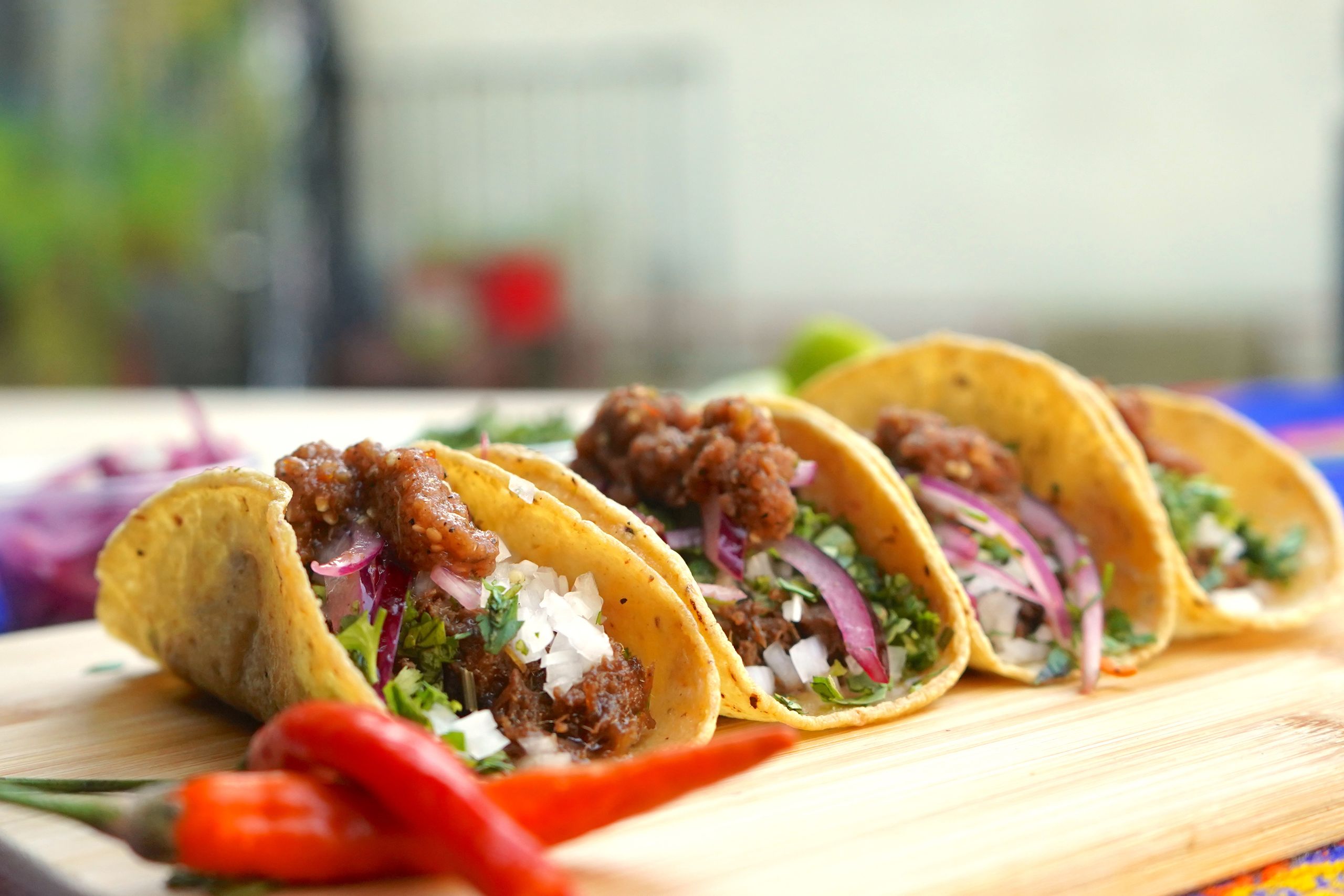
The crunchy version of The Del Taco contains seasoned beef, shredded cheddar cheese, shredded lettuce, and diced tomatoes in a corn shell. The company describes it as inspired by its original taco, rather than an unchanged replica of the opening-day item.
That connection leads back to Yermo, where Ed Hackbarth and David Jameson opened the first Del Taco in 1964. The early menu included tacos and tostadas alongside fries and cheeseburgers.
The mixed selection matters. Mexican-inspired food and burgers were part of the business together early on, not two unrelated identities joined much later.
Within that broader menu, The Del Taco makes the chain’s name into an order.
Its ingredient list does not depend on an elaborate sauce or several nested shells. Beef, cheddar, vegetables, and a crunchy shell establish the format. The contrast with the Crunchwrap is clear: similar ingredient categories can become very different handheld meals through construction.
Jack in the Box: Two Tacos
Jack in the Box began in San Diego in 1951 under founder Robert O. Peterson. Its early identity involved drive-through service, but its menu grew beyond the boundaries of a conventional burger order.
Two Tacos captures that variety in a compact serving.
The company describes the order as two crunchy tacos with American cheese, shredded lettuce, and taco sauce. Unlike the cheddar in The Del Taco, American cheese is part of Jack in the Box’s stated preparation.
The pairing is also built into the name. This is not simply a single taco listed beside burgers and fries. The two-piece format gives it a recognizable identity within the larger menu.
Jack in the Box’s own descriptions place burgers, tacos, and egg rolls within the same restaurant offering.
The tacos therefore tell a different story from a tightly focused burger menu. They show how a restaurant can become associated with an item outside the category that might first come to mind when someone sees its sign.
Habit Burger & Grill: The Charburger
Habit traces its beginnings to the Santa Barbara area in 1969. Its emphasis on cooking over an open flame carries directly into the name of its signature burger.
Habit’s Charburger combines a chargrilled beef patty with caramelized onions, lettuce, tomato, pickles, and mayonnaise on a toasted bun. A cheese version is also available.
Here, the distinguishing idea starts with the cooking method, then continues through the toppings.
Caramelized onions are part of the standard combination described for the meal, rather than a separate ordering variation. Pickles, tomato, and lettuce complete a burger built around familiar ingredients.
Habit adds a fast-casual format to this mix of California-born businesses, while its burger-centered identity connects it to the broader story.
These five signature orders are not interchangeable, even when they share beef, cheese, or lettuce. Each turns a particular combination, preparation, or shape into something recognizable.
When you think about your own favorite fast-food order, is it the recipe that keeps you returning, or the memories that have become part of it?