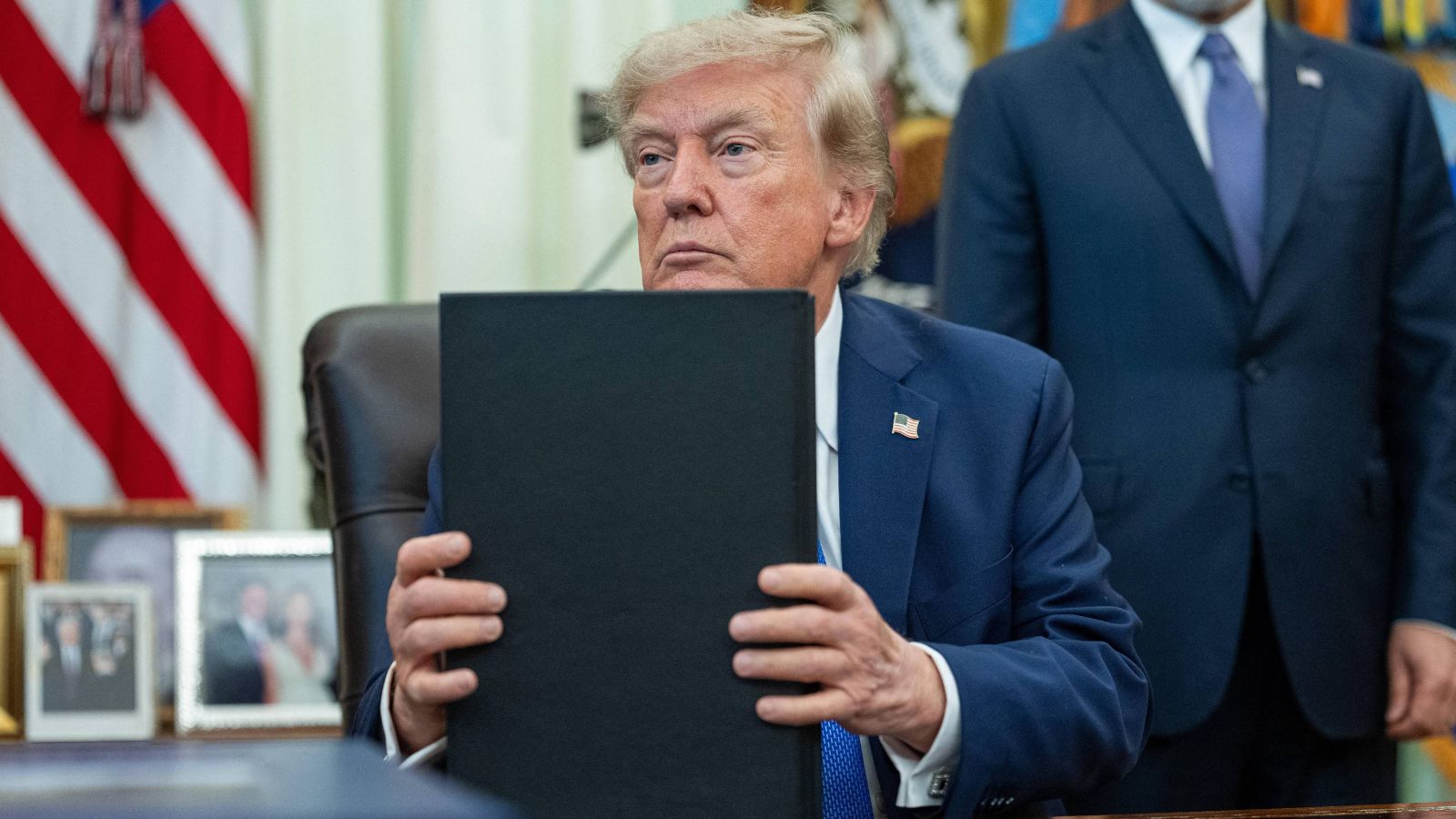
President Trump signed two new executive orders on birthright citizenship Thursday, five weeks after the Supreme Court struck down his original attempt to end it. The signing took place in the Oval Office, where Trump called the June 30 ruling very unfortunate and framed the new measures as adjustments rather than a retreat.
One order narrows who qualifies as a citizen at birth by widening categories long treated as exceptions. The other targets what the administration calls birth tourism, aiming to block travelers who enter the country specifically to give birth on American soil.
Trump calls the new orders adjustments, not defeat
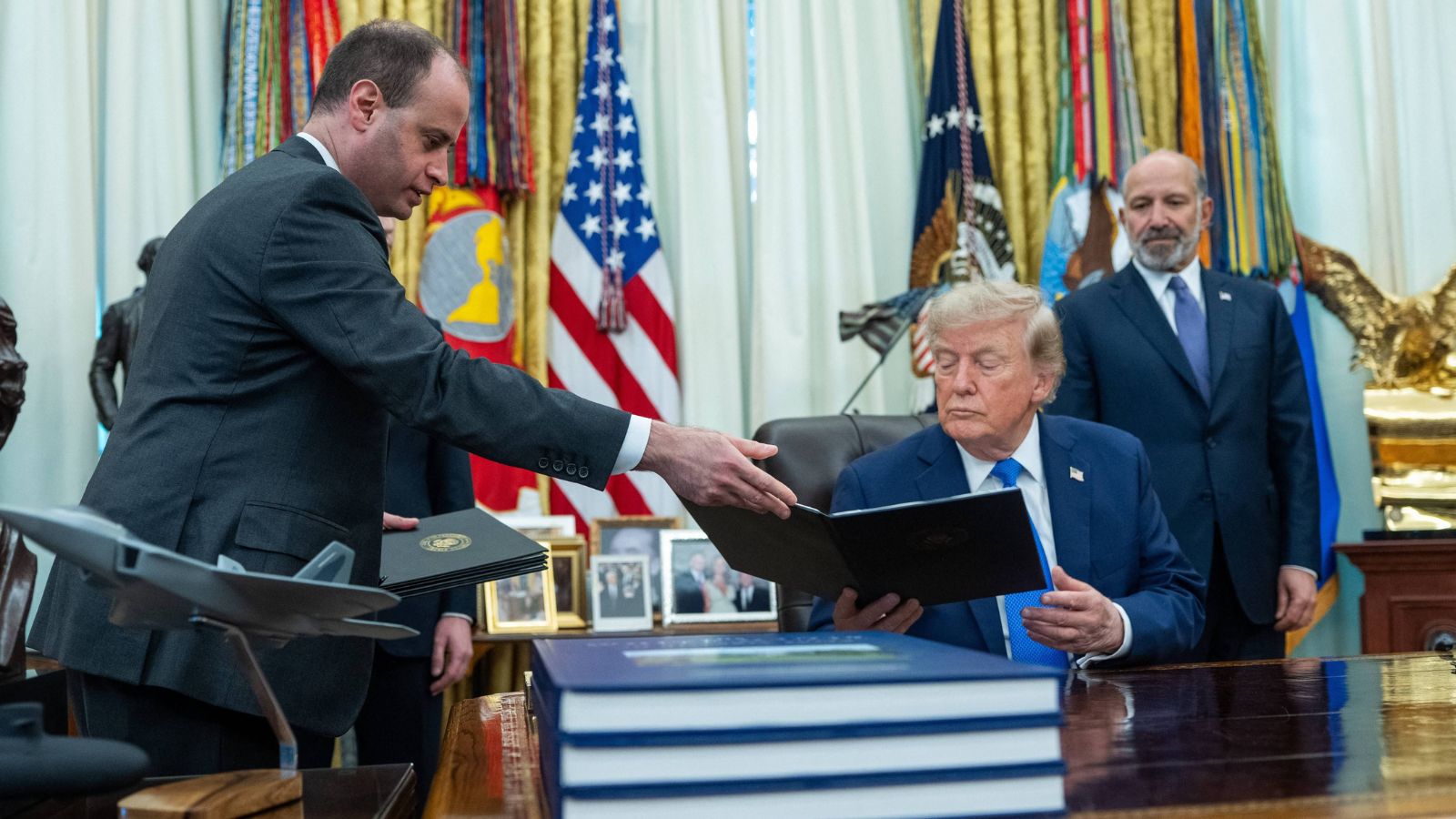
Trump had spent the Oval Office signing, revisiting his loss at the court, telling reporters the 6-to-3 decision was close and unfair to the country. He argued the 14th Amendment’s citizenship guarantee was written for the children of freed slaves rather than for today’s immigrants. Legal scholars have repeatedly rejected it. Trump told reporters the amendment was ratified right after the Civil War for the babies of slaves, tying that history to his push to narrow it now.
Deputy chief of staff Stephen Miller stood beside him and laid out the legal theory behind the birth tourism order. Miller pointed to section 215(a) of the Immigration and Nationality Act, arguing the president can bar entry to noncitizens under rules he alone prescribes. Commerce Secretary Howard Lutnick also appeared at the signing, tying the moment to a broader immigration and trade agenda rather than treating it as a standalone policy event.
The orders themselves stay narrower than the 2025 attempt
Unlike last year’s order, which tried to strip citizenship from nearly all children of undocumented or temporary immigrants, Thursday’s actions work at the margins. They expand a narrow historical exception that already denies citizenship to children of foreign diplomats and invading armies.
The new categories reach further than diplomats alone. One order adds children born to alien enemies, members of designated foreign terrorist organizations and people acting as agents of hostile foreign governments. The second bans commercial birth tourism outright, instructing consular officers to deny visas to applicants whose true purpose is delivering a baby on US soil.
Miller framed the practice bluntly during the signing, telling reporters the administration considers it a scam that ends the moment the order takes effect.
June’s ruling left the door open a crack
The Supreme Court’s decision in Trump v Barbara was not a narrow procedural loss. Chief Justice John Roberts wrote for a six-justice majority that included both liberal justices and Amy Coney Barrett, rejecting the administration’s core argument outright.
Roberts grounded the opinion in over a century of precedent. He tied the ruling to the 1898 case of Wong Kim Ark, a man born in San Francisco to Chinese immigrant parents whom the court had already recognized as a citizen by birth. Roberts also invoked the Dred Scott case as a cautionary example of what happens when the country narrows who counts as American.
Justice Clarence Thomas dissented, joined by Justice Neil Gorsuch, while Justice Brett Kavanaugh concurred in the outcome for different reasons than the majority. The fractured opinion suggests the court’s conservative wing is not unified on how far a president can push executive authority over citizenship, even after siding against Trump.
Legal groups already expect a court fight
Immigrant rights organizations that beat Trump in June say the new orders will not survive review any better than the first one did. Deborah Fleischaker of UnidosUS argued the court had already made clear that birthright citizenship is a constitutional guarantee rather than something a president can adjust by decree. Her group was not a party to the original Barbara case, giving the reaction added weight as coming from outside the litigation team that already won once.
The ruling upheld birthright citizenship broadly while leaving room for narrow historical carve-outs, and Thursday’s orders appear built to live inside that gap rather than challenge it directly.
What happens next hinges on how narrow the carve-outs really are
Expect litigation within days rather than weeks. The same coalition of advocacy groups that built the Barbara case, including the ACLU, the Legal Defense Fund and the Asian Law Caucus, has a track record of filing suit almost immediately after Trump immigration orders land.
The core legal question this time is different from 2025. Courts will not be asked whether birthright citizenship exists, since Barbara already settled that question. Instead, judges will decide whether alien enemies, foreign terrorist affiliates and agents of hostile governments fit within exceptions the Supreme Court already recognized. Or whether Trump has simply invented new categories to route around a loss he still will not accept.