WASHINGTON — Republican Rep. Andy Ogles of Tennessee moved Monday, Aug. 3, to impeach U.S. District Judge Allison Burroughs after she temporarily blocked the Trump administration from ending deportation protections for Somali nationals.
Ogles introduced an impeachment resolution accusing the Massachusetts judge of defying federal law and Supreme Court authority. The measure was referred to the House Judiciary Committee, but no hearing or vote has been scheduled.
The legal fight also returned to Burroughs’ Boston courtroom Monday. A federal appeals court returned the case Monday and directed her to rule promptly on the challengers’ request for continued protection.
The two developments intensified a wider conflict over President Donald Trump’s immigration policies. The dispute now involves executive authority, constitutional discrimination claims and congressional efforts to remove federal judges.
Ogles accuses Burroughs of defying the Supreme Court
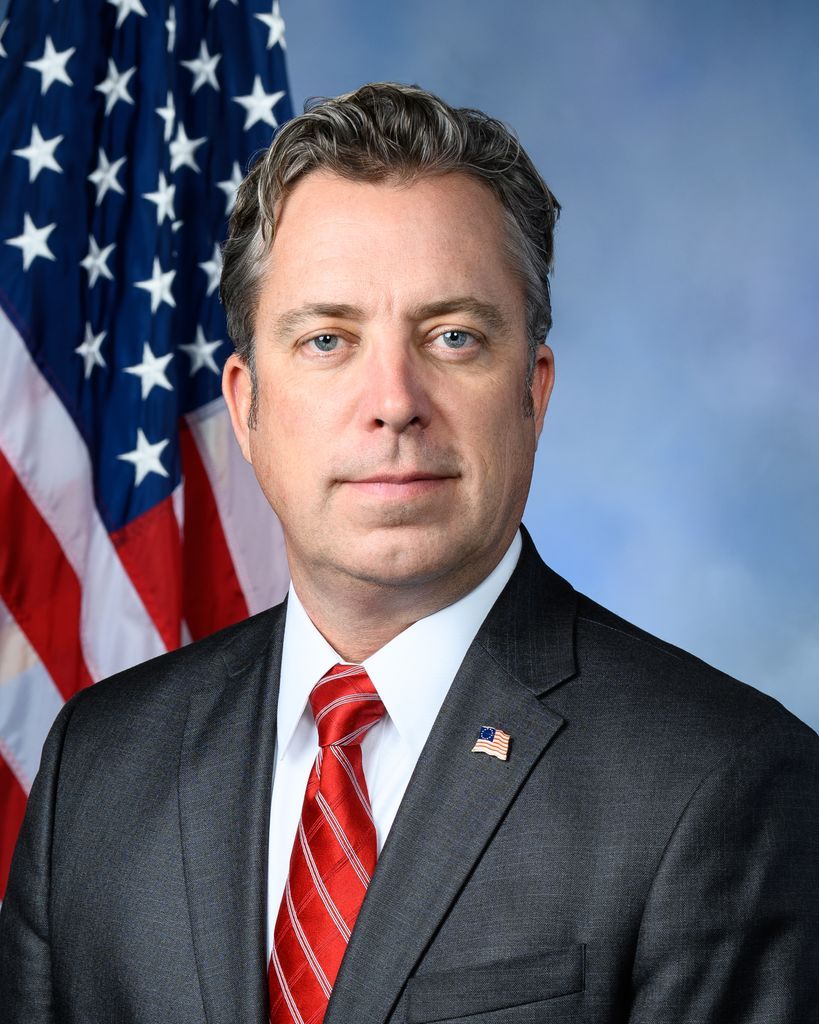
Ogles’ resolution targets Burroughs’ handling of a lawsuit challenging the planned termination of Somalia’s Temporary Protected Status designation.
The congressman alleges Burroughs tried to avoid a June Supreme Court decision by considering revised claims of racial and national-origin discrimination. He described those allegations as unfounded and called for her removal.
“This judicial activist’s obstruction of the people’s will must be stopped,” Ogles said in a statement provided with the original report. “Judge Burroughs must be impeached.”
The impeachment filing presents Ogles’ allegations. It does not establish that Burroughs violated federal law or committed judicial misconduct.
Department of Homeland Security General Counsel James Percival also criticized the order. He described the continuing court challenges as “defiance, obstruction, and delay” in a social media post Friday.
The Massachusetts federal court had not publicly responded to the impeachment demand at the time of the original report.
Somali groups challenged the TPS termination
African Communities Together and the Partnership for the Advancement of New Americans filed the lawsuit with four Somali plaintiffs.
They argue that ending TPS could expose protected immigrants to detention, deportation, family separation and dangerous conditions in Somalia. They also allege that discrimination influenced the administration’s decision.
The administration denies those claims. It maintains that the homeland security secretary has broad legal authority to decide whether a country continues to qualify for TPS.
Burroughs first halted the termination in March, days before it was due to begin. The temporary order preserved deportation protection and employment authorization while the court reviewed the dispute.
Her July 31 order indicated that the earlier administrative stay would be dissolved after the appeals court returned jurisdiction. A new stay would then preserve protections while she considered the amended constitutional claims.
The First Circuit treated that order as a commitment to dissolve the earlier stay. It dismissed the government’s appeal and sent the case back for further proceedings.
Appeals court demands prompt decision
The appellate court did not decide whether Burroughs’ new stay was legally justified. It also did not endorse the briefing schedule she had established.
The majority said the district court must rule promptly on the pending request for relief. Its mandate took effect immediately, returning control of the case to Burroughs.
Circuit Judge Dunlap dissented. Dunlap argued that the original administrative stay had lasted longer than a temporary restraining order normally can.
The dissent said the order effectively operated as an injunction without requiring the plaintiffs to meet the usual legal standard. That standard includes showing a likelihood of success and a risk of irreparable harm.
The majority did not adopt that reasoning. Its ruling focused on returning the case to the district court for a quick decision.
Supreme Court narrowed TPS lawsuits
The legal dispute changed on June 25 when the Supreme Court decided Mullin v. Doe. That case involved Trump administration efforts to end TPS for Syrian and Haitian nationals.
The court held that federal law bars nonconstitutional TPS challenges to a homeland security secretary’s termination decision. That restriction includes claims brought under federal administrative law.
The justices separately considered an equal-protection claim involving Haiti. They found those plaintiffs were unlikely to prove that race motivated the termination.
However, the court did not declare every constitutional challenge to a TPS decision unreviewable. That distinction became central to the Somalia case.
After the ruling, the Somali plaintiffs amended their complaint. They placed greater emphasis on constitutional allegations involving racial and national-origin discrimination.
Ogles argues that the revised complaint merely repackages claims the Supreme Court rejected. The plaintiffs maintain that their constitutional allegations require separate judicial review.
Burroughs must now decide whether the amended claims provide a valid basis for temporary relief.
Somalia’s protection began in 1991
Temporary Protected Status allows eligible foreign nationals already in the United States to remain when returning home would be unsafe.
Congress created the program in 1990. A designation may follow armed conflict, an environmental disaster, or other extraordinary temporary conditions.
TPS does not automatically provide permanent residency or citizenship. It can offer protection from deportation and authorization to work while a designation remains active.
Somalia first received TPS in 1991 amid conflict and instability. Successive administrations extended the protection as the country faced terrorism, displacement and humanitarian crises.
Homeland Security announced in January that Somalia’s termination would take effect on March 17. The agency said conditions had improved enough that the designation no longer met statutory requirements.
Advocacy groups dispute that assessment. They argue that armed violence and humanitarian dangers continue to make returns unsafe.
Impeachment effort faces difficult path
Filing an impeachment resolution does not remove Burroughs or reverse her orders.
The House Judiciary Committee must first decide whether to investigate or advance the measure. A majority of the full House would then need to approve impeachment.
The Senate would conduct a trial if the House approved the resolution. Conviction and removal would require support from two-thirds of senators present.
Congress has historically used judicial impeachment mainly in cases involving corruption, criminal conduct or serious abuses of office. Disputed rulings are normally challenged through appeals.
Burroughs was nominated by President Barack Obama in 2014 and confirmed by the Senate that December.
Her immediate task is deciding whether the Somali plaintiffs’ revised constitutional case warrants continued protection. The First Circuit has ordered a prompt ruling, while Ogles’ impeachment resolution remains pending before the House Judiciary Committee.