Ever wonder why a simple restaurant dish can taste so polished while the same recipe at home feels like it is missing something? The difference is often not expensive equipment or rare ingredients. Many professional cooks rely on small habits, prep methods, and timing techniques that quietly change how food comes together.
Restaurant kitchens are built around consistency. Every plate needs to meet expectations, whether it is the first order of the night or the hundredth. That pressure has led chefs and cooks to develop routines that help them work faster, stay organized, and bring out more flavor from everyday ingredients.
Many of those habits are surprisingly practical for home kitchens too. From preparing ingredients before turning on the stove to seasoning in layers instead of waiting until the end, these restaurant techniques can help make everyday cooking smoother and more enjoyable.
Restaurant cooks prepare everything before the cooking begins

One of the biggest differences between professional kitchens and many home kitchens happens before the first ingredient hits the pan. Restaurant cooks often rely on a French culinary practice called mise en place, which means having everything prepared and in its proper place before cooking starts.
That means chopping vegetables, measuring sauces, gathering tools, and organizing ingredients before cooking begins. Instead of stopping halfway through a recipe to find spices or cut an onion, professional cooks set up a workflow that keeps the process moving.
For home cooks, this approach can make meals feel less rushed. Preparing ingredients first also helps avoid common mistakes, such as overcooking something while trying to finish another step. A few minutes of preparation can make the actual cooking process much calmer.
Professional kitchens also pay close attention to organization because timing matters. A cook working during a busy dinner service cannot afford to lose track of ingredients or equipment. That same mindset can make weeknight cooking easier at home.
Chefs focus on technique before chasing complicated recipes
Restaurant cooking often looks impressive because chefs understand fundamental techniques rather than relying only on complicated recipes. Skills like controlling heat, creating proper browning, and understanding when ingredients are ready often matter more than having a long list of ingredients.
Chef Melissa King, a winner of “Top Chef” and a Michelin-trained chef, has emphasized mastering basic techniques over simply collecting specialized equipment. She said technique creates better results, not necessarily the most expensive tools.
One example is pan temperature. A properly heated pan can help create better browning and prevent ingredients from sticking. King recommends letting a pan heat before adding food, a small adjustment that can improve the cooking process.
Another technique professionals use is avoiding overcrowding a pan. When you add too many ingredients at once, food can release moisture and steam instead of developing the color and texture cooks want. Giving ingredients enough space allows heat to work more effectively.
These techniques are not about making home cooking complicated. They are about understanding what is happening in the pan and making small adjustments that produce better results.
Restaurant cooks season throughout the cooking process
Many home cooks add salt and seasoning at the final stage of cooking. Professional cooks often approach seasoning differently by building flavor gradually throughout the process.
Seasoning ingredients as they cook allows different flavors to develop together. For example, adding seasoning while sautéing vegetables, cooking proteins, or building a sauce can create more depth than trying to fix the flavor at the end.
Serious Eats notes that “season to taste” is not simply a casual instruction but an important cooking skill that involves adjusting flavors carefully throughout preparation. Salt works best when used intentionally and combined with other flavor elements such as acidity, sweetness, and bitterness. (Serious Eats)
Restaurant cooks also taste frequently. Instead of assuming a dish will come together perfectly without adjustments, chefs check flavor along the way and make changes before the food reaches the customer.
That habit can transform home cooking. A quick taste before serving can reveal whether a dish needs more seasoning, a splash of acidity, or another small adjustment.
Professional cooks keep their knives sharp and their tools ready
A sharp knife is one of the most important tools in a professional kitchen. Restaurant cooks depend on knives that can handle constant preparation because clean cuts help ingredients cook more evenly.
A dull knife does not just slow down preparation. It can also make cutting less controlled because it takes more force. Maintaining knives helps cooks work efficiently and safely.
Professional kitchens also avoid unnecessary movement. Ingredients and tools are placed where cooks need them, so they can focus on cooking instead of searching for equipment.
This organized approach helps restaurant kitchens handle large numbers of orders. The system reduces wasted time and keeps every step predictable.
Chefs pay attention to the final details
A restaurant dish is usually finished with small touches that home cooks may overlook. A drizzle of sauce, fresh herbs, a carefully placed garnish, or a final seasoning adjustment can change how a dish looks and tastes.
Chefs understand that presentation is part of the dining experience. Even simple foods can feel more special when they are finished thoughtfully.
This does not mean every home meal needs restaurant-style decoration. Instead, it highlights the importance of finishing with intention. A little freshness, texture, or contrast can make a familiar dish feel completely different.
Restaurant cooks clean while they work
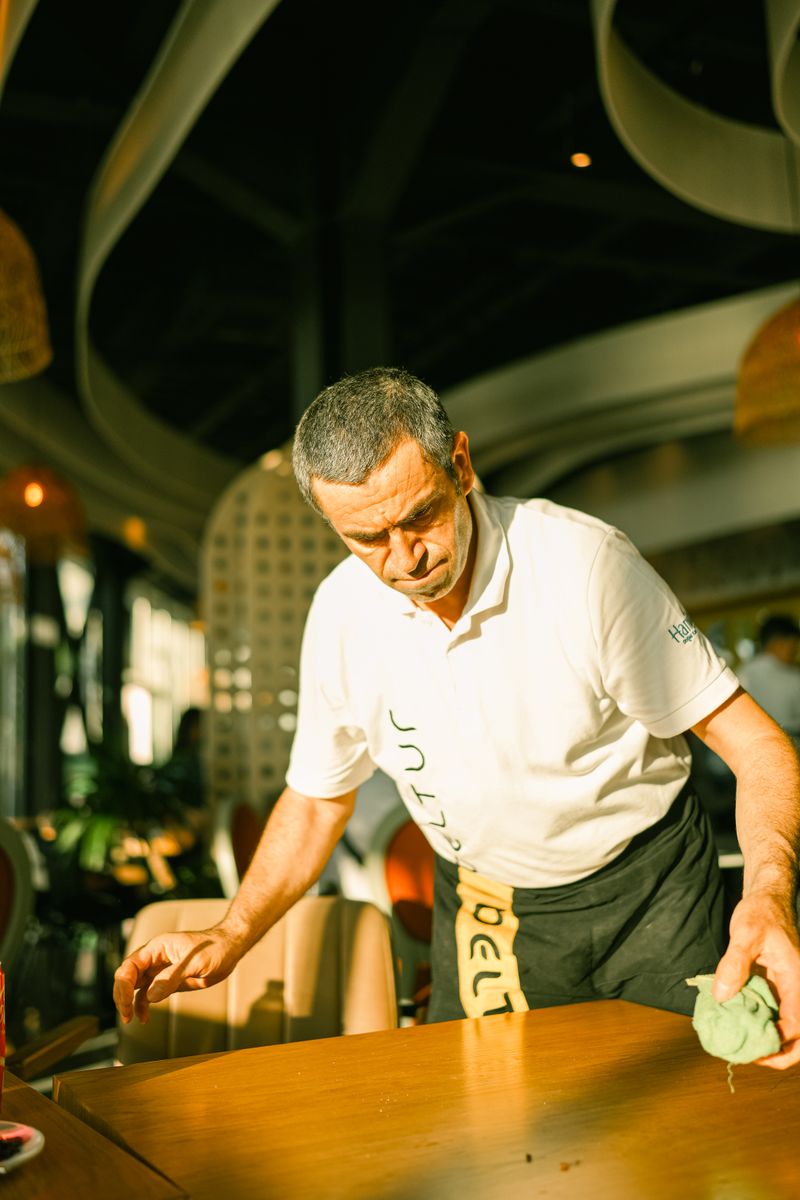
Another professional habit that separates restaurant kitchens from many home kitchens is cleaning throughout the cooking process.
Cooks often wash tools, clear surfaces, and organize their stations while the food cooks. This keeps the workspace manageable and prevents a large pile of dishes from appearing at the end.
Chef Sanjeev Kapoor has highlighted cleaning as part of maintaining an efficient kitchen, along with preparation habits such as organizing ingredients and keeping knives sharp.
For home cooks, this approach can make preparing meals feel less overwhelming. Wiping down a counter or washing a cutting board while waiting for water to boil takes much less effort than dealing with a crowded kitchen after dinner.
The best restaurant habits are simple ones
Professional kitchens may look intimidating from the outside, but many of their most useful habits are surprisingly accessible. The goal is not to cook like a restaurant chef overnight. It is to borrow the routines that make cooking more organized, consistent, and enjoyable.
Preparing ingredients ahead of time, understanding heat, seasoning carefully, and keeping a clean workspace are small changes that can have a noticeable impact.
The secret behind many restaurant meals is not always a hidden ingredient. Sometimes it is simply a better process behind the scenes.